I have tested how quickly a beautiful eyeshadow look can lose its impact when colors fade, creases appear, or pigment disappears before the day ends.
Finding the best eye primer is not just about picking a smooth formula; it is about choosing one that improves color payoff, keeps shadow in place, and matches your eyelid needs.
Since oily, dry, and textured lids require varying levels of grip and comfort, each primer delivers a distinct experience.
After testing popular options for wear time, oil control, texture, and comfort, I found the formulas that helped eyeshadow stay fresh, vibrant, and up to 24 hours long-lasting.
What is Eye Primer?
Eye primer is a lightweight product applied to the eyelid before eyeshadow.
It creates a smooth base that helps color stick better and last longer throughout the day. Without it, shadow can fade, crease, or shift within just a few hours.
Most formulas control oil, fill in fine lines, and even out skin tone on the lid. Some primers also brighten the area, making shadow shades look more vibrant once applied.
Good primer makeup does the same job for the rest of the face, so pairing an eye formula with a matching base keeps the whole look consistent.
That’s what separates an average formula from thebest eyeshadow primer for your routine. Think of it as the foundation for eye makeup, since everything applied afterward depends on how well that base holds up.
Types of Eye Primer Formulas
Not all primers have the same texture, and choosing the right one depends on your lid type and desired finish. Here’s a quick breakdown of the main formulas out there.
| Formula | Texture | Best For |
|---|---|---|
| Liquid | Lightweight, fast-absorbing | Normal to oily lids needing quick wear |
| Cream | Rich, blendable | Dry lids that need extra hydration |
| Gel | Cooling, smooth glide | Combination lids or humid climates |
| Powder | Matte, oil-absorbing | Very oily lids prone to creasing |
Each formula behaves differently once applied, so testing a couple can help narrow down what works best for your skin. The right texture makes shadow application smoother and wear time longer.
How I Tested the Best Eye Primers
I tested each primer through real makeup days to see how well they performed beyond quick swatches. I focused on factors that matter most for everyday wear, including:
-
Wear time: Checked how long each primer lasted before creasing or fading.
-
Oil control: Tested performance on oily eyelids to see how well it prevented slipping.
-
Eyeshadow grip: Evaluated how well colors stayed vibrant and in place.
-
Texture: Assessed how smoothly each formula applied and blended.
-
Comfort: Monitored how each primer felt during extended wear.
These tests helped identify the eye primers that performed reliably and were worth recommending.
Reviews of the Best Eye Primers
Testing eleven primers taught me one thing fast: not all bases are built the same. Some hold shadow in place for hours, while others fade before lunch. Here’s my honest take on each one.
1. Urban Decay Eyeshadow Primer Potion
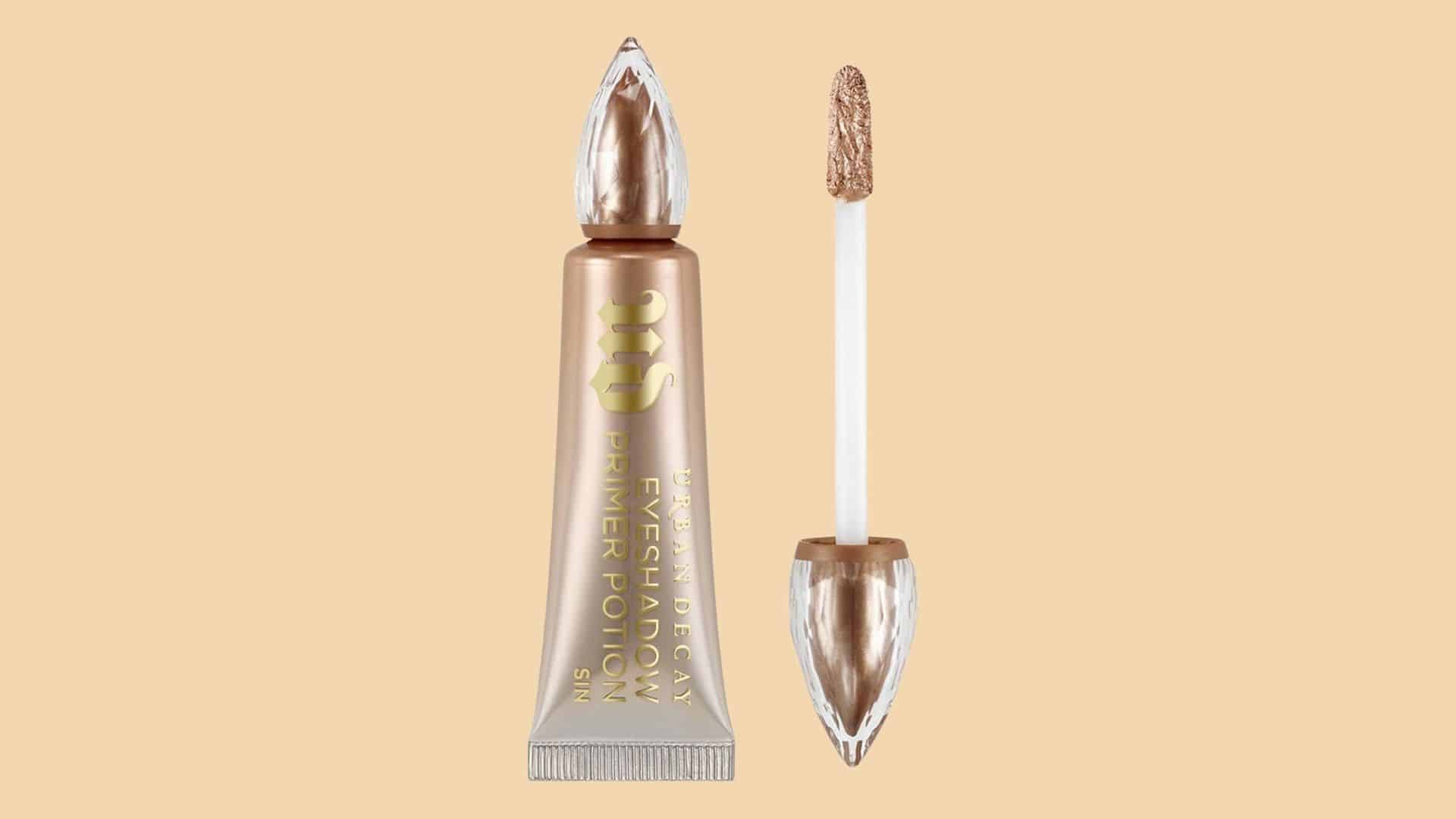
Urban Decay is a cult favorite, and after testing it, I get why. It grips shadow like glue and barely budges, even on warm days.
- Best for: Oily lids that need serious staying power
- Key features: Lightweight, matte finish, fights creasing
- Price range: $28
- Why I recommend it: It kept my shadow crisp from morning meetings to late-night dinners without a single crease.
2. NARS Pro-Prime Smudge Proof Eyeshadow Base
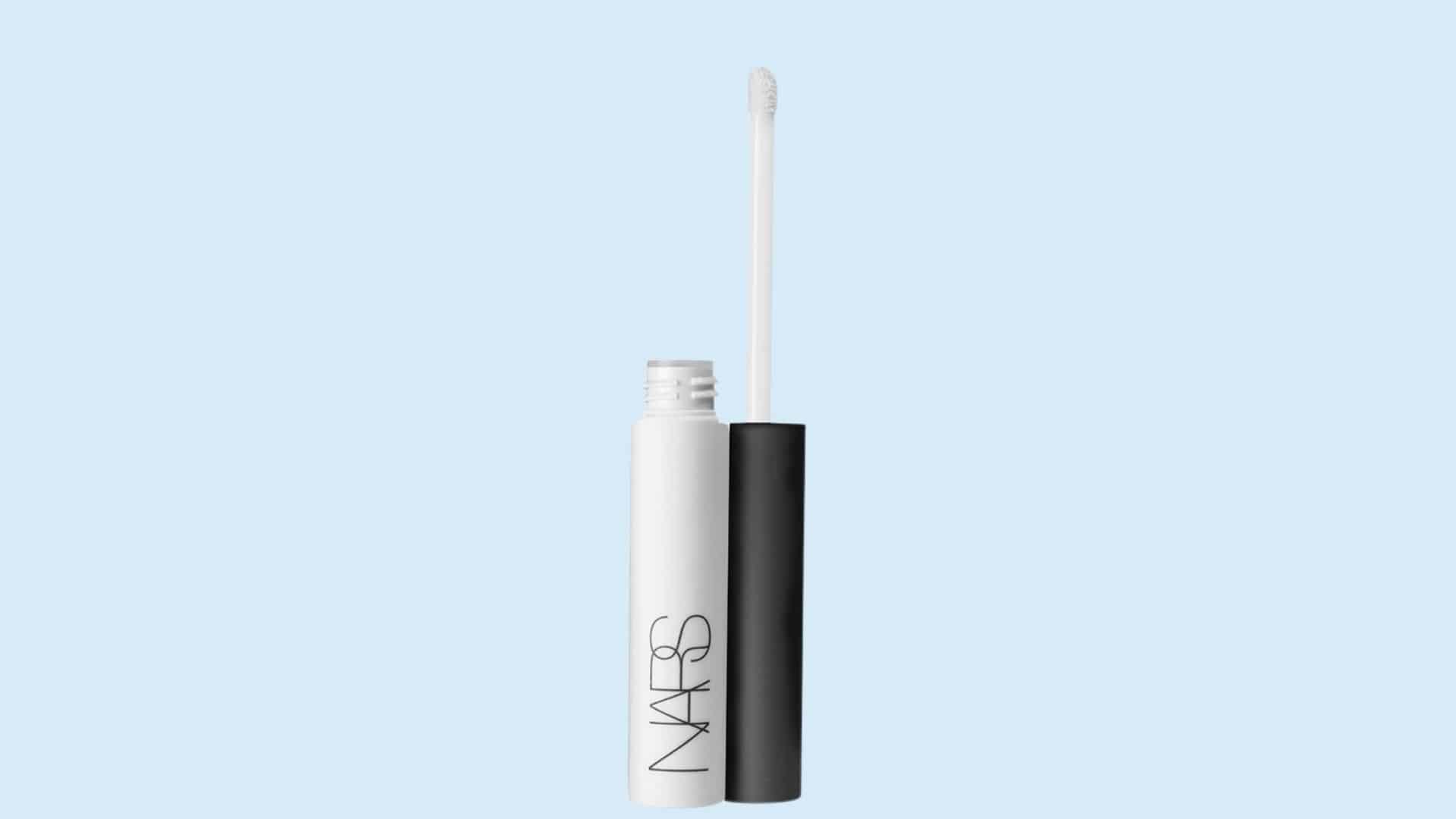
Smooth application and a soft finish made NARS primer a pleasant surprise. It blends into the lid fast, so the shadow goes on evenly.
- Best for: Anyone who wants a natural, breathable base
- Key features: Water-resistant, smudge-proof, blends easily
- Price range: $28
- Why I recommend it: It held up through sweat and humidity without feeling heavy or cakey on my lids.
3. Too Faced Shadow Insurance
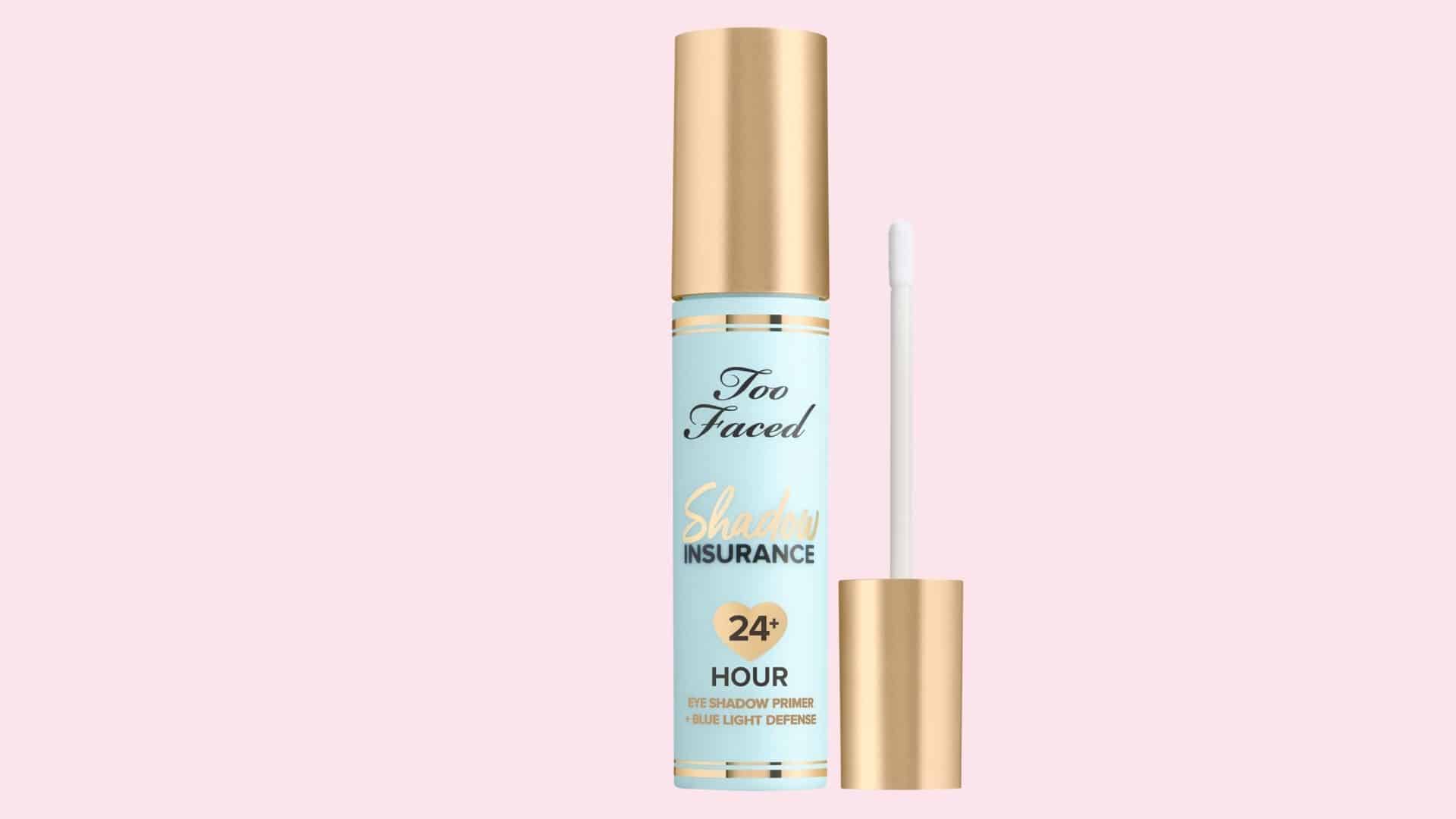
The name says it all. Too Faced Shadow Insurance acts like a safety net, locking shadow in place no matter what the day throws at it.
- Best for: Long event days like weddings or work conferences
- Key features: Waterproof, transfer-resistant, neutral tone
- Price range: $28
- Why I recommend it: My shadow stayed put through tears, sweat, and humidity during a full outdoor event.
4. Milani Eyeshadow Primer
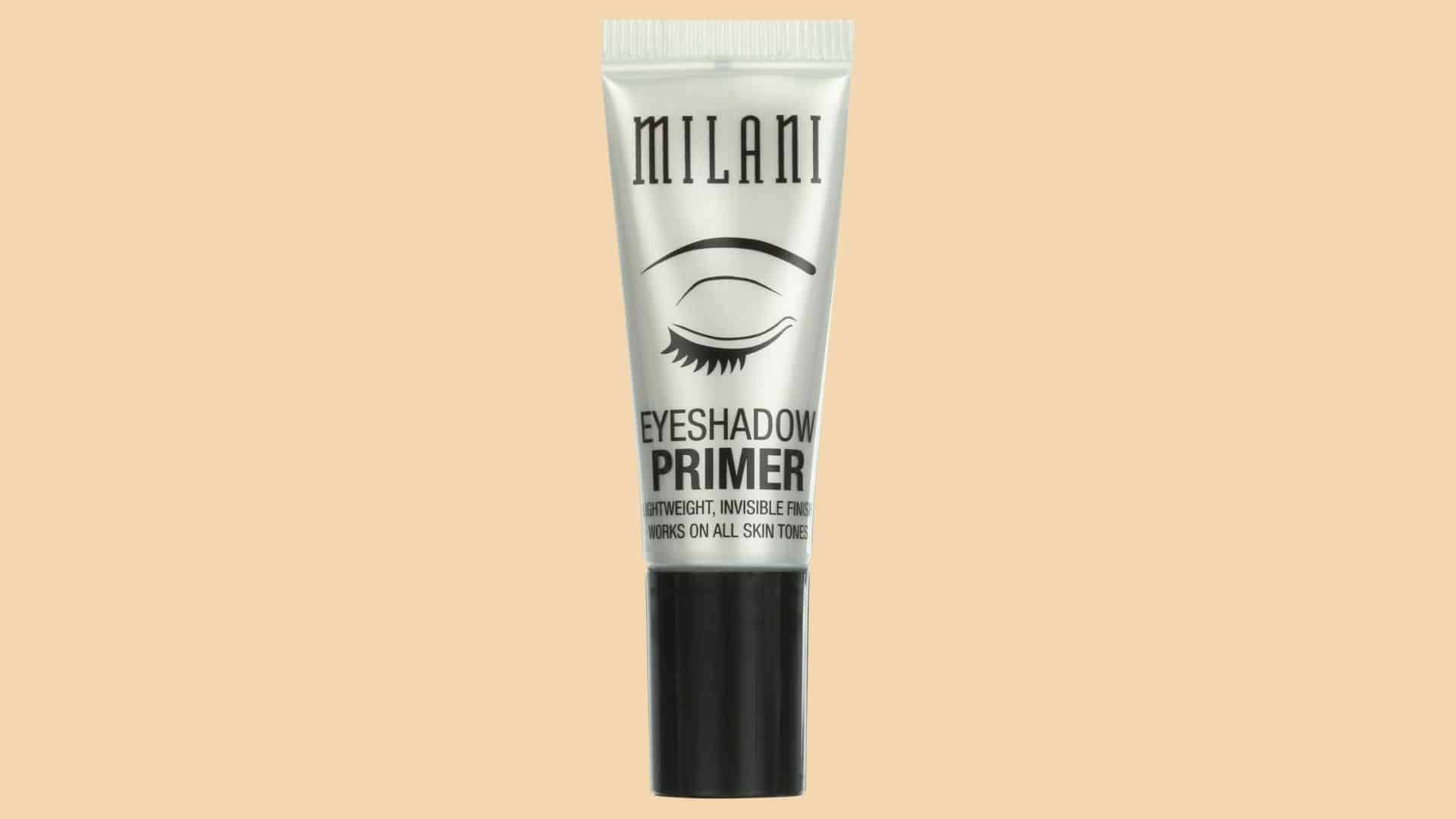
Budget-friendly but far from basic, Milani Eyeshadow Primer punches above its price. It’s a solid pick if you’re testing new looks without spending much.
- Best for: Beginners or anyone on a budget
- Key features: Affordable, smooth texture, brightens lids
- Price range: $8-$10
- Why I recommend it: For the price, it performed nearly as well as primers costing triple the amount.
5. MAC Prep + Prime 24-Hour Extend Eye Base

MAC primer earns its name. The shadow applied over it remained vibrant well past the 24-hour mark during my trial.
- Best for: Long shifts, travel days, or double events
- Key features: Long-wear formula, smooths fine lines, lightweight
- Price range: $23-$30
- Why I recommend it: Colors looked just as fresh at midnight as they did that morning.
6. e.l.f. Lock It Down Eyeshadow Primer
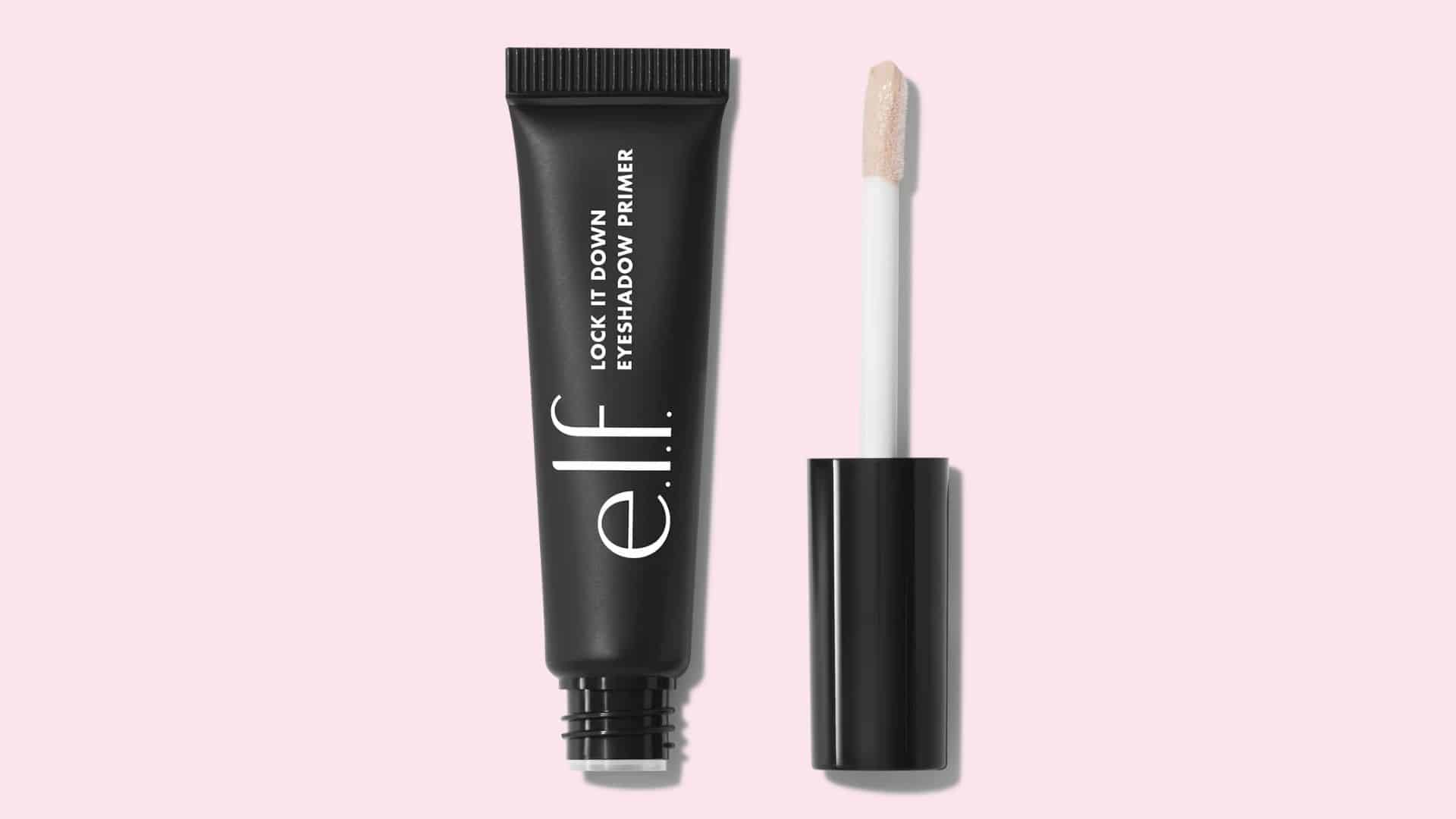
Don’t let the low price fool you. Lock It Down Eyeshadow Primer locks shadow in place and keeps oil from breaking through the formula.
- Best for: Everyday wear on a tight budget
- Key features: Oil-control, affordable, matte finish
- Price range: $6-$7
- Why I recommend it: It matched pricier primers in performance during my full-day wear test.
7. Milk Makeup Hydro Grip Eye Primer
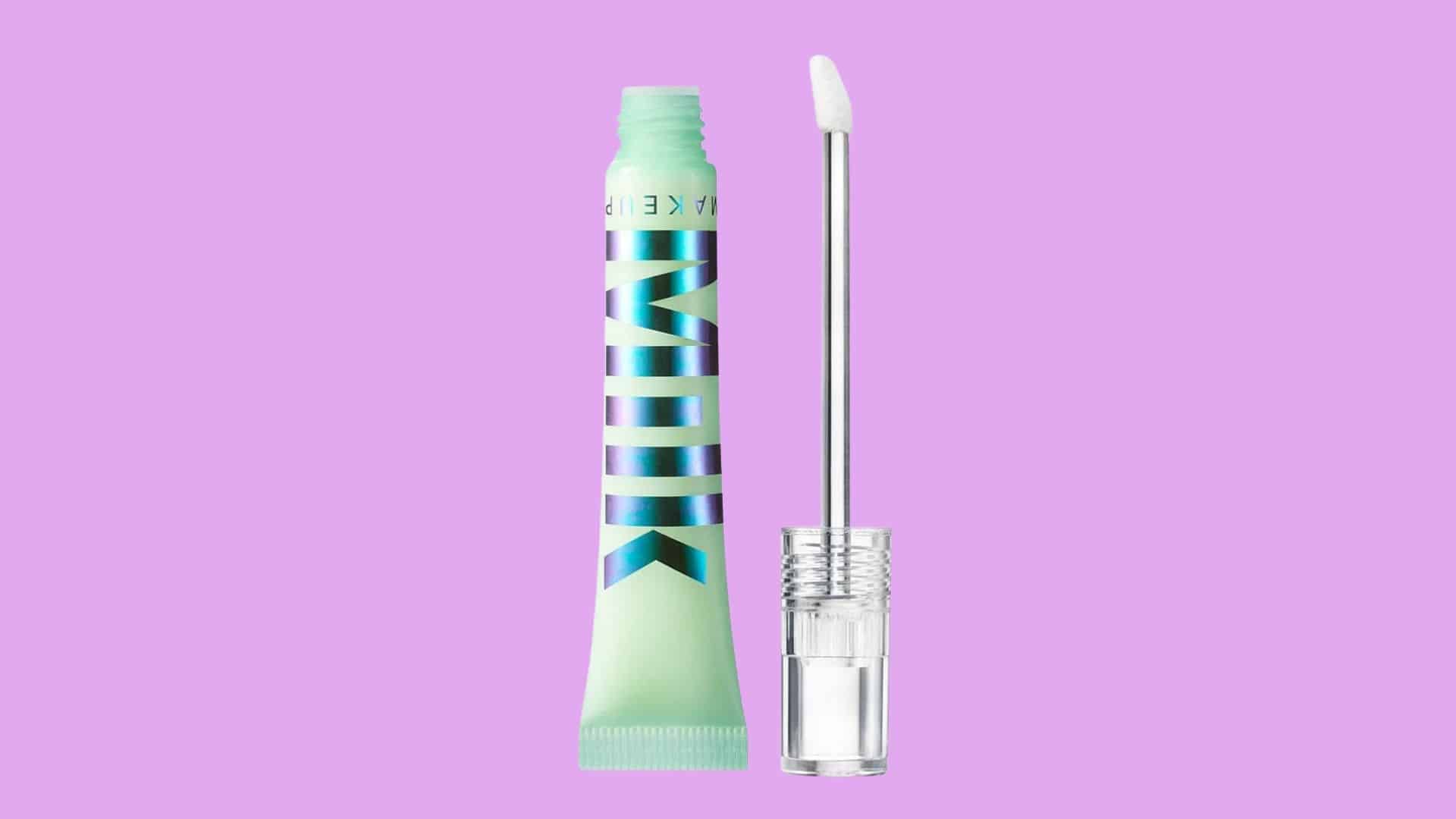
Hydro Grip Eye Primer felt different from the rest. It’s hydrating rather than drying, so it works well if your lids tend to feel tight.
- Best for: Dry or sensitive eyelids
- Key features: Hydrating gel texture, grips shadow, lightweight
- Price range: $22-$24
- Why I recommend it: My lids felt comfortable all day, and the shadow still stayed put without flaking.
8. Fenty Beauty Pro Filt’r Amplifying Eye Primer
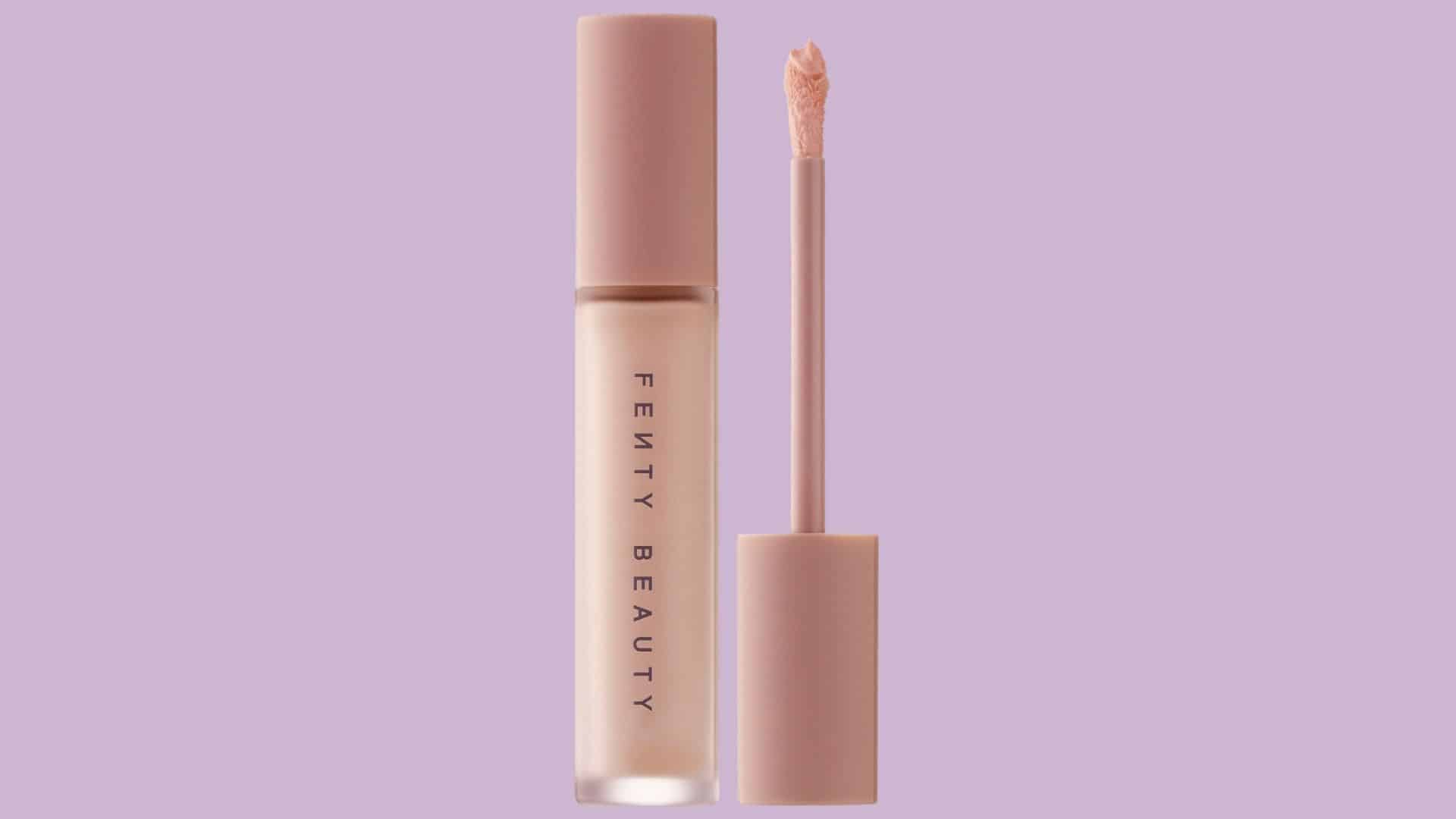
Pro Filt’r Amplifying Eye Primer doesn’t just hold shadow; it amplifies it. Colors looked richer and more pigmented once applied over this base.
- Best for: Bold, rich pigmented eyeshadow looks
- Key features: Color-amplifying, smooth texture, long-lasting
- Price range: $21-$23
- Why I recommend it: Even shimmer shadow shades for brown eyes looked more intense and stayed sharp for hours.
9. Elizabeth Mott Thank Me Later Eye Primer
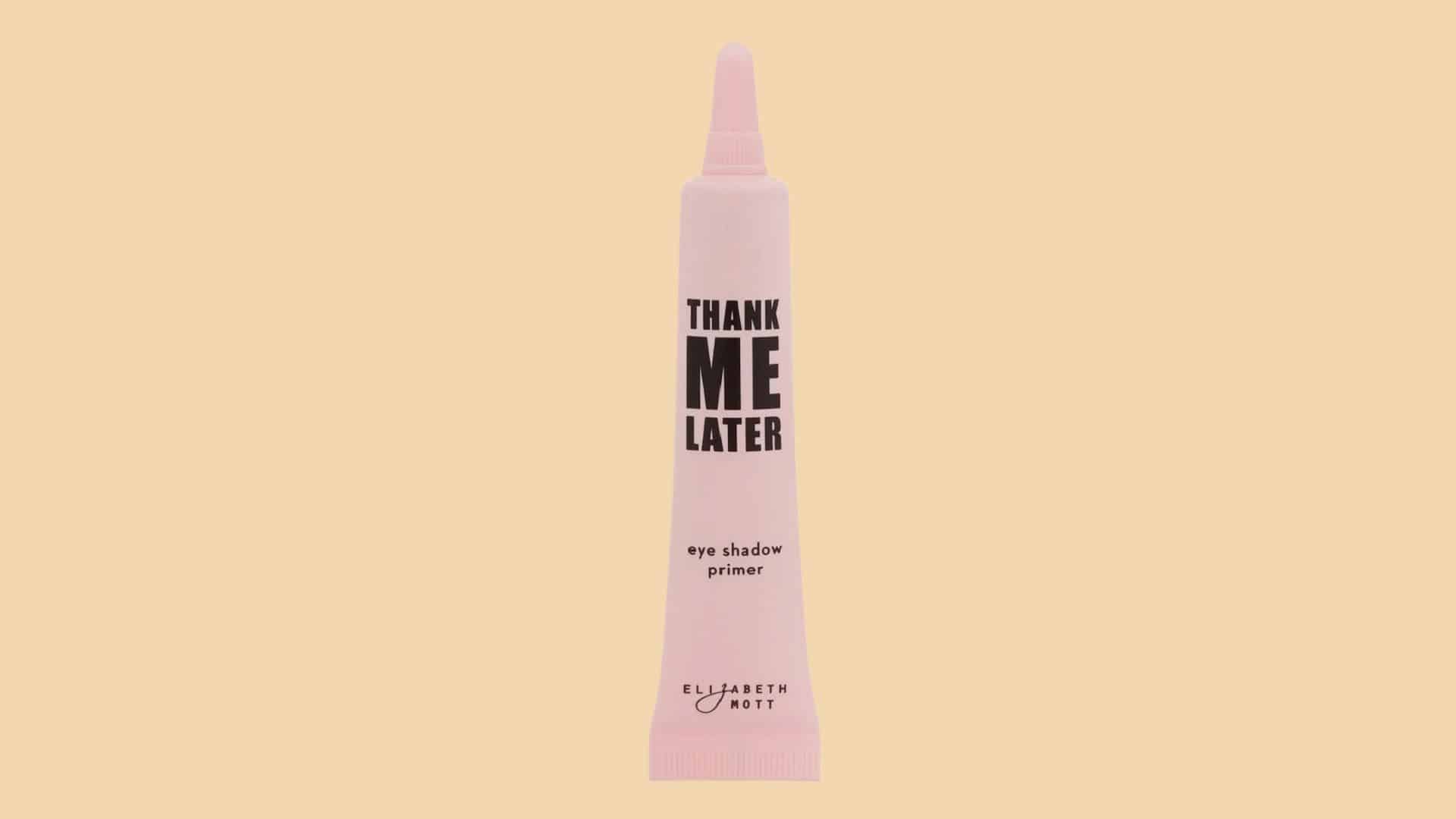
Small brand, big results. Elizabeth Mott surprised me with how well it controlled oil despite its lower price point.
- Best for: Combination or oily lids on a budget
- Key features: Mattifying, affordable, lightweight formula
- Price range: $13-$15
- Why I recommend it: It outperformed a few pricier primers during my midday oil check.
10. About-Face Smoothing Shadow Fix
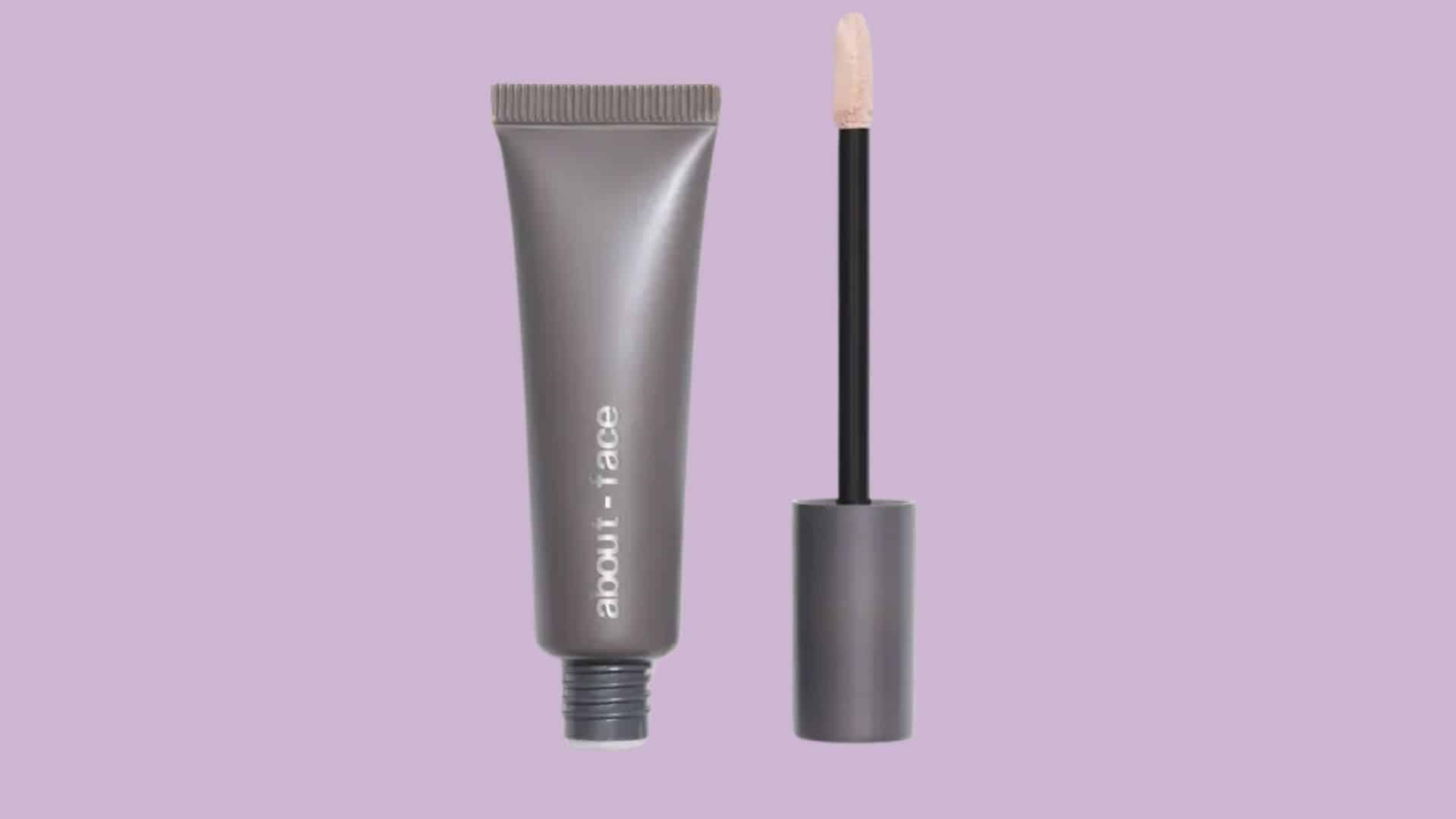
Smoothing Shadow Fix focuses on texture first. It smooths out fine lines and uneven patches before the shadow even goes on.
- Best for: Mature skin or textured eyelids
- Key features: Blurring formula, smooths texture, lightweight
- Price range: $15
- Why I recommend it: Shadow applied more evenly, and fine lines were far less noticeable by evening.
11. MAC Pro Longwear Paint Pot
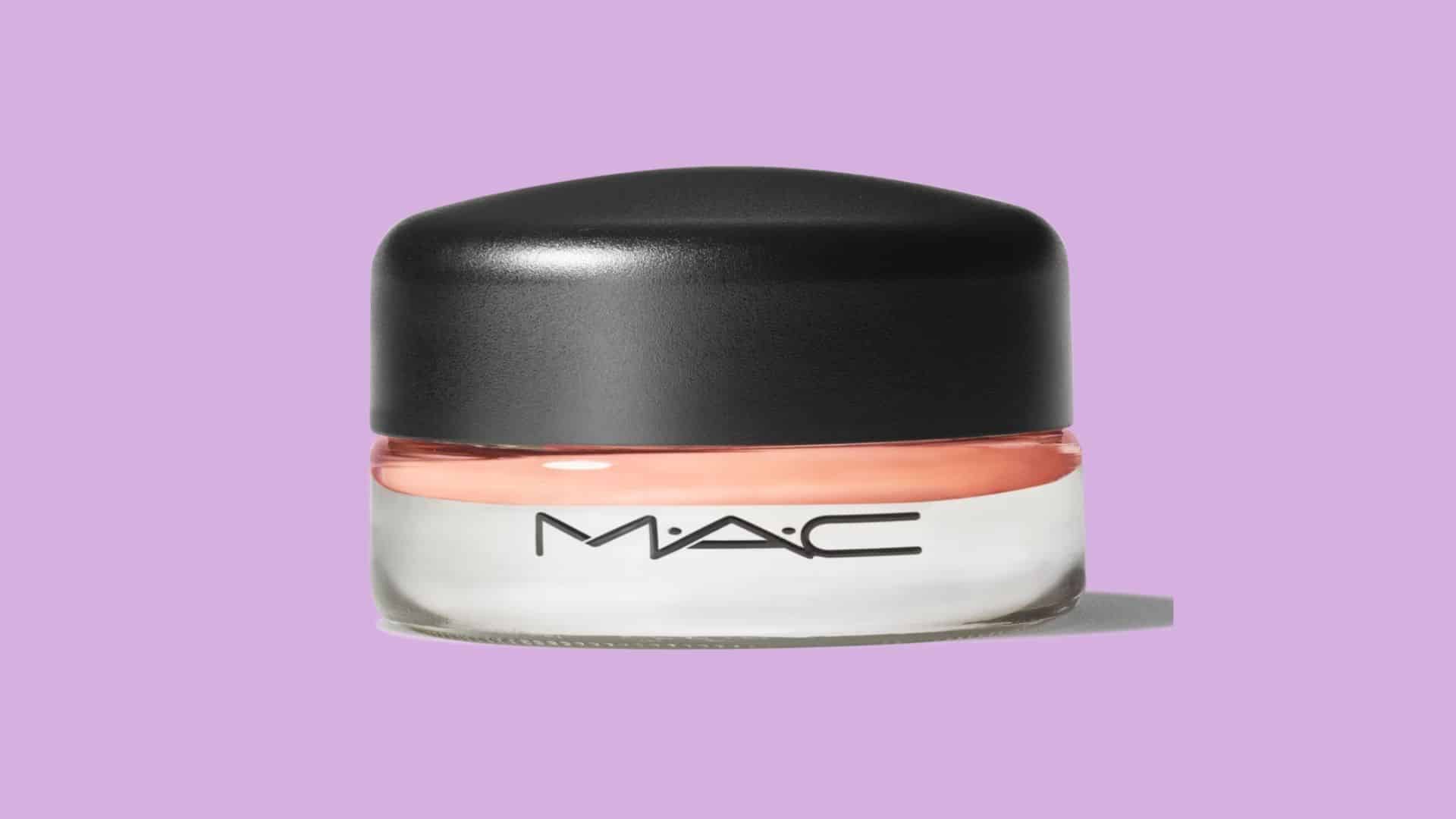
Technically a primer and shadow base in one, MAC Pro Longwear Paint Pot works well under both cream and powder shadows.
- Best for: Layering shadow or wearing as a standalone shade
- Key features: Creamy texture, long-wear, doubles as eyeshadow
- Price range: $23-$25
- Why I recommend it: It held cream shadow in place for hours without settling into creases.
After testing all eleven, it’s clear the right primer depends on your skin type and how long you need it to last. Pick based on your lids, and the rest falls into place.
Disclaimer: Prices listed are accurate as of publish date and may change based on retailer promotions, location, or product updates. Check the linked brand or retailer page for current pricing before purchasing.
Best Eye Primer Based on Your Eyelid Type
Not every lid behaves the same way, and that’s exactly why the best eyeshadow primer for one person won’t work for everyone.
| Eyelid Type | Best Primer | Why It Works |
|---|---|---|
| Oily lids | Urban Decay Eyeshadow Primer Potion | Controls oil for hours without breaking down |
| Dry or sensitive lids | Milk Makeup Hydro Grip Eye Primer | Hydrates while still gripping the shadow in place |
| Mature or textured lids | About-Face Smoothing Shadow Fix | Blurs fine lines and smooths uneven texture |
| Combination lids | Elizabeth Mott Thank Me Later | Balances oil control without drying out skin |
| Normal lids | NARS Pro-Prime Smudge Proof Base | Blends easily and holds up through daily wear |
| Budget-conscious shoppers | Milani Eyeshadow Primer | Performs well despite its low price tag |
Match your lid type to the formula, and the shadow stays where you put it. That small change makes a bigger difference than most people expect.
How to Apply Eye Primer Correctly
Applying primer wrong can cancel out even the best formula. A few small steps make all the difference between a shadow that lasts and a shadow that fades by noon.
- Start with clean lids: Remove any leftover oil or moisturizer before applying primer, so the lids have a clean surface to grip.
- Use a small amount: A tiny dot works better than a thick layer, since too much product can cause creasing.
- Blend with fingertips: The warmth of your fingers helps the primer melt into the lid evenly and prevents product buildup.
- Cover the entire lid: Don’t skip the inner or outer corners, as shadow tends to fade fastest in those spots.
- Let it set: Wait a few seconds before applying shadow, so the primer has time to lock into place.
- Avoid rubbing: Pat rather than rub during blending, since rubbing can pull the product away from the lid.
Get the application right, and everything after it works better. Shadow blends smoother, lasts longer, and looks sharper by the end of the day.
Eye Primer vs Concealer
People often reach for concealer as a primer substitute, but the two serve different purposes.
Understanding the gap between them can save your shadow from sliding off by afternoon, and it also explains why the same under-eye concealers you use to cover circles won’t do a primer’s job on the lid.
| Factor | Eye Primer | Concealer |
|---|---|---|
| Purpose | Grips shadow and extends wear time | Covers discoloration and dark circles |
| Texture | Lightweight and often matte | Thicker with more coverage |
| Oil control | Built to fight oil for hours | Limited oil control, fades faster |
| Creasing | Formulated to prevent creasing | Prone to settling into fine lines |
| Best use | Under eyeshadow for longevity | Under the eyes or on blemishes |
| Can they overlap? | Sometimes, but not ideal alone | Works better paired with primer |
Both products matter, but they aren’t interchangeable. Pair them together, and your eye makeup holds up far better than relying on just one.
How Long Does Eye Primer Last?
Most eye primers last about a year once opened, though the exact lifespan depends on the formula and storage conditions.
The FDA doesn’t set a fixed shelf life for cosmetics; usable life depends on product type, use, and storage conditions, with manufacturers setting their own guidance.
Water-based primers break down faster than silicone-based ones. Heat and sunlight speed up the process, so a cool, dry spot helps extend shelf life.
Texture is the clearest warning sign. If the formula turns clumpy, separates, or smells off, it’s time to toss it.
An old primer can lead to patchy wear and irritation, which defeats its purpose. Checking the batch code on the packaging gives a clearer idea of a product’s actual age.
Fresh primer performs better. A quick check every few months keeps your makeup bag in good shape and saves money down the road.
Common Eye Primer Mistakes
Even a great primer can fail if it’s applied the wrong way. A few small missteps are usually behind most creasing and fading complaints.
- Skipping it on oily days: Leaving primer out because lids feel oily actually makes creasing worse, not better.
- Applying too much product: A thick layer takes longer to set and often creases faster than a thin one.
- Using expired primer: Old formulas separate or turn patchy, leading to uneven shadow application.
- Not letting it set: Rushing straight to shadow before primer settles causes it to shift and smudge.
- Choosing the wrong formula: Picking a hydrating primer for oily lids, or vice versa, often backfires by midday.
- Ignoring the eyelid crease: Missing that area means shadow tends to fold and settle within hours.
Small fixes like these can turn a frustrating routine into one that actually works. Getting the basics right makes a bigger difference than constantly switching products.
Final Thoughts
After testing different formulas, I realized there is no single winner for everyone.
The best eye primer depends on what your eyelids need, from controlling oil to adding comfort and helping shadows look their best.
Some picks impressed with all-day wear, while others stood out for their affordability and ease of application.
The right choice can make your makeup routine smoother and more reliable without adding extra effort.
Pick the formula that fits your style, and tell us which eye primer earns a permanent spot in your makeup bag.
Frequently Asked Questions
What Ingredients Should Sensitive Eyes Avoid in Eye Primer?
Avoid high alcohol content and heavy fragrance, since both can irritate thin eyelid skin. Choose fragrance-free, ophthalmologist-tested formulas instead.
Can You Use Eye Primer Without Eyeshadow?
Yes, it evens out lid tone and reduces discoloration on its own, working well as a standalone base.
Can You Use Eye Primer With Setting Spray?
Yes. Primer grips shadow and prevents creasing, while setting spray locks the finished look in place, extending wear through heat and humidity.