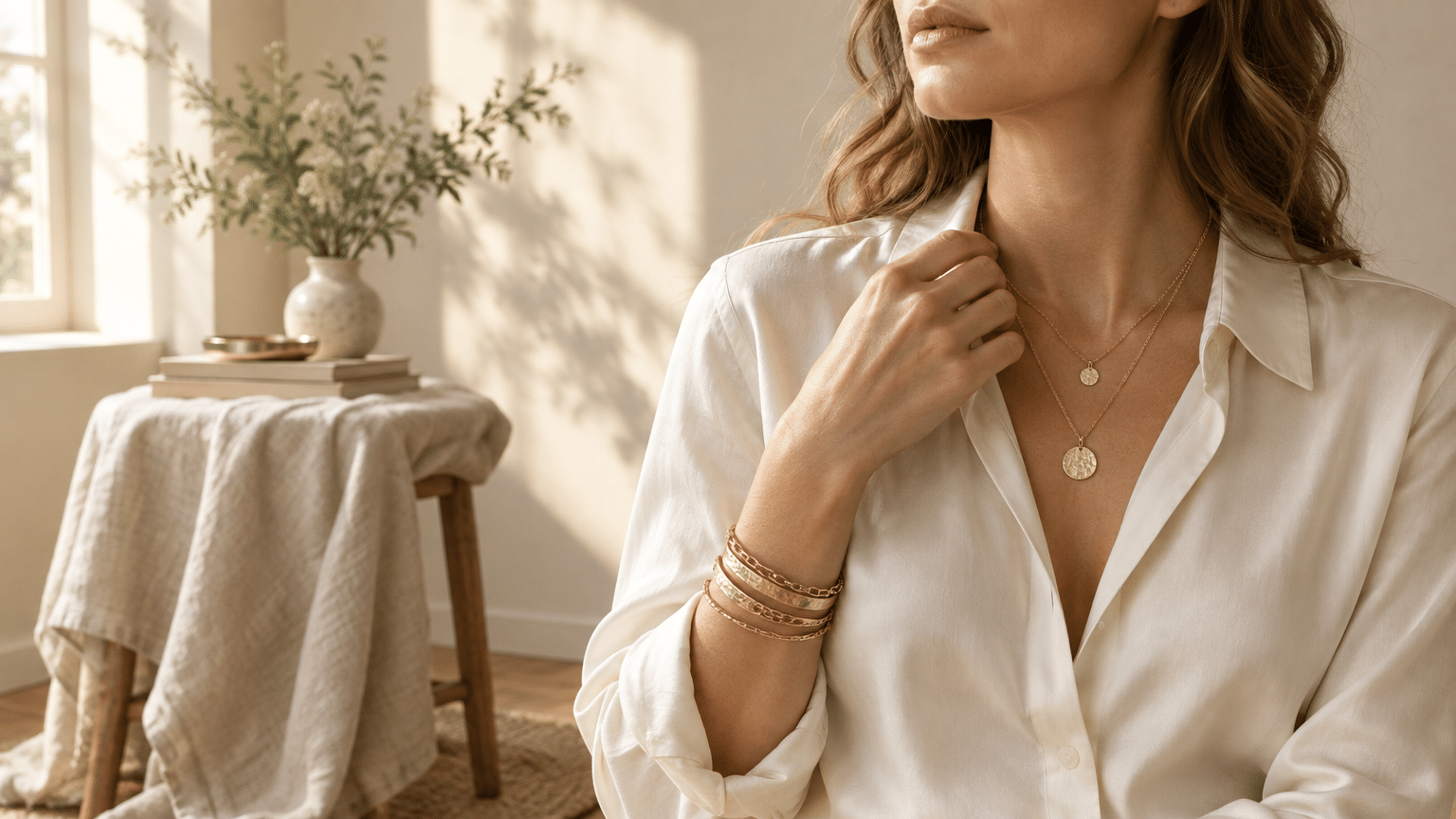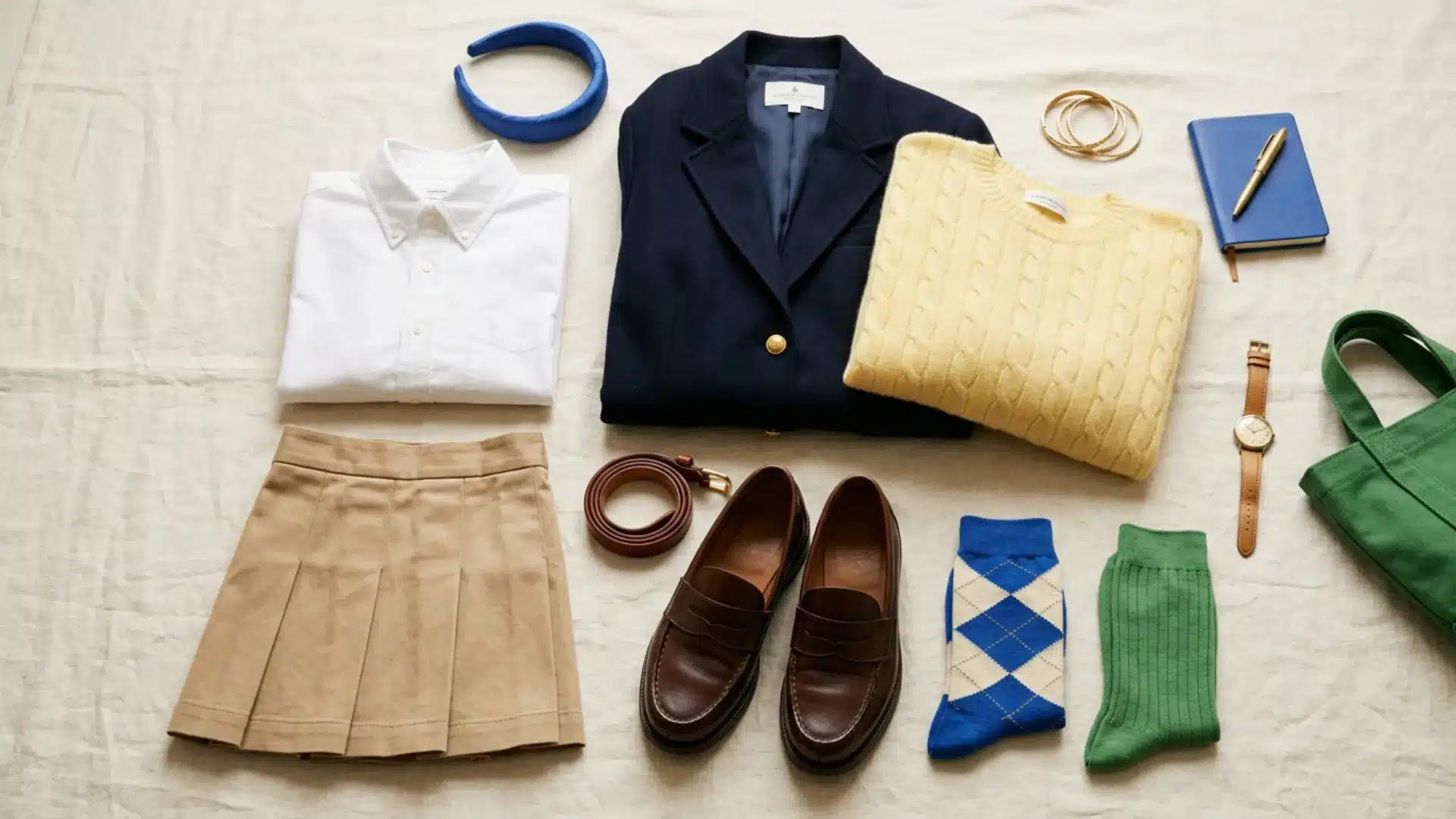
When I think about preppy fashion, I picture a style that feels instantly recognizable: a navy blazer, crisp collar, loafers, and classic layers that never seem to disappear.
What makes it interesting is how the same pieces can look traditional, sporty, or completely modern depending on how they are styled.
Through my work in fashion and styling, I’ve noticed that people often define preppy fashion differently. Some associate it with Ralph Lauren, while others picture tennis skirts, pearls, or old-money aesthetics.
In my styling experience, I’ve found that preppy style is less about a single outfit and more about combining classic pieces, clean details, and versatile layers that work across occasions.
What Does Preppy Actually Mean?
The word preppy comes from “preparatory school,” referring to private schools that prepared students for elite universities. Over time, it moved beyond the classroom and became associated with a polished wardrobe built around classic clothing and a neat appearance.
At its core, preppy style is about neat silhouettes, quality basics, and thoughtful layering. I’ve found this is what clients respond to most: instead of chasing every trend, it relies on pieces that work together across different settings.
Button-down shirts, sweaters, loafers, and blazers form the foundation of the style, creating outfits that feel structured without looking overly formal.
Preppy fashion also carries a lifestyle association tied to tennis clubs, sailing, college campuses, and outdoor traditions.
While its roots remain connected to that image, modern preppy style blends those classic influences with updated trends.
The History and Origins of Preppy Fashion
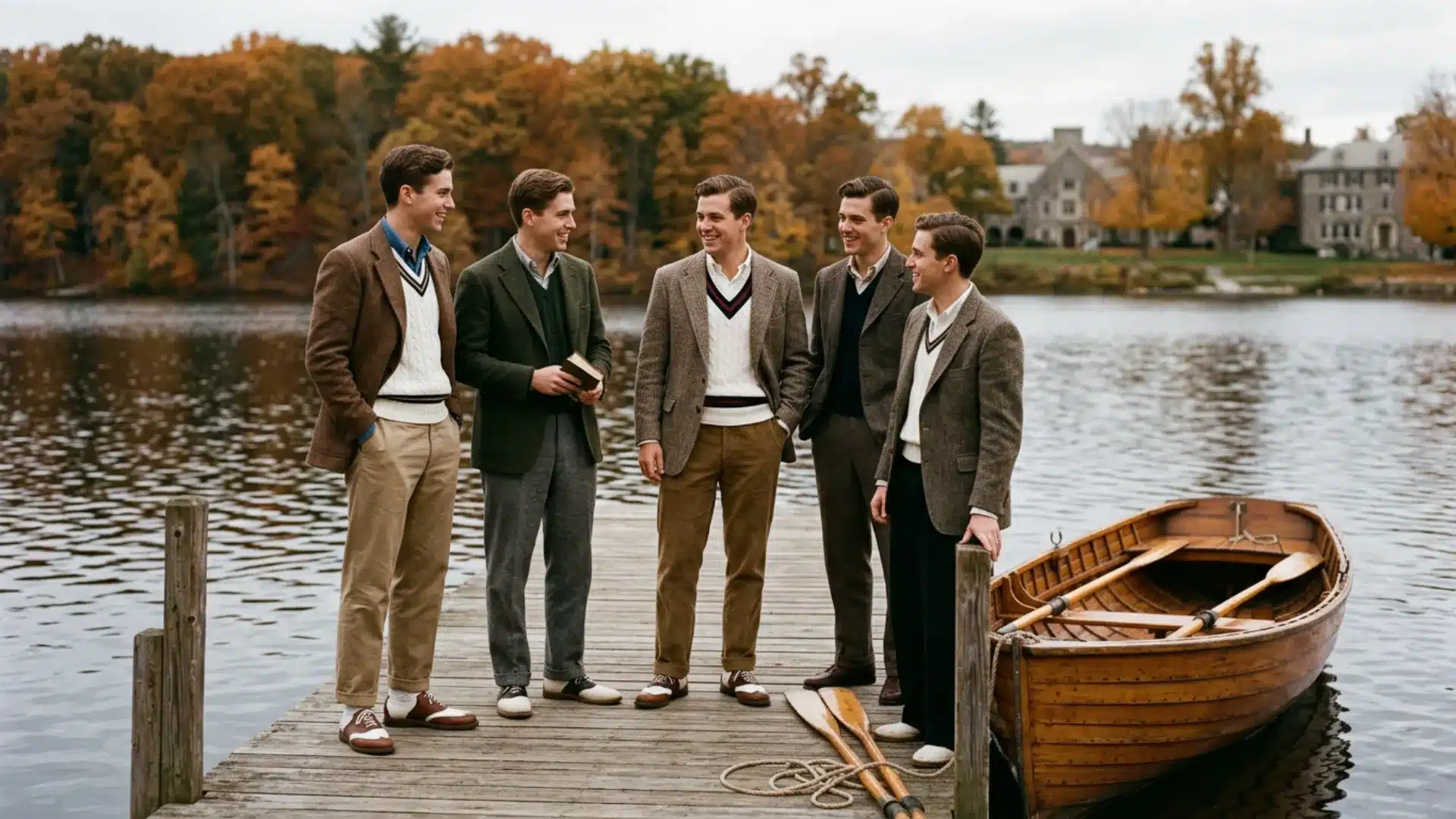
Preppy fashion began as a reflection of campus life rather than a planned trend.
Its roots trace back to northeastern universities in the 1920s and 1930s, where Ivy League students started blending athletic clothing with traditional dressing.
- Ivy League Beginnings: Students borrowed practical pieces from sports like golf and tennis, including tweed jackets, knit sweaters, and casual shirts, then adapted them into everyday campus outfits.
- From Campus to Mainstream: This mix of sportswear and formal clothing became known as the Ivy League look. By the 1950s, it had moved beyond elite universities and influenced everyday American fashion.
- The Rise of Modern Preppy: The term “preppy” gained wider attention in the early 1980s, largely driven by Ralph Lauren’s designs and Lisa Birnbach’s 1980 bestseller The Official Preppy Handbook, which made the look a household name. J. Crew and Vineyard Vines later became major retailers of the style through the 1990s and 2000s, making it more accessible to everyday wardrobes.
- A Lasting Influence: Preppy style continued evolving through the 2000s, bringing back trends like popped collars, sweater layers, and monogrammed accessories while keeping its classic roots.
Ivy style created the foundation, but preppy fashion made it more colorful, relaxed, and accessible for everyday wardrobes.
Preppy vs Old Money vs Ivy Style
These three styles often get mixed together because they share classic pieces and a polished appearance. However, each has a different history, attitude, and style of clothing.
| Style | Main Influence | Key Characteristics | Common Pieces |
|---|---|---|---|
| Preppy Style | Ivy League fashion with a more colorful, casual approach | Polished, playful, and lifestyle-focused with room for personal expression | Blazers, loafers, sweater vests, rugby shirts, chinos, pleated skirts |
| Old Money Style | Wealthy heritage dressing and understated luxury | Quiet, refined, and focused on quality over attention-grabbing details | Linen shirts, cashmere sweaters, tailored trousers, neutral coats, simple accessories |
| Ivy Style | 1920s–1950s American university dressing | Traditional, structured, and rooted in classic campus clothing | Tweed jackets, Oxford shirts, chinos, cardigans, penny loafers |
While Ivy style created the foundation, preppy fashion expanded it with brighter colors, casual layers, and a broader lifestyle appeal.
Old money style overlaps with preppy but focuses more on subtle luxury and minimal branding.
The Pieces and Colors That Define Preppy Fashion
Preppy fashion is built around classic pieces, clean fits, and timeless details rather than one specific outfit. Many of these staples also work well for creating a capsule wardrobe, since items like blazers, sweaters, and loafers can be styled in multiple ways.
The style often includes tailored blazers, Oxford shirts, chinos, pleated skirts, cable knit sweaters, sweater vests, rugby shirts, loafers, and boat shoes.
These pieces create the structured yet relaxed feel that defines preppy fashion. Accessories usually stay simple, with leather belts, watches, or headbands adding subtle finishing touches.
Color is equally important, with navy, white, beige, and khaki tones forming the base, while shades like green, red, yellow, and soft pastels add personality. Stripes, plaid, argyle, and madras patterns are also common when balanced with solid pieces.
The sporty influence is what separates preppy style from other classic looks. It blends polished clothing with elements inspired by tennis, sailing, and outdoor traditions, creating a style that feels both refined and approachable.
How to Wear Preppy Style Today

Modern preppy style is less about following strict rules and more about adding classic elements to your everyday wardrobe. When I put outfits together for clients now, I usually reach for a few key pieces while keeping it personal and easy to wear.
- Start with Simple Staples: Add pieces like button-down shirts, sweater vests, loafers, or tailored trousers to bring in a preppy touch.
- Mix Classic with Casual: Pair blazers, cardigans, or collared shirts with denim, sneakers, or relaxed fits for a more current feel.
- Focus on Balance: Combine clean silhouettes, quality basics, and subtle details without making the outfit feel like a uniform.
Modern preppy works best when classic influences meet personal style, allowing you to play with colors, textures, and accessories while keeping the overall look polished.
Why Preppy Fashion Keeps Coming Back
Most trends fade once they become too familiar, but preppy fashion has remained relevant for decades because it represents more than just clothing. It offers a simple formula for looking polished, with classic pieces that mix and match easily.
The style works because it offers a reliable formula. A few well-chosen pieces can create a complete outfit without depending on fast-moving trends.
Its links to classic sports, campuses, and heritage brands give it a recognizable identity that continues to attract new generations. That is why preppy continues to resonate with modern trends, such as old-money style.
Beyond its image, preppy fashion also has a nostalgic appeal. Sweaters, plaid, loafers, and timeless layers create a familiar sense of comfort in a fast-changing fashion world.
How People Actually Perceive Preppy Style
When I style preppy pieces for clients, I focus on balancing the traditional elements with personal expression so the outfit feels polished without looking like a uniform.
Some appreciate its timeless appeal, while others question its historical associations.
It is also influenced by collegiate and East Coast heritage, which can shape how people interpret its meaning today.
- Polished look: Classic pieces create a neat and confident appearance.
- Old associations: Its roots can make it feel traditional or exclusive.
- Modern approach: New styling mixes preppy with casual and streetwear influences.
This shift has helped preppy move away from being seen only as a dress code and turned it into a broader personal style.
Preppy Style: What Is Actually Different Today
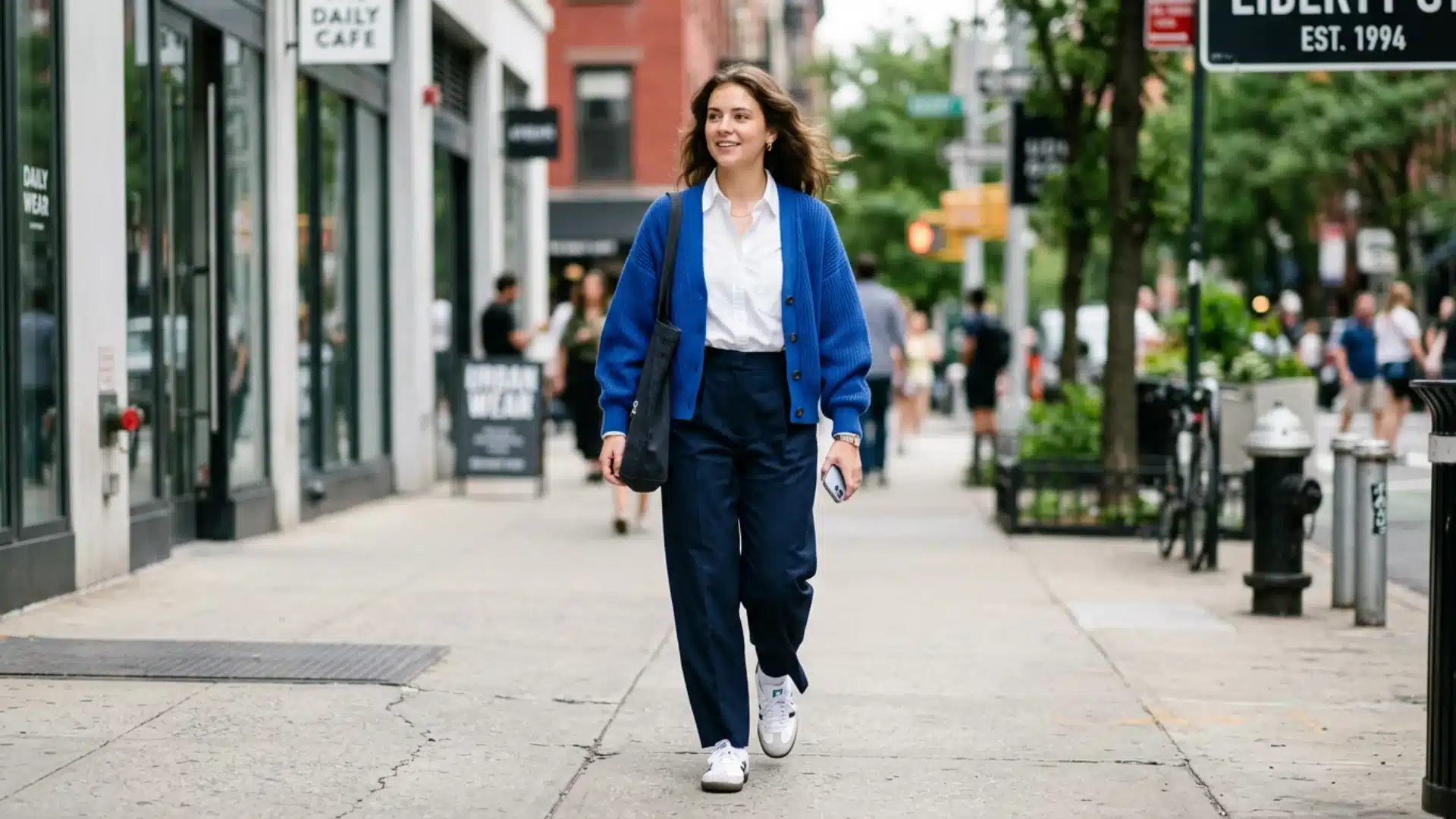
Preppy style is experiencing a strong resurgence, but it looks very different from the polished, rule-heavy version many people remember.
Today’s interpretation keeps the classic foundation while embracing comfort, individuality, and modern styling. One of the biggest shifts is the more relaxed approach.
Instead of stiff blazers and perfectly coordinated outfits, people are opting for softer layers, oversized shirts, relaxed cardigans, and sporty pieces like rugby tops and tennis skirts paired with tailored items. The overall look feels more effortless and less rigid.
Color palettes have also evolved beyond traditional navy, white, and beige. Contemporary preppy style incorporates shades like cobalt blue, green, and soft pastels, often balanced with neutral tones.
Rather than aiming for a uniform appearance, the focus is now on blending classic preppy elements into a personal, expressive wardrobe.
Like many clothing aesthetics, modern preppy style has become less about strict rules and more about personal interpretation.
Is Preppy Style Right for You?
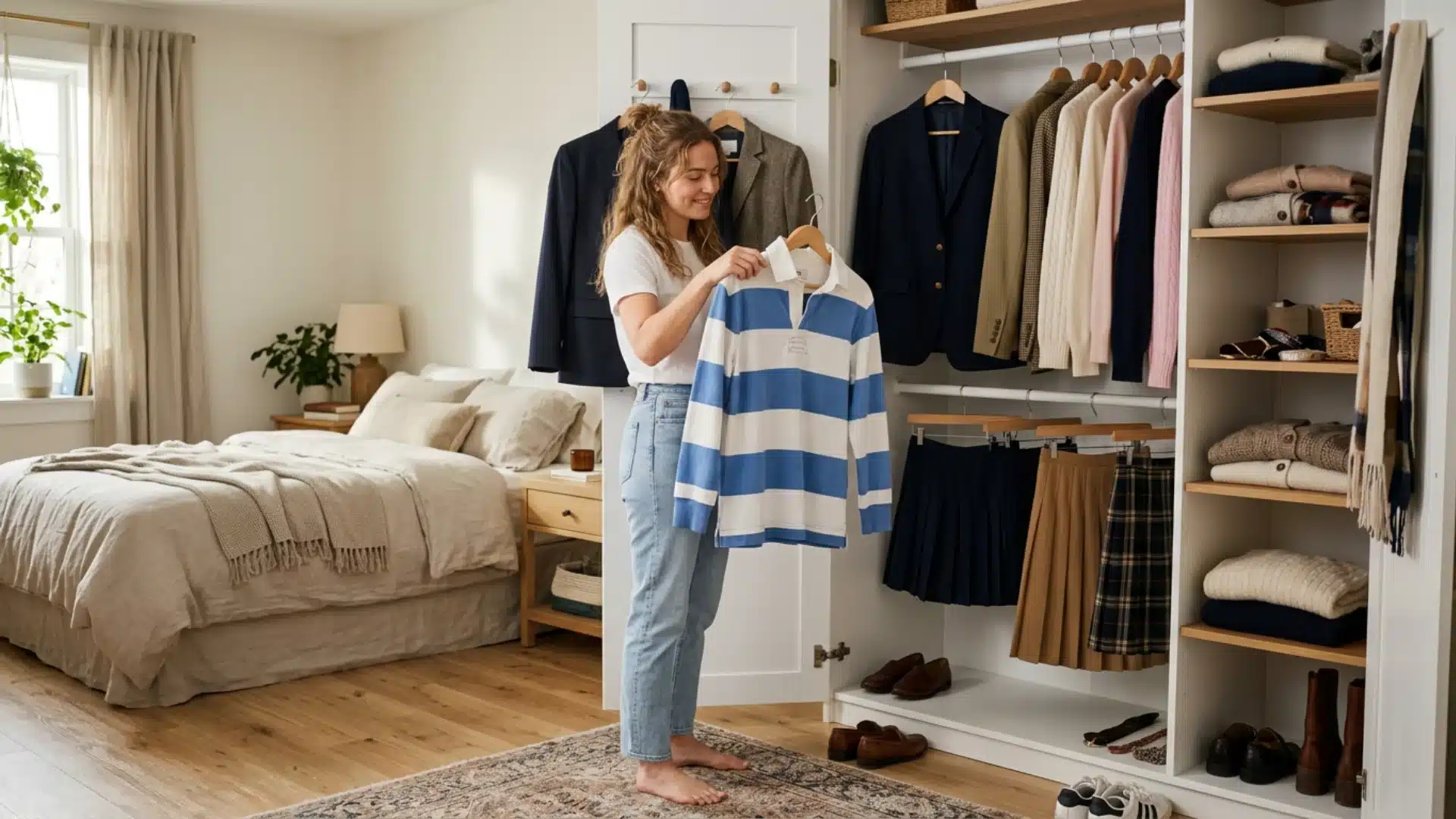
Preppy style does not require a complete wardrobe change. You can start with a few classic pieces and build from there.
- Start small: Add pieces like an Oxford shirt, sweater, or loafers before changing your whole wardrobe.
- Mix styles: Pair preppy staples with casual pieces to make the look feel more personal.
- Focus on fit: The right shape and styling matter more than expensive labels.
Preppy works best for anyone who enjoys clean silhouettes, classic details, and outfits that feel put together without following every trend.
Takeaway
After years of working with fashion collections and helping clients build versatile wardrobes, I believe preppy fashion’s biggest strength is how easily it adapts without losing its identity.
The style has moved from Ivy League campuses to modern wardrobes by keeping its strongest elements: structure, comfort, and versatility.
You do not need a complete preppy wardrobe to try it. A simple sweater, loafers, or button-down shirt can add that polished feel while still matching your personal style.
What makes preppy fashion stand out in 2026 is that it is no longer about following strict rules. It is about taking familiar pieces and making them feel like your own.
Frequently Asked Questions
Is Preppy Style the Same as Old Money Style?
No. Preppy style is more playful and campus-inspired, while old money style focuses on quiet luxury and understated elegance.
Is Preppy Fashion Still Popular in 2026?
Yes. Preppy remains a major trend in 2026, with a more relaxed, colorful, and modern approach than previous versions.
What is the Difference Between Preppy and Ivy Style?
Ivy style came first and focused on traditional campus clothing. Preppy later added brighter colors, casual pieces, and a broader fashion influence.
Do You Need Expensive Clothes to Dress Preppy?
No. Preppy style depends more on classic pieces, good fit, and clean styling than designer labels.