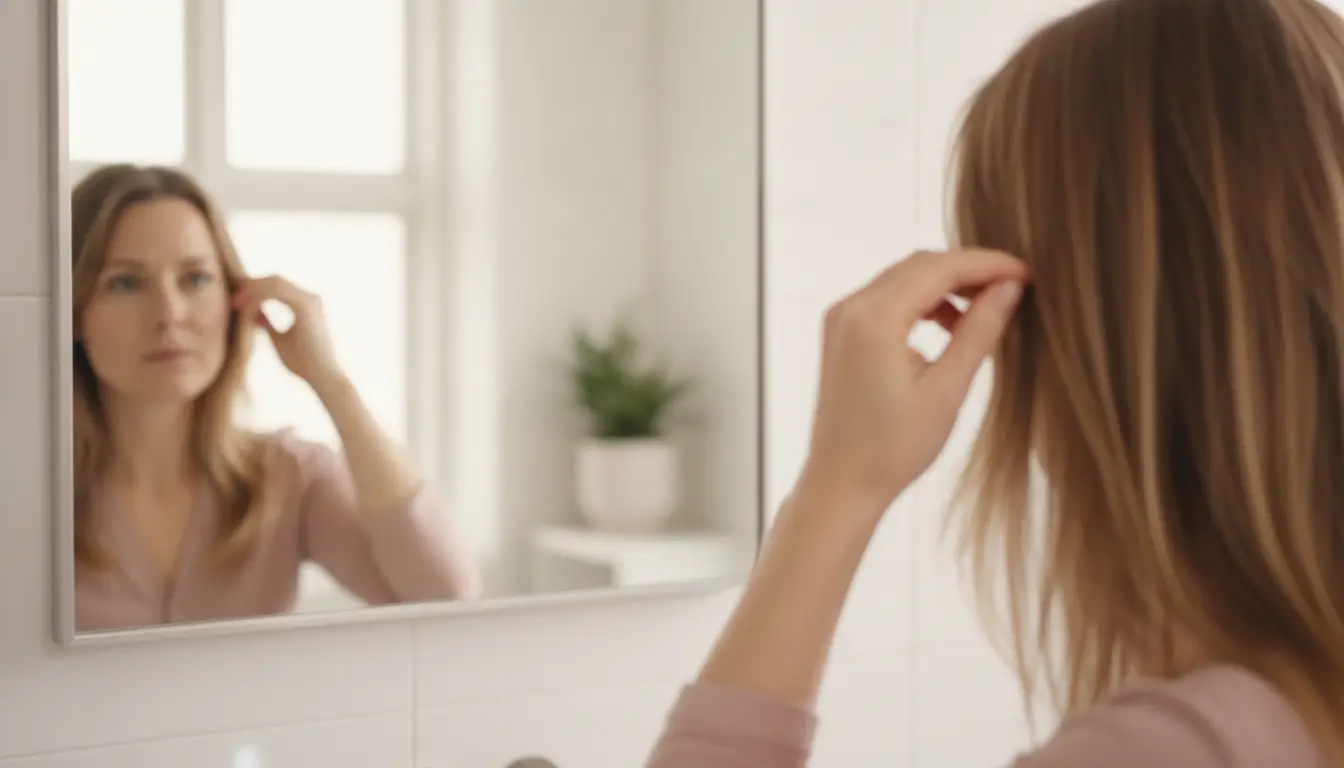
Alopecia in women can come from genetics, hormones, autoimmune activity, stress, nutrition gaps, illness, medications, or repeated tension on the scalp. The cause matters because each one needs a different plan. Some shedding improves when the trigger is corrected. Other cases need long-term medical care to protect existing follicles and support growth.
Many women first notice a wider part, more shedding in the shower, or thinning around the crown. Others see sudden round patches. These patterns can point to different diagnoses, so guessing is not enough. A dermatologist can check the scalp, review symptoms, order blood tests, and recommend the right next step.
Key Takeaways
Alopecia in women has many causes, and the pattern often gives useful clues. Gradual thinning may point to genetics or hormones. Sudden shedding may follow stress, illness, childbirth, or nutritional changes. A single bald area may suggest autoimmune activity.
The best next step is a proper diagnosis. Once the cause is clear, treatment can focus on protecting existing follicles, correcting triggers, and improving density where possible. Different forms of hair loss need different care, and women can experience different degrees of hair loss at different stages of life.
The Main Causes of Female Alopecia
The most common alopecia female causes include inherited thinning, autoimmune hair loss, hormonal shifts, postpartum changes, stress, low iron, vitamin deficiencies, thyroid problems, and styling damage. Each cause affects the follicle in a different way.
Inherited thinning usually develops slowly. Stress-related shedding can appear a few months after an illness, surgery, crash diet, childbirth, or emotional strain. Autoimmune alopecia can appear faster and may create smooth patches. Traction-related damage often appears along the hairline or areas pulled tightly by hairstyles.
A helpful article should explain these differences clearly because readers often want to know whether their shedding is temporary, progressive, or urgent. This is also where Dr. Antonio Aguilar’s approach to female hair restoration in Mexico becomes relevant for readers comparing medical evaluation, long-term planning, and restoration options.
Genetic and Hormonal Hair Thinning
One of the most common female alopecia causes is inherited thinning. This condition can run in families and often becomes more visible with age. It usually does not create total baldness. Instead, it causes gradual thinning over the top of the scalp or widening of the part.
female pattern hair loss often relates to follicle sensitivity to androgens. These hormones can shrink follicles over time, making strands thinner and shorter. This process differs from male pattern baldness, which usually creates a receding hairline or crown loss in men.
female pattern baldness may become more visible after menopause because estrogen changes can affect the growth cycle. Some women also notice thinning with PCOS, hormone shifts, or changes in birth control.
Common signs include:
- A wider center part
- Less volume at the crown
- Thinner ponytail density
- Gradual shedding over months or years
This pattern usually benefits from early care. The goal is to slow miniaturization, protect active follicles, and improve density where possible.
Alopecia Areata and Autoimmune Triggers
Many readers ask what causes alopecia areata in women because this condition can appear suddenly. Alopecia areata happens when the immune system attacks hair follicles. The follicles are not usually destroyed, but they can stop producing visible strands for a period of time.
The causes of alopecia areata in women can include genetic tendency, autoimmune background, stress, infections, or other triggers that affect immune behavior. It may appear as one bald patch or several smooth round areas. Some cases affect eyebrows, eyelashes, or larger scalp areas.
Unlike inherited thinning, alopecia areata often has sharper borders. The scalp may look normal, without scaling or scarring. Some people recover growth in the affected area, while others have repeated episodes.
This is another point where Dr. Antonio Aguilar’s approach to female hair restoration in Mexico can help readers understand why correct diagnosis should come before choosing cosmetic or surgical options.
Stress, Illness, and Shedding
Not every type of shedding means permanent alopecia. Telogen effluvium is a common type of hair loss that occurs when many follicles enter the resting phase at the same time. This can happen after fever, childbirth, surgery, emotional stress, rapid weight loss, restrictive diets, or major illness.
The shedding usually starts two to three months after the trigger. It may feel sudden because large amounts of hair come out during brushing or washing. In many cases, the follicle remains alive and can produce new hair once the body recovers.
Triggers to review include:
- Recent illness or high fever
- Childbirth or pregnancy changes
- Crash dieting or low protein intake
- Major emotional stress
- New medications or dosage changes
- Iron, vitamin D, or zinc deficiency
This form often improves with time, but a doctor should still check for hidden causes if shedding lasts more than six months.
Medical and Nutritional Causes

Several internal issues can cause noticeable hair loss. Low iron stores, vitamin D deficiency, low protein intake, and thyroid disease can interrupt the growth cycle. Some medications may also increase shedding.
A medical condition such as PCOS can contribute to thinning because it may raise androgen activity. Autoimmune disorders, anemia, and inflammatory scalp disease may also affect growth. This is why bloodwork can be useful when the cause is not clear.
women’s alopecia can also worsen when several triggers overlap. For example, a woman may have inherited thinning plus low iron after heavy periods. Another may have postpartum shedding plus a thyroid imbalance. Treating only one factor may not solve the full problem.
A dermatologist may ask about:
- Family history
- Menstrual changes
- Pregnancy or recent birth
- Diet and weight changes
- Medications
- Scalp itching, scaling, or pain
These details help connect symptoms with the likely cause.
Styling Damage and Traction Alopecia
Some forms of hair loss come from repeated tension, heat, or chemical damage. Tight ponytails, braids, extensions, wigs, and harsh styling can pull on follicles. Over time, this can create thinning around the temples, edges, or areas under tension.
Early traction alopecia may improve if the pulling stops. Long-term tension can scar the follicle and reduce the chance of recovery. A practical step is to change hairstyles before the scalp becomes tender or the hairline starts to recede.
Heat tools and chemical treatments can also break strands. Breakage is not always true alopecia, but it can make the hair look thinner. Short broken pieces, split ends, and uneven length often point to shaft damage rather than follicle loss.
Common Types Compared
CauseTypical patternInherited thinningGradual crown thinning or wider partAlopecia areataRound patches with smooth skinTelogen effluviumDiffuse shedding after stress or illnessTraction alopeciaThinning along pulled areasNutritional deficiencyDiffuse shedding with low nutrient markersHormonal imbalanceThinning with acne, irregular cycles, or PCOS signs
This table helps separate patterns, but it does not replace a diagnosis. Some patients have more than one problem at the same time, which can change the treatment plan.
When to See a Dermatologist
See a dermatologist if shedding starts suddenly, lasts more than a few months, creates bald spots, or comes with scalp pain, redness, itching, scaling, or tenderness. You should also seek care if you see a clear pattern of hair loss, thinning after a medication change, or rapid density loss.
A visit may include a scalp exam, pull test, dermoscopy, blood tests, or biopsy. These tools help distinguish shedding, genetic thinning, autoimmune activity, inflammation, and scarring alopecia.
The earlier the cause is found, the easier it is to protect active follicles. Waiting too long can make some conditions harder to reverse, especially scarring or tension-related loss.
Treatment Options for Women
The right hair loss treatment depends on the cause. Minoxidil may help inherited thinning. Steroid injections may help alopecia areata. Nutritional correction may help deficiency-related shedding. Hormonal treatment may help some PCOS-related cases. PRP, microneedling, and laser-based options may be considered in selected patients.
Doctors may also recommend changes in hair care, stress management, nutrition, and medication review. The goal is not only hair regrowth. It is also to stop avoidable damage and support the follicles that remain active.
To treat hair loss well, start with the cause. A treatment that helps one diagnosis may do little for another.