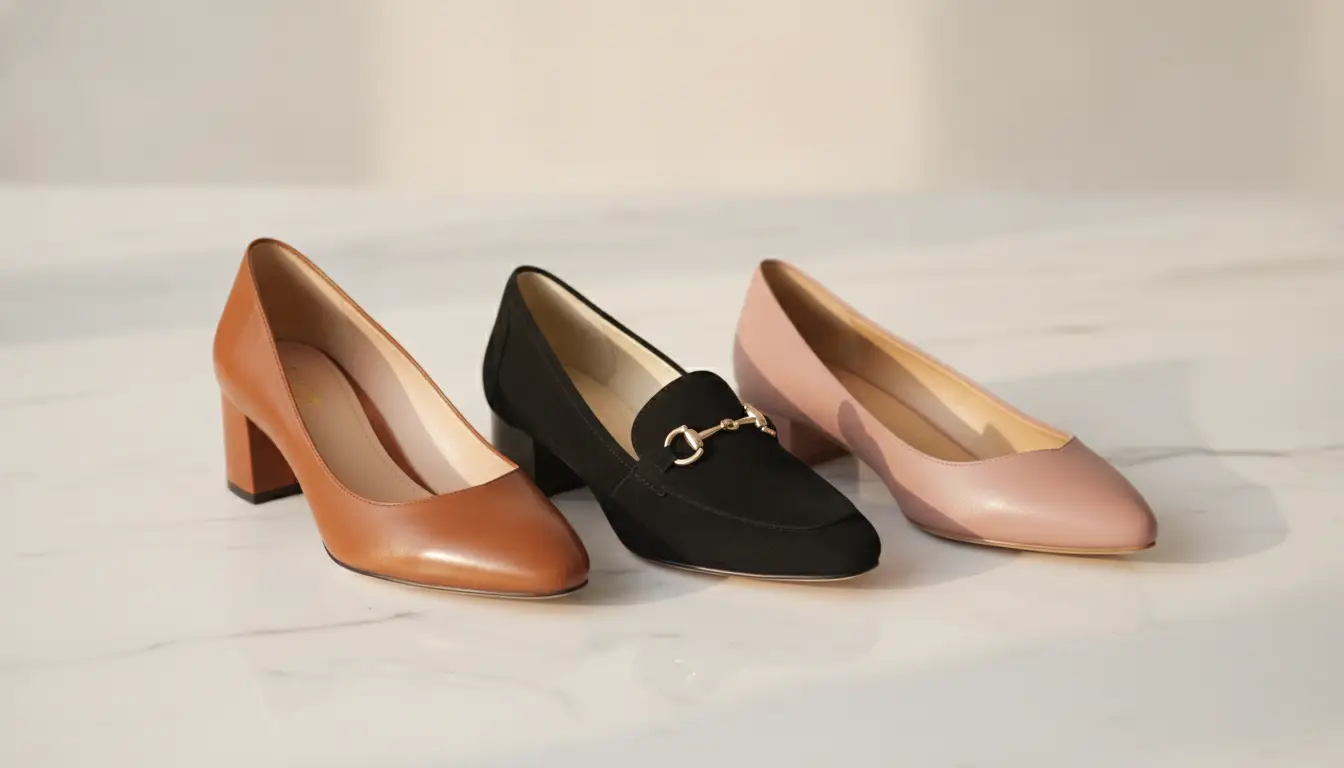
For too long, women have believed being comfortable was a luxury they paid for being stylish. You may know the feeling – that beautiful set of heels, the stylish flat pair you bought to wear all day. But by midday, you are in pain. While it may seem frustrating, the good news is now you don’t have to. There are indeed comfortable dress shoes for women designed with intelligent technology and materials. This guide helps you learn how to recognize shoes that are safe and healthy for you to use while also being stylish and trendy.
What ‘Comfort’ Truly Means in a Dress Shoe
Beyond the hype, the word ‘comfort’ in a dress shoe means more than just a cushy insole. This is planned, designed science that is backed by biomechanics and material science. We have a definition backed by objective podiatrist-approved criteria that ensures all-day comfort and not merely the illusion of comfort in-store.
The Three Pillars: Support, Cushioning, and Fit
Consider a comfortable dress shoe as a finely tuned instrument for your feet. The support serves as the skeleton of the shoes. It will also help keep the shoe’s shape and allow your foot to fall through in its natural position. The cushioning, which is the mattress of your shoe, helps absorb impact from the ground. It helps reduce the intense stress on your joints. The fit refers to how well the shoe envelopes your foot, neither restricting nor slipping, and allowing you to move naturally and without friction.
The Idea of Breaking In a Shoe Is a Comfort Myth
If you have ever been told, “Oh, they just need to be broken in” regarding a shoe you tried that didn’t feel great straight away, think again! A shoe that is well designed and fits you well should always feel good from the moment you step into it. If you experience mild stiffness, especially with quality leather, your shoe might loosen up after a while. But if you feel genuine pain, it is a serious warning sign. Such pain reveals you have a fundamental design fault or incorrect fit that will not resolve itself. There’s no reason you should suffer for style.
Characteristics of Comfortable Shoes You Must Look For
Knowing what makes a shoe supportive changes how you shop. Use this checklist to ensure your dress footwear provides foot support.
A Supportive Shank: The Unsung Hero of Arch Support
The shank is situated inside the shoe between the insole and the outsole. The shoe’s structure is supported by this rigid piece of composite material or metal. It stops the middle of the shoe from bending, so it supports the arch while distributing pressure. To check for a good shank, take the shoe at each end and try to twist it in half. A good shoe will bend at the ball of the foot only, the area where your toes move, and not in the arch’s middle.
The Toe Box: Why Having Wiggle Room Matters
Many people sacrifice toe space for a sleek look. The shoe’s toe box is its cover that wraps up and protects your toes. Your toes should be able to wiggle freely and spread naturally without constrictions. A cramped toe box can lead to:
- Bunions
- Hammertoes
- Nail fungus
- Nerve entrapment
Look for a rounded or anatomical toe box that will allow your toes room to splay instead of a tightly pointed one.
Strategic Cushioning Can Be Incorporated From Heel to Toe
Not all cushioning possesses the same qualities. Dress shoes of premium quality cleverly embed cushioning materials like Poron and OrthoLite or memory foam that provide resilient shock absorption without excess bulk. The heel and the ball of the foot are the two areas struck here. And, therefore, that padding should extend from heel to ball.
Resilient Outsoles With Flexibility
The outsole is the part of the shoe that makes contact with the ground. It plays an important role in traction, stability, and flexibility. Choosing materials like rubber, thermoplastic polyurethane (TPU), or a mix of both is better than hard leather or plastic. They adjust to how your foot naturally moves, absorb shock, and give dependable grip on many surfaces.
Material Science: Choosing Fabrics That Marry Style and Support
It is essential to select breathable materials in your dress shoes that impact their comfort and the way they adapt over time through wear. Check out the insiders’ guide to common options.
Quick Comparison: Key Dress Shoe Materials
|
Feature |
✅ Full-Grain Leather |
⚠️ Suede & Nubuck |
💡 Contemporary Textiles |
|---|---|---|---|
|
Breathability |
High, retains original texture |
Good, soft and velvety |
Excellent, engineered for airflow |
|
Flexibility |
Molds perfectly to foot over time |
High, easier initial wear |
High, built-in stretch, adaptable fit |
|
Durability |
Excellent, water resistant |
Moderate, less resistant to water/stains |
High, steel-like construction |
|
Key Benefit |
Premium quality, forms to foot |
Elegant, stylish statement, soft-touch |
Lightweight, seamless comfort, washable |
The Highest Quality Is Full-Grain Leather
For dress shoes, full-grain leather is the best option. It is the outermost layer of the hide, retaining its original texture and strength. You’ll love how breathable and durable this material is, and the way it molds perfectly to your foot over time. Steer clear of corrected-grain or bonded leather that is not as breathable or resilient.
Suede and Nubuck: An Outstanding Seasonal Option
The first wearing of suede and nubuck is going to be easier than that of polished leather, thanks to their flexibility. The soft, velvety surface of both materials comes from the inner layers of animal hides. Although suede and nubuck are less resistant to water and stains than full-grain leather, some spray-on protective treatment may help keep them looking flawless.
Contemporary Textiles and Knits: High-Tech Innovations
The shoe industry adopts technology. Fabrics and materials that are engineered to give the look and feel of sneakers, with steel-like construction, built-in stretch, and excellent breathability, are some of the characteristics of these fabrics. These fabrics provide a lightweight, adaptable fit, which can be surprisingly sophisticated for professional settings.
A Detailed Guide to Choosing the Right Dress Shoes for Women
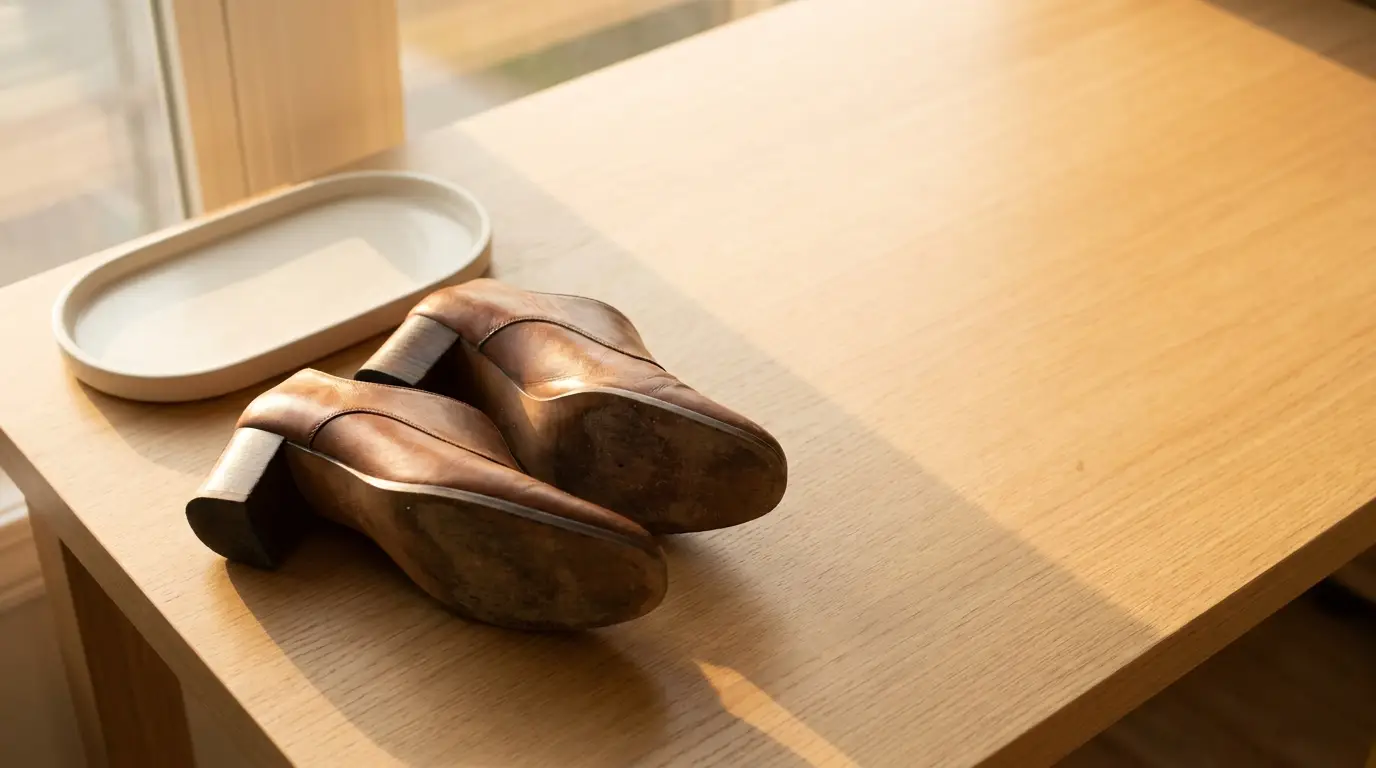
You can have both elegance and comfort without sacrificing. Modern-day offerings make available the finest dress shoes that are comfortable, which helps women easily wear them.
The Modern Block Heel: Stability Meets Sophistication
A block heel will fit your needs if you want a bit of height. The wider base of the block heel provides you with more support as it redistributes your weight more evenly across the heel as well as the ball of the foot. This reduces the pressure that is often seen in stilettos. For optimal comfort and stability, choose block heels that are not more than 2.5 inches. They give you a classy look without the pain of a high heel.
The Wedge: A Multi-Purpose Height Booster and Support
Wedges are heels that offer a heel-to-toe sole for maximum support and stability. With this construction, the arches and balls of your feet are less stressed, making them a great choice for day-long wear. Materials that weigh less, which help with shock absorption, like cork or espadrille in the wedge itself, help with further ease of comfort.
The Elevated Loafer: Timeless Style Meets Modern Technology
Not only for casual occasions, the modern loafer has also evolved. Contemporary designs often merge comfort with style through cushioned insoles, flexible outsoles, and discreet arch support. These loafers have a polished and productive look that are nothing like your grandmother’s loafers, as they feel like your favorite sneakers!
Women’s Dress Flats Have Emerged as Footwear Royalty Like Never Before
For countless professional women, women’s dress flats have become the go-to choice for the right class and utility. They embody a cozy feel without sacrificing a polished and complete appearance.
Not All Flats Are Made Equal
What is the greatest error? Presuming flats offer satisfaction. Cheap ballet flats are very thin and offer no support and no cushioning. They may appear adorable; however, over time, they could contribute to foot pain. Choose flats with the following first:
- A heel lift that is about one-fourth to half an inch to reduce strain on the Achilles tendon.
- A sole that is solid and not bendable, offering true foot support.
- A well-cushioned insole, ideally removable for custom orthotics if needed.
Key Footwear Styles You Must Have: Ballerinas to Oxford
Shoe flats are greatly versatile. The pointed-toe flats create an elongated leg line, while the almond-toe design is a classic option for comfort. To bring a more formal and businesslike appearance, you can also opt for oxfords or derbies. Their sophisticated detailing offers superior coverage and support.
Effortless Sophistication: How to Find Comfortable Women’s Slip-Ons
For a woman on the go, comfortable women’s slip-ons are the definition of convenience and style. They get rid of annoying buckles and laces to make your day effortless.
Importance of the Secure Fit in Slip-Ons
The main challenge you’ll face with slip-on shoes is getting them to stay on your foot without your heel slipping out or using your toes to grip. Seek design features that improve fit:
- Small elastic panels provide stretch and flexibility in hidden elastic goring.
- Well-designed heel cups help hug your heel.
- The shoe part that covers the top of your foot is the vamp, which is higher in a high vamp shoe.
If the vamp is higher, the fit is more secure.
There Are Many Different Types of Loafers
Today, you can find mules, driving moccasins, and other modern slip-on styles on the market. Mules are fashionable but they need to have a contoured footbed so your foot doesn’t slide forward. Smoking slippers are fancy slip-ons, often velvet or decorated, that usually befit dressy wear. The rubber-pebble soles and flexible construction of driving moccasins achieve an easy-going mood that’s smart enough for travel.
The Podiatrist’s Checklist: Everything You Need to Know to Buy and Fit Your Shoes
After learning about the science of comfortable shoes, here’s how you can act on it while in-store. Follow this practical guide rooted in foot health principles to make the right choice.
Timing Is Everything: Shop in the Afternoon
Throughout the day, your feet swell naturally. When you’re shopping for shoes, do it later in the day when your feet are at their largest. There’s one simple tip that can keep you from buying shoes that may feel fine at first but turn painful later.
The Rule of Thumb and Beyond
When testing shoes, perform these concrete tests:
- To ensure proper fit, it is best to leave a thumb’s width of space between the end of your shoe and your longest toe.
- The shoe should feel snug, not tight, at its widest part (the ball of the foot). It should not feel tight or pinched.
- When testing your shoes, be sure to walk on hard surfaces. Be sure to walk around on a hard surface to test the cushioning, traction, and feel. Be conscious of any pinching, rubbing, or pressure points.
Don’t Take Your Size for Granted; Size Ranges for Different Brands
Shoe sizing is not standardized. A size 8 in one brand can feel like a 7.5 in another and like an 8.5 in another. The fit always takes priority over the number on the box. If the shoe doesn’t feel quite right, or fit quite right, do not buy it, just because it’s ‘your size.’ Your feet are unique; care more about the way the shoe feels than what the ticket says.
Women no longer have to sacrifice comfort for style when they can find dressed-up shoes. By emphasizing the right design features, high-quality materials, and a correct fit, you can buy shoes that are fashionable and in which you’re comfortable. Use this guide and the Podiatrist’s Checklist during your next shopping spree. You’ll find that style and comfortable dress shoes for women can, and should, have a beautiful coexistence.
Frequently Asked Questions About Comfortable Dress Shoes for Women
What Makes a Dress Shoe Truly Comfortable?
A truly comfortable dress shoe is designed with biomechanics and material science in mind, focusing on three key pillars: support, cushioning, and fit. It should provide proper arch support via a supportive shank, ample toe box room for natural toe splay, and strategic cushioning from heel to ball of the foot. Quality materials and a flexible outsole also contribute significantly to overall comfort.
Are Comfortable Dress Shoes More Expensive?
While some comfortable dress shoes may have a higher initial price point due to advanced design and premium materials like full-grain leather or specialized cushioning, they often offer better durability and long-term foot health benefits. Investing in quality comfortable shoes can prevent pain and the need for multiple cheaper, less supportive pairs, offering better value over time.
How Long Should Comfortable Dress Shoes Last?
The lifespan of comfortable dress shoes depends on their quality, materials, and frequency of wear. High-quality shoes with supportive shanks, durable outsoles, and premium leathers can last several years with proper care. Regular rotation with other shoes and appropriate maintenance, such as cleaning and conditioning, can significantly extend their life.
Is It True That Dress Shoes Need to Be “Broken In”?
No, the idea that dress shoes need to be “broken in” is largely a myth. A well-designed and properly fitting shoe should feel comfortable from the moment you try it on. While quality leather might soften slightly with wear, genuine pain or discomfort indicates a fundamental design flaw or incorrect fit that will not resolve itself over time.
How Can I Tell if a Dress Shoe Fits Correctly?
To ensure a correct fit, shop for shoes in the afternoon when your feet are at their largest. There should be a thumb’s width of space between the end of your shoe and your longest toe. The shoe should feel snug, not tight or pinched, at the widest part of your foot. Always walk on a hard surface to test for cushioning, traction, and any pressure points before purchasing.
What Are the Benefits of Wearing Truly Comfortable Dress Shoes?
Wearing truly comfortable dress shoes offers numerous benefits beyond just avoiding pain. It promotes better foot health, reduces stress on joints, and can improve posture and overall well-being. Comfortable shoes allow you to move naturally and confidently throughout your day, enhancing productivity and ensuring you can maintain a stylish appearance without sacrificing comfort.