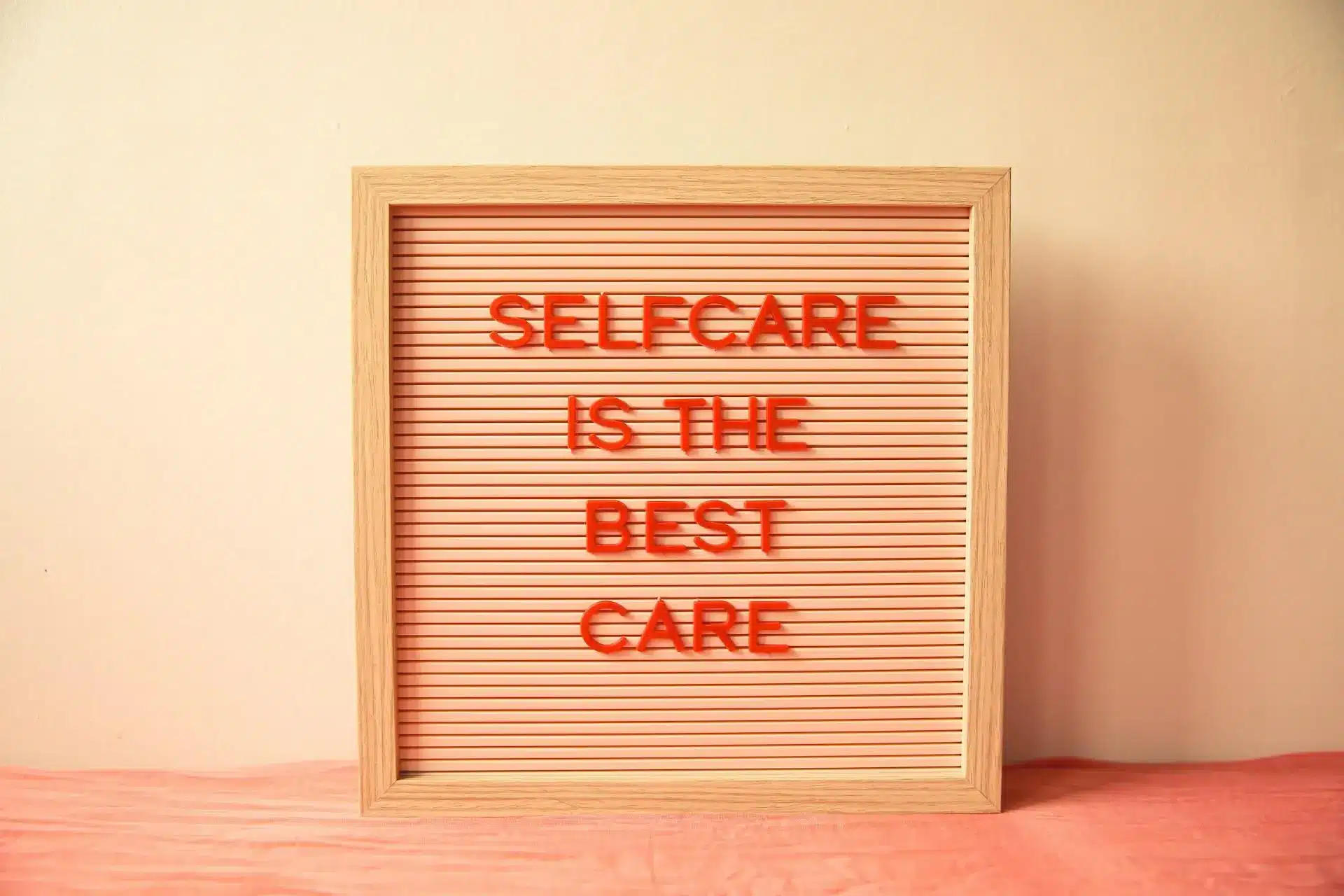
Planning has a reputation problem. For many people, the very word conjures images of color-coded spreadsheets, rigid hourly blocks, and guilt over tasks left undone. Those who dislike planning often abandon it entirely, only to feel scattered by the middle of the afternoon. Yet the resistance is rarely about laziness. It usually comes from methods that demand too much detail and offer too little room to breathe. A lighter approach can turn structure into something that supports the day rather than controlling it.
Why Traditional Planning Feels Like a Chore
Most planning systems fail because they assume every hour can be predicted. Life rarely cooperates. Interruptions arrive, energy dips at unexpected times, and priorities shift as new information appears. When a schedule is packed to the minute, a single delay can knock everything off balance, and the plan starts to feel like a source of stress rather than relief.
There is also a psychological cost to overplanning. Writing down twenty tasks and completing twelve can register as failure, even when the day was productive. This mismatch between expectation and reality trains the brain to associate planning with disappointment. Over time, people stop bothering, convinced that structure simply does not work for them when the real issue is the method itself. The table below contrasts the rigid approach with the lighter one described in this article.
| Aspect | Traditional Planning | Lighter Approach |
|---|---|---|
| Task volume | Long, exhaustive lists | Three meaningful priorities |
| Time handling | Fixed hourly blocks | Flexible, energy-based |
| Response to setbacks | Whole plan derails | Plan absorbs the change |
| Emotional result | Guilt over unfinished tasks | Sense of progress |
| Daily effort | Elaborate rituals | A few quick habits |
The Three-Priority Framework
A practical alternative removes the pressure of exhaustive lists. Instead of trying to capture everything, the focus narrows to three meaningful priorities for the day. These are not chores like answering email or tidying a desk, but the outcomes that would make the day feel worthwhile if nothing else got done. Naming only three keeps the list honest and achievable.
The method works because it aligns with how attention actually functions. People can hold a small number of important goals in mind without constant reference to a notebook. Everything else becomes optional, handled in the natural gaps that appear throughout the day. This shift from managing tasks to protecting priorities is what makes the system tolerable for those who normally avoid planning altogether.
Choosing the Right Three
Selecting priorities takes a moment of honesty each morning. A useful test is to ask which tasks would carry consequences if postponed, and which simply feel urgent because they are noisy. Deadlines, commitments to others, and progress on long-term goals usually earn a place. Minor errands can wait or slot into leftover time without any formal scheduling.
Working With Energy Instead of Clocks

Rigid time blocks assume a person is equally capable at nine in the morning and three in the afternoon. In reality, focus rises and falls in waves. A gentler method pairs demanding work with natural peaks in alertness and saves routine tasks for the slower stretches. This respects the body’s rhythm rather than fighting it, which reduces the sense of forcing effort.
This flexible mindset shows up in unexpected corners of daily life, including how people approach leisure and entertainment. Someone unwinding after a focused morning might spend a short window on a hobby, a walk, or a session at casino Ice for casual amusement before returning to their remaining priorities. The point is not the activity itself but the recognition that unstructured moments have value, and deliberately allowing them prevents burnout and keeps the rest of the plan sustainable.
Treating time as flexible also means accepting that some days simply hold less capacity than others. On a low-energy day, completing one of three priorities is a reasonable result. This forgiving standard keeps motivation intact and prevents the spiral of guilt that ends most planning attempts.
Small Habits That Hold the System Together
A minimal plan still needs a few anchors to stay reliable. These habits require little effort but create consistency, which matters more than intensity for people who resist structure. The following practices tend to make the framework durable without turning it into a burden.
- A brief morning review to name the three priorities before the day gathers speed.
- A single capture spot, whether a note app or a scrap of paper, for stray thoughts that would otherwise interrupt focus.
- A short evening glance to note what moved forward and what naturally carries over.
Bringing It All Together
Planning does not have to mean rigid schedules or endless lists. For those who dislike it, a method built on three clear priorities, respect for personal energy, and a handful of easy habits offers structure without the strain. It accepts that days are unpredictable and treats flexibility as a feature rather than a flaw, making consistency far more likely over the long run.