Most people build a luxury wardrobe the wrong way, collecting names instead of pieces, chasing releases instead of quality, and ending up with a closet full of things that feel dated within a few seasons.
Building a collection that actually lasts starts long before the purchase. It begins with a different set of standards, ones rooted in timeless luxury rather than trend cycles. The pieces that endure are not necessarily the loudest or the most recognizable. They are the ones built on craftsmanship, high-quality materials, and a design sensibility that does not depend on the moment to feel relevant.
This shift is already visible in how people are approaching style more broadly. The growing appetite for quiet luxury reflects a deeper rethinking of what prestige actually means. Heritage counts. Construction counts. The way a fabric holds its shape after years of wear counts far more than which season a piece came from. For anyone serious about curating a collection with lasting value, those are the criteria worth understanding first.
What Makes a Luxury Piece Worth Keeping
Not every expensive item deserves a permanent place in a collection. The ones that do tend to share a few defining traits, and recognizing those traits early saves both money and regret.
Look for Design That Outlives Trend Cycles
Timeless luxury is not about being boring or safe. It is about choosing pieces whose appeal does not depend on a particular cultural moment. A well-proportioned coat, a clean leather silhouette, or a precisely cut blazer will read as considered and intentional years from now, regardless of what is currently on the runway.
The test is simple: if a piece would have looked equally at home five years ago and could plausibly belong five years from now, it has the design foundation worth building around.
Prioritize Materials and Make Over Logo Power
Logo visibility fades as a reason to buy. What does not fade is the quality of the leather, the weight of the cashmere, or the precision of the construction. These are the elements that determine whether a piece holds up through years of wear or begins to disappoint within a season.
Quiet luxury, as a broader cultural shift, reflects exactly this reordering of priorities. The emphasis moves away from recognition and toward substance, which is where a lasting luxury wardrobe has always been built.
Build the Collection Around a Few Anchors
Once the standards are clear, the next step is knowing where to actually begin. A lasting luxury collection does not require breadth. It requires the right anchors, pieces in categories that get worn often, styled easily, and appreciated over time. Thoughtful collectors tend to focus here before expanding elsewhere, and that discipline is what keeps a collection coherent rather than scattered.
Start with Bags, Outerwear, and Refined Basics
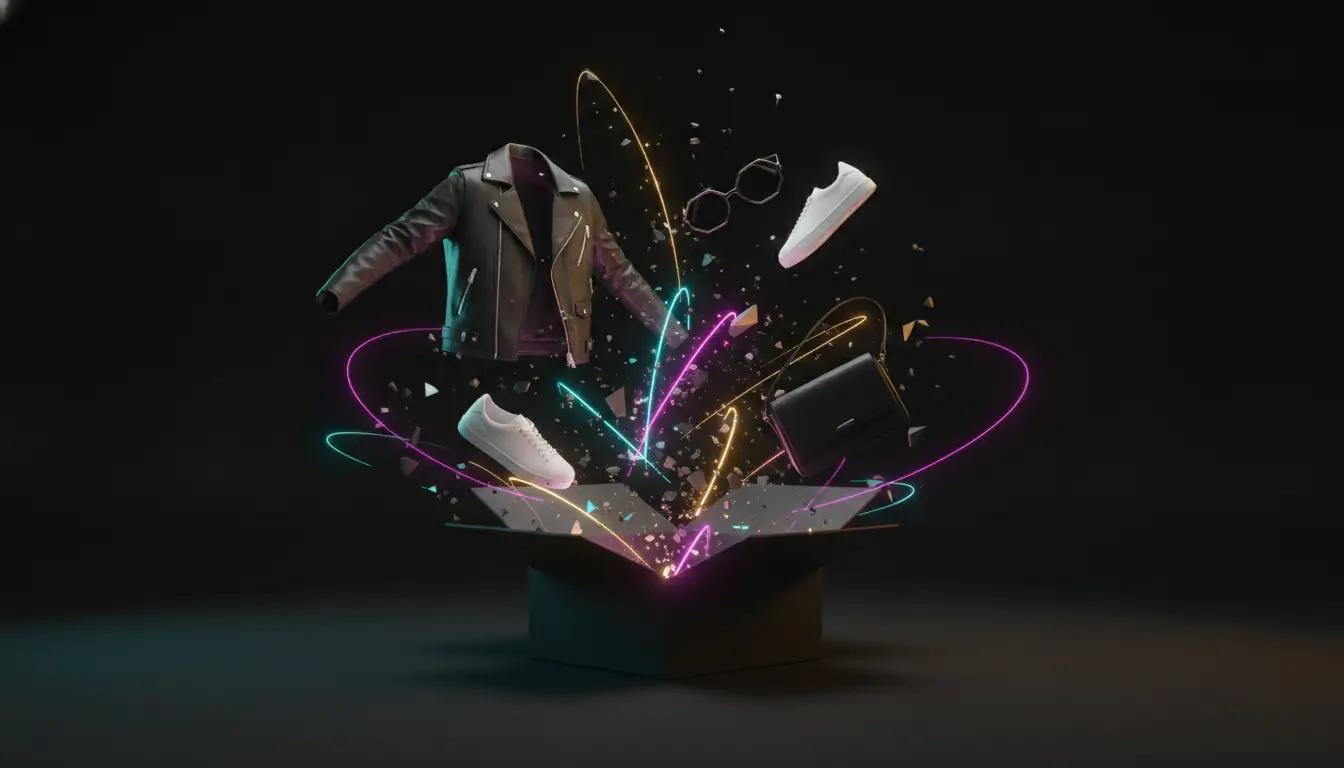
Designer bags are among the most reliable places to start. A structured leather bag from Louis Vuitton or a classic silhouette from Hermès carries both daily utility and long-term identity. Neither goes out of style, and both improve in character with age.
Outerwear follows closely. A well-cut coat from Burberry or a leather jacket from Saint Laurent earns its place through sheer versatility and durability. Beyond these, tailoring, cashmere knitwear, and quality footwear round out a foundation that covers most occasions without effort.
These are the categories that make up timeless wardrobe essentials worth keeping, and for good reason. They hold their relevance because they are rooted in construction and material rather than seasonal direction. It is also worth noting that serious collectors often balance wearable luxury with other enduring assets, and the full rundown is here for those thinking about value retention more broadly.
Choose Pieces That Work Across More Than One Setting
Versatile pieces are what separate a living wardrobe from an archived one. A cashmere sweater worn to dinner, a weekend lunch, or a casual office day is earning its keep in a way that a statement piece simply cannot match.
The same logic applies to bags, shoes, and outerwear. When a piece transitions naturally between settings, it stops feeling like an indulgence and starts feeling like infrastructure. That shift in function is what gives a small collection its staying power.
Why the Best Luxury Buys Earn Their Place
Think in Cost Per Wear, Not Shelf Price
Sticker shock is the wrong frame for evaluating investment pieces. A coat worn twice a week for a decade has a radically different cost per wear than a trend-driven piece worn a handful of times before it feels dated.
That simple calculation changes how a luxury wardrobe takes shape. High-quality materials and precise construction are what allow a piece to stay in rotation year after year, which is exactly what justifies the upfront spend. The price becomes almost incidental once a piece has earned its place through repeated, meaningful use.
Timeless luxury is built on that logic. The pieces with the most staying power tend to be the ones chosen for fit, fabric, and longevity rather than novelty.
Value Is Also Emotional, Not Only Financial
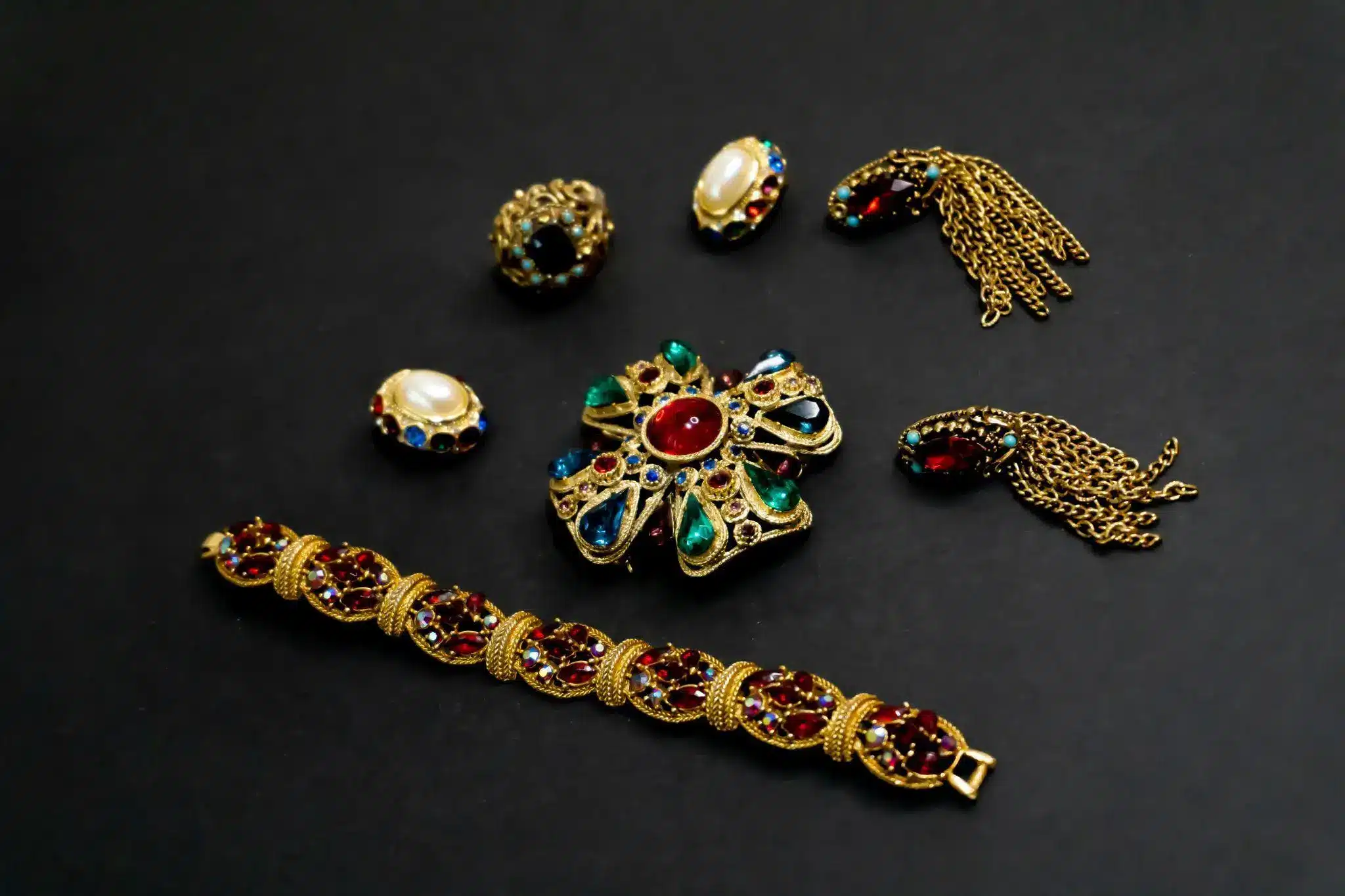
Beyond the numbers, there is something couture and thoughtfully made pieces do that fast fashion never can: they carry memory. A bag passed from one generation to the next, a coat worn at a defining moment, a piece of jewelry that holds a story, these are what turn a collection into something with genuine heirloom potential.
Understanding why a quality leather bag holds its value is part of this same thinking. The emotional and material dimensions of value are not separate considerations. They reinforce each other in every piece worth keeping.
How to Spot Craftsmanship Before You Buy
Craftsmanship is not a vague quality reserved for industry insiders to assess. Most of its signals are visible and tactile, which means any buyer willing to look closely can evaluate a piece with real confidence before committing.
Read Stitching, Hardware, and Finishing Details
Craftsmanship announces itself in the details, not the label. Even on a first look, construction tells a story. Stitching should be tight, even, and consistent throughout, with no loose threads or uneven tension at the seams.
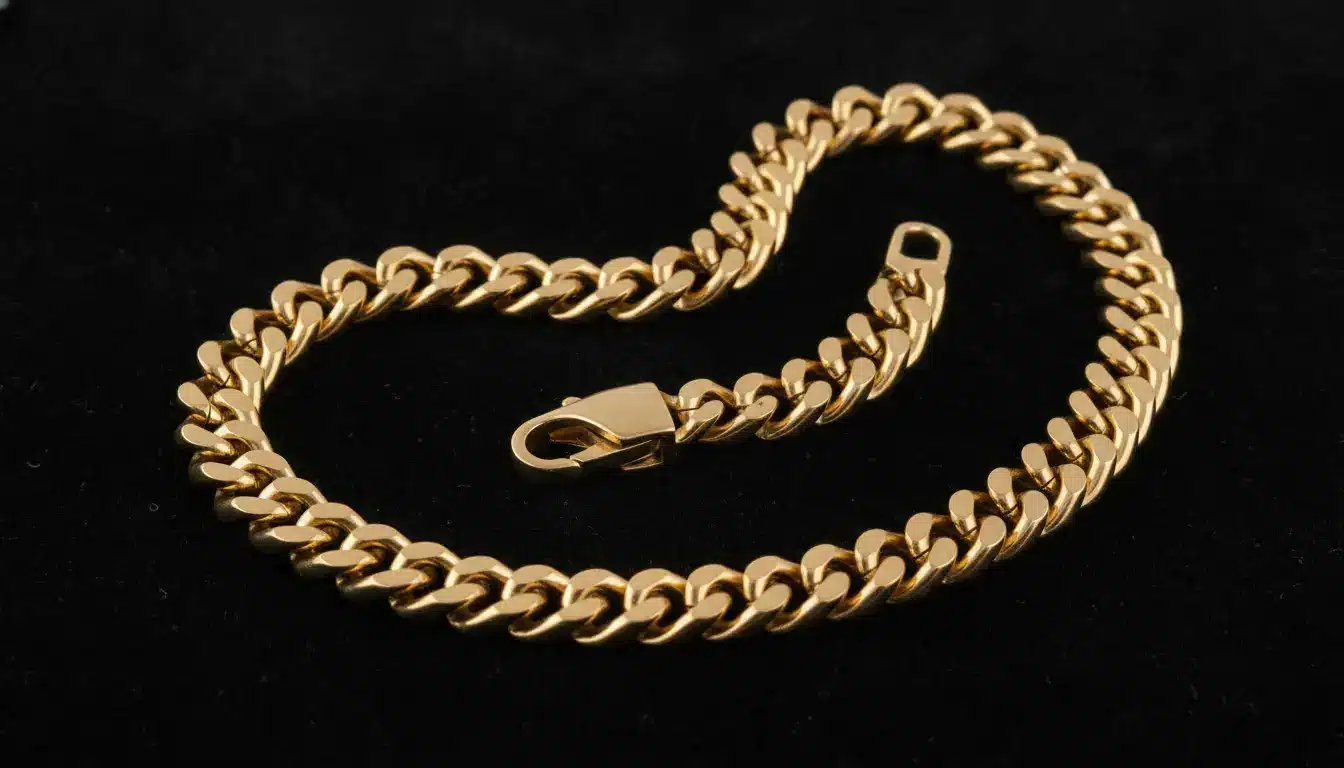
Hardware is equally telling. On a well-made bag, clasps and zippers move smoothly and feel substantial in the hand. Gucci, for instance, has long used hardware finish as a signal of tier, and the difference between a carefully finished piece and a rushed one is immediately apparent up close.
Interior finishing matters just as much as what faces outward. Clean linings, flat seams, and well-anchored strap attachments are the marks of artisanal production done with care rather than speed.
Know What Premium Materials Should Feel Like
High-quality materials have a weight and texture that synthetic alternatives cannot replicate. Good leather resists creasing under light pressure, has a consistent grain, and softens gradually with use rather than cracking.
Cashmere should feel dense and slightly heavy for its size, not airy or loosely woven. Italian craftsmanship in knitwear is often visible in how the fabric holds its structure without pilling quickly.
These physical cues, including weight, texture, and finish response, are the most honest indicators of long-term durability that any buyer can use.
A Lasting Collection Also Needs Proper Care
Buying well is only part of the equation. Even the finest leather or cashmere will show premature wear without the right maintenance habits in place, and no amount of craftsmanship protects a piece from neglect.
Storage matters more than most people account for. Leather bags should rest in dust bags, away from direct light and humidity. Cashmere needs to be folded rather than hung to preserve its structure over seasons of use. These are not complicated steps, but skipping them consistently adds up.
Rotation is equally important for a well-maintained luxury wardrobe. Wearing the same pieces in heavy repetition accelerates wear in ways that spacing out use simply avoids. Giving pieces time to recover between wears extends their life considerably.
This kind of deliberate ownership sits at the heart of both slow fashion and sustainable fashion data trends showing a clear shift toward fewer, better-kept pieces. A collection built to last requires the same thoughtfulness after purchase as it does before. Care is not an afterthought. It is part of the investment itself.
FAQs
How Do I Start Building a Luxury Collection Without Overspending?
The most practical approach is to begin with one or two anchor investment pieces in categories that get the most use, such as bags or outerwear. Prioritizing craftsmanship and material quality over brand recognition helps stretch a limited budget further without compromising long-term value.
What Luxury Items Are the Most Timeless?
Structured leather bags, well-cut coats, cashmere knitwear, and quality footwear consistently hold their relevance across decades. These categories anchor timeless luxury because their appeal is rooted in construction and material rather than seasonal direction.
How Can I Tell If a Luxury Piece Is Actually Well Made?
Tight, even stitching, substantial hardware, and clean interior finishing are the most reliable indicators. High-quality materials also respond differently to touch, with real leather and dense cashmere offering a weight and texture that immediately distinguishes artisanal craftsmanship from rushed production.
A Luxury Collection Should Deepen with Time
The best collections are not assembled quickly. They are edited slowly, shaped by use, experience, and a growing clarity about what actually belongs.
Longevity in a wardrobe comes from three things working together: careful selection, genuine use, and consistent care. No single element is enough on its own. A beautiful piece left unworn does not earn its place, just as a well-used piece without maintenance will not last.
Timeless luxury has never been about owning more. It is about owning better, guided by heritage, craftsmanship, and the kind of slow fashion thinking that values lasting relevance over seasonal appeal.