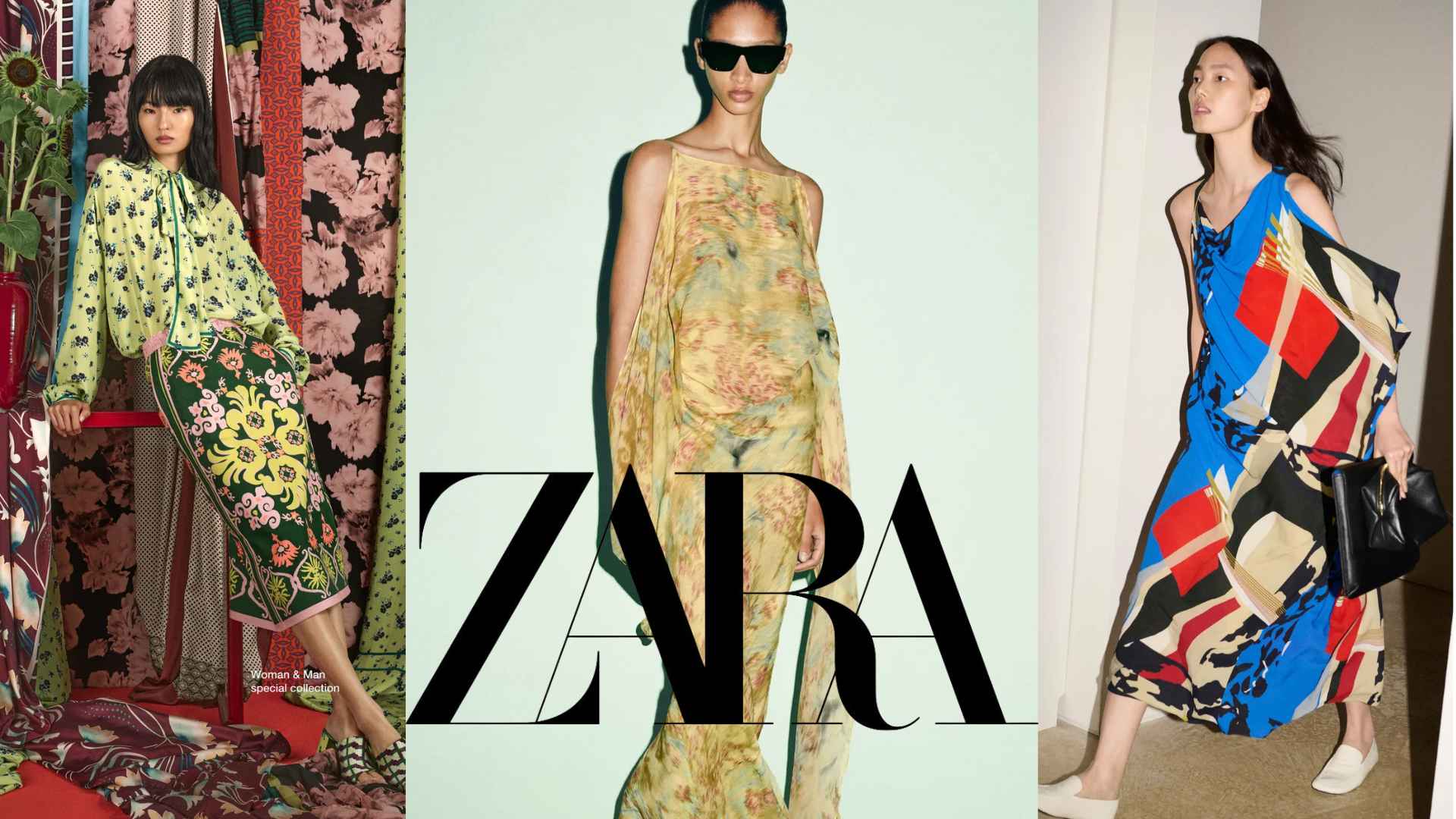
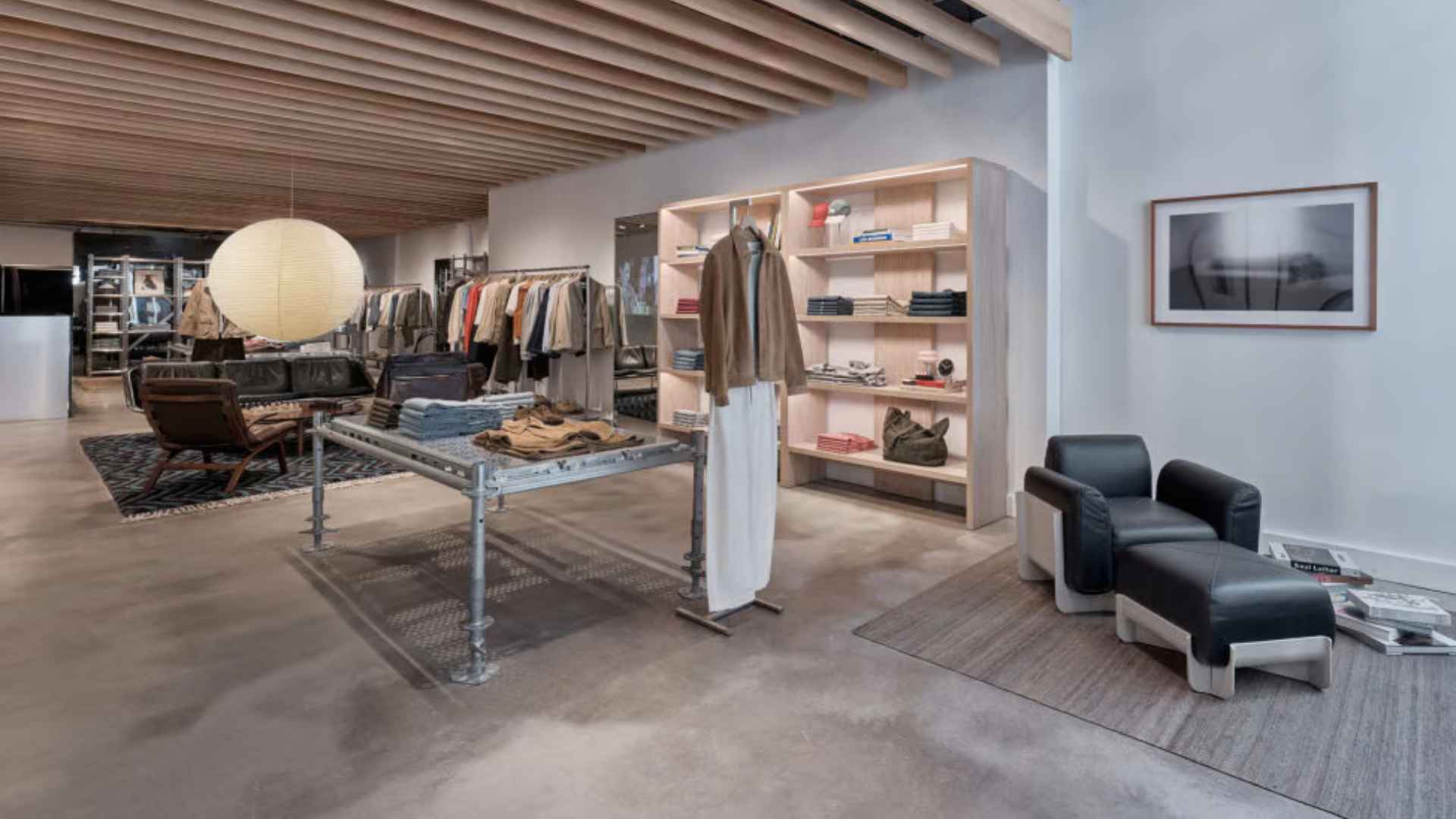
Zara does not look like a typical cheap clothing brand. Its stores are clean, well lit, and put together in a way that feels closer to a mid-range department store than a bargain rack.
That is exactly why the question keeps coming up.
Is Zara fast fashion, or is something else going on? I have spent years covering fast fashion supply chains for this site, and Zara is one of the few brands where the surface polish and the business model genuinely do not match.
Underneath the clean displays, Zara runs on the same clock as the rest of the industry, just with a few of its own twists.
Together, the production numbers, the pricing data, the labor findings, and the sustainability claims show you exactly where Zara lands.
Quick Facts: Zara Overview
| Metric | Data |
|---|---|
| Founded | 1975, A Coruña, Spain, by Amancio Ortega and Rosalía Mera |
| Parent company | Inditex |
| Design-to-shelf speed | 2 to 3 weeks |
| Store count | Roughly 2,000 stores in over 90 countries |
| Garments produced per year | Around 450 million |
| New designs released per week | Approximately 500 |
| 2024 Inditex revenue | 27.78 billion euros |
| Recycled or lower impact fibers (2025) | 88 percent of total fibers used |
| Emissions reduction target | 50 percent by 2030, net zero by 2040 |
| Good On You ethics rating | “It’s a Start” (2 out of 5) |
What is Fast Fashion?
Fast fashion is simple to understand today. It refers to clothing that is produced quickly, sold at low prices, and based on current trends.
Instead of spending months planning each collection, fast fashion brands watch what is popular on runways, social media, and everyday street style. They then create similar pieces and bring them to stores within a few weeks.
Because the prices are low, shoppers can buy new clothes more often without spending as much. The downside is that many of these items are worn only a few times before being replaced or thrown away.
This constant cycle of buying, wearing, and replacing clothes is what defines fast fashion and keeps the industry moving at such a fast pace.
The U.S. Government Accountability Office has looked closely at how this fast turnover affects landfills and pollution.
|
Where the Term Fast Fashion Came From The New York Times coined the term “fast fashion” on December 31, 1989, in a piece about two new Manhattan boutiques, one of which was Zara. The article quoted Zara’s then U.S. operations head saying stock changed every three weeks and a new idea could reach the sales floor in as little as 15 days. Zara opened its first store in Spain in 1975, founded by Amancio Ortega and Rosalía Mera, so the New York write-up landed roughly 14 years after the brand’s first shop opened in A Coruña. |
So, Is Zara Fast Fashion?
Yes, Zara is fast fashion. Multiple industry trackers and sustainability watchdogs, including Good On You and Ethical Consumer, classify Zara squarely inside the fast fashion category, and most coverage treats it as the brand that started the whole trend rather than just another player in it.
Zara can take a design from sketch to store shelf in about two to three weeks, which is significantly faster than the four to six months it takes most traditional clothing brands to do the same job. That speed, paired with low prices and constant new arrivals, puts Zara at the center of the fast fashion world rather than at its edge.
One distinction is worth flagging clearly. Zara owns most of its factories instead of outsourcing everything overseas the way brands like Shein and Forever 21 do.
This is called vertical integration, and it lets Zara move fast while wasting less fabric on unsold stock.
Because of this setup, some analysts argue Zara sits in a different tier from brands built entirely on offshore mass production.
If you want to see how Zara stacks up against slower, more transparent labels, our guide to non-fast fashion brands covers several alternatives in detail. Even with that nuance, Zara still checks every other box that defines the fast fashion label.
Zara’s Production Speed: The Numbers Behind the Two-Week Turnaround
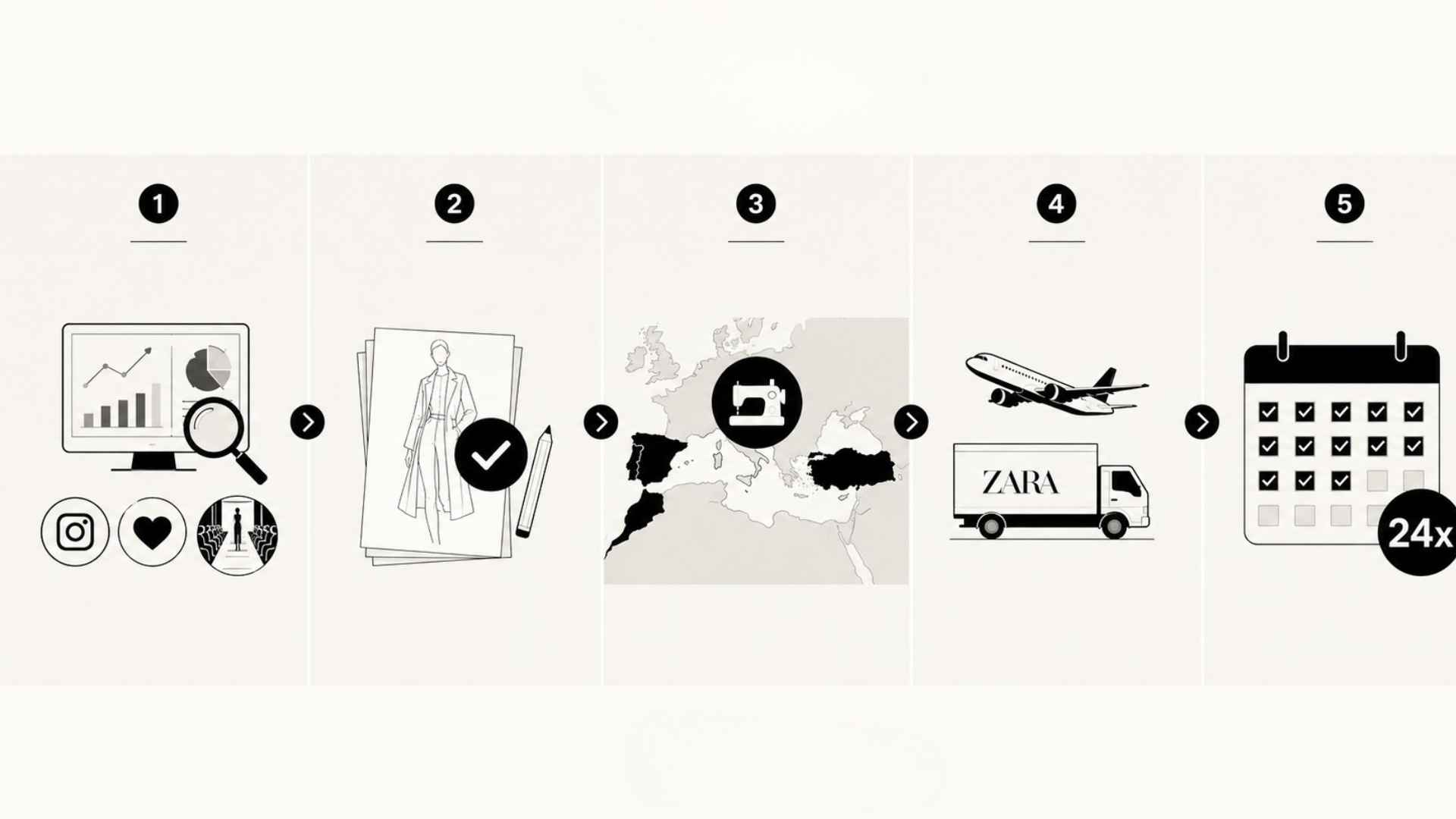
Zara’s biggest strength is how quickly it moves product from an idea to a hanger. Most traditional retailers plan collections almost a year ahead. Zara does not work that way at all, and the numbers back that up.
Inditex placed roughly 621,000 tonnes of garments on the market in a single recent year, an increase of about 10 percent year over year, which gives some sense of the scale at which this speed operates. Here is how the actual process runs on the ground:
- Designers track sales data, social media trends, and runway shows on a near-daily basis, rather than working off seasonal forecasts set months in advance.
- New sketches move from concept to approval in days, not months, since decision-making sits close to the design floor rather than buried in committee.
- Over half of Zara’s clothing is manufactured close to home in Spain, Portugal, Morocco, or Turkey, which cuts shipping time compared to factories in Southeast Asia.
- Finished garments ship out twice a week to stores worldwide, keeping inventory fresh rather than dumping a full season at once.
- New stock can hit shelves up to 24 times a year, compared with the 2 to 4 seasonal drops most traditional retailers follow, and some reporting puts Zara’s real-world release rate closer to 500 new designs a week across its full range.
Pro tip: If you spot something you like at Zara, grab it soon. Since stock changes so often, that exact item may not be there next week, and Zara’s own executives have openly described this scarcity as intentional rather than incidental.
Zara’s Pricing and Trend Cycles
Zara keeps prices low enough that shoppers do not think twice before buying something new. That pricing choice is one of the clearest signs of a fast fashion brand, and it sits deliberately between the ultra-cheap end of the market and the traditional department store markup.
The company also leans hard into trend replication. When a certain color, cut, or print shows up on a runway or goes big on social media, Zara tends to have something close to it in stores within two to three weeks.
This creates a constant feeling that something new is always waiting for you, which keeps people coming back to check the racks again and again. It is the same psychology that a well-builtcapsule wardrobe approach is designed to counter, since fewer, better-chosen pieces reduce the urge to restock every few weeks.
Materials and Quality
This is where people start to have real opinions. A large share of Zara’s clothing uses polyester, nylon, and other synthetic blends, which keep costs low and let the brand quickly copy trendy textures.
These materials aren’t always the most breathable or long-lasting, and synthetic textiles are also a major source of microplastic shedding during washing.
Zara’s quality has been covered in more depth in a separate piece on the quality of Zara’s clothing, for anyone who wants the full picture before shopping.
| Feature | What It Means for You |
|---|---|
| Polyester and synthetic blends | Lower cost, less breathable, sheds microplastics, may not last as long |
| Join Life tag | Marks items made with more sustainable materials, though Greenpeace has disputed how sustainable |
| Repair and resale services | Zara Pre-Owned now offers repair, resale, and take-back options in several markets |
| Fit for use | Best for trend pieces you plan to wear a season or two, not long-term staples |
Zara has made public promises, like using more recycled polyester and sourcing sustainable cotton, and Inditex reports that 88 percent of the fibers used across its collections in 2025 were certified as organic, regenerative, recycled, or otherwise lower impact.
Those are measurable steps, but the core business still leans on cheap synthetic fabric and extremely high-volume production to keep prices and speed where they need to be. Textiles like these make up a growing share of what ends up in landfills each year.
Is Zara Greenwashing?
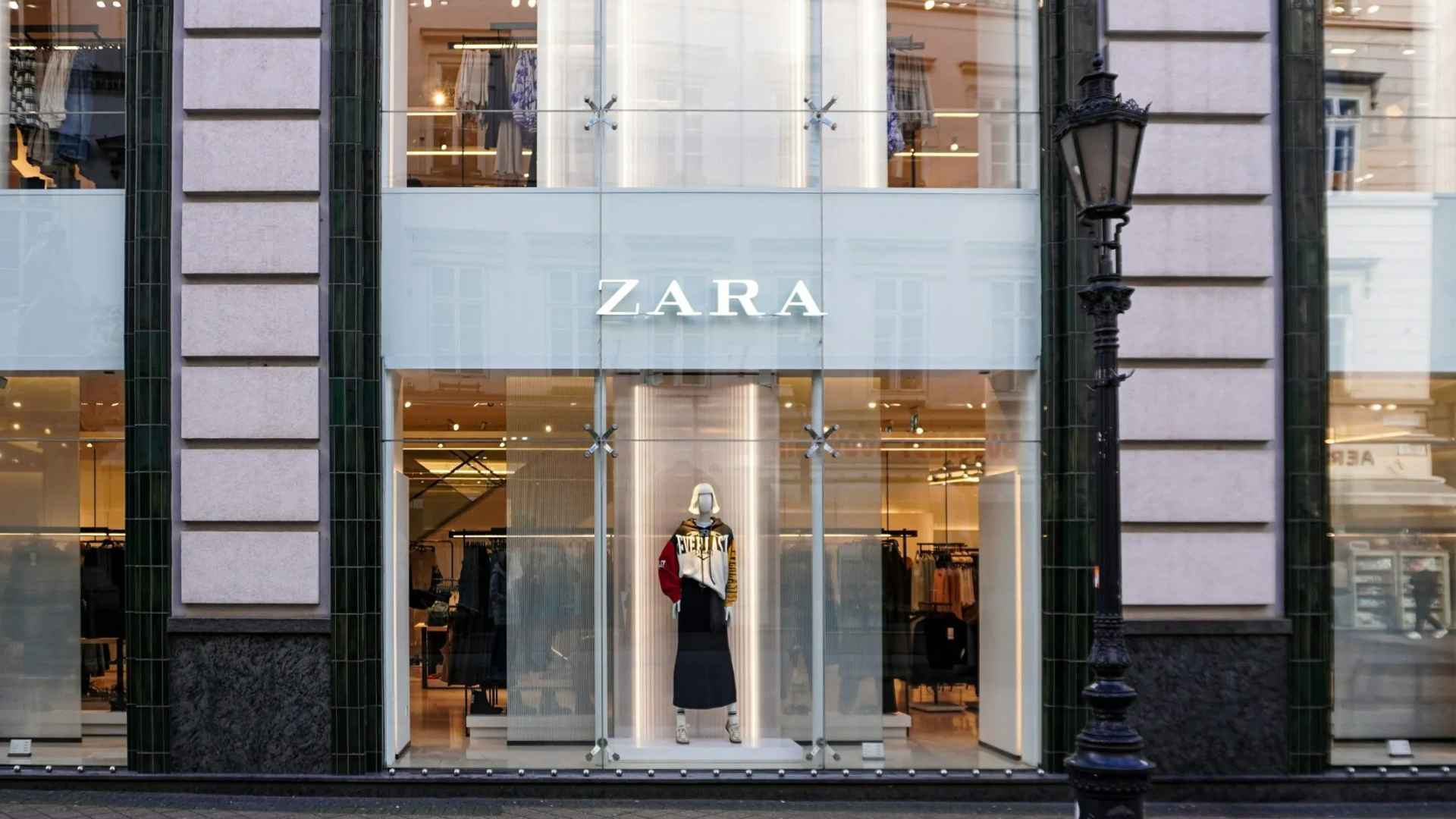
This is one of the most searched questions about the brand, and the honest answer is yes, according to multiple independent investigations, though Zara has also made some real changes alongside the disputed claims.
A 2023 Greenpeace report found that Zara’s Join Life collection relied more heavily on virgin materials than its marketing implied, directly contradicting the impression the label gives shoppers browsing the line.
A separate 2021 investigation by the Changing Markets Foundation found that roughly 60 percent of sustainability claims made by European fast fashion companies, Zara included, were unsubstantiated or misleading.
Zara has also faced specific scrutiny over individual product launches, not just broad marketing language.
Its 2022 line made from carbon-captured polyester was framed as a sustainability milestone, but critics pointed out that producing hundreds of millions of new garments a year while promoting one limited collection does very little to offset the scale of the underlying problem.
The core tension critics raise is straightforward. Highlighting a small percentage of lower-impact products while the main production line keeps growing in volume can create a false impression of overall progress, which is the textbook definition of greenwashing.
Zara’s own emissions data supports that concern, since Inditex reported supply chain emissions of roughly 18 million tonnes of carbon dioxide equivalent in a recent year, comparable to a million round-trip flights between New York and London.
What are Zara’s Plans to Become More Sustainable?
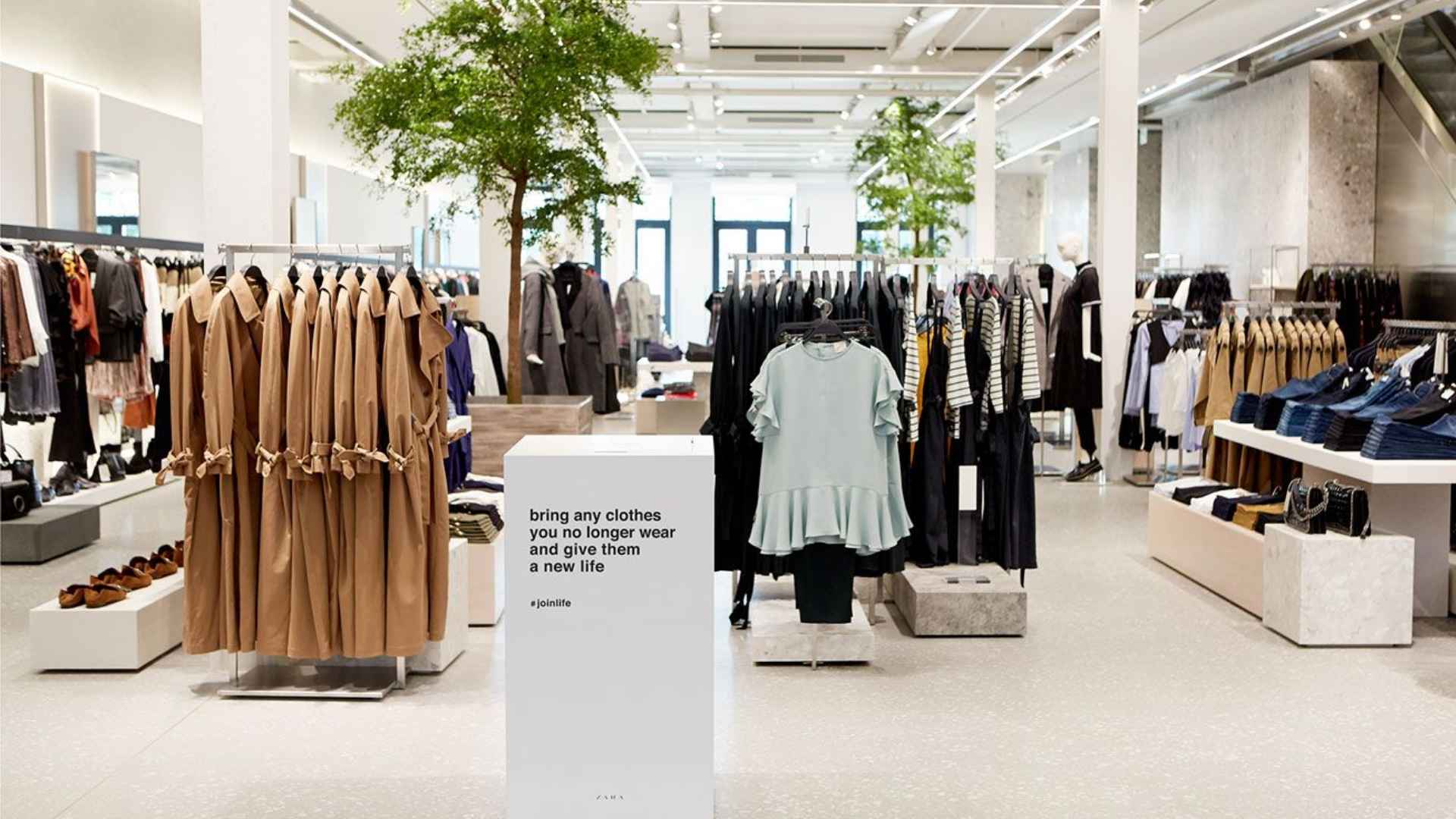
Inditex, Zara’s parent company, laid out an updated set of sustainability targets at its annual shareholder meeting, and the goals are more specific than the vague pledges the industry is used to seeing.
By 2030, Inditex wants 100 percent of the textile fibers used across its brands to come from lower-impact sources. The plan splits out like this: around 40 percent from conventional recycling processes, 25 percent from next-generation fibers developed with startup partners, 25 percent from organic or regenerative farming, and the remaining 10 percent from other certified lower-impact sources.
On the emissions side, Inditex has committed to cutting value chain emissions by 50 percent by 2030, up from an earlier and less ambitious 20 percent target, with a longer-term goal of reaching net zero by 2040. The company has also pledged to expand Zara Pre Owned, its repair, resale, and takeback service that launched in the UK before rolling out to France, Germany, and Spain.
A separate biodiversity commitment aims to protect, restore, or regenerate at least 5 million hectares of land by 2030. Inditex has backed some of this with capital too, including a 50 million euro fund aimed at startups developing lower-impact textile technology.
As of 2025, Inditex reports it has already reached 88 percent lower-impact fibers across its collections, with 47 percent of that recycled and 30 percent from organic or regenerative practices. Those are real numbers with a real trend line, even if critics argue the base production volume undercuts the environmental math.
Labor Concerns in Zara’s Supply Chain
Like many fast fashion brands, Zara has faced criticism about the way its clothing is produced.
Over the years, investigations have documented concerns about worker wages, factory conditions, and labor practices at multiple points in its global supply chain.
Reporting has linked Zara’s supply chain to specific incidents, not just general concerns. In 2011, Brazilian authorities filed dozens of charges against Inditex after workers were discovered in conditions officials described as slave labor at a subcontracted facility.
More recent reporting has also raised questions about conditions at production hubs tied to the brand in Galicia, Spain, and Brazil.
The company has taken steps to address these concerns by expanding supply chain oversight and setting supplier standards.
Zara publishes a supplier code of conduct, carries out factory audits covering the final stage of production, and supports worker programs through Inditex’s Workers at the Center strategy, which aims to reach 3 million people across its supply chain.
In the United States, the Department of Labor’s Garment Industry Compliance Assistance Toolkit sets clear rules for wages and hours at domestic garment employers, though that jurisdiction does not extend to the overseas and Spanish factories where most of Zara’s clothing is actually made.
Independent watchdog Ethical Consumer rates Zara and Inditex poorly in its workers category, noting that the supplier code of conduct does not guarantee a living wage across the supply chain. Good On You reaches a similar conclusion, rating Zara “It’s a Start” on labor, meaning the brand has taken initial steps but is not considered a leader in the category.
Is Zara Ethical?
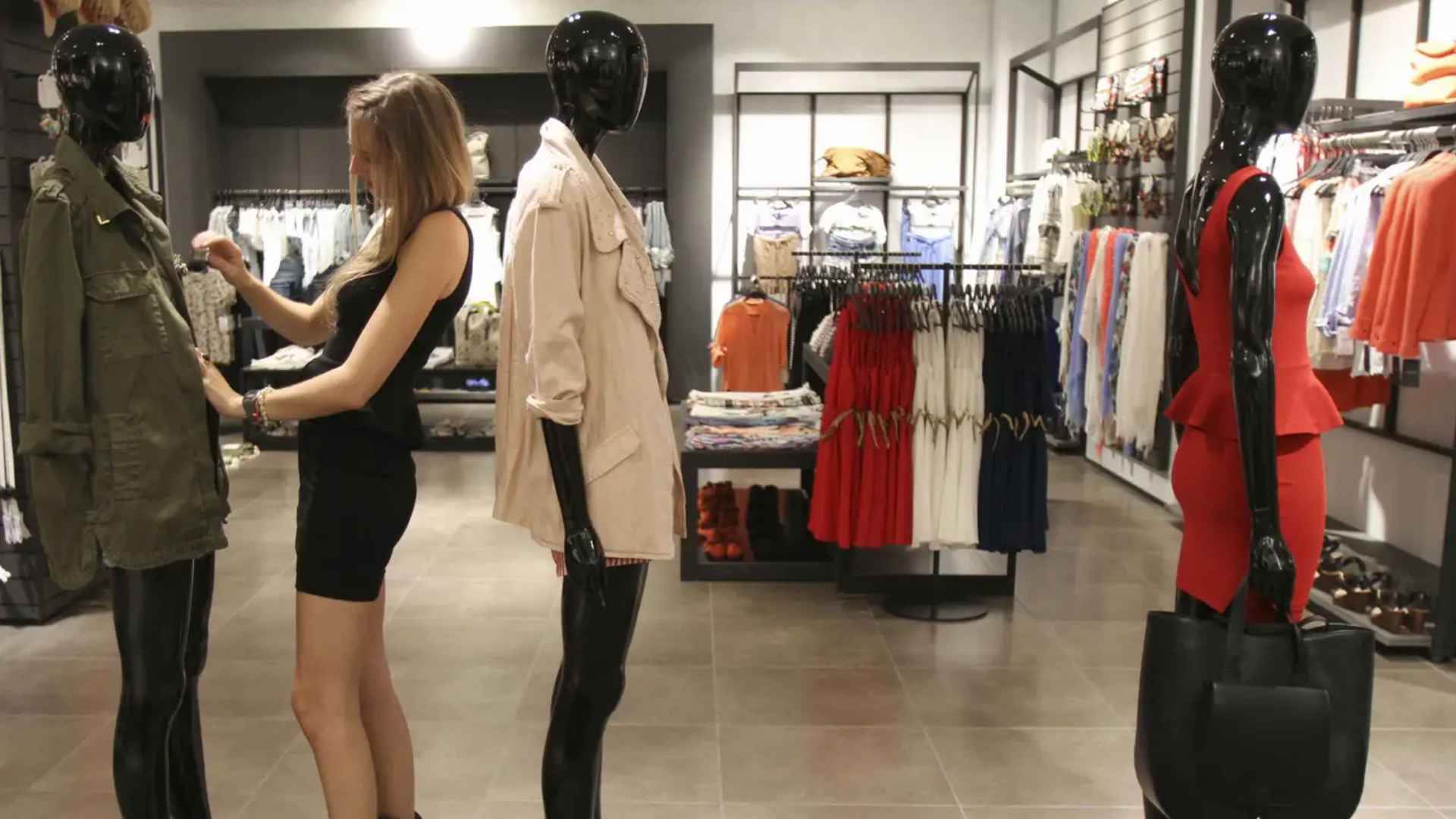
Based on the available evidence, Zara is not considered an ethical brand by the standards most sustainability and labor watchdogs apply, though it is not the worst performer in its category either.
Good On You gives Zara an overall rating of “It’s a Start,” its second-lowest tier, citing a lack of published living wage guarantees and limited supplier transparency below the final production stage.
Ethical Consumer rates Zara and Inditex poorly across its workers category for similar reasons, while also flagging likely tax avoidance strategies and past links to labor rights violations.
The brand’s defenders point to real, verifiable progress. Vertical integration means Zara controls more of its own factories than most competitors, which supports better oversight where it applies.
Its 88 percent lower impact fiber figure for 2025 is a genuine, audited number rather than a marketing claim, and its emissions targets are more specific than most fast fashion peers.
The counterargument is just as real. A brand producing an estimated 450 million garments a year, with new designs landing weekly, is structurally working against the kind of restraint that ethical fashion usually requires.
Zara has not been accused of being uniquely bad among fast fashion retailers, but nothing in the current evidence supports calling it ethical in the way that dedicated slow fashion or fair trade labels can claim.
How Zara Compares to Other Fast Fashion Brands
Zara is not the only name in this space, but it does things a little differently than most competitors, particularly in its manufacturing structure.
| Brand | Design to Shelf Speed | Manufacturing Style | Price Point |
|---|---|---|---|
| Zara | 2 to 3 weeks | Mostly owned factories, close to home | Mid range |
| Shein | Days to 10 days | Outsourced overseas, extremely high volume | Very low |
| H&M | A few weeks to months | Mostly outsourced overseas | Low to mid |
| Forever 21 | Weeks | Outsourced overseas | Low |
| Primark | Weeks | Outsourced overseas, no online sales in most markets | Very low |
| Uniqlo | Months, slower seasonal cycle | Outsourced overseas, fabric innovation focus | Low to mid |
Zara sits in an interesting spot on this chart. It moves as fast as brands like Shein, but its factory setup and pricing land closer to the middle of the pack, and its emissions and materials targets are more detailed than most names on this list.
Zara’s Sustainability Efforts and Consumer Perception
Zara has made several public commitments to improve its environmental footprint, and its own reporting shows measurable progress rather than only pledges.
The company has promised to increase the use of recycled materials and more sustainable cotton, introduced repair and resale services through Zara Pre Owned, and launched the Join Life collection featuring items made with selected lower-impact materials.
That said, Join Life has drawn its own scrutiny, and the same 2023 Greenpeace report mentioned earlier found the collection relied more heavily on virgin materials than its marketing implied, which is worth knowing before treating the label as a guarantee of lower impact.
These actions show a genuine effort to respond to consumer pressure and tightening European regulation, since the European Commission has been drafting rules that would make retailers pay for the textile waste they generate. However, they do not remove the larger structural challenges linked to fast fashion.
Producing large amounts of clothing quickly and encouraging frequent replacement still creates environmental pressure that a materials swap alone cannot solve. Zara has taken real steps toward change, but its overall business model still relies on the fast fashion cycle to generate revenue.
6 Alternatives to Zara Worth Knowing
If the speed and scale covered in this report changed how you think about your next purchase, these six brands take a slower, more transparent approach.
- People Tree builds its collections around organic and Fairtrade-certified cotton, and works directly with artisan cooperatives rather than large-scale contracted factories.
- Kotn sources Egyptian cotton directly from farming communities in the Nile Delta and publishes details about the wages and conditions tied to that sourcing relationship.
- Everlane is a step above Zara’s speed but still faster than true slow fashion, built around published factory cost breakdowns and stated fair wage commitments.
- Patagonia has built its entire brand identity around repairability, recycled materials, and a public environmental activism program funded by a percentage of sales.
- Reformation manufactures a large share of its collection domestically in Los Angeles and publishes a sustainability report tracking water use and emissions per garment.
- Eileen Fisher focuses on timeless silhouettes designed to last multiple years, backed by a nationwide garment takeback and resale program called Renew.
If you would rather build around what you already own instead of adding new brands to the mix, starting with a simple capsule wardrobe method is one of the more practical ways to cut down on impulse fast fashion purchases without giving up personal style.
Conclusion
So, is Zara fast fashion? Based on the production data, the pricing structure, and the constant stream of new arrivals covered in this report, the answer is yes, without much room for debate.
What sets Zara apart is not whether it qualifies as fast fashion, but how it gets there.
Owning its own factories and keeping production close to home separates it from brands that outsource everything overseas, and its materials targets are more detailed than most of the industry.
That difference matters, but it does not change the core of the business. Zara still moves fast, prices low, and is built around clothes that get replaced often rather than kept for years.
The brand has made real, measurable efforts toward better materials and tighter emissions targets, and those numbers count for something concrete.
Even so, after digging through Zara’s production data, labor findings, and sustainability disclosures for this report, the fast fashion label holds up completely, twists and all.
Sources: U.S. Government Accountability Office, Zara Official Site, U.S. Department of Labor, Garment Industry Compliance Assistance Toolkit, Greenpeace International, Good On You, Ethical Consumer, Changing Markets Foundation, Inditex Sustainability, The Business of Fashion, Encyclopaedia Britannica
Frequently Asked Questions
Is Zara Considered a Luxury Brand?
No, Zara is a high street brand, not a luxury brand. It borrows styles from luxury runways and sells similar looks at prices most shoppers can afford.
What Makes Zara Different From Other Fast Fashion Brands?
Zara owns most of its factories instead of outsourcing overseas, which lets it move fast, waste less fabric, and keep tighter quality control than many competitors.
Has Zara Been Accused of Copying Designs?
Yes. In 2016, over 40 artists led by Tuesday Bassen accused Zara of copying their artwork without payment. Zara has also faced criticism for designs resembling Celine and Louboutin pieces.
Why Does Zara Change Its Stock So Often?
Zara restocks stores twice a week and can rotate through 24 clothing drops a year. Executives have described this scarcity as intentional, pushing shoppers to buy quickly rather than wait.
Is Zara Cruelty Free?
No. Zara’s Animal Welfare Policy bans fur, angora, and animal testing, but the brand still uses wool, leather, down, and exotic hair with no public proof of traceable sourcing.
How Transparent is Zara About Its Supply Chain?
Better than many peers, but still limited. Zara scores 51 to 60 percent on the Fashion Transparency Index, publishing final-stage suppliers while disclosing little on wages or raw sourcing.