I get asked all the time how Chelsea boots should fit, and honestly, it’s one of the trickiest parts of buying a pair.
Without laces to loosen or tighten, the fit you get at the store is pretty much the fit you’re stuck with, at least for a while.
That’s why paying attention to the little details, like heel hold, ankle snugness, and toe room, actually matters more here than with almost any other boot style.
A pair that feels close enough often ends up either too loose by week two or too tight to wear comfortably for more than an hour. Getting it right from day one saves a lot of frustration later.
The History of the Chelsea Boot
Chelsea boots date back nearly 190 years, beginning with the invention of elastic side panels. London bootmaker J. Sparkes-Hall created the first elastic-sided ankle boots in the 1830s after experimenting with India rubber cloth.
The design removed the need for laces and buttons, making the boots easy to wear while still keeping the foot secure.
The development of vulcanized rubber by Charles Goodyear in 1839 made this possible, giving the elastic enough strength and flexibility to work in footwear. Originally known as paddock boots, they gained the Chelsea name in the 1950s through London’s fashion scene.
Later, The Beatles helped popularize the style with their signature heeled versions. Today, the elastic gusset remains the defining feature of Chelsea boots.
Why Fit Matters So Much With Chelsea Boots?
Chelsea boots rely on shape and size because they don’t have laces for adjustments. A pair that feels slightly uncomfortable in the store can become a bigger issue after hours of wear.
Loose boots may lose their hold over time, while tight boots can create pressure before the leather softens.
The right fit should feel secure around the heel, ankle, and instep without limiting movement. The elastic panels should stretch when you put the boots on and return to a snug position.
Your heel should stay steady while walking, and the toe box should provide enough room for natural movement. Since Chelsea boots cannot be tightened or loosened, it’s important to find the right fit from the start.
How the Heels of the Boots Should Fit
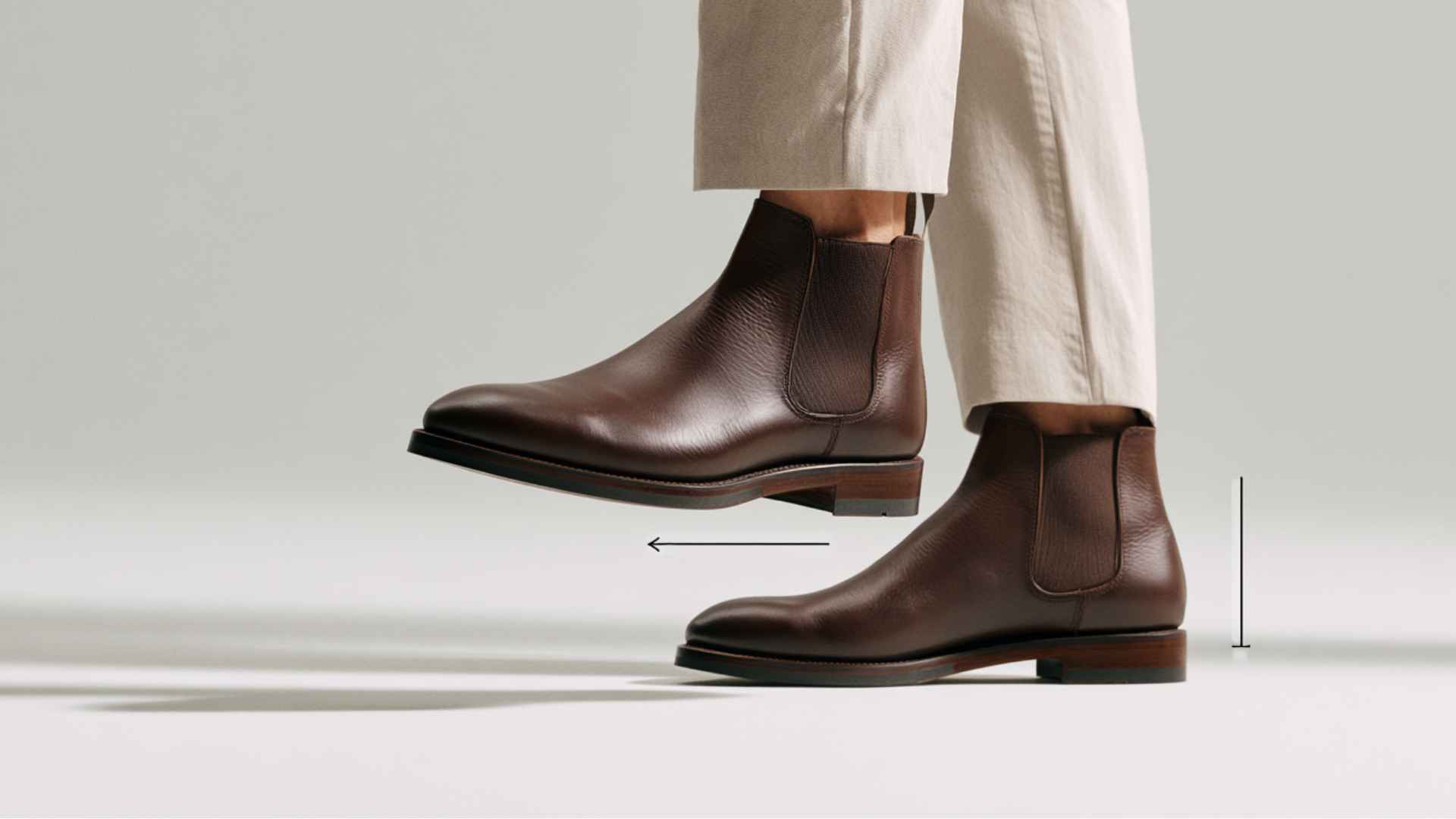
Your heel is the anchor point of the whole boot. If it moves, everything else falls apart. Its important to grab the perfect size.
- Your heel should stay planted inside the boot when you walk
- There should be no lifting or slipping when you take a step
- A little snugness here is normal and actually a good sign
Pro tip: Walk around the store for a full minute, not just a few steps. Heel slip often shows up only after your foot warms up and settles into the boot.
How the Ankle and Instep Should Fit
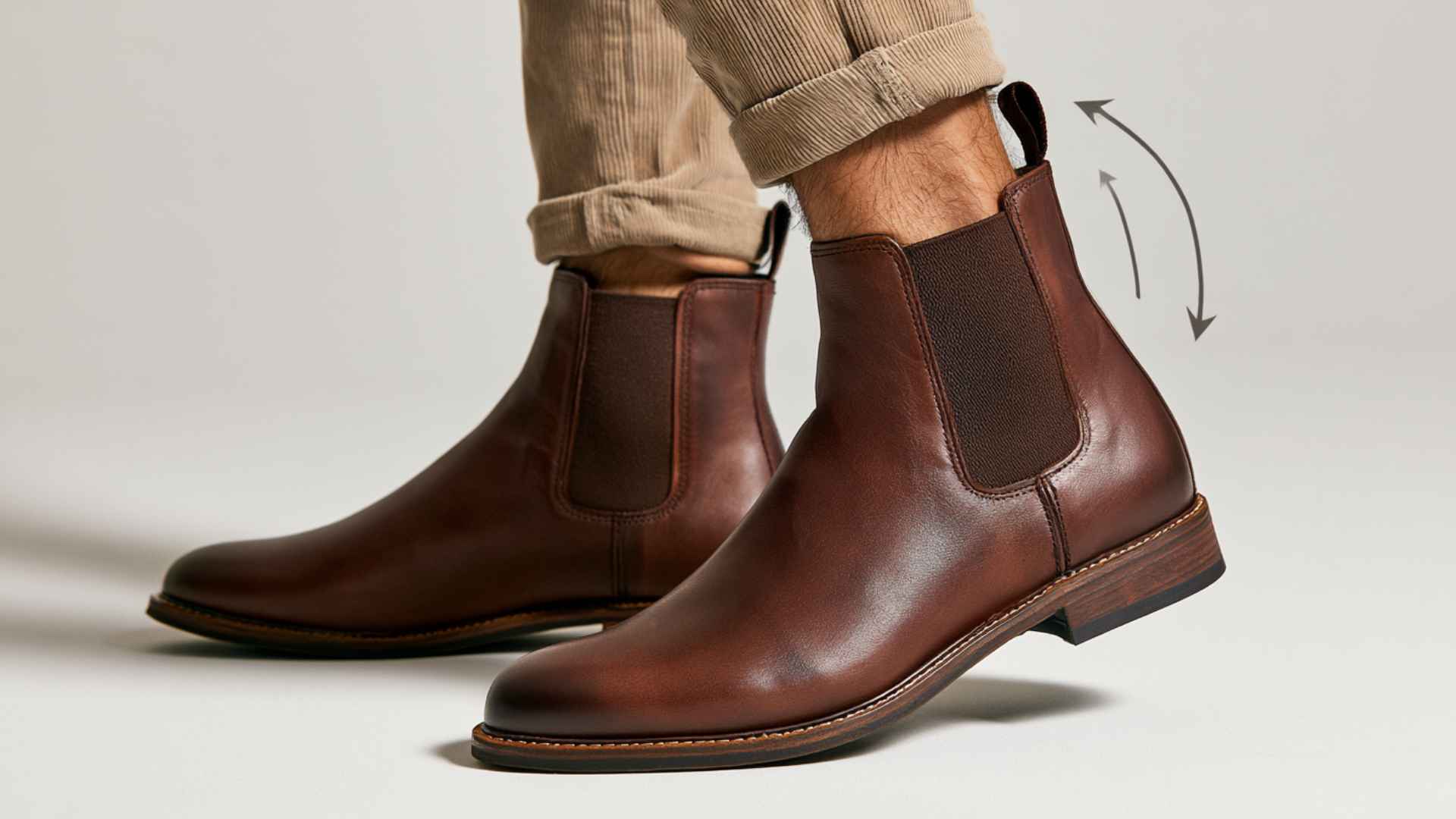
Your elastic panels control how the Chelsea boot moves with your foot. They should stretch when you put the boot on and return to a snug fit once your foot is inside.
- The elastic should expand enough to let your foot slide in comfortably
- The sides should sit close to your ankle without leaving visible gaps
- The panels should not feel tight enough to pinch or irritate your skin
Pro tip: Stand still and walk around for a few minutes after putting the boots on. Side gaps or uncomfortable pressure usually become easier to notice once your foot settles inside the boot.
How Much Room Your Toes Actually Need
This is the part people get wrong the most. Because the rest of the boot is snug, folks assume the toe box should be tight too. It shouldn’t be.
Your toes need enough space to spread out naturally. A good way to check is the thumb rule: there should be roughly a thumb’s width of space between your longest toe and the front of the boot.
If your toes feel jammed or your nails press against the leather, size up. Your toes should never feel compressed, as extra pressure can lead to discomfort, rubbing, and pain during longer periods of wear.
The Pinch Test for a Simple Width Check
Here’s a quick trick that shoe stores don’t always tell you about, but it works well for checking width.
| What You Feel | What It Means |
|---|---|
| A big fold of leather when you pinch | Boot is too loose |
| Leather pulled tight like a drum | Boot is too small |
| Slight give when you press your thumb in | This is the right fit |
Stand up while you do this test, not sitting down. Your foot spreads out more when your full weight is on it, so a seated check can trick you into thinking a boot fits better than it does.
Suede or Leather Changes How They Break In
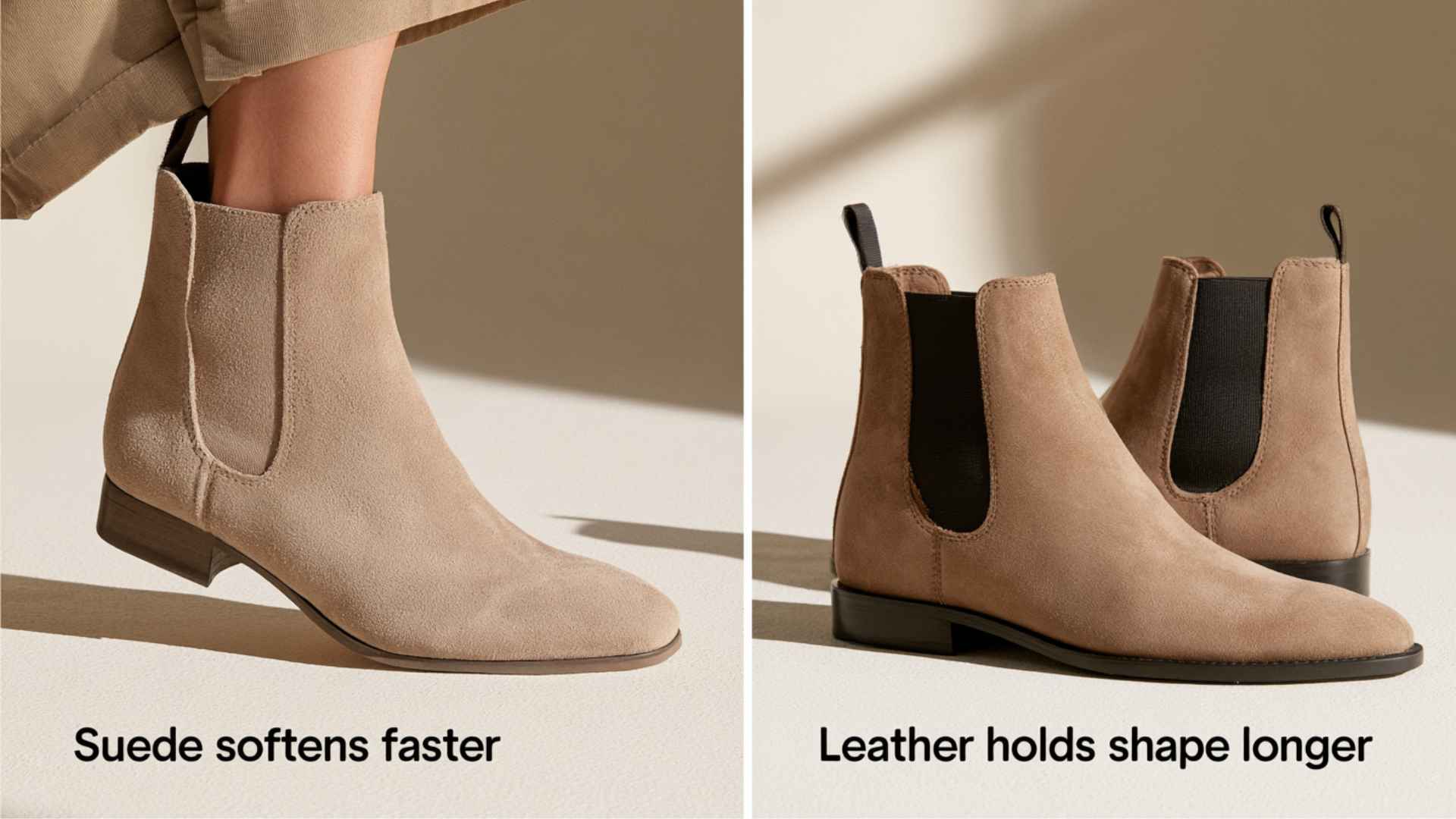
Not every Chelsea boot behaves the same way once you start wearing it, and the material is the reason why.
Suede is soft and forgiving. It molds to your foot shape within your first couple of wears. This sounds great, but it also means a suede boot that feels a little loose in the shop will only get looser over time. Buy suede snug, not roomy.
Leather is stiffer and takes longer to give. It holds its shape longer and won’t stretch nearly as much as suede. Buying leather boots true to size is usually the safer move, since they won’t loosen up as quickly to bail you out.
Which Style of Chelsea Boot Is Right for You?
Fit rules stay the same across every version, but the shape you pick changes how much room you’re working with before you even try them on.
- Classic dress Chelsea. Slim leather, low heel, narrow toe. Cut close through the instep, so this is the style most likely to pinch if you have a high instep.
- Suede desert-style. Softer construction, flatter sole, more give from day one. Buy these snug, since they will relax faster than any other option here.
- Lug sole or chunky Chelsea. Thicker outsole, roomier last, usually built for thicker socks. If you normally wear a half size up in winter boots, you probably don’t need to here.
- Cuban heel or Beetle boot. Pointed toe, raised heel, tighter through the forefoot. Your toes sit further forward than you expect, so the thumb rule matters more with this shape than any other.
- Work-style Chelsea. Heavier leather, reinforced heel counter, wide base. The stiffest break-in of the group, but also the most heel hold once it settles.
Try your two shortlisted styles in the same size on the same visit. The difference in a last is easier to feel back-to-back than it is to remember a week later.
Chelsea Boots vs. Ankle Boots
Chelsea boots are a type of ankle boot, but their elastic side panels and laceless design make fit more important.
| Feature | Chelsea Boots | Ankle Boots |
|---|---|---|
| Closure | Elastic side panels | Laces, zippers, buckles, or slip-on |
| Fit | Snug around ankle and instep | Depends on the closure and style |
| Adjustability | Very limited | Usually more adjustable |
| Heel hold | Relies heavily on correct sizing | Can often be improved with laces or straps |
| Best for | Easy slip-on wear and clean styling | More flexibility in fit and design |
If your feet are difficult to fit or change noticeably with different sock thicknesses, adjustable ankle boots may be more forgiving. Chelsea boots work best when the heel, instep, and ankle already feel secure in the correct size.
Sizing Tips: Should You Go True to Size?
Most Chelsea boots run true to size. Because there’s no lacing system, people sometimes size down thinking it’ll create a snugger fit. This usually backfires and just squashes your toes instead.
A few things worth keeping in mind before you buy:
- Shop for boots later in the day, since feet naturally swell a bit by evening
- If you have wider feet, look for a wide-fit version instead of sizing up
- Don’t assume a snug shop fit means it’ll stay snug forever, especially with suede
A proper Chelsea boot fit comes from the right size and shape. Choose comfort from the start, and your boots will feel better with every wear.
What to Wear When You Try Them On
The socks you wear can affect how your Chelsea boots fit, so it is important to test them with the pair you plan to use regularly. If you usually wear thicker socks during colder months, bring them when trying on boots.
A boot that feels comfortable with thin socks may become too tight with thicker layers. This extra pressure can make your toes feel cramped and reduce comfort over time.
Testing with the right socks helps you get a more accurate idea of the space, support, and overall fit before you buy, and once that’s sorted, styling Chelsea boots with different outfits gets a lot easier too.
Chelsea Boots for Men vs. WomenChelsea boot fit follows the same basics for everyone: a secure heel, snug ankle, and enough room for your toes. The main difference is the boot shape. Women’s styles often use narrower lasts, while men’s styles may have a wider base. For unisex or different sizing ranges, always check measurements, size charts, and overall comfort before buying. If you’re weighing other silhouettes at the same time, looking into different cowboy boot styles shows just how much fit logic changes once elastic panels are out of the picture. |
Signs Your Chelsea Boots Don’t Fit Right
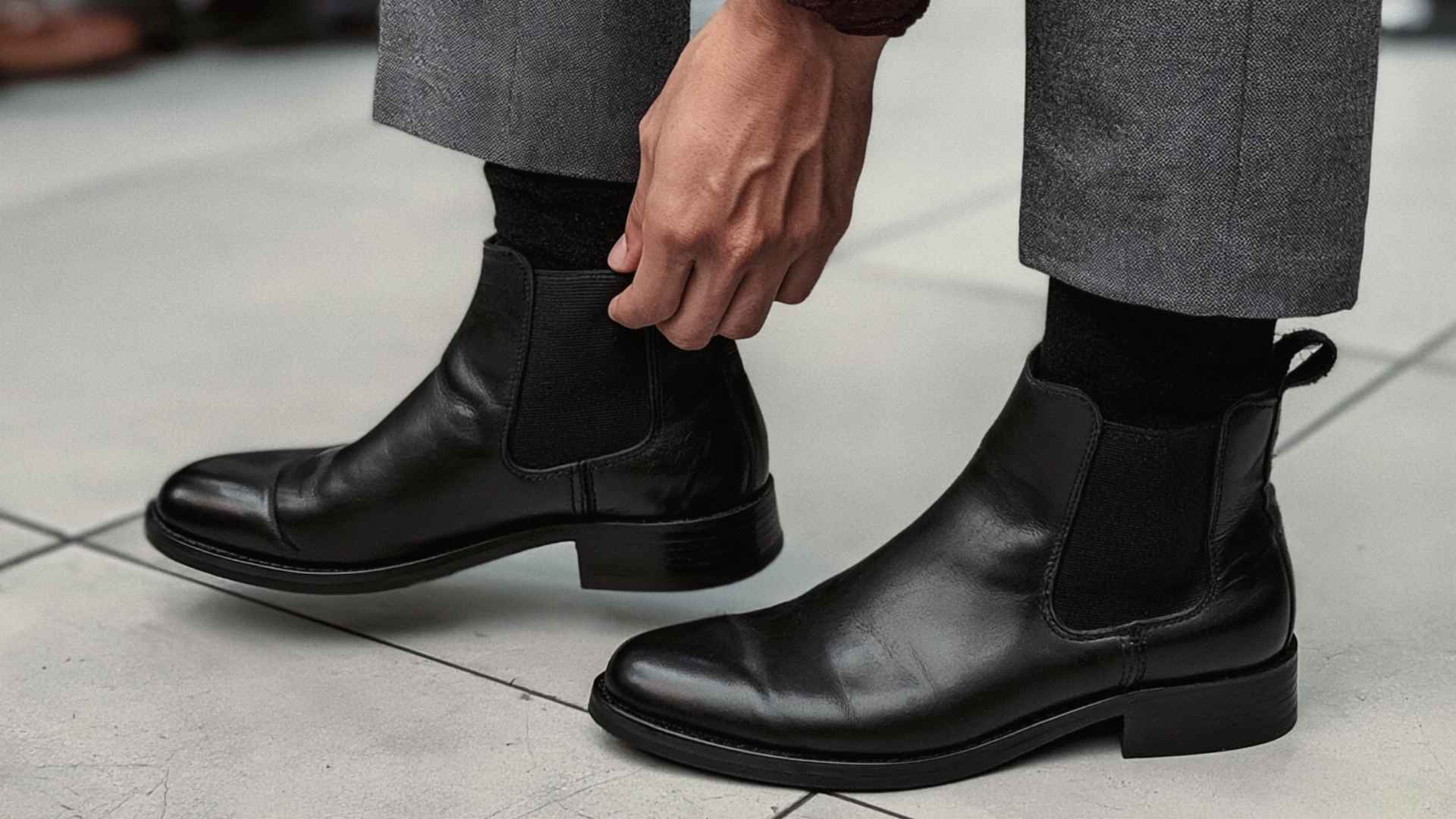
Sometimes it’s obvious a boot isn’t working for you. Other times the signs are smaller and easy to brush off. Watch for these:
- Your heel lifts or pops out slightly with each step
- The top of your foot feels pinched once you sit down
- You can see a visible gap along the ankle panels
- Your toes feel jammed against the front after walking for a while
Any one of these on its own might not be a dealbreaker, but two or more usually means the size or width just isn’t right for your foot.
Low Instep vs. High Instep Fit Issues
Your instep height affects how Chelsea boots fit. A low instep can leave extra space near the elastic panels, making the boot feel loose. A thin insole may improve the fit.
A high instep can create pressure across the top, even in the right size. Instead of changing sizes, look for a boot shape that matches your foot, such as a deeper vamp or softer leather.
How to Measure Your Foot at Home
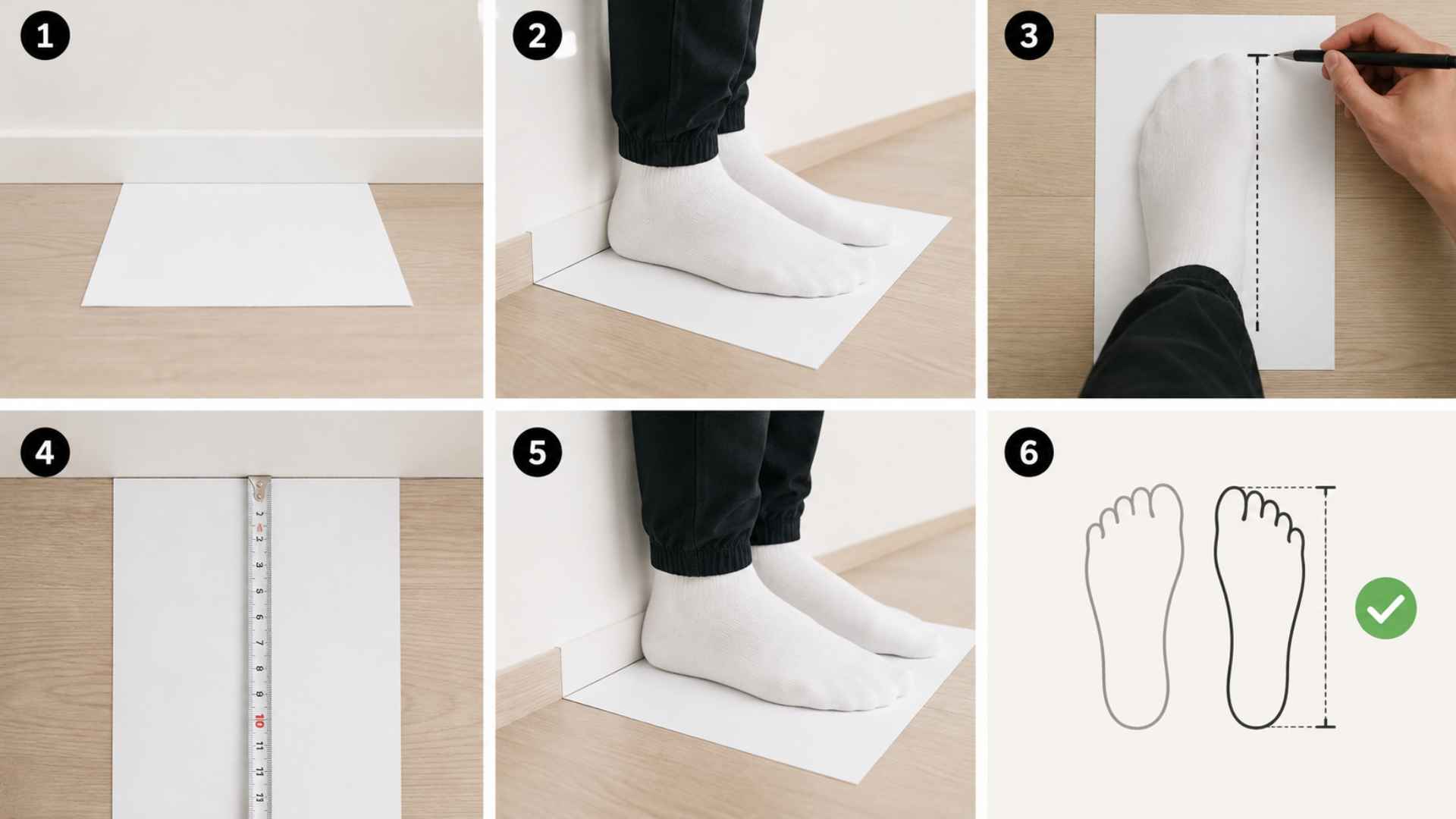
You don’t need anything fancy. A piece of paper, a pen, and a wall will get you a solid measurement in under five minutes.
- Place a sheet of paper on the floor with one edge pushed flat against a wall.
- Stand on the paper with your heel touching the wall. Keep your weight even on both feet, not leaning back.
- Mark the floor at the tip of your longest toe. This isn’t always your big toe, so check.
- Measure the distance from the wall edge to your mark in centimeters or inches.
- Repeat the whole thing with your other foot, since most people have one foot slightly bigger.
- Use the larger measurement when you check a size chart. It’s always safer to fit your bigger foot than your smaller one.
Pro tip: Measure in the evening, not first thing in the morning. Feet swell a little through the day, so an evening measurement gives you a more realistic number to shop with.
How to Fix a Fit That’s Slightly Off
Not every fit problem means you need a new pair. A few small tweaks can rescue a boot that’s close but not quite there.
For boots that feel a bit tight, a leather stretcher used at home can ease things out over a few days. Wearing thicker socks during the first week of break-in also helps soften stiff spots.
For boots with slight heel slip, a heel grip insert can hold your foot in place without changing how the boot looks from the outside.
If the fit is way off, though, don’t force it. Go up or down half a size, or try the same style from a different brand. Every bootmaker shapes their last a little differently.
Conclusion
At the end of the day, knowing how Chelsea boots should fit comes down to a few key spots: a heel that stays put, ankle panels that hug without pinching, and toes that have room to move.
Suede and leather behave differently over time, so keep that in mind before assuming a slightly loose pair will work itself out.
If something feels off after a week of wear, small fixes like a leather stretcher or heel grip can often solve it without needing a whole new pair.
Trust your feet over the mirror, and give the boots a fair shot before deciding they’re wrong for you.
Frequently Asked Questions
Do Chelsea Boots Run Big or Small?
Most run true to size. Avoid sizing down just because there are no laces, since this often leads to squeezed toes and unnecessary discomfort.
Should Chelsea Boots Feel Tight when New?
Yes, slightly snug is normal at First. The leather or Suede Will Loosen with Wear, so Starting Snug Prevents Sloppiness Later On.
How Long Does It Take to Break in Chelsea Boots?
Usually one to two weeks of regular wear. Suede softens faster than leather, which can take a bit longer to fully shape to your foot.