Ever caught yourself mid-braid, fingers moving on autopilot, and wondered where braids originated in the first place? I did too, and once I started digging, I couldn’t stop.
What began as a simple curiosity turned into hours spent reading about rock paintings in the Sahara, tomb carvings in Egypt, and bog bodies pulled from Iron Age wetlands.
Braiding, it turns out, is one of the oldest things humans have done with their hands. Every continent seems to have its own version, its own reasons, its own quiet rules about who braids what and why.
So I pulled together region by region, century by century, because the story behind those crossed strands is a lot bigger than I expected.
The Earliest Evidence of Braided Hair
The earliest confirmed evidence of braided hair comes from a rock painting discovered in the Sahara Desert.
Dating back to around 3500 BCE, the artwork shows a woman wearing a hairstyle that resembles cornrows, making it the oldest known recorded image of braids.
The Venus of Willendorf, a 25,000- to 30,000-year-old carved figure from Austria, may show early hair styling, though the patterns on her head remain debated. They could represent braids, a woven cap, or a basket.
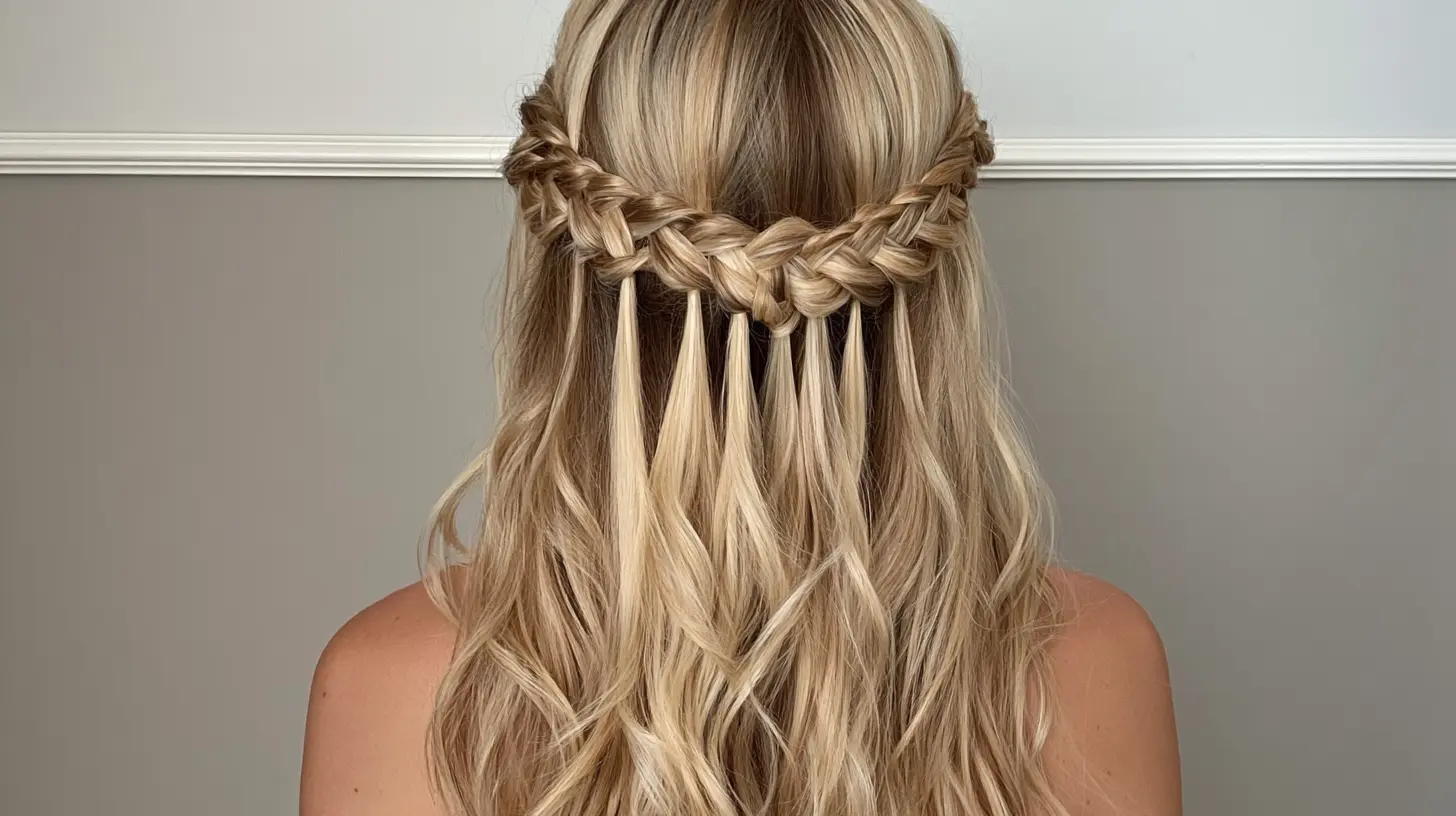
In contrast, ancient Sahara paintings provide clearer evidence of braiding traditions. Dutch braids use an underhand technique, crossing strands beneath each other to create a raised braid.
Braids Through History
Braids have traveled through thousands of years, carrying stories of culture, identity, and tradition. From ancient civilizations to modern communities, braided hairstyles continue to hold deep meaning.
| Time Period | Key Event |
|---|---|
| 25,000 to 30,000 BCE | Venus of Willendorf possibly shows braided hair, though debated |
| 3500 BCE | Sahara rock painting shows the oldest confirmed image of cornrows |
| 3000 BCE | Cornrows used in Africa to show identity, age, and status |
| 1000 BCE | Egyptians wore braided wigs, especially among nobles |
| Iron Age | Northern European bog bodies found with braided hair |
| Middle Ages | European women wore crown braids with veils |
| 1500s to 1800s | Enslaved Africans used cornrows to preserve identity and share messages |
| 1979 | Bo Derek’s cornrows in 10 popularized the style in the West |
| Today | Braids remain protective styles and cultural symbols |
From ancient artwork to today’s fashion and cultural movements, braids remain a powerful symbol of heritage and self-expression. Their history shows how hairstyles can preserve stories across generations.
If you’ve never given braiding your own hair a shot, the technique takes a little practice at first but gets much easier once your fingers learn the pattern
Braiding in Ancient Africa
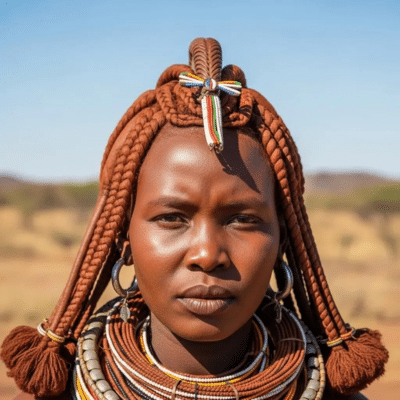
Africa holds the deepest and best-documented braiding history in the world. Cornrows date back to around 3000 BCE, and they were never just a style choice.
- A person’s braid pattern could show their tribe, age, or marital status
- Wealth, religion, and even personality showed up in the hair
- Warriors and kings wore certain patterns to mark their rank
Different regions grew their own signature looks. Fulani braids, from the Fulani people of West Africa, often hang long on the sides with beads or shells woven in.
Ghana braids, first shown in carvings from around 500 BCE, are flat and tight against the scalp. Box braids trace back even further, to roughly 3500 BCE. Braiding wasn’t a quick task either.
It was often a slow, shared moment between family or friends, sometimes lasting hours or days, with stories and lessons passed down the whole time.
Over time, stylists also built out several style variations on this same base technique, each with its own twist on the classic look.
Pro tip: For protective styles like cornrows or box braids, part size matters. Smaller parts last longer but take more time, while larger parts are quicker but need earlier touch-ups.
Braids in Ancient Egypt
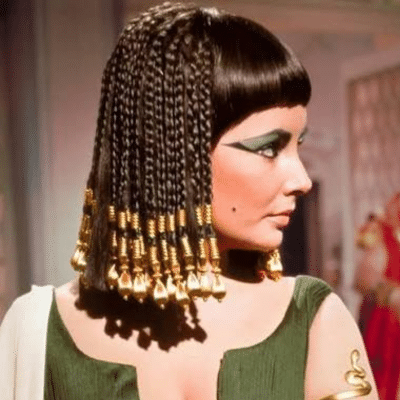
Walk through Egyptian tomb art, and braided hairstyles appear throughout the paintings and carvings. The earliest known evidence of hair braiding in Egypt comes from Saqqara, a burial site linked to the first dynasty of pharaohs.
Braids were not limited to natural hair. Egyptian nobles often wore braided wigs made from human hair or plant fibers, sometimes decorated with gold threads, beads, or dyes.
Pro tip: In ancient Egypt, braids expressed identity, social status, age, and roles, serving as both beauty practices and cultural symbols.
Braids in Ancient Greece and Rome
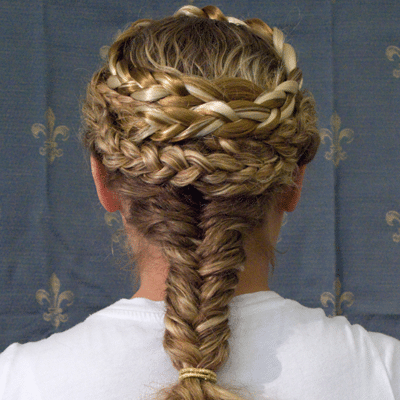
In ancient Greece, hairstyles often reflected a person’s social position and lifestyle. Wealthy women commonly wore tall, intricate braided updos that required careful styling and the help of servants.
These elaborate designs involved hours of arranging, twisting, and securing the hair. Women from working-class backgrounds usually chose simpler styles, such as loose braids or basic knots that were easier to maintain.
Ancient Rome followed a similar pattern, where complex braided hairstyles were linked with wealth, status, and the ability to spend time on personal grooming.
Braids Among Indigenous American Tribes
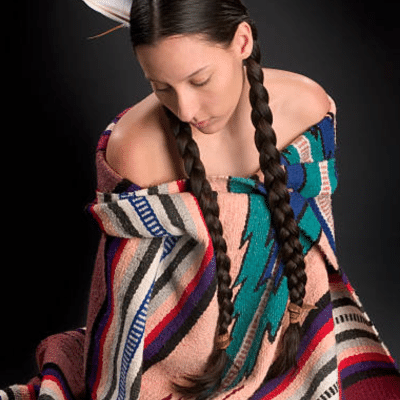
Across Indigenous nations in North America, braiding carries deep spiritual weight. Many tribes see the three strands of a braid as a symbol.
| Strand | Common Meaning |
|---|---|
| First strand | Body |
| Second strand | Mind |
| Third strand | Spirit |
This meaning isn’t universal across every tribe, since traditions and symbols shift from nation to nation. But the idea of braiding as something sacred, not just decorative, shows up again and again.
Pro tip: For many communities, hair itself is treated with care and respect, and cutting it can carry its own ceremony and meaning.
Braids in Northern Europe
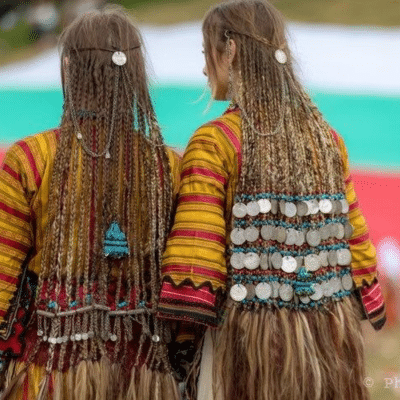
Long before Vikings became a Hollywood staple, people across Northern Europe were already braiding their hair.
- Bog bodies from the Iron Age have preserved braided hairstyles, showing early European hair traditions.
- Celts, Germanic tribes, and Slavic groups used braids in different regional styles and patterns.
- Viking grooming tools and combs show that Norse people valued hair care and appearance.
- Evidence does not strongly support the dramatic Viking braids often shown in modern media.
Most evidence points to simpler, practical styles built for life at sea, not elaborate warrior braids. So next time you see a “Viking braid” tutorial online, know that it’s mostly modern imagination layered onto a much simpler truth.
Viking Braids vs Black Braiding Traditions
Viking-inspired braids and Black braiding traditions can look similar, but their origins, techniques, and cultural meanings differ.
| Feature | Viking Braids | Black Braiding Traditions |
|---|---|---|
| Origins | Inspired by Norse grooming traditions, though many modern versions are not historically documented | Developed across African communities over thousands of years |
| Historical Evidence | Evidence shows Norse people cared about grooming, but elaborate warrior-style braids have limited support | Strong historical and cultural evidence exists for braiding across different African regions |
| Common Styles | Thick braids, tied-back hair, shaved sides, beads, and leather details in modern versions | Cornrows, box braids, Fulani braids, Ghana braids, and many regional styles |
| Cultural Meaning | Today, often linked with Norse-inspired fashion and warrior imagery | Can represent family, age, status, heritage, community, and identity |
| Modern Influence | Heavily shaped by movies, TV, and contemporary styling | Continues as both a cultural tradition and a widely worn protective hairstyle |
The main difference comes down to history. Modern Viking braids are largely Norse-inspired interpretations, while Black braiding traditions come from long-established cultural practices passed through generations.
Braids in Medieval Europe
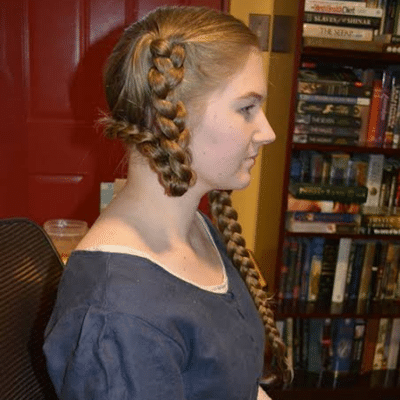
By the late Middle Ages, loose hair had a bad reputation. Women were expected to keep their hair covered or tightly styled, since flowing hair was seen as improper, even scandalous.
An older woman caught with her hair uncovered could face real social punishment, in extreme cases even accusations of witchcraft. Braids became a practical workaround.
Styles like the crown braid, fishtail braid, and double braided bun let women keep their hair neat and modest, usually tucked beneath a veil or headpiece. The braid did the styling work, even if no one else could see it.
Braids in South Asian Traditions
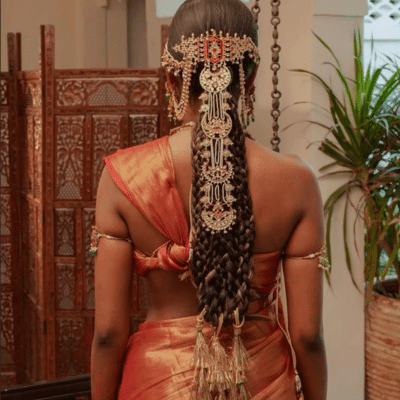
South Asia has its own long relationship with plaited hair, and references appear in Hindu literary traditions as well.
The Mahabharata includes descriptions of long plaits, braided hair, hair knots, scented oils, and flowers used to decorate the hair.
Arjuna, while living in disguise as Brihannala, is even described wearing his hair in a long plait. Other passages show carefully arranged hair as part of everyday grooming and appearance.
There was never one single “South Asian braid,” though. Styles shifted across regions, communities, ceremonies, and periods. Long plaits, flower-decorated braids, and oiled hair all became part of different traditions, many of which still show up in South Asian wedding and celebration hairstyles today.
Braids in Ancient China
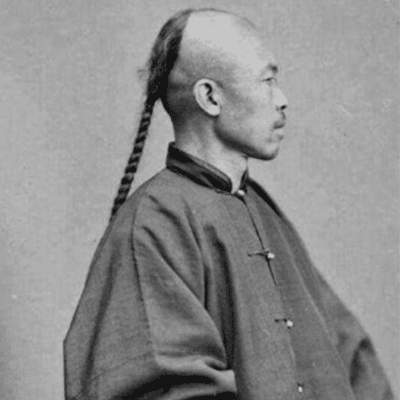
In China, braiding history took a political turn. During the Manchu dynasty, the government forced people to wear a specific braided style as a sign of loyalty and rank.
Farmers and rural workers wore braids down the back as part of daily life for generations. When the Manchu dynasty finally fell, cutting off the mandated braid became a symbol of freedom and change.
Fun Fact: IIn cities, braids faded quickly, but rural communities deeply valued the tradition, with some defending it despite serious risks.
Hair Styling Among Japanese Geisha and Maiko
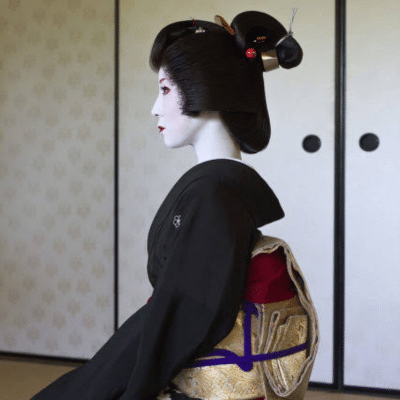
Geisha and maiko hairstyles sometimes get grouped into braid history, but technically, most of their signature looks are not traditional braids at all.
Their hair belongs to the Japanese tradition of nihongami, where sections are carefully shaped, tied, pinned, and formed into structured buns. Maiko usually style their own natural hair, while experienced geiko often wear carefully fitted wigs.
For maiko, the hairstyle can even show where she is in her apprenticeship. Styles such as wareshinobu and ofuku appear at different stages, while seasonal kanzashi hair ornaments add another layer of meaning.
Maintaining these styles takes so much work that maiko traditionally sleep on raised pillows to avoid flattening their hair overnight.
Braids and the Transatlantic Slave Trade
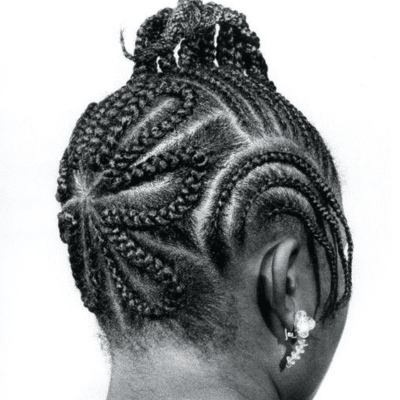
During the transatlantic slave trade, braiding took on a new and powerful role. Enslaved people, stripped of nearly everything familiar, held onto braiding as one of the few traditions they could keep.
In some documented cases, cornrow patterns were even used to map out escape routes or pass along quiet messages, hidden in plain sight within the hair itself.
This period turned braiding into more than a style. It became a form of survival, memory, and quiet resistance, carried forward across generations even under the harshest conditions.
Types of Braids and Where They Come From
Braiding has grown into dozens of styles over the centuries, and each one carries its own backstory. Braided hairstyles carry unique histories, from African traditions to European techniques shaped by culture and creativity.
- Cornrows trace back to Africa around 3000 BCE. They’re braided tight against the scalp in straight or curved rows and were often used to show tribe or rank.
- Fulani braids come from the Fulani people of West Africa. They usually feature long braids gathered toward the sides or center, often decorated with beads or shells.
- Ghana braids first appeared in African carvings around 500 BCE. They’re similar to cornrows but usually thicker, with hair added in as the braid grows.
- Box braids also trace back to ancient Africa, with evidence dating to around 3500 BCE. Unlike cornrows, they hang free from the scalp instead of lying flat against it.
- French braids grew popular in parts of Europe. They’re built by adding small sections of hair as you braid down the head, creating a woven look.
- Dutch braids work almost the opposite way from French braids. The strands cross underneath each other instead of on top, which makes the braid pop out from the scalp.
- Fishtail braids use only two sections of hair instead of three, with small strands crossed back and forth to build a pattern that looks like fish scales.
Each of these styles carries its own history, but many of the most recognizable ones trace straight back to African braiding traditions. Each braid style tells a story of heritage, identity, and personal expression across generations.
Braids Go Mainstream in the West
Braids have long held cultural importance in Black communities. In 1979, Bo Derek’s beaded cornrows in 10 introduced the style to a wider audience, though the look had existed for generations.
Janet Jackson’s box braids in Poetic Justice later gained similar attention. These moments sparked conversations about cultural credit, recognition, and the deeper history of braided hairstyles.
Braids as Identity and Resistance Today
Braids still do double duty today. On one hand, they’re deeply practical. Braids have always been more than a hairstyle.
They offer protection, reflect culture, and carry generations of history, identity, and personal expression across communities worldwide.
- They protect hair from sun, wind, and daily damage
- They lock in moisture and reduce breakage
- They cut down on daily styling time
On the other hand, for many Black communities, wearing cornrows, box braids, or Fulani-inspired styles is also a statement of pride and identity, one that connects directly back to that long African history.
That’s part of why conversations around braids at work or school still carry weight today. It’s never just hair.
Conclusion
What strikes me most about braid history is how many different people, in completely different corners of the world, landed on the same basic idea.
A Sahara artist, a Greek noblewoman, and a Lakota elder never met, yet each found meaning in the same simple pattern of crossing strands. Braids were never just about looking good.
They carried messages, marked identity, and in some cases, helped people survive. That history is still sitting right there on our heads today, whether we think about it or not, tucked into a tradition far older and richer than most of us ever realized.
Frequently Asked Questions
Where Did Braids Originate First?
The earliest confirmed image comes from a Sahara rock painting dated to around 3500 BCE, making ancient Africa the most well-documented early source of braiding.
Are Braids African or European?
Braids appeared in both regions, but Africa has the oldest confirmed evidence. Europe developed its own separate braiding traditions, including among Celts, Slavs, and early Norse peoples.
What Is the Oldest Known Braided Hairstyle?
Cornrows are widely considered the oldest style, with evidence in Africa dating back to around 3000 BCE, based on rock art and archaeological finds.