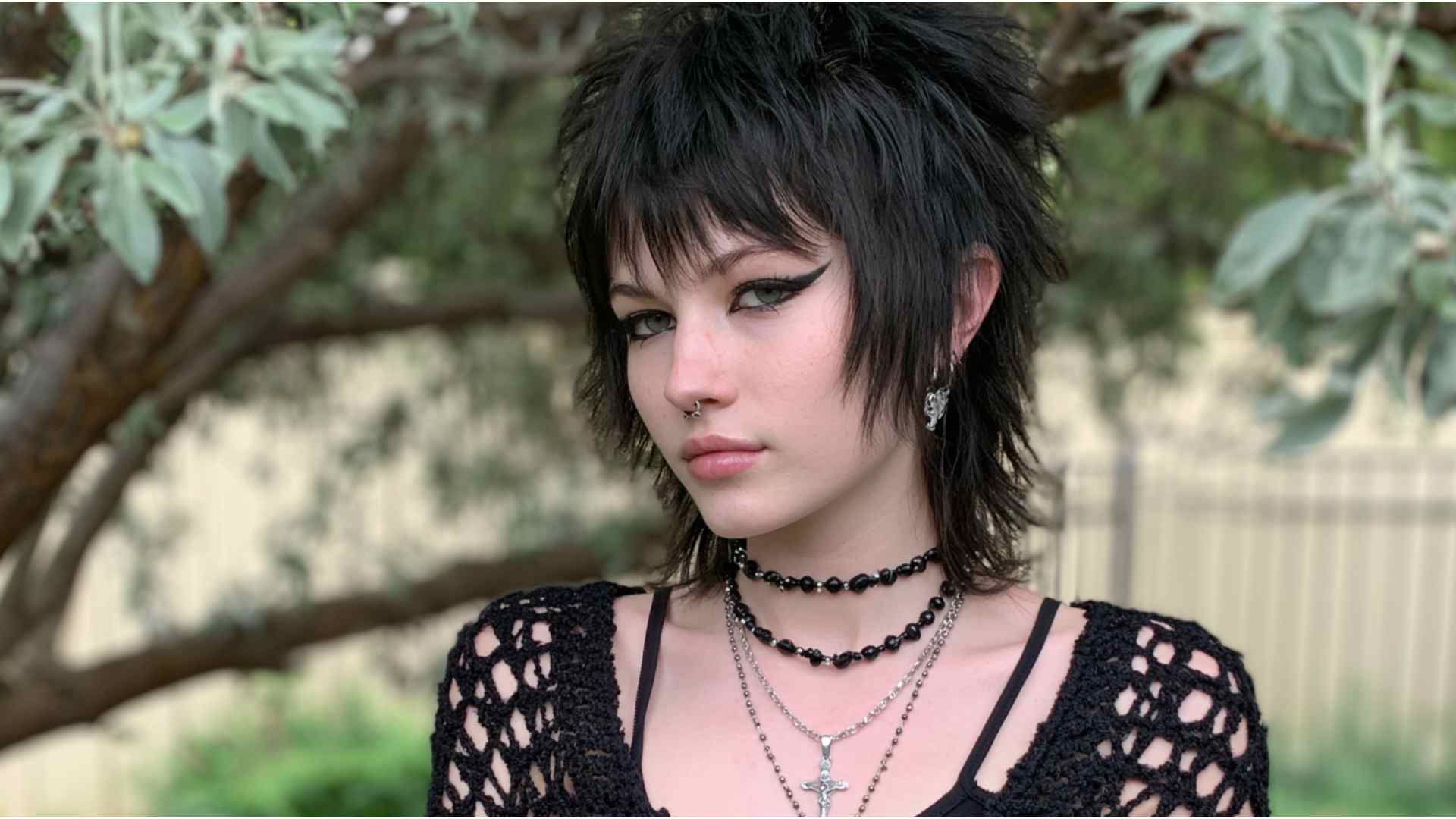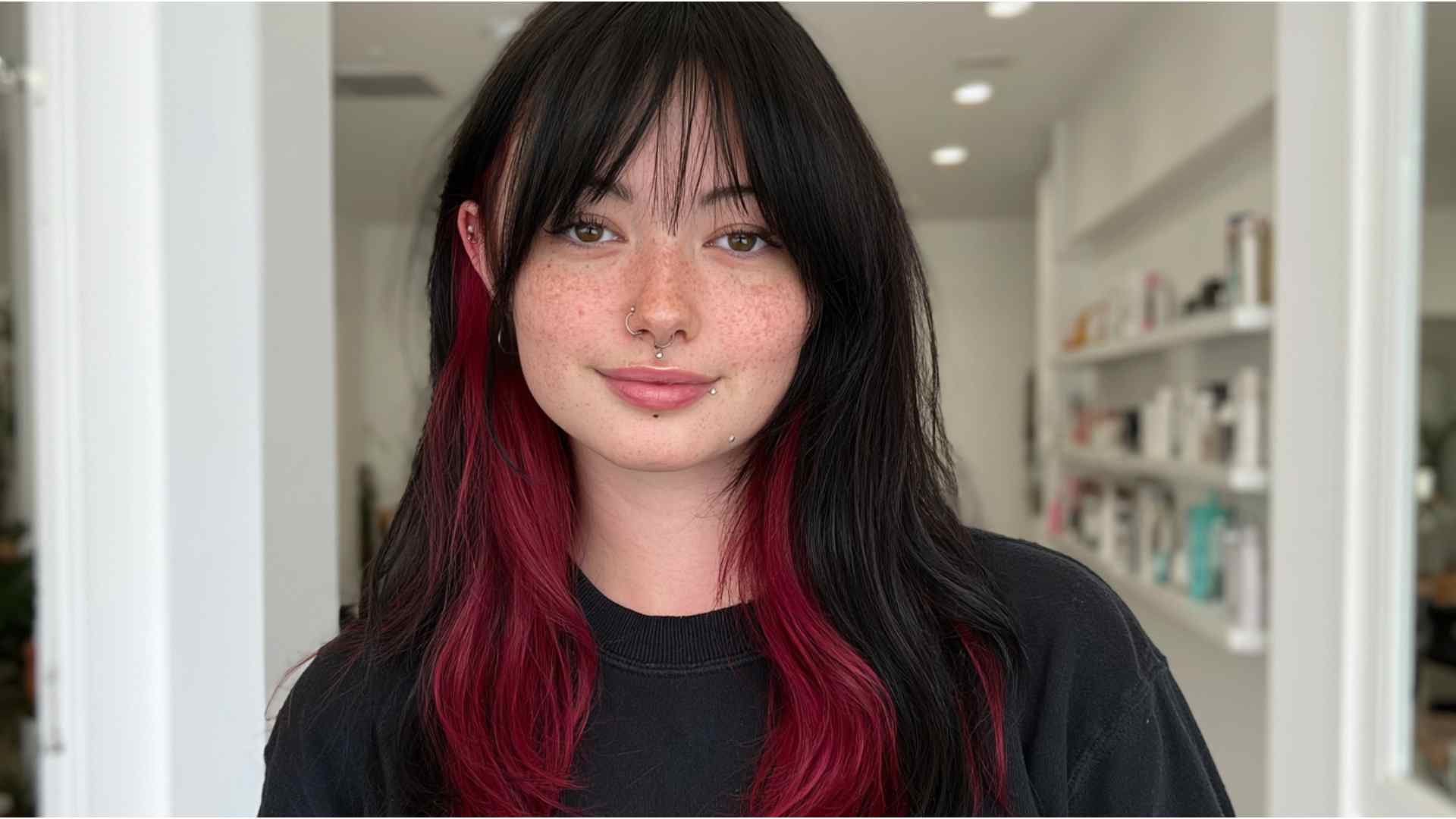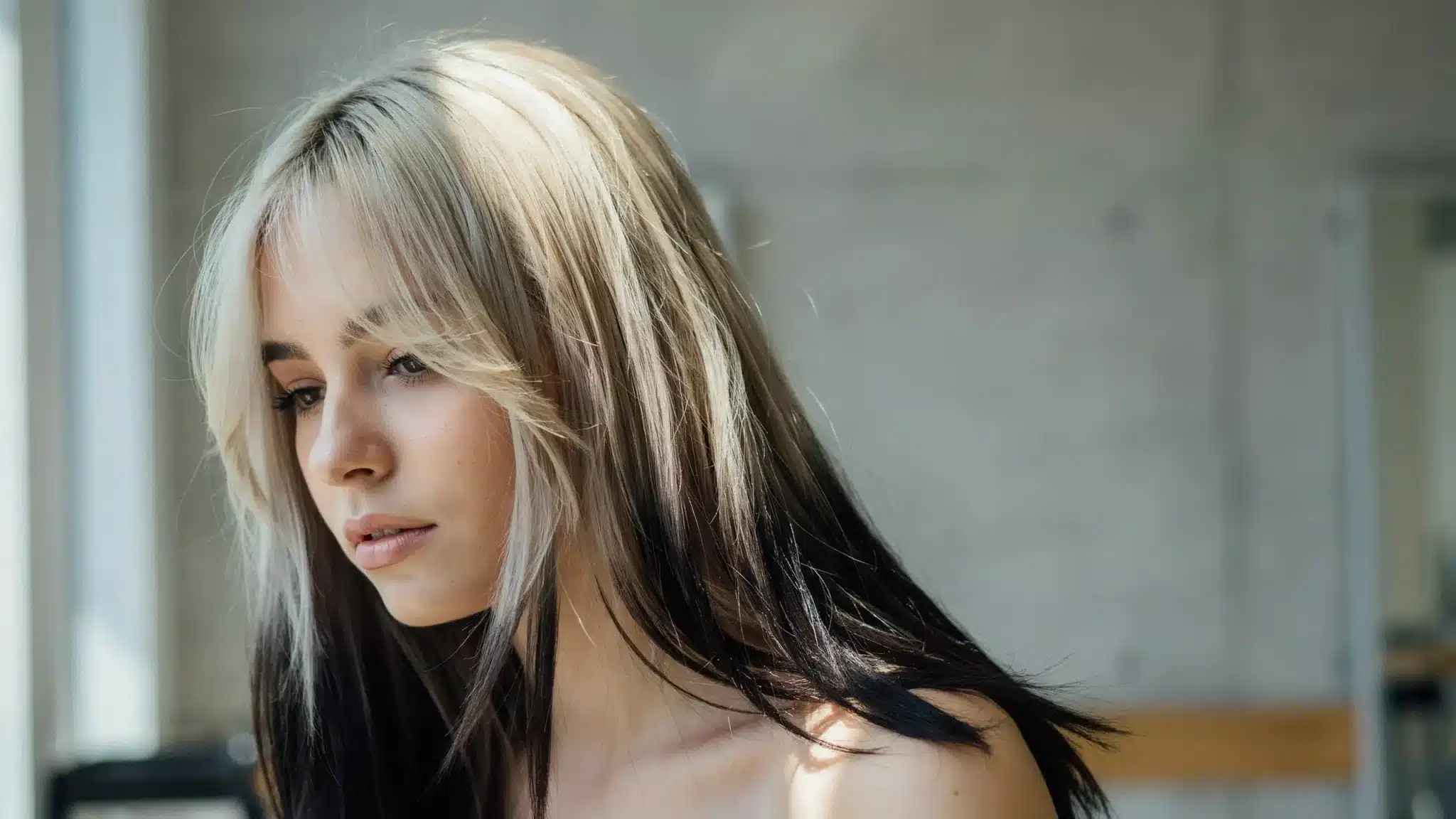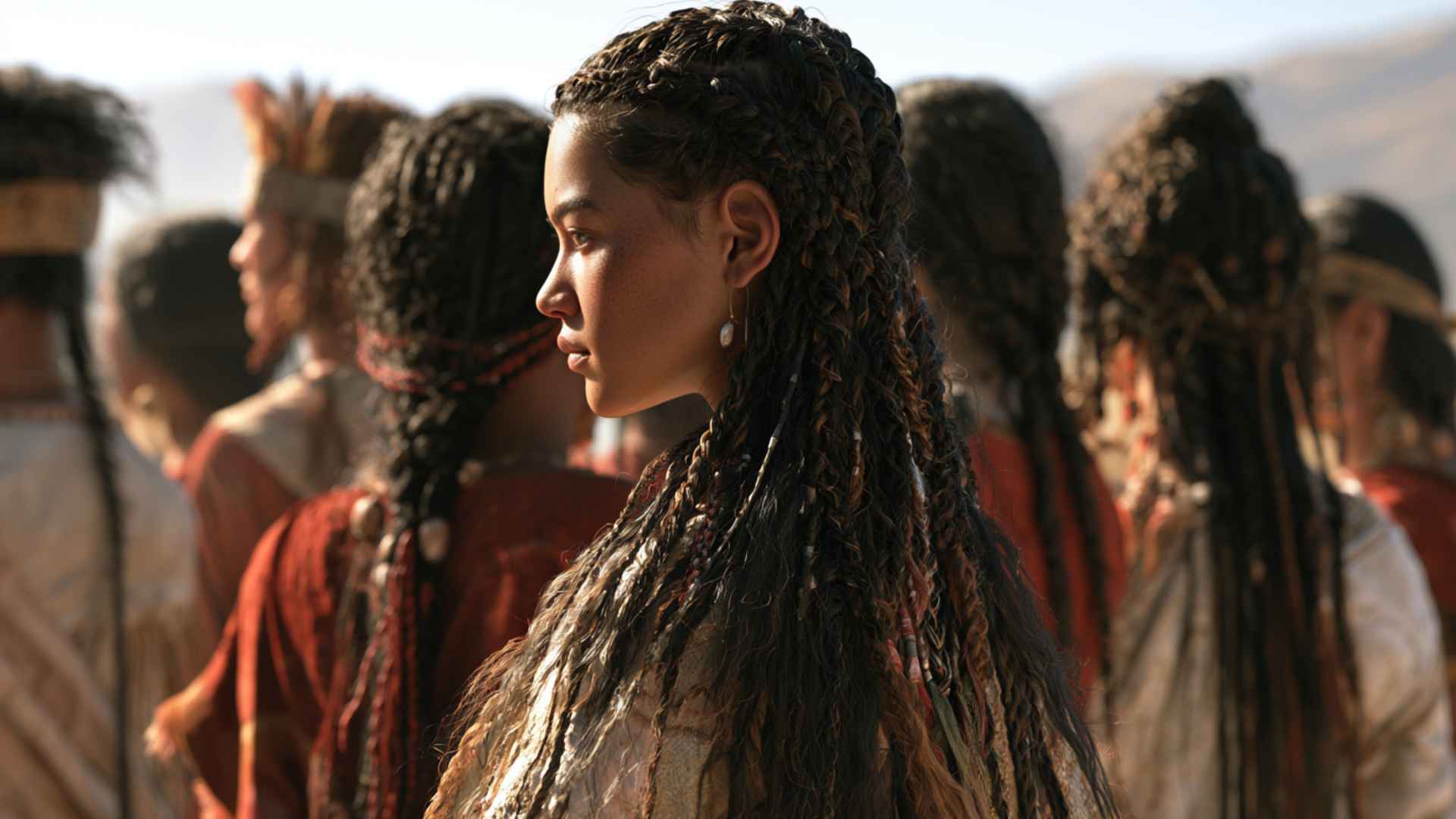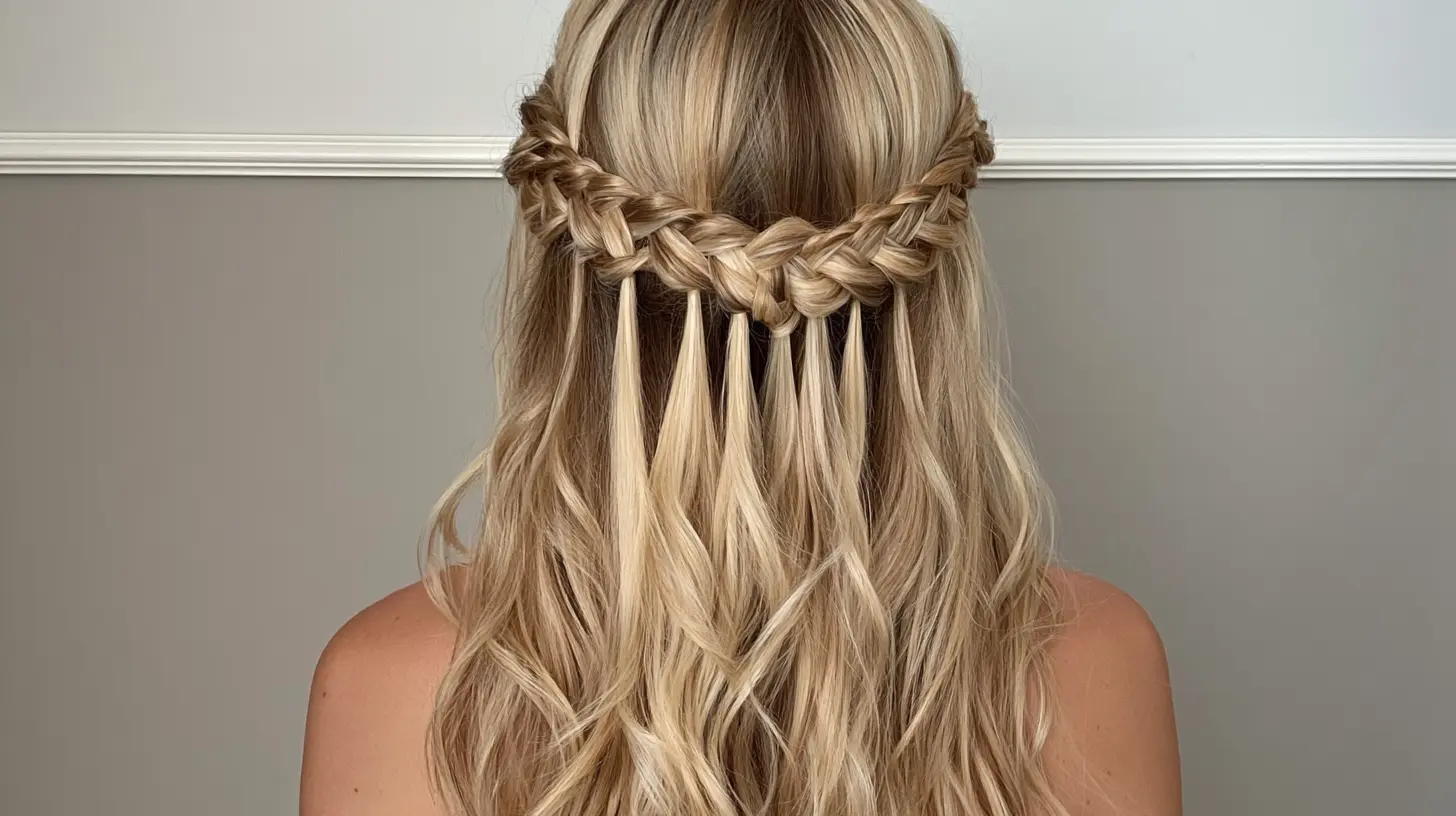
French braids remain one of the most versatile hairstyles for casual days, workdays, and special occasions.
The technique works across nearly every hair length and texture, from short bobs to hair that reaches the waist.
A few small changes in sectioning or tension turn the same basic braid into a different look. A soft side braid suits a relaxed day, while a tighter crown braid suits a formal event.
Thick strands hold detail well, and fine hair often looks fuller with a slightly loosened braid. Once you understand the core technique, switching between styles is mostly a matter of practice and a few small habits.
What is a French Braid?
A French braid starts with three small sections of hair near the crown. As you braid, you gradually add more hair from each side until you reach the nape, or wherever you choose to stop.
This technique keeps the braid close to the scalp and produces a neat, secure finish that holds up through a full day.
Hair itself is made mostly of a tough structural protein called keratin, which gives each strand the strength to hold tension without breaking.
French braid can look a lot like a standard three-strand braid, since both start with the same basic crossing pattern near the top of the head.
The confusion usually comes in the early stages, before you add any extra hair. Once new sections start joining the braid, the two styles begin to look noticeably different.
French Braid vs Regular Braid
A quick comparison makes the difference between these braid techniques easy to spot.
| Feature | French Braid | Regular Braid |
|---|---|---|
| Sectioning | Adds new sections of hair while braiding | Uses only three sections from the start |
| Placement | Sits close to the scalp | Does not pick up any extra hair |
Once you know these differences, choosing the right braid technique for any style becomes simpler.
Tools You Need for French Braiding
|
Types of French Braids That Are Worth Trying
Braiding has a long history that dates back thousands of years, with early examples found in ancient cultures across Africa, Egypt, and other regions where braids were used for beauty, identity, and tradition.
Here are some French braid styles, organized from classic to trend-forward. Each entry covers who it suits best, along with a pro tip to help you get the look right.
1. Classic French Braid
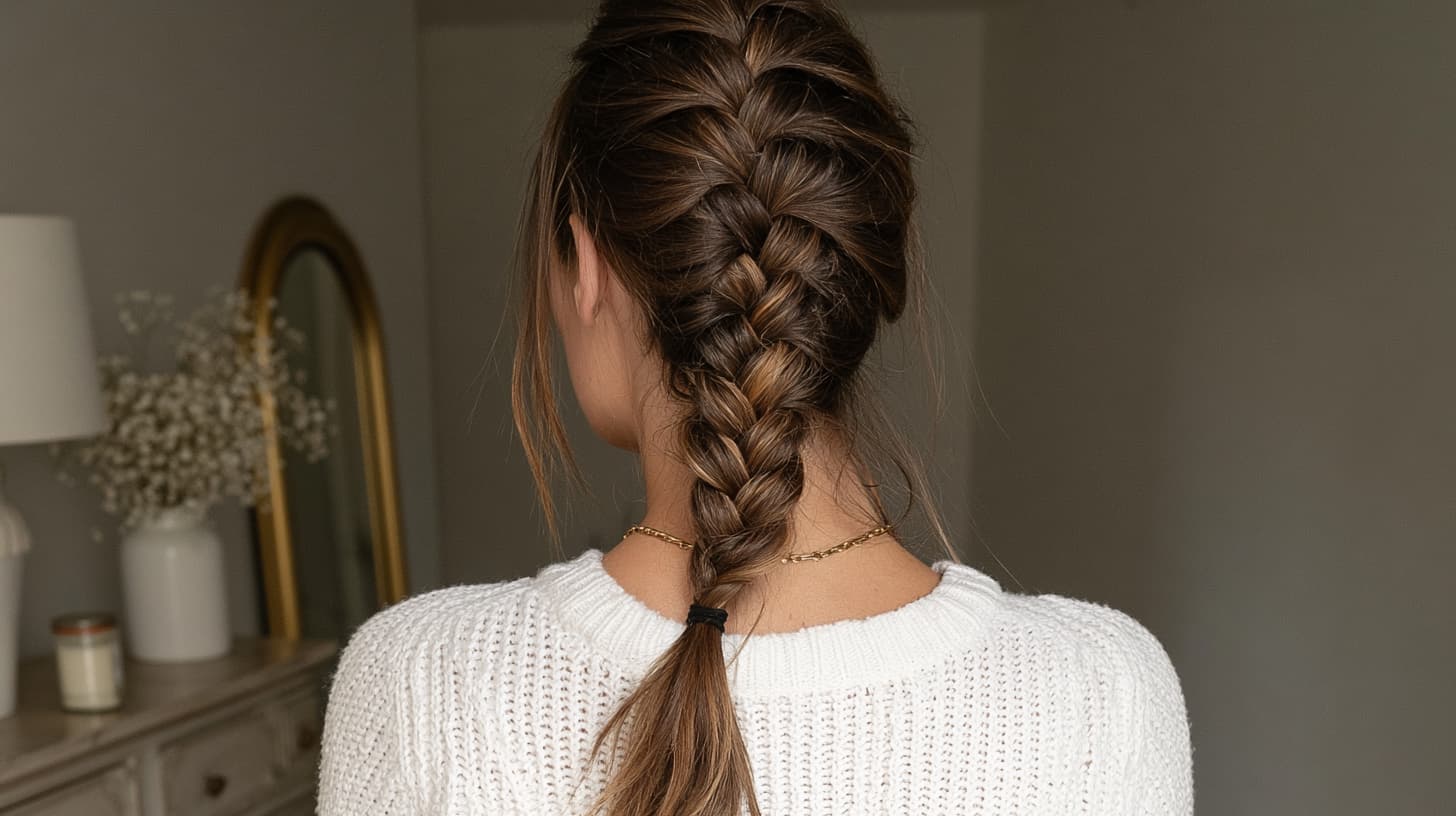
The original three-strand French braid, worked from the crown down to the ends. It suits medium to long hair of any texture and works for everyday wear, since it is the base technique behind almost every other style on this list.
How to achieve it: To braid your own hair, divide it into three equal strands. Cross the right strand over the center, then the left over the center.
Continue the pattern while adding a small amount of loose hair to each outer strand before crossing. Once you reach the nape, finish with a regular three-strand braid and secure it.
Pro tip: Keep tension even throughout so the braid looks uniform from crown to end.
2. Side French Braid
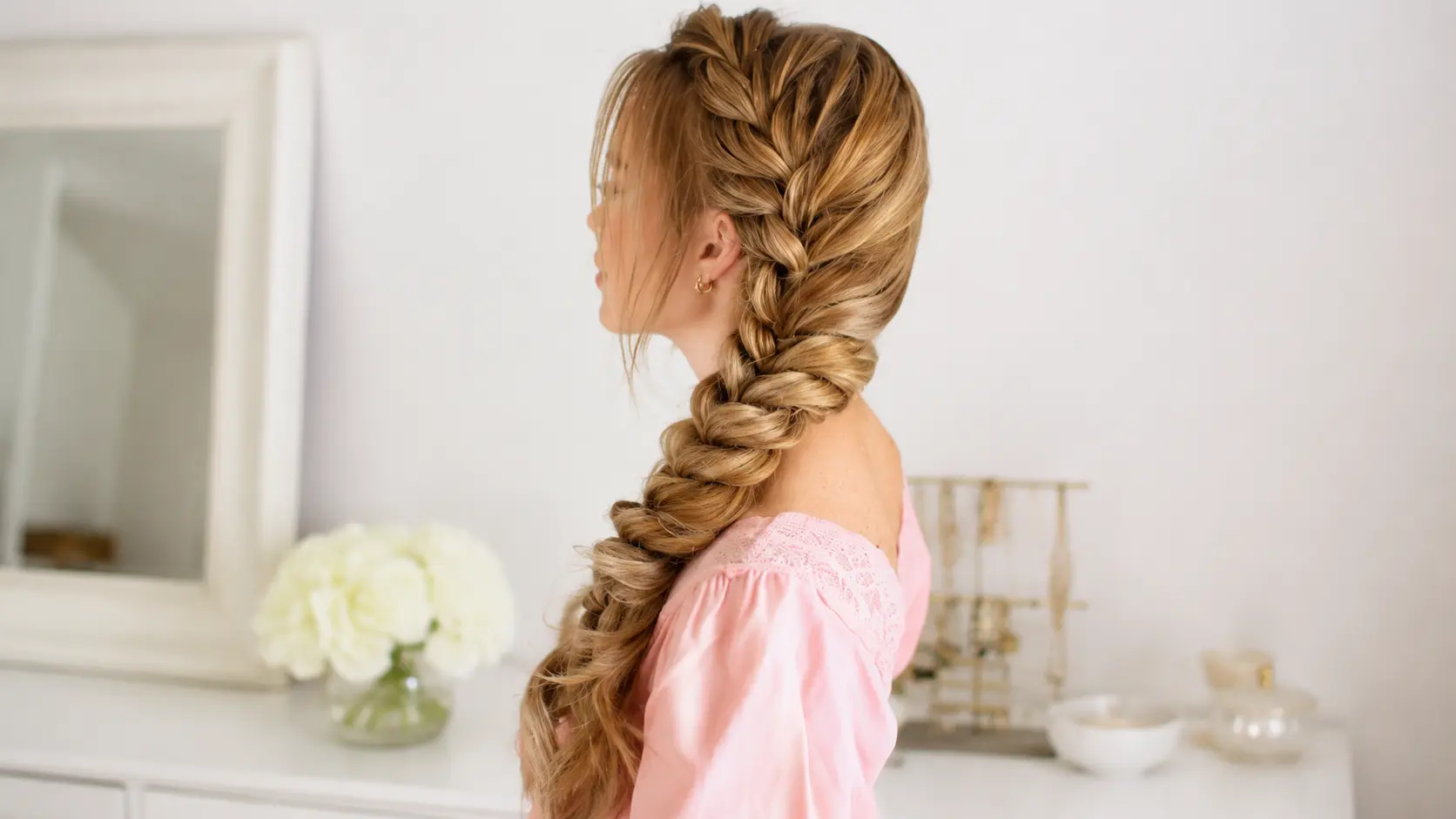
This version starts at one temple and travels diagonally across the head before resting over one shoulder. It works best on medium to long hair, straight or wavy, and suits casual outings.
How to achieve it: Gather a small section near one temple and divide it into three strands. Begin French braiding diagonally toward the opposite side, adding hair from both sides as you go.
Continue behind the ear and bring the remaining length over your shoulder before finishing with a regular braid.
Pro tip: Loosen each section slightly as you braid for a softer, more relaxed finish.
3. French Waterfall Braid
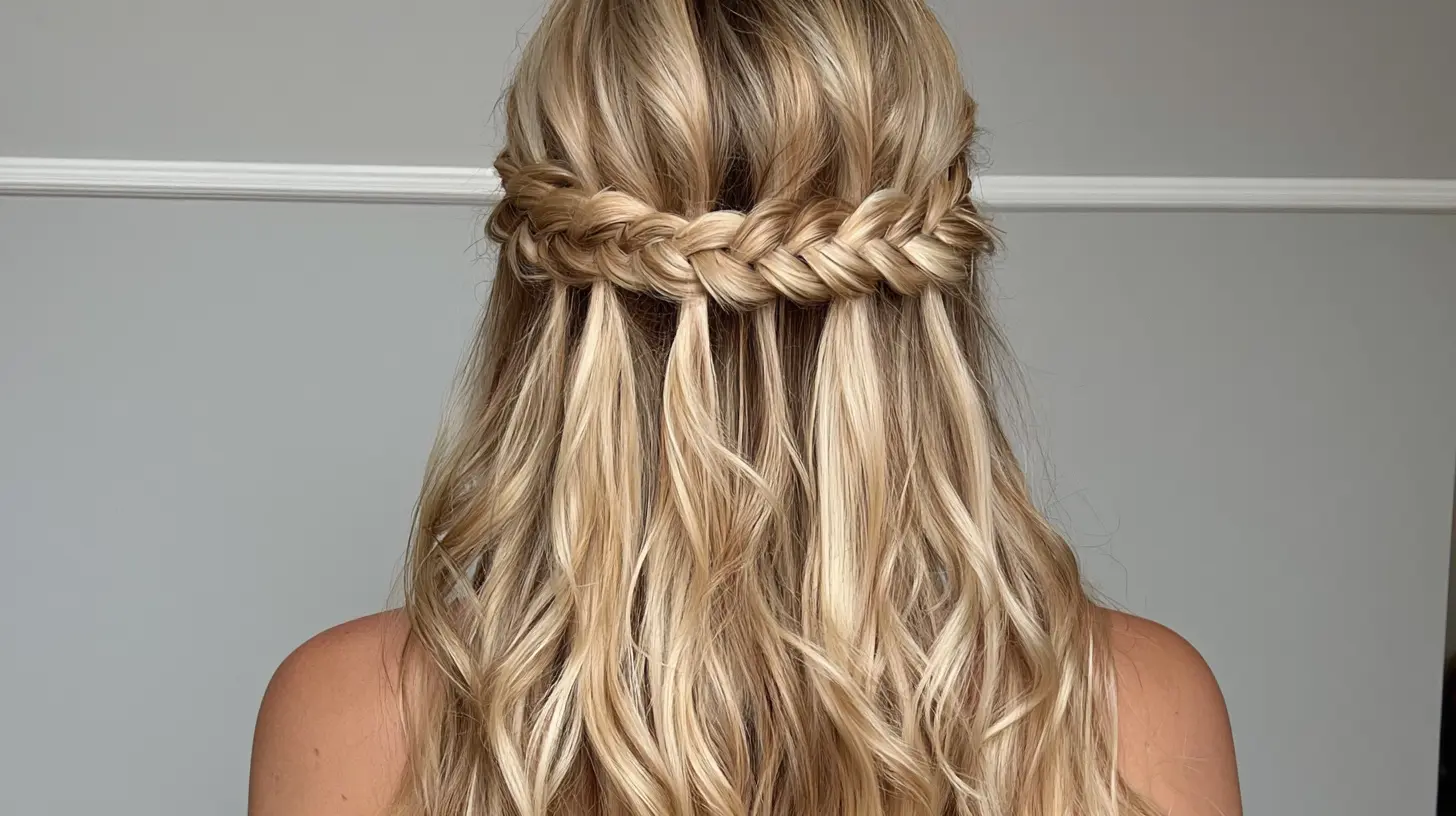
A waterfall French braid creates a cascading effect by releasing sections of hair along the way instead of tucking them in. It looks best on long hair with curls or waves and is ideal for warm-weather events.
How to achieve it: Start with three small strands near your temple and make one regular braid crossing.
Add hair to the top strand, cross it over the center, then drop the bottom strand instead of crossing it again.
Pro tip: Curl your hair first so the released strands fall with soft, defined movement.
4. French Crown Braid
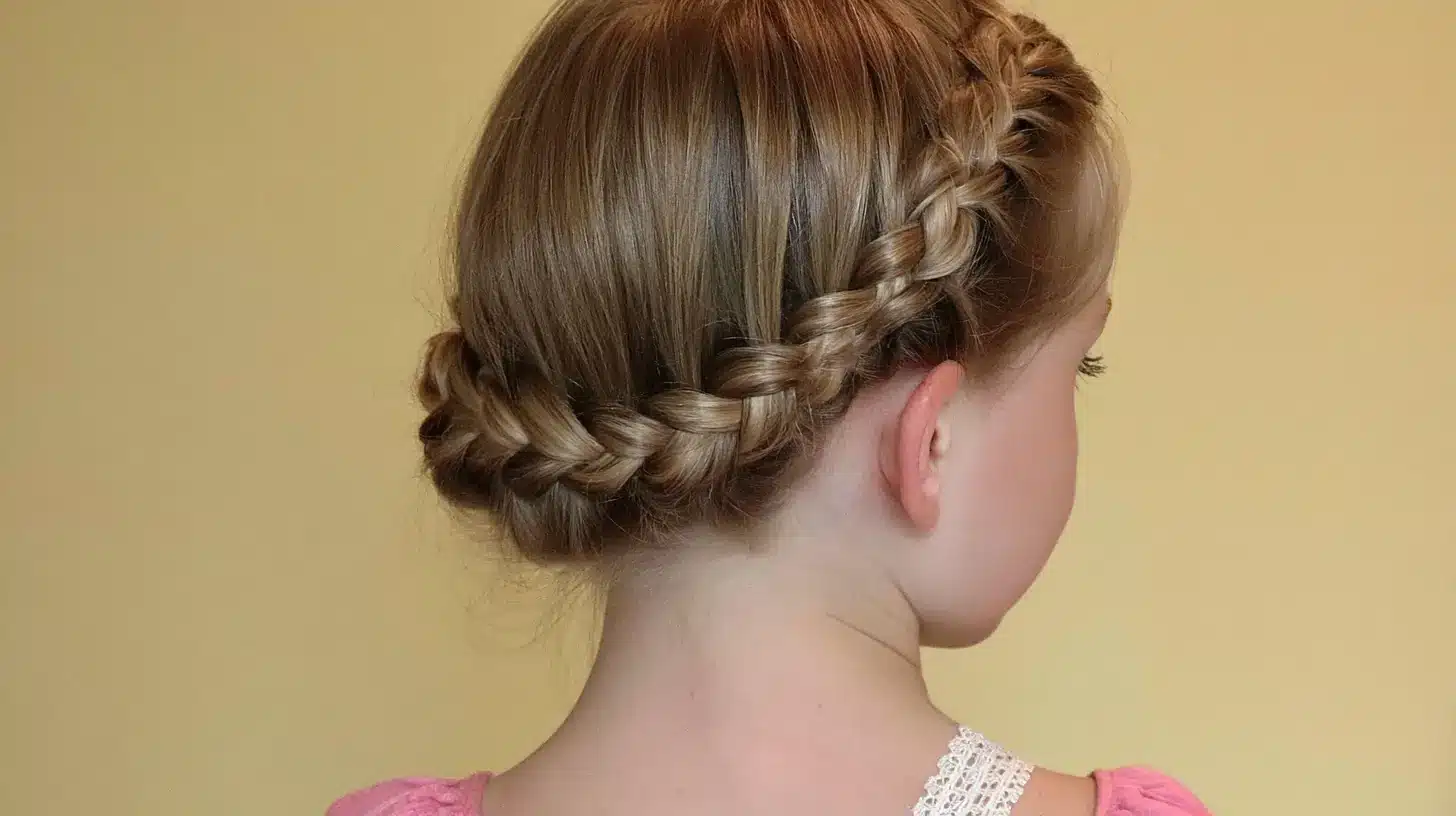
This style wraps a French braid fully around the head, from one temple to the other, sitting like a band across the hairline. It suits long hair and works well for formal events and weddings.
How to achieve it: Make a side part and begin French braiding near one temple. Follow the hairline around the back of the head, continuously adding small sections.
Continue until the braid reaches the starting point, then braid the remaining length normally and tuck the end underneath.
Pro tip: Pin the braid flat against the head so it holds its crown shape all day.
5. French Fishtail Braid
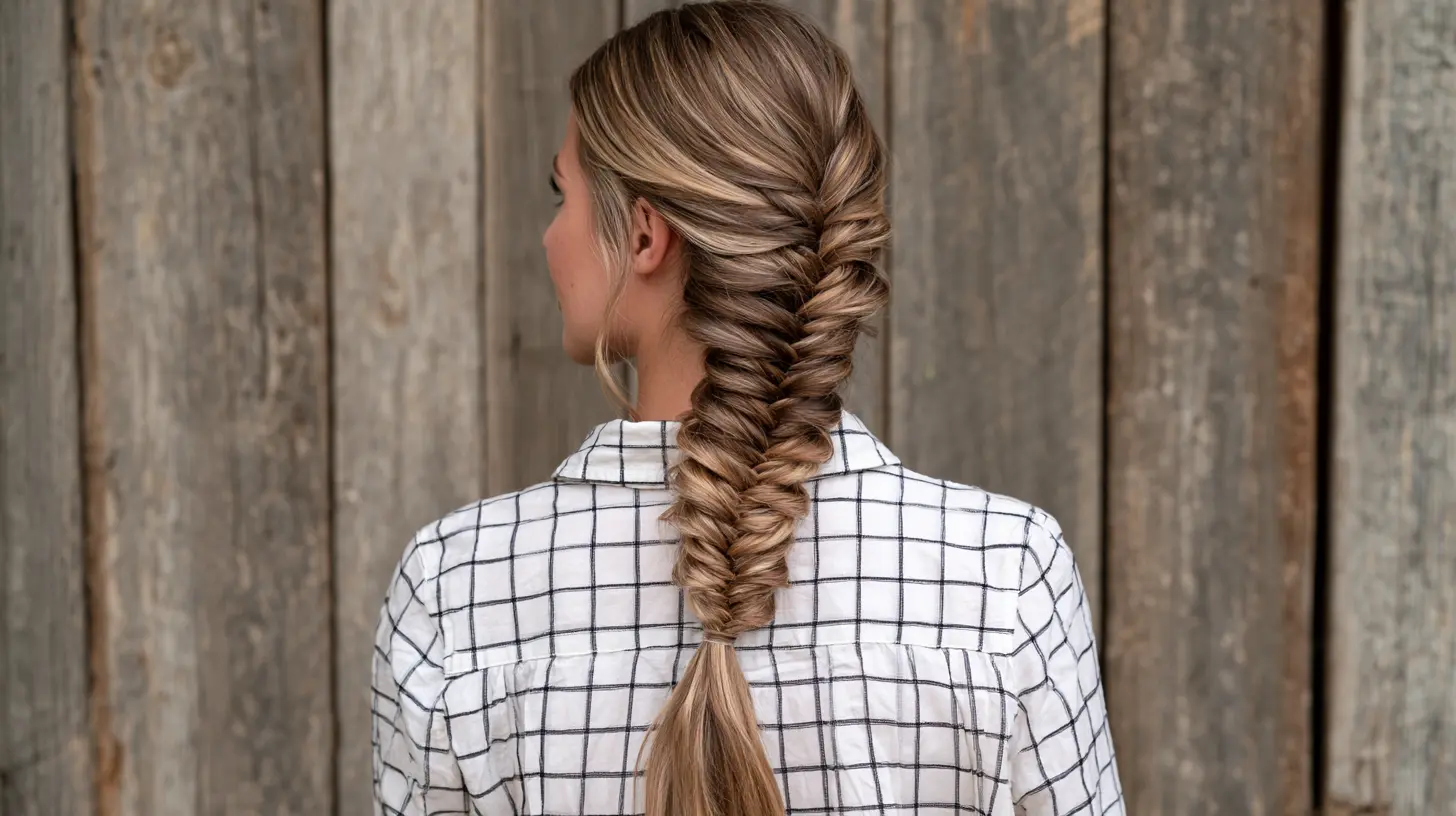
This look combines French braid sectioning with a fishtail pattern, crossing thin pieces between two sections instead of three even strands. It suits thick or medium hair and creates a textured finish for casual outings.
How to achieve it: Divide the starting section into two parts. Take a thin piece from the outside of the left section, add a little loose hair, and cross it into the right section.
Repeat on the opposite side, alternating until all loose hair is incorporated. Finish with a standard fishtail braid.
Pro tip: Keep the strands thin and even for the cleanest fishtail texture.
6. Double French Braids
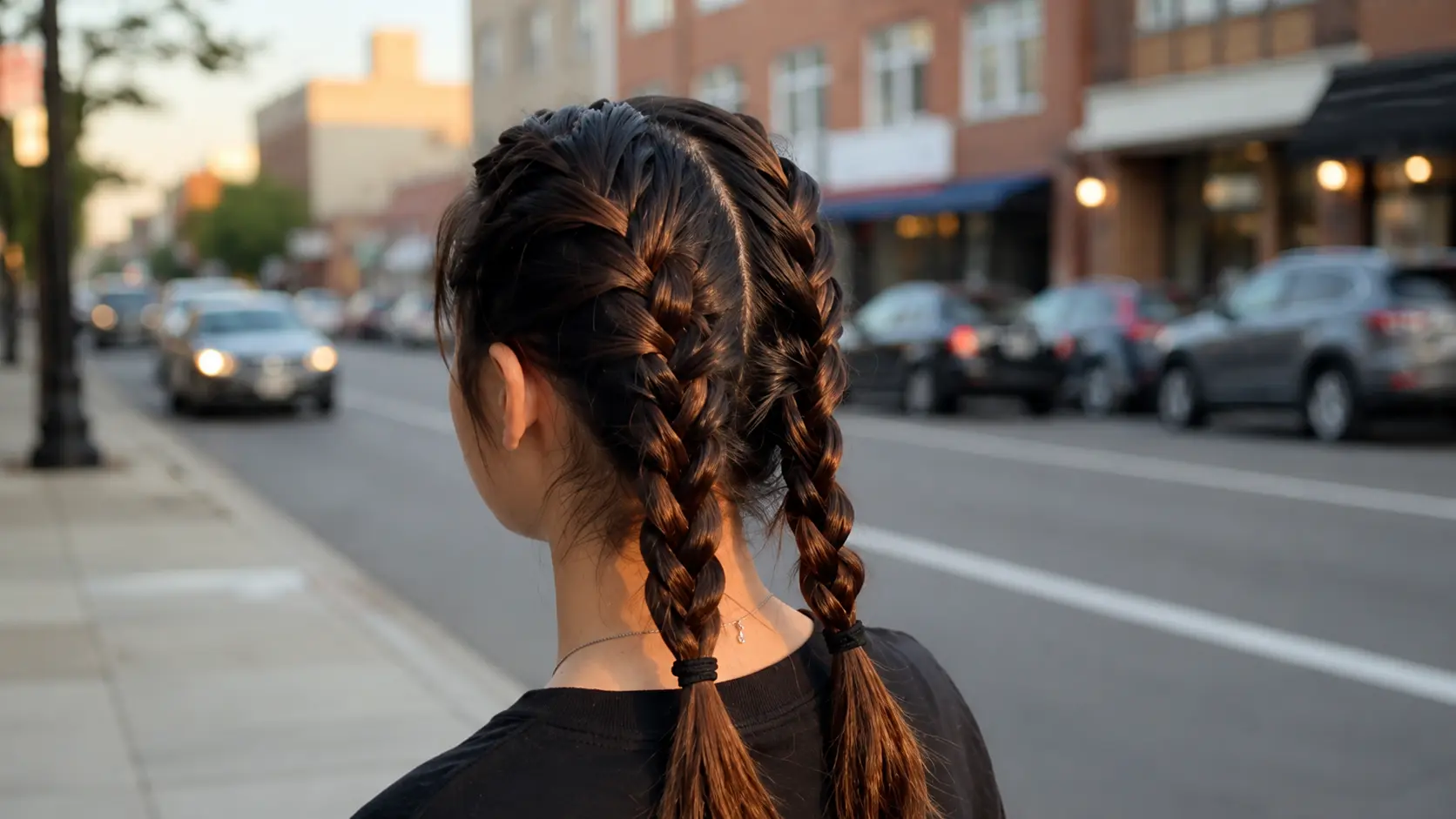
Two matching French braids run along either side of the head, meeting at the nape or continuing down as pigtails. This style works on any hair length and holds up well through active days and workouts.
How to achieve it: Create a clean center part from the forehead to the nape and clip one side away.
French braid the first side from the hairline downward, adding equal amounts of hair as you go. Secure it, then repeat the same steps on the opposite side.
Pro tip: Braid both sides tightly and evenly so they stay secure during movement.
7. French Braid Ponytail
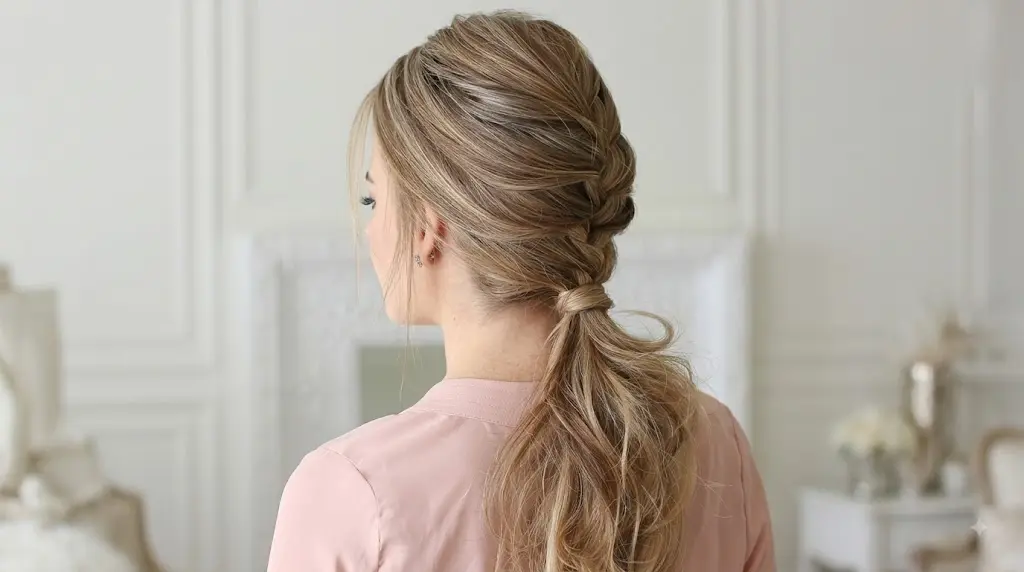
A short French braid section at the crown feeds into a low or high ponytail, adding detail on top without a full braid. It suits medium to long hair and works well for work or school.
How to achieve it: Separate a section at the top of your head and begin a classic French braid. Add hair until the braid reaches the point where you want the ponytail to sit.
Gather the braid and remaining loose hair together and secure everything with an elastic.
Pro tip: Pull the braid slightly wider before securing the ponytail for fuller coverage.
8. French Braid Bun
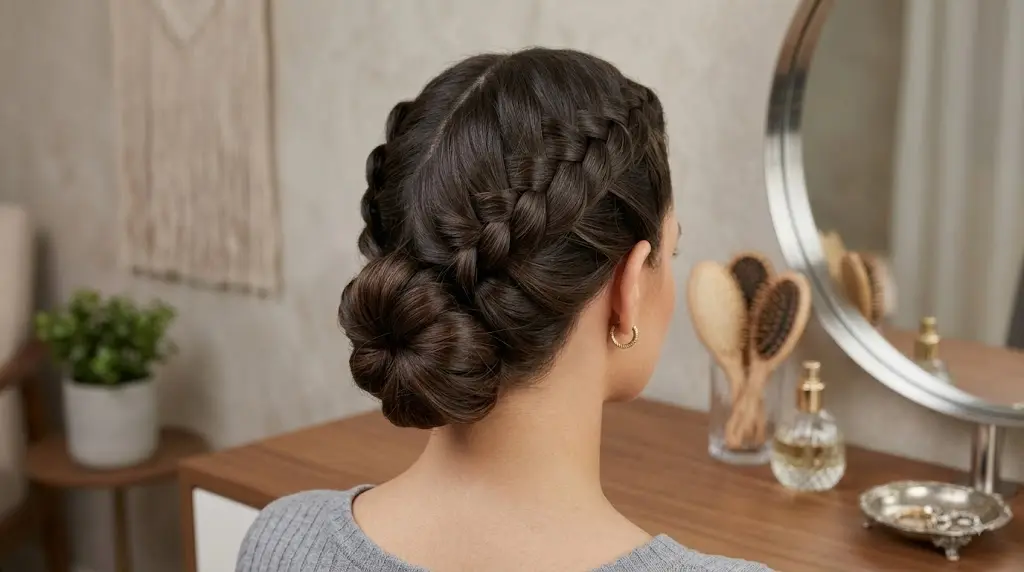
The braid continues past the nape and coils into a bun, giving a neat, put-together shape that holds well under pressure. It suits long hair and works well for formal settings or office days.
How to achieve it: French braid from the crown to the nape and continue braiding the remaining length normally.
Secure the end with a small elastic. Coil the finished braid around its base to form a bun, then secure it with bobby pins.
Pro tip: Secure the bun with crossed bobby pins so it stays flat against the head.
9. French Rope Braid
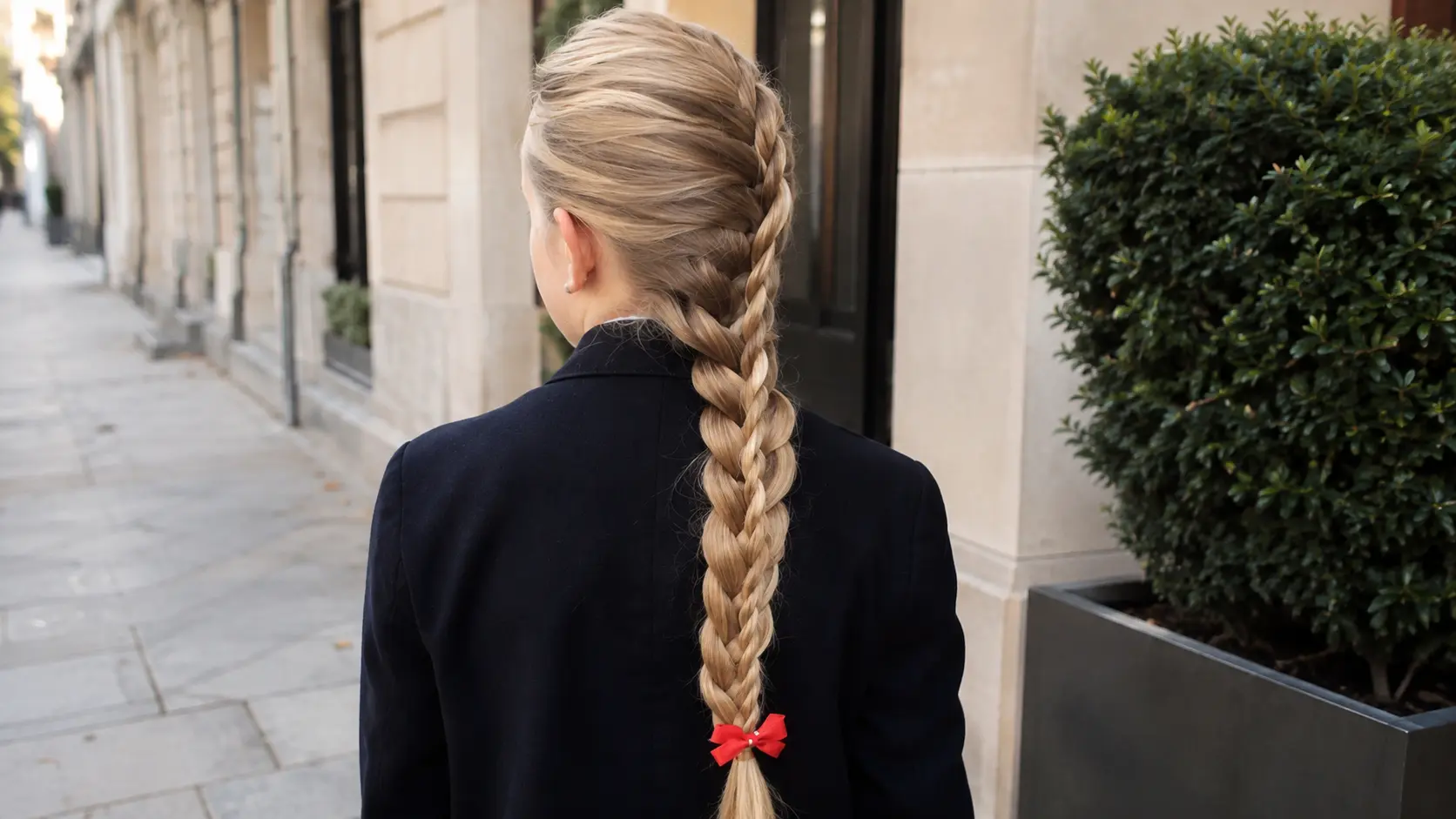
This style twists two sections of hair around each other while adding hair French-style as it goes, creating a thicker, twisted rope shape. It suits medium to thick hair for casual or semi-formal looks.
How to achieve it: Divide a section near the crown into two pieces. Twist both sections individually in the same direction, add a little loose hair to each, then wrap them around each other in the opposite direction. Keep adding hair as you move down the head, then finish with a regular rope braid.
Pro tip: Twist each section in the same direction throughout for a clean rope pattern.
10. Reverse French Braid (Dutch Braid)
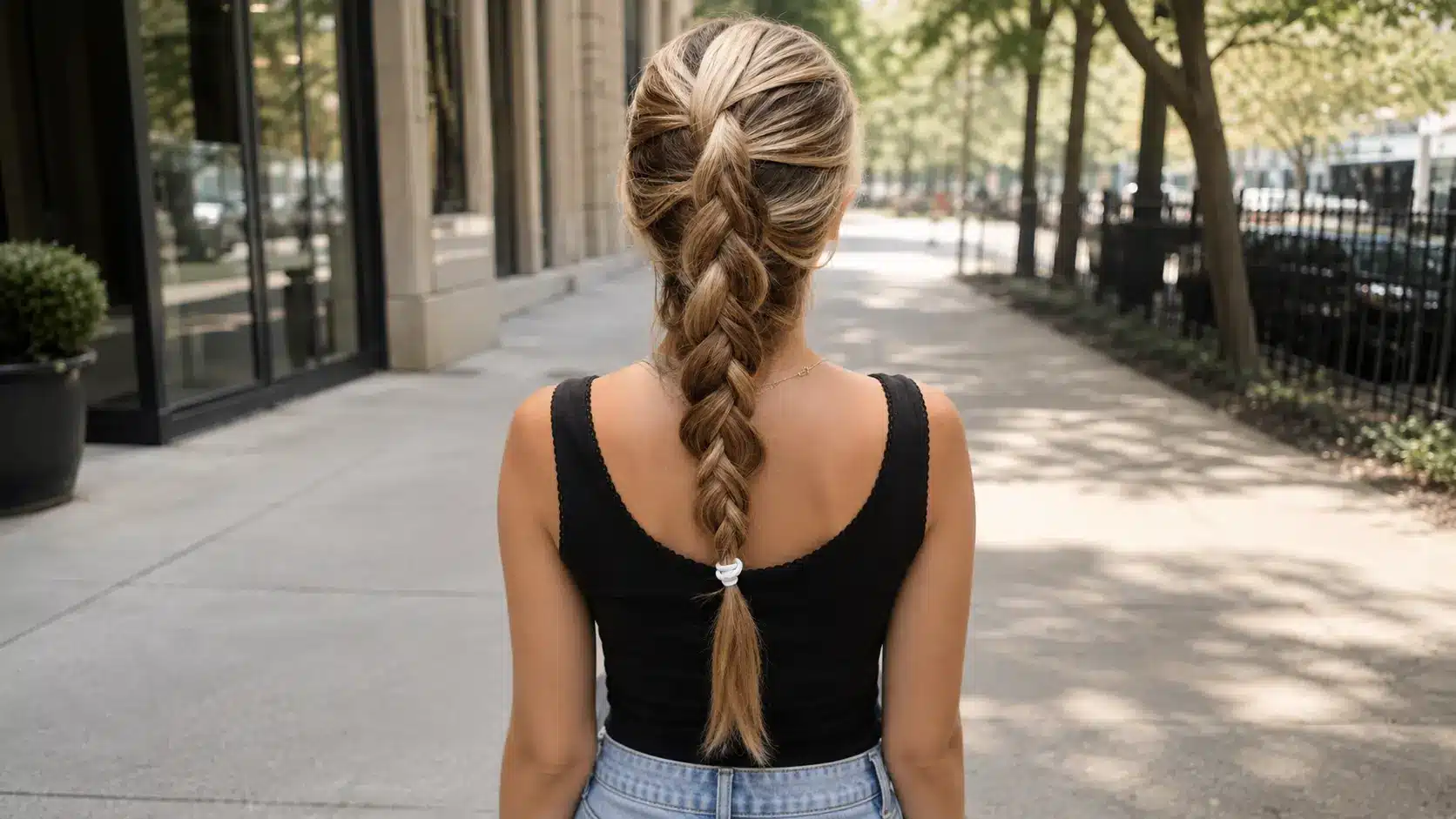
Instead of crossing strands over the center piece, this braid crosses them underneath, pushing the plait up and away from the scalp for a raised, three-dimensional look.
It is also known as a Dutch braid, since the two names describe the same underhand technique. It suits any hair length and works well on thick or textured hair, where the raised rows show up clearly.
How to achieve it: Divide a section at the crown into three strands. Cross each outside strand underneath the center instead of over it.
Add loose hair to the outer strands before every new crossing and continue toward the nape. Finish the remaining length using the same underhand pattern.
Pro tip: Keep sections tight underneath so the raised pattern stays crisp and defined.
11. Half-Up French Braid
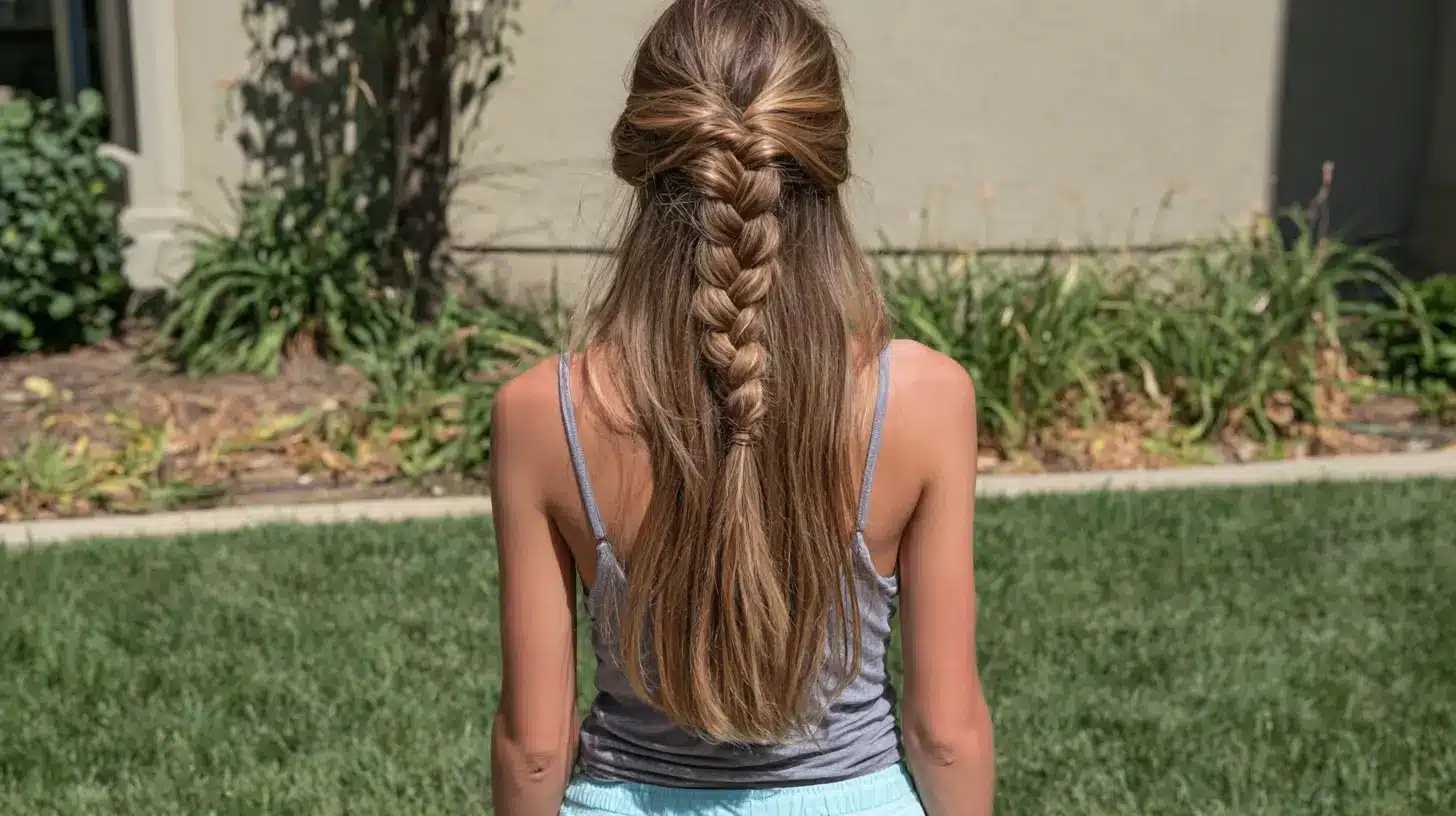
Only the top section of hair is braided, while the rest stays loose underneath, blending a polished top half with a relaxed bottom half. It suits medium to long hair and works for everyday wear.
How to achieve it: Gather a small section at the crown and begin a regular French braid. Add hair only from the upper half of the head while leaving the lower layers loose.
Stop around the back of the crown and secure the braid with a small elastic or clip.
Pro tip: Secure the braid with a small clear elastic so it blends into the loose hair.
12. French Braid With Curls
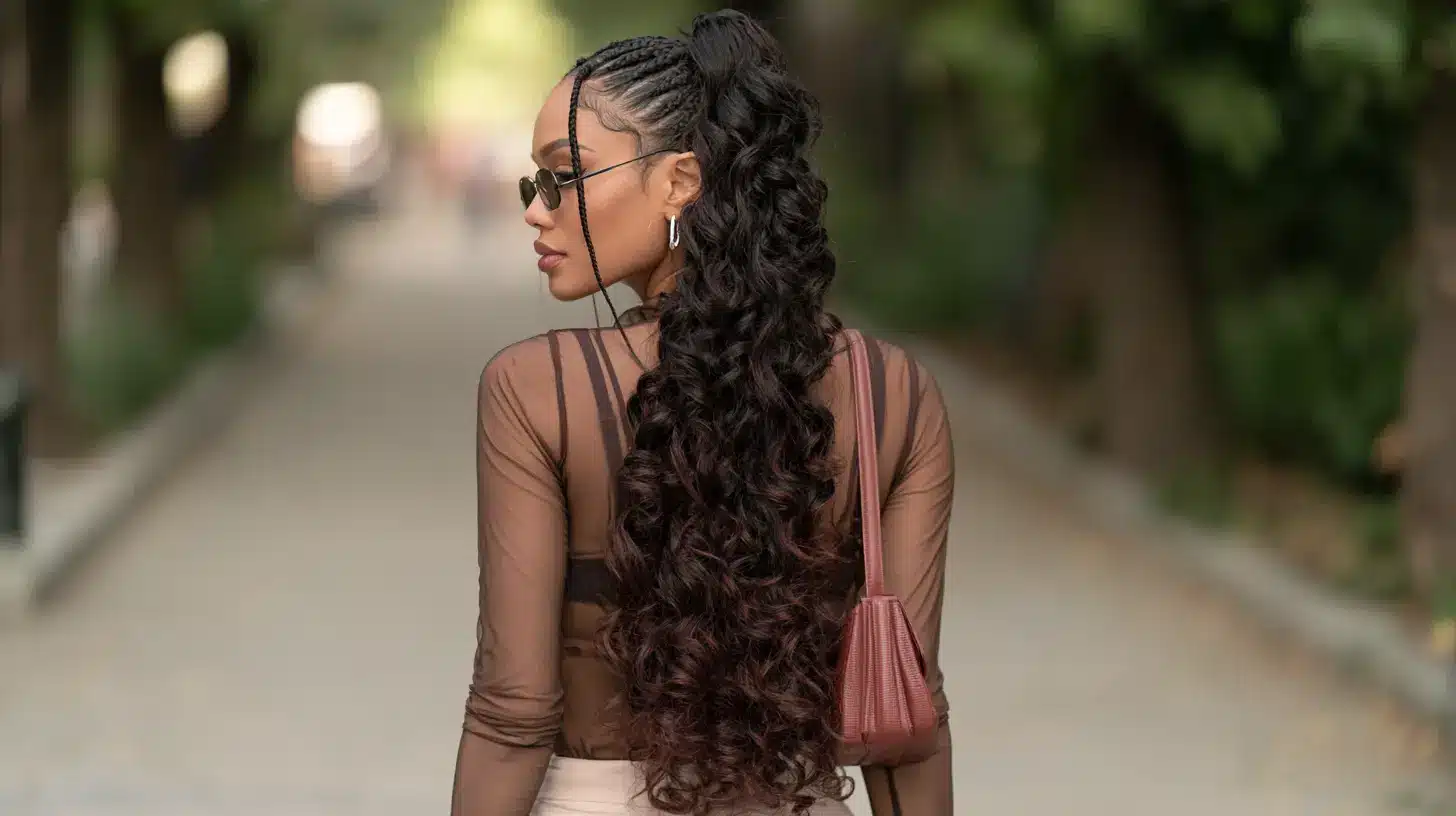
A French braid is worked through pre-curled hair, then the ends are left curled and loose, mixing braid structure with soft movement. It suits medium to long hair and works well for evening events.
How to achieve it: Curl the hair first and allow it to cool completely. Take a section near the crown and French braid it while keeping your grip slightly relaxed to preserve the curls.
Stop where you want the loose curls to begin, secure the braid, and gently separate the remaining curls.
Pro tip: Curl your hair before braiding, not after, for the most natural-looking texture.
13. French Braid Headband
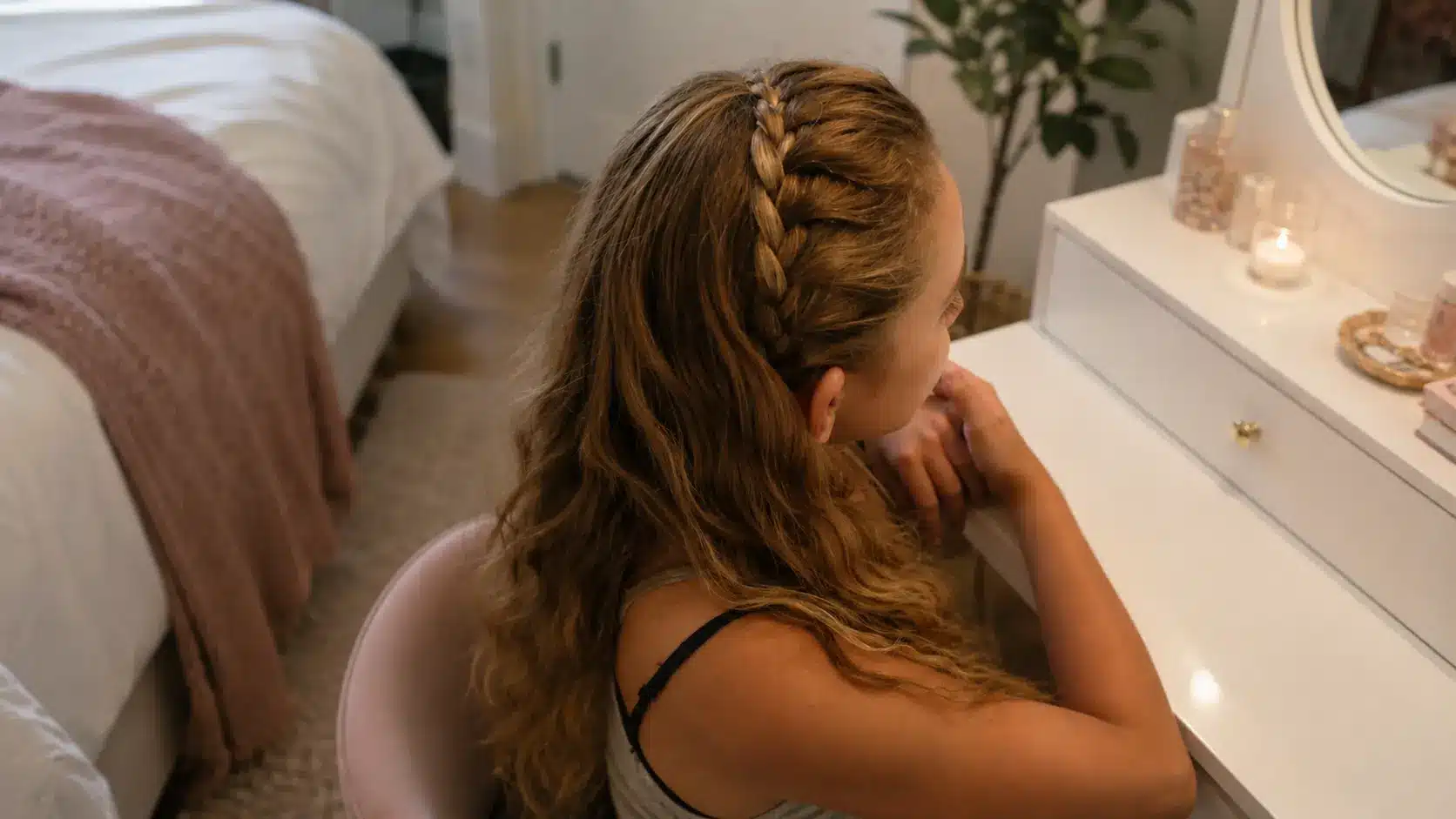
A thin French braid runs across the front of the head from temple to temple, acting like a natural headband while the rest of the hair stays down. It suits any hair length for casual daily wear.
How to achieve it: Separate a narrow strip of hair along the front hairline and clip the rest back. Begin at one temple and French braid across the forehead, adding small sections from the hairline as you move toward the opposite ear.
Pro tip: Pin the end securely behind one ear so the braid stays in place all day.
14. French Braid Into Low Ponytail
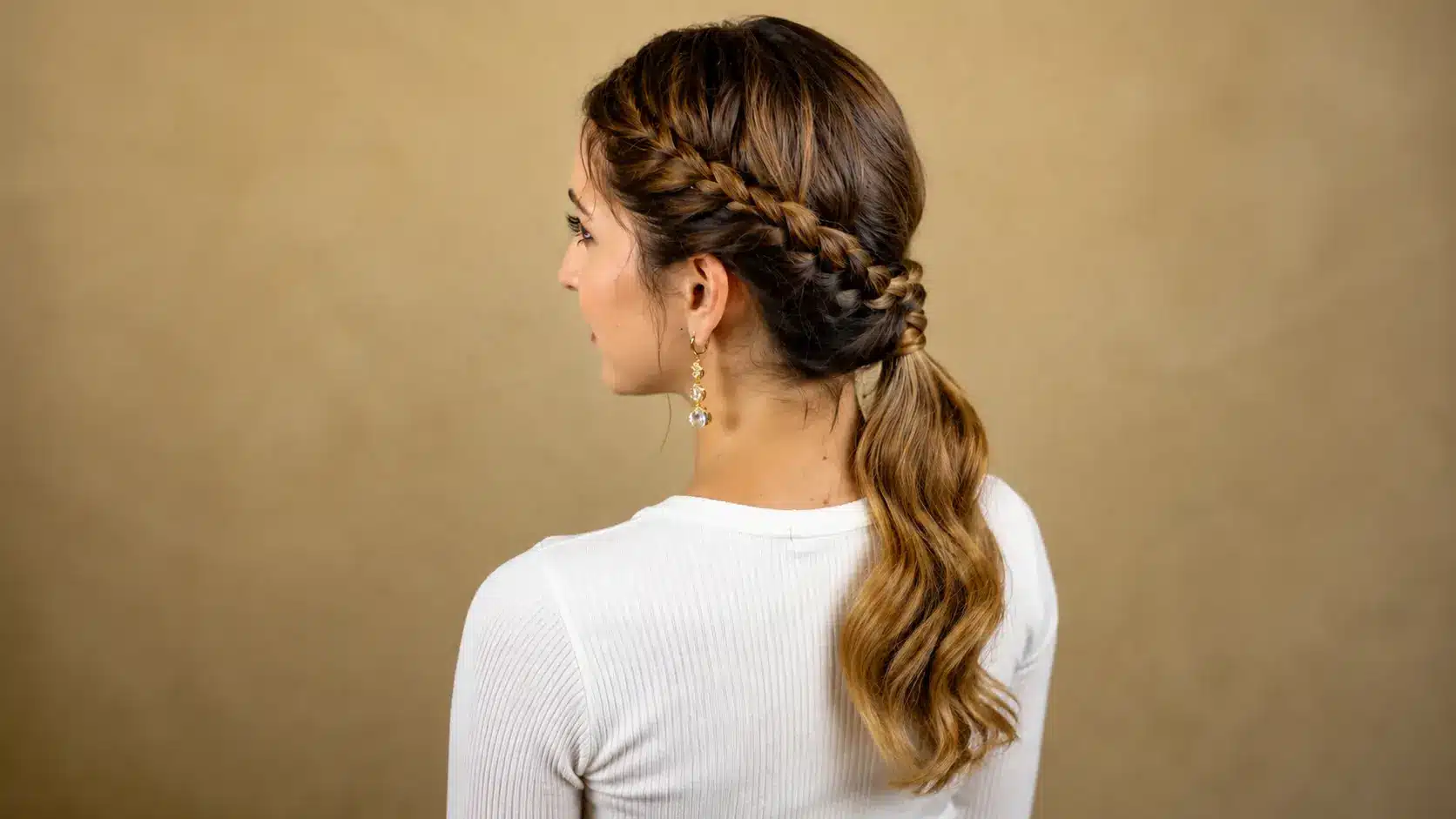
The braid starts at the crown and runs the full length of the hair, ending in a low ponytail instead of loose ends. It suits long hair and works well for everyday and travel days.
How to achieve it: Start a French braid at the crown and continue adding hair as you move toward the nape.
Stop braiding when you reach the base of the head. Gather the braid and remaining loose hair into one low ponytail and secure it with an elastic.
Pro tip: Braid slightly looser near the bottom so it blends smoothly into the ponytail.
15. Messy French Braid
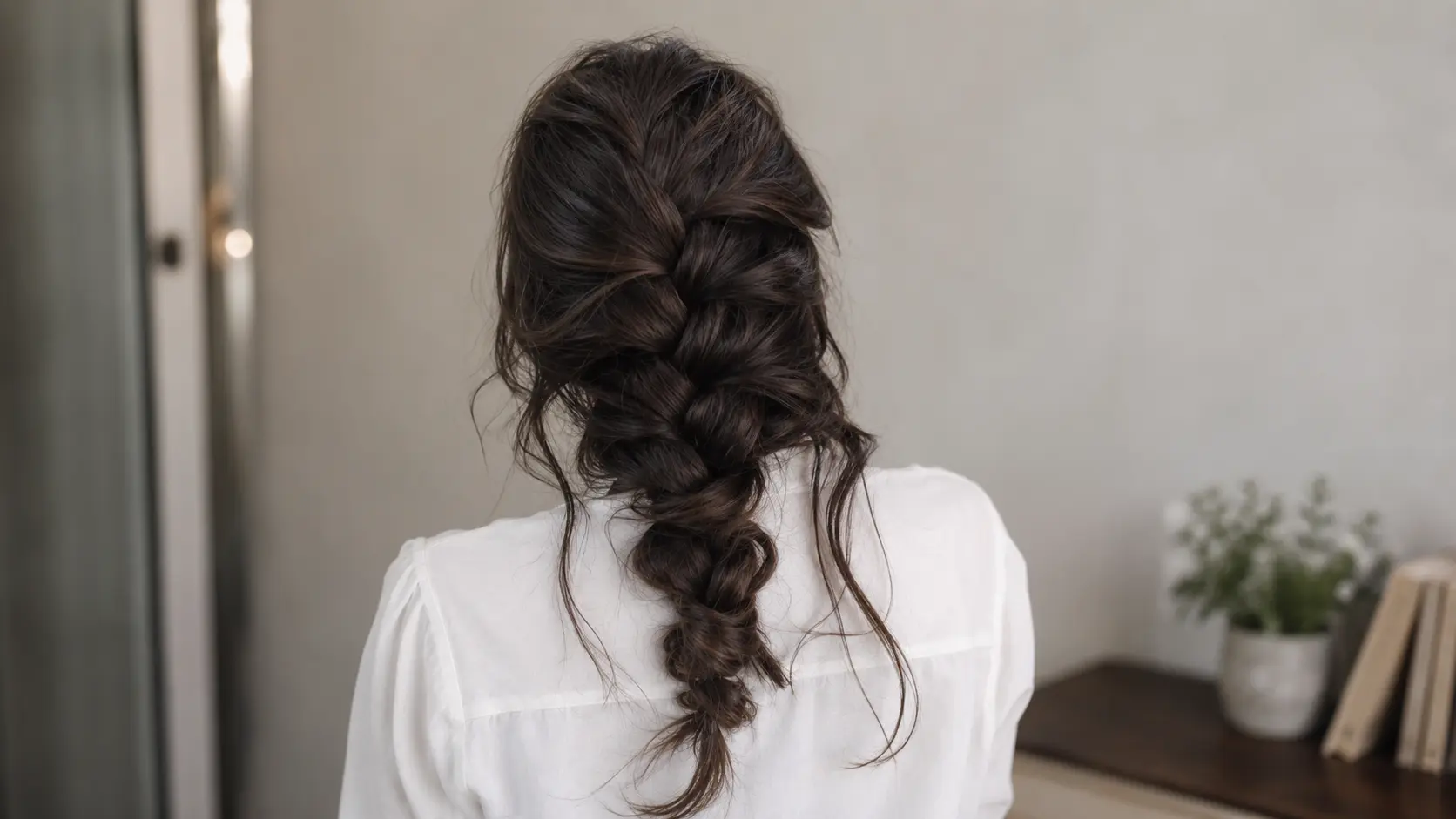
This version uses looser sections and gently pulled-apart edges for a relaxed, undone appearance rather than a tight, uniform braid. It suits any hair length and fits casual weekend looks.
How to achieve it: Create a classic French braid without pulling each section too tightly. Secure the end, then use your fingertips to gently pull outward on the edges of each braided loop.
Let a few small face-framing pieces fall loose for a softer finish.
Pro tip: Tug gently on each loop after finishing the braid to widen its shape.
16. French Braided Updo
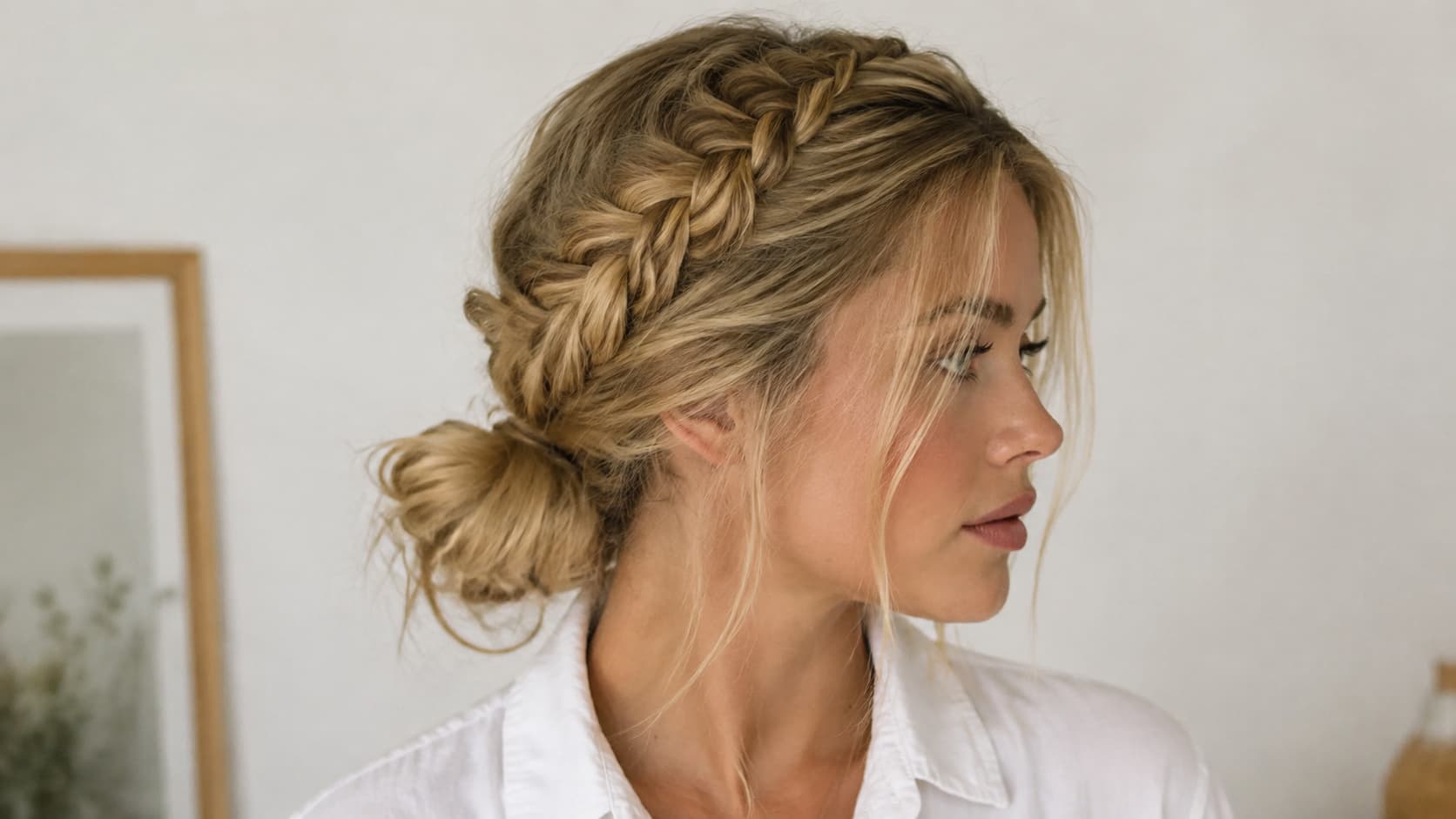
Pin one or more French braids into a fuller updo, often combined with twists or a bun for added height. It suits long hair and works well for weddings and formal events.
How to achieve it: Create one or two French braids and continue them to the ends. Fold, twist, or coil the braided lengths toward the back of the head. Pin each section securely, hiding the ends underneath the finished updo.
Pro tip: Pin the braids in layers, securing the base first before building height.
17. French Braid With Hair Accessories
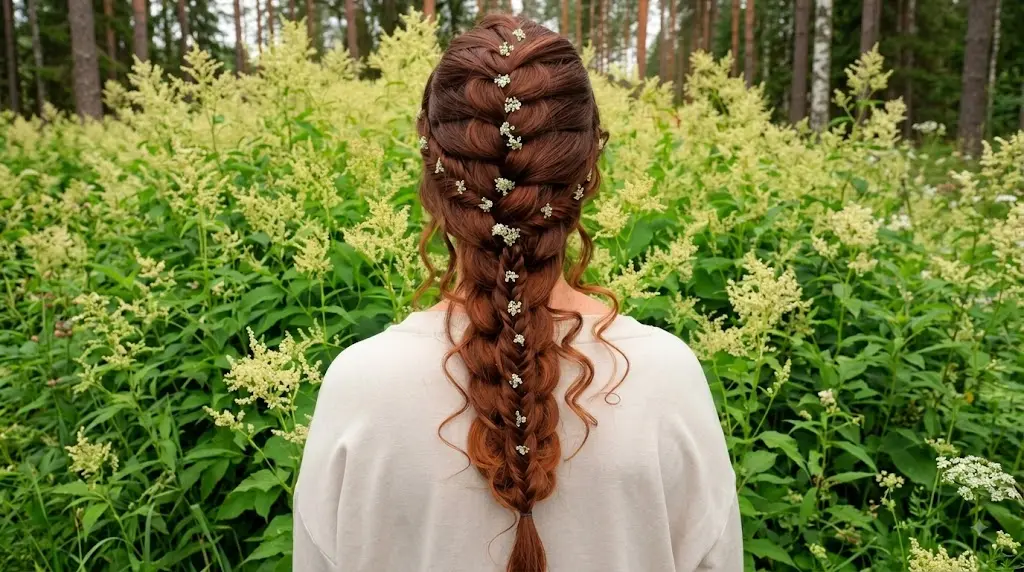
Add clips, small ribbons, or decorative pins along a French braid to add detail without changing the technique. It suits any hair length for parties and festivals.
How to achieve it: Complete your preferred French braid and secure the end first. Add small clips, decorative pins, ribbons, or other lightweight accessories along the finished braid.
Place them between braided sections rather than pushing them through tightly woven strands.
Pro tip: Space accessories evenly along the braid so the detail looks intentional, not scattered.
18. French Braid For Short Hair
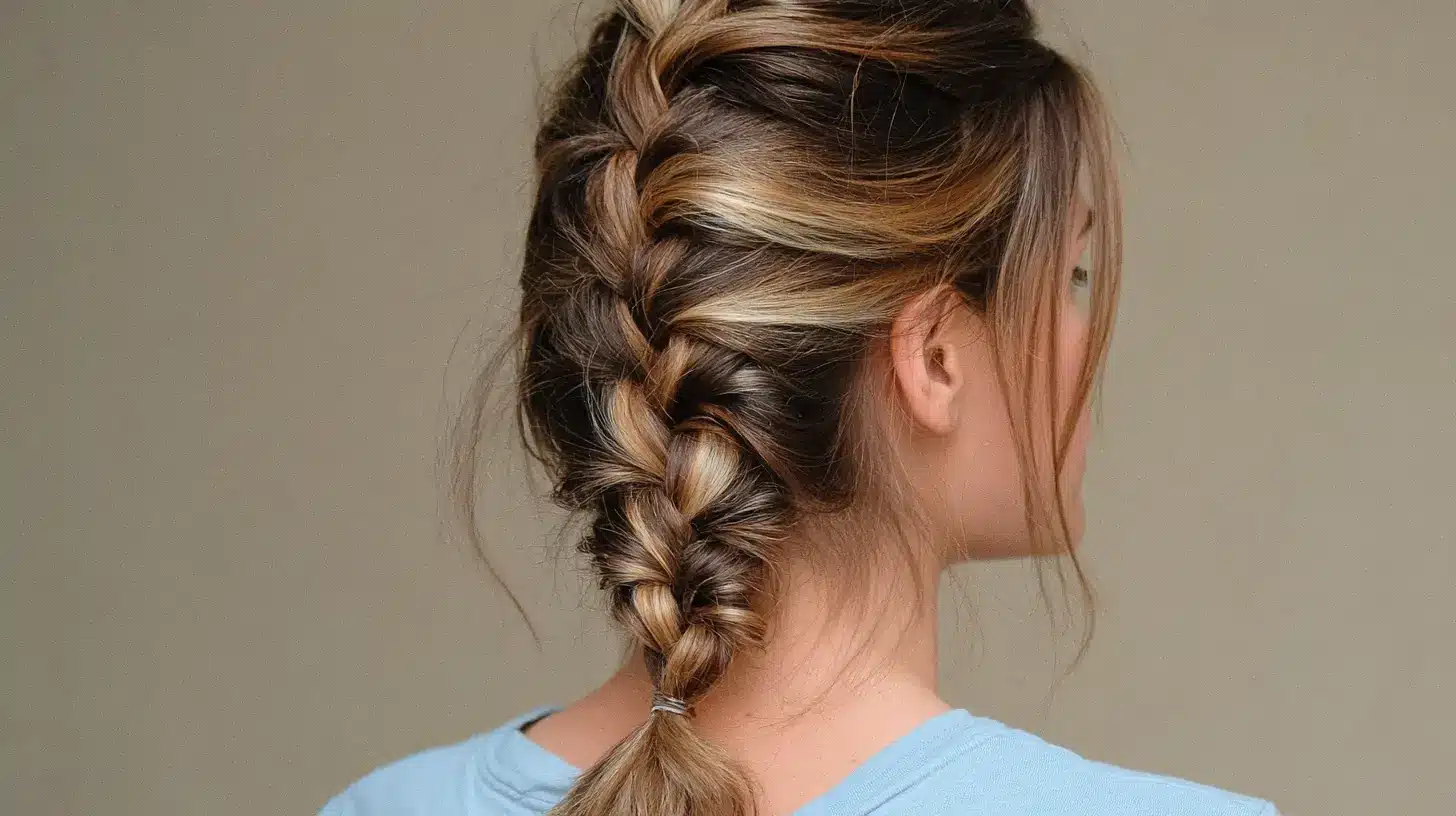
Short hair can still hold a French braid using smaller sections and a shorter braided length, usually ending in a small tail close to the head. It suits bob or shoulder-length hair well.
How to achieve it: Start near the hairline with three small sections. Add tiny amounts of hair with each crossing so shorter pieces are picked up before they can slip out.
Stop when there isn’t enough length to continue, and secure the braid with a small elastic or bobby pins.
Pro tip: Use bobby pins to hold shorter face-framing pieces in place as you braid.
19. French Braid For Long Hair
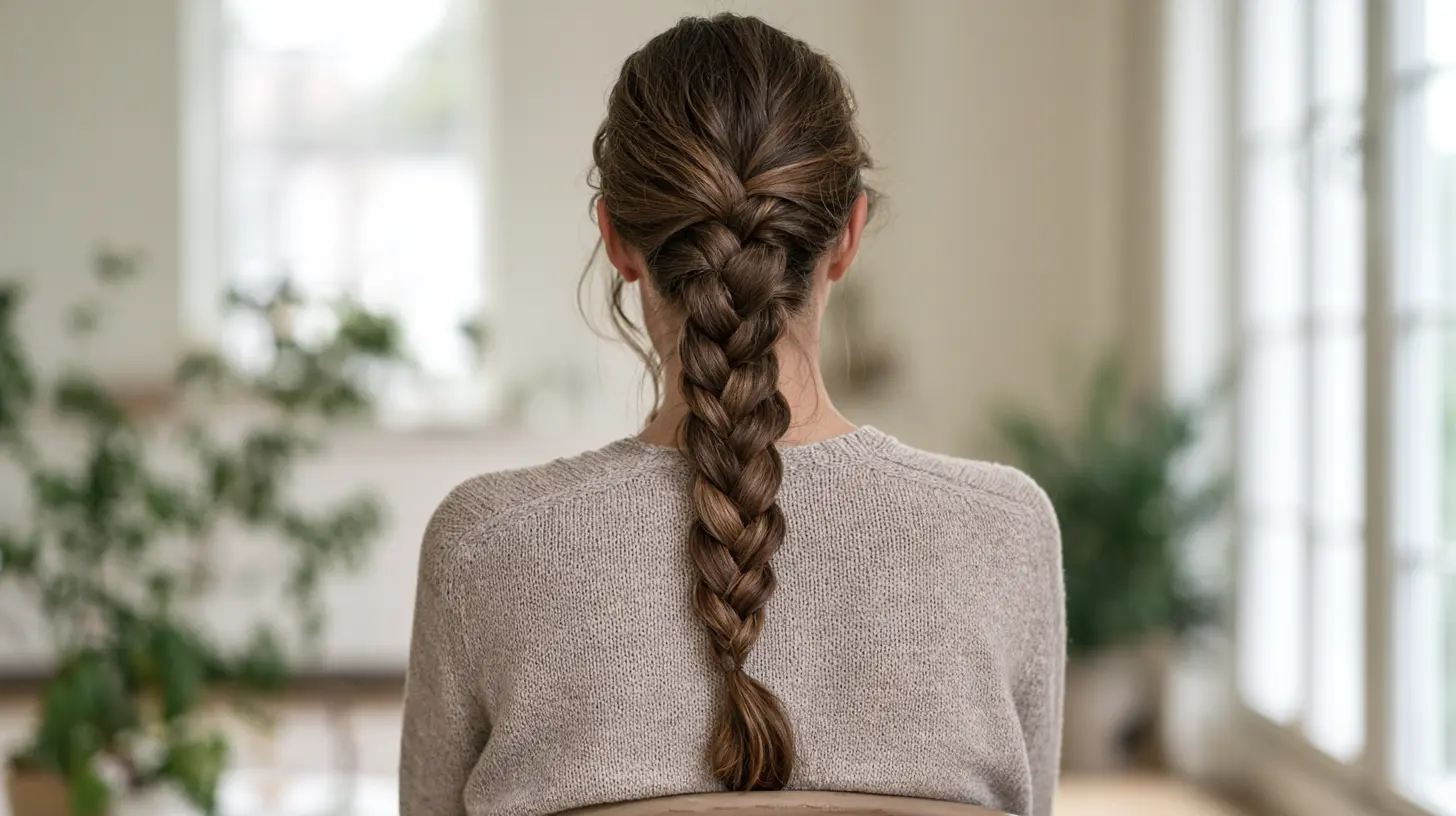
Long hair allows for thicker sections and a longer braided length, opening up options like double braids or added twists. It suits long or extra-long hair and holds well past the waist.
How to achieve it: Brush out tangles before taking three sections at the crown. French braid down the head, adding slightly more hair to keep the braid balanced.
Once you’ve added all the hair at the nape, continue with a regular braid to the ends.
Pro tip: Divide hair into thicker sections so the braid looks proportionate on longer lengths.
20. French Braid With Bangs
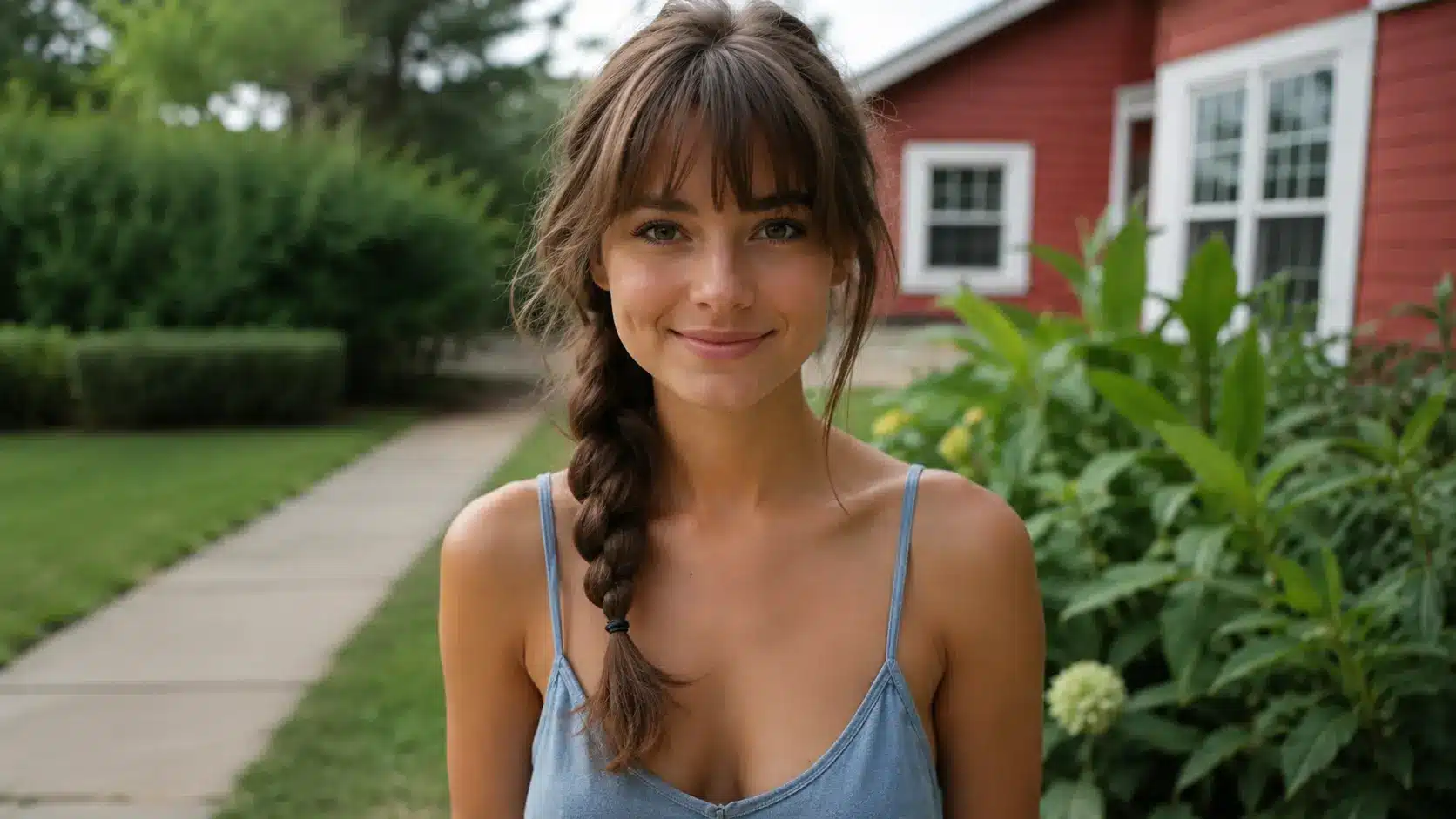
The braid starts just behind the hairline, leaving bangs styled separately in front while still adding texture to the rest of the hair. It suits any hair length with fringe.
How to achieve it: Separate your bangs from the rest of your hair and clip them forward. Begin the French braid just behind the fringe, making sure the bangs are not picked up as you add new sections. Finish the braid, then style the bangs separately to frame your face.
Pro tip: Curl or smooth the bangs first so they frame the face cleanly.
21. French Braid With Layers
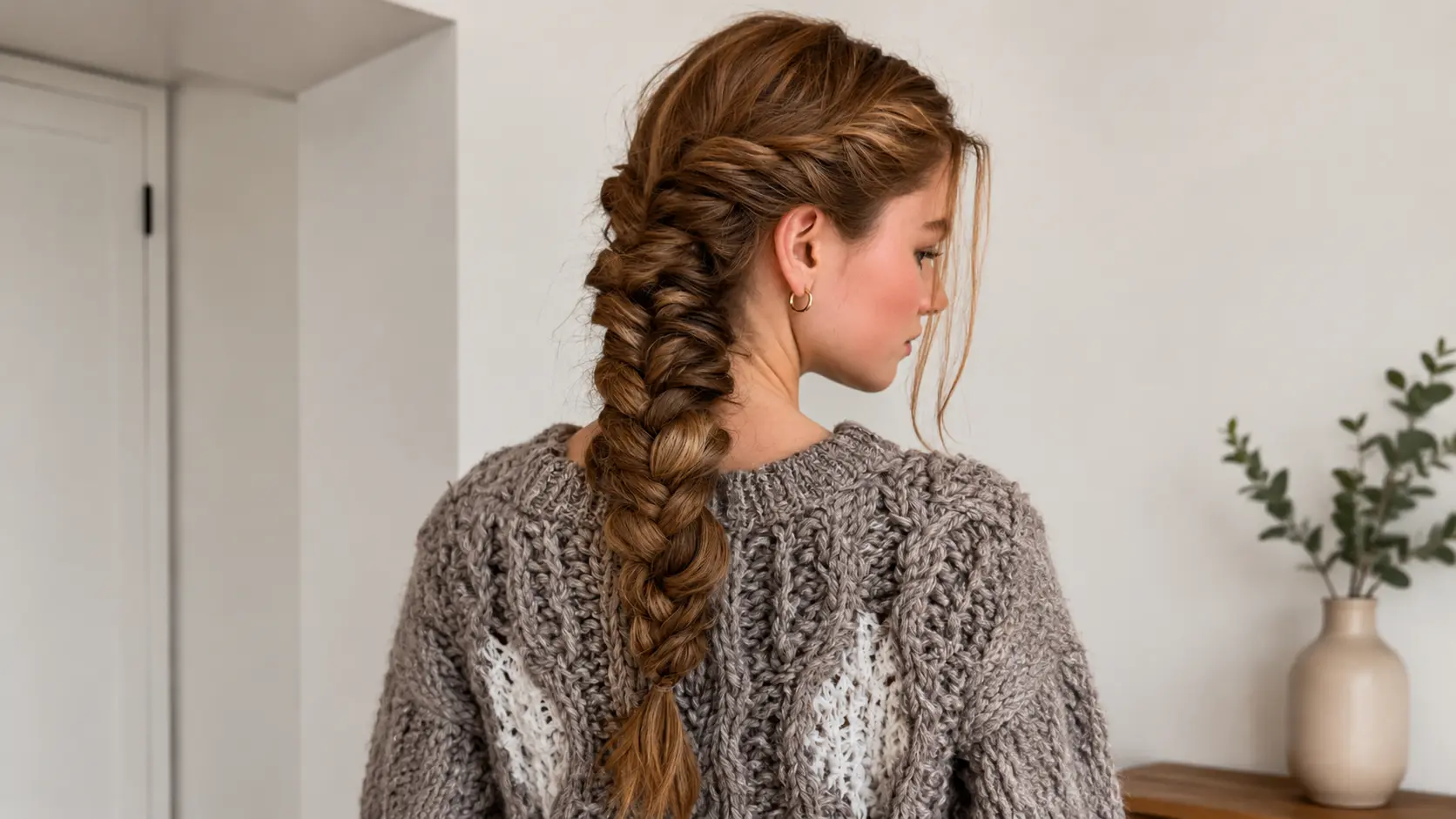
Layered hair can be tricky to braid evenly, so this method uses smaller, more frequent sections to catch shorter pieces and keep the braid smooth. It suits layered, medium-to-long hair.
How to achieve it: Apply a small amount of texturizing product for extra grip, then start with three sections near the crown.
Add smaller pieces of hair more frequently than you would with a standard braid. Keep the braid fairly snug so shorter layers stay tucked into the pattern.
Pro tip: Use a texturizing spray first to give shorter layers more grip while braiding.
22. French Braided Space Buns
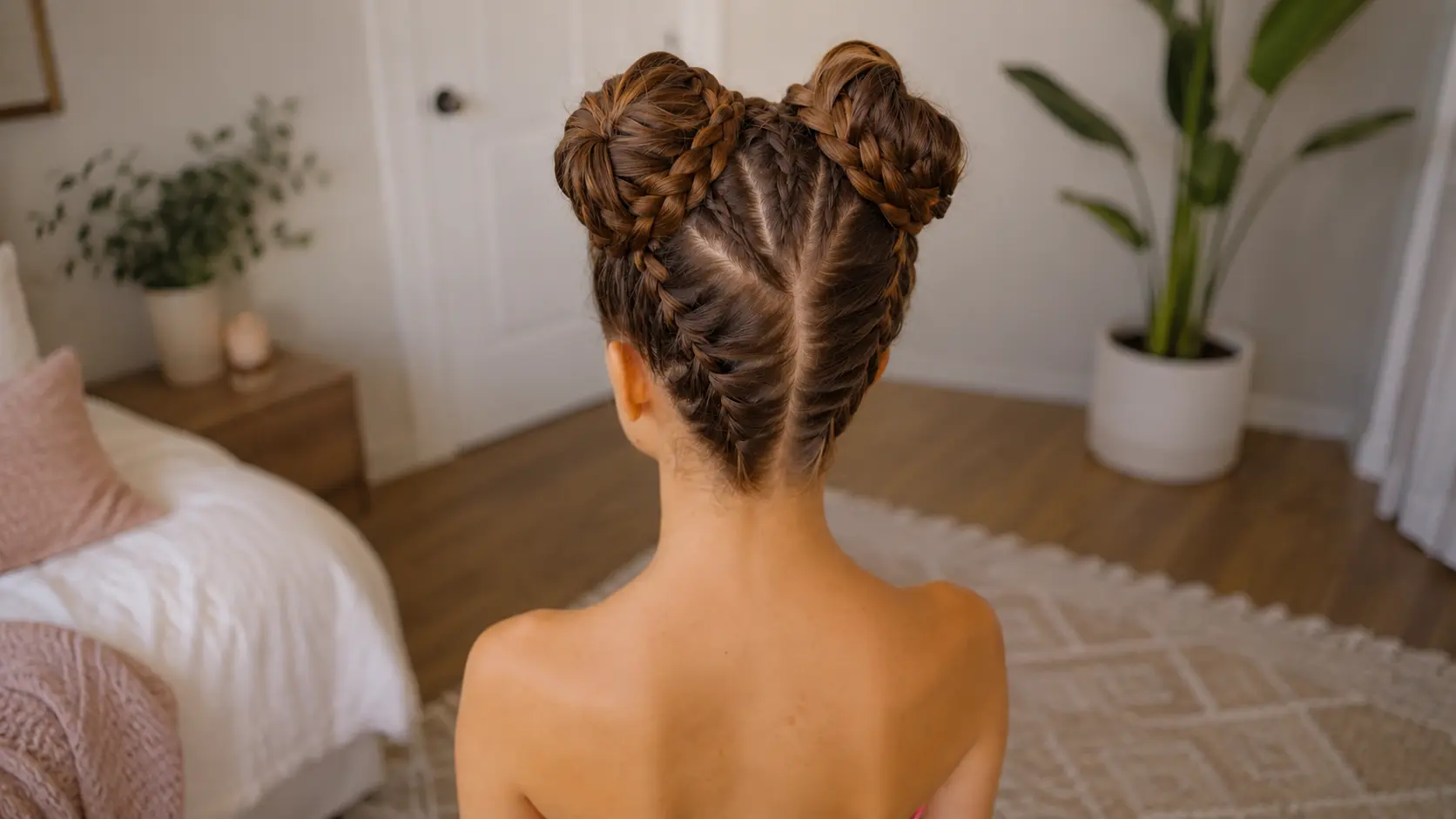
Split the hair into two sections, French-braid each partway up, then coil the ends into two buns for a playful, symmetrical look. It suits medium to long hair for festivals and casual outings.
How to achieve it: Part the hair evenly down the center. For a braided-from-the-nape look, flip your head forward and French braid one side upward from the nape toward the crown.
Repeat on the other side, secure each section into a ponytail, then twist the loose lengths into two buns.
Pro tip: Braid both sides to the same length so the buns sit evenly above each ear.
23. French Braid Mohawk
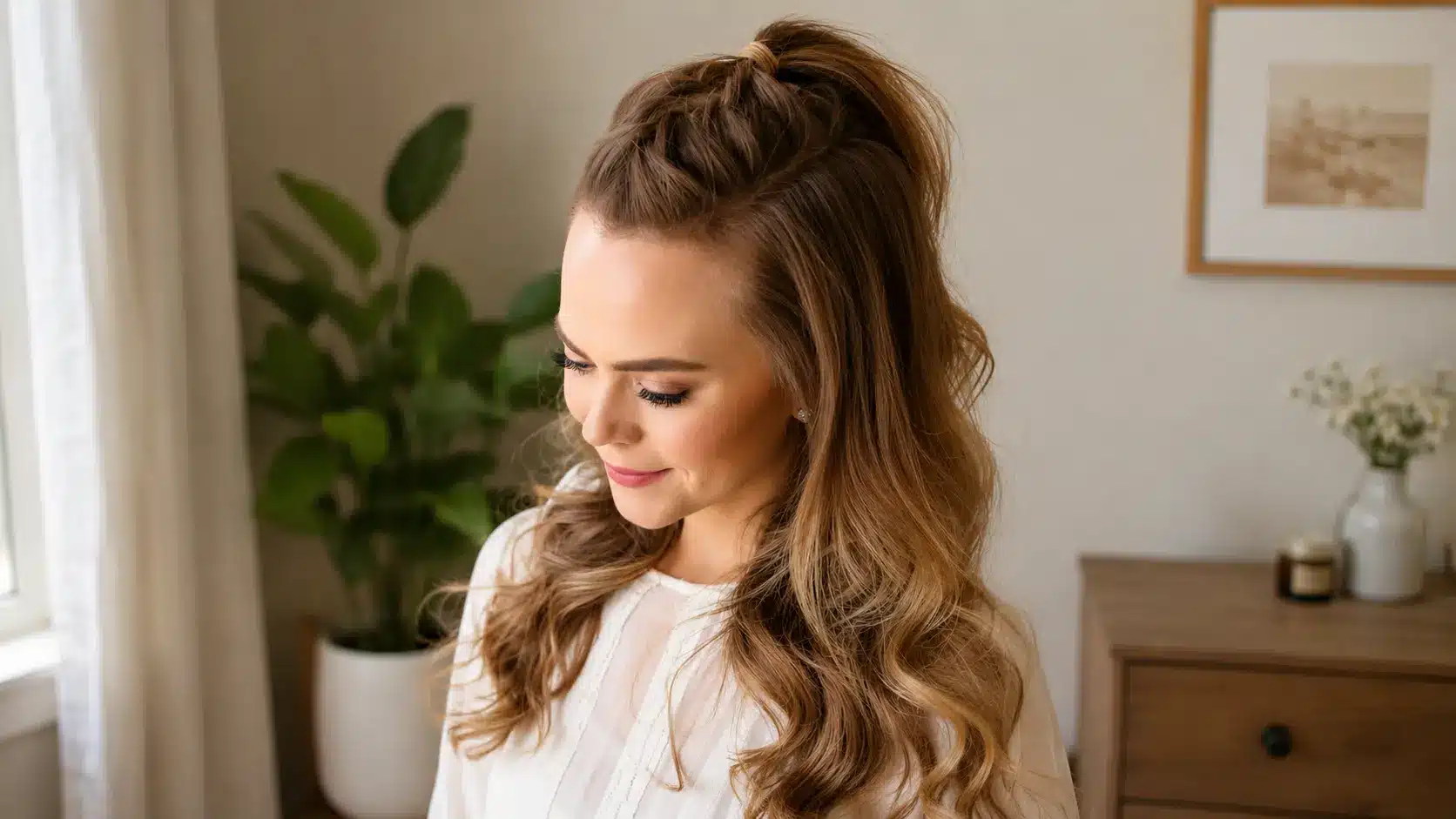
A single French braid runs down the center of the head, with the sides left loose or tucked back, creating a bold strip effect similar to a mohawk. It suits medium to thick hair for edgy looks.
How to achieve it: Section off a wide strip of hair from the forehead to the nape and clip the side sections away.
French braid the center section tightly, adding hair only from within that strip. Gently pull the braid outward for extra height, then smooth or pin the sides back.
Pro tip: Tease the roots slightly before braiding for a fuller, more raised strip.
24. Boho French Braid
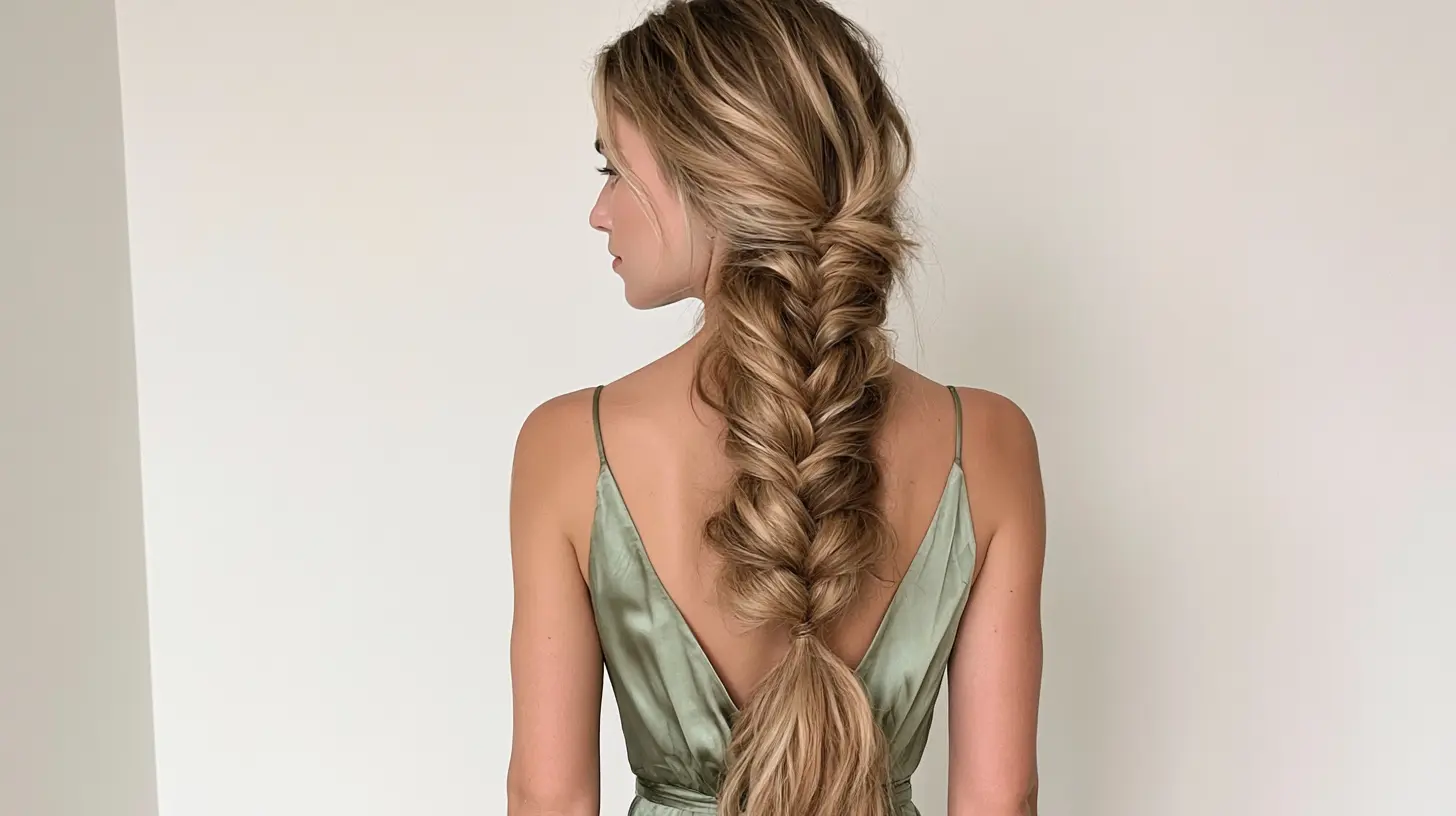
This loose, undone braid is paired with waves and small accessories like beads or ribbon, built around texture rather than a tight, uniform shape. It suits long, wavy hair for outdoor events and festivals.
How to achieve it: Add loose waves first, then start a relaxed French braid near the crown or slightly to one side.
Add uneven, slightly larger sections as you braid so the finish does not look too polished. Secure the end, gently pull apart the braid, and add a few small accessories if desired.
Pro tip: Pull the braid loose in sections before adding waves for the softest boho finish.
French Braid Trends to Watch
Beyond the classic variations, a few detail-focused trends keep showing up in current braid styling. These add personality to a familiar technique without changing the core braid itself.
- Ribbon French Braids: Ribbon adds color and a personal touch to a plain French braid. It is usually woven in alongside the hair sections as you braid, or tied on at the very end. Best for weddings, festivals, and soft romantic looks.
- Pearl Accessory French Braids: Small pearl pins or clips add a polished touch to a braid without requiring extra styling skill. This detail pairs especially well with crown braids and bridal looks. Best for weddings and formal events.
- Loose Romantic French Braids: This trend favors soft texture over a tight finish. It uses pulled-out sections and a few face-framing pieces left loose around the hairline. Best for daily wear, outdoor events, and casual weddings.
Trend-based details like ribbon, pearls, and loosened sections work with almost every style mentioned above, so you can update a familiar braid without learning a new technique.
How to Choose the Right French Braid Style
Hair type plays a big role in which French braid style will look the most polished and hold up the longest.
| Hair Type | Best French Braid Styles |
|---|---|
| Short hair | Side braid, half-up braid |
| Medium hair | Waterfall braid, crown braid |
| Long hair | Classic braid, braided bun |
| Thick hair | Double braid, rope braid |
| Fine hair | Messy braid, accessory braid |
Use this table as a starting point, then adjust the tension and section size to match how your hair naturally behaves.
How to Make a French Braid Last Longer
A few small habits make the difference between a braid that holds all day and one that starts slipping within an hour.
- Start with slightly textured, second-day hair rather than freshly washed strands.
- Avoid piling on heavy product before braiding, since it can make hair too slippery to grip.
- Secure the ends with a small elastic, not just a loose tie.
- Use bobby pins to tuck away any loose sections along the hairline.
- Sleep with a silk scarf or bonnet to reduce friction overnight.
If a braid feels painfully tight at the scalp, loosen it right away. According to the National Institute of Arthritis and Musculoskeletal and Skin Diseases, hair follicles can be affected by a range of conditions, which is one reason it helps to avoid unnecessary strain on the scalp.
French Braids for Different Occasions
The right braid often depends on where you are headed. Here are quick pairings for three common occasion types.
| Occasion | Suggested Styles |
|---|---|
| Everyday Hairstyles | Classic French braid, side French braid, double braids |
| Wedding Hairstyles | Crown braid, braided updo, pearl accessory braid |
| Trend-Forward Hairstyles | Ribbon braid, boho braid, loose romantic braid |
Matching the braid to the occasion keeps the look appropriate without extra planning or last-minute changes.
Common French Braid Mistakes
A few small slips account for most of the trouble people run into while braiding, and each one is easy to fix once you spot it.
- Uneven Hair Sections: Grabbing sections of different sizes is one of the most common issues for beginners, and it shows up clearly once the braid is finished.
- Making the Braid Too Tight: Pulling a braid too tight can cause headaches during the day and unnecessary strain on the hairline over time.
- Losing Small Sections: Thin, flyaway pieces are easy to drop mid-braid, especially around the temples.
Slowing down slightly at each of these points makes the biggest difference in how neat the finished braid looks.
Final Thoughts
This roundup covered a wide range of French braid styles, from the classic three-strand version to waterfall, crown, fishtail, and double braids.
It also included trend-forward options like ribbon accents, pearl details, and loose romantic finishes, along with practical sections on choosing the right style for different hair types and occasions.
Common mistakes, essential tools, and quick answers to real styling questions rounded out the practical side of the post, making it easier to move from picking a style to actually creating it.
French braids have circled back into 2026’s boho and runway-driven styling, proving the technique never really left.
With so many types of French braids to choose from, the easiest way to start is with a classic French braid, then build up to waterfall, crown, or accessory styles as your skills and confidence grow.
Frequently Asked Questions
Can French Braids Work on Thin Hair?
Yes. Smaller sections and a light texturizing spray add grip, and a slightly looser braid looks fuller on fine strands.
How Can I Make a French Braid Look Fuller?
Gently pull apart each loop from top to bottom after finishing. This widens the sections and adds instant volume.
Are French Braids Suitable for Sleeping in?
Yes, if kept loose. A tight braid worn overnight can pull on the hairline and cause discomfort.
How Do You Keep Short Layers Inside a French Braid?
Use smaller sections around the crown and temples, then pin any short pieces flat with bobby pins.
Do French Braids Protect Hair From Damage?
Yes, when done correctly. Keeping ends tucked in and avoiding tight tension at the hairline reduces breakage and friction compared to wearing hair loose every day.