Cowboy boots aren’t one single look. Ask ten people what makes a good pair, and you’ll get ten different answers, because the types of cowboy boots out there are built for completely different jobs.
Some are made for the saddle, some for standing on concrete all day, and some just for looking good with jeans. Trying on enough pairs over the years taught me that the differences aren’t always obvious at first glance.
A shaft that’s two inches taller, or a heel cut at a slightly different angle, changes how a boot feels and performs.
What Makes a Cowboy Boot a Cowboy Boot?
A cowboy boot is recognized by a few main features that set it apart from regular boots. It usually has a pull-on shaft, a raised, angled heel, and a toe shape that may be pointed, rounded, or square.
These features give the boot its traditional Western style, rooted in early American bootmaking, while also serving practical purposes. The design of a cowboy boot can change depending on how it is used.
Riding boots often have taller shafts and heels made for horseback riding, while everyday cowboy boots focus more on comfort and walking.
Materials, stitching, and even the fitting may vary, but the basic structure remains the same across most cowboy boot styles.
Common Cowboy Boot Materials
The material affects how a cowboy boot feels, wears, and ages. Traditional leather still dominates, but different hides behave differently over time.
- Brush off dirt after wearing: Use a soft brush or cloth before mud and dust settle into the leather.
- Condition the leather: Apply a leather conditioner occasionally to keep the material flexible and reduce cracking.
- Let wet boots dry naturally: Keep them away from heaters and direct heat, which can shrink or dry the leather.
- Use boot trees: They help the shaft and foot keep their shape between wears.
- Protect suede separately: Use a suede brush and a suitable protective spray instead of regular leather conditioner.
- Watch the soles and heels: Replace worn heel caps or soles before damage reaches the main boot construction.
- Store them upright: Keep boots in a cool, dry place rather than folding or stacking them.
Exotic leathers can need different products than regular cowhide, so check the manufacturer’s care instructions before applying cleaners or conditioners.
Types of Cowboy Boots and Their Main Features
Cowboy boots come in different styles, each designed for specific needs. From riding and ranch work to everyday wear, every type has unique features that affect comfort, fit, and purpose.
Classic Western Boots
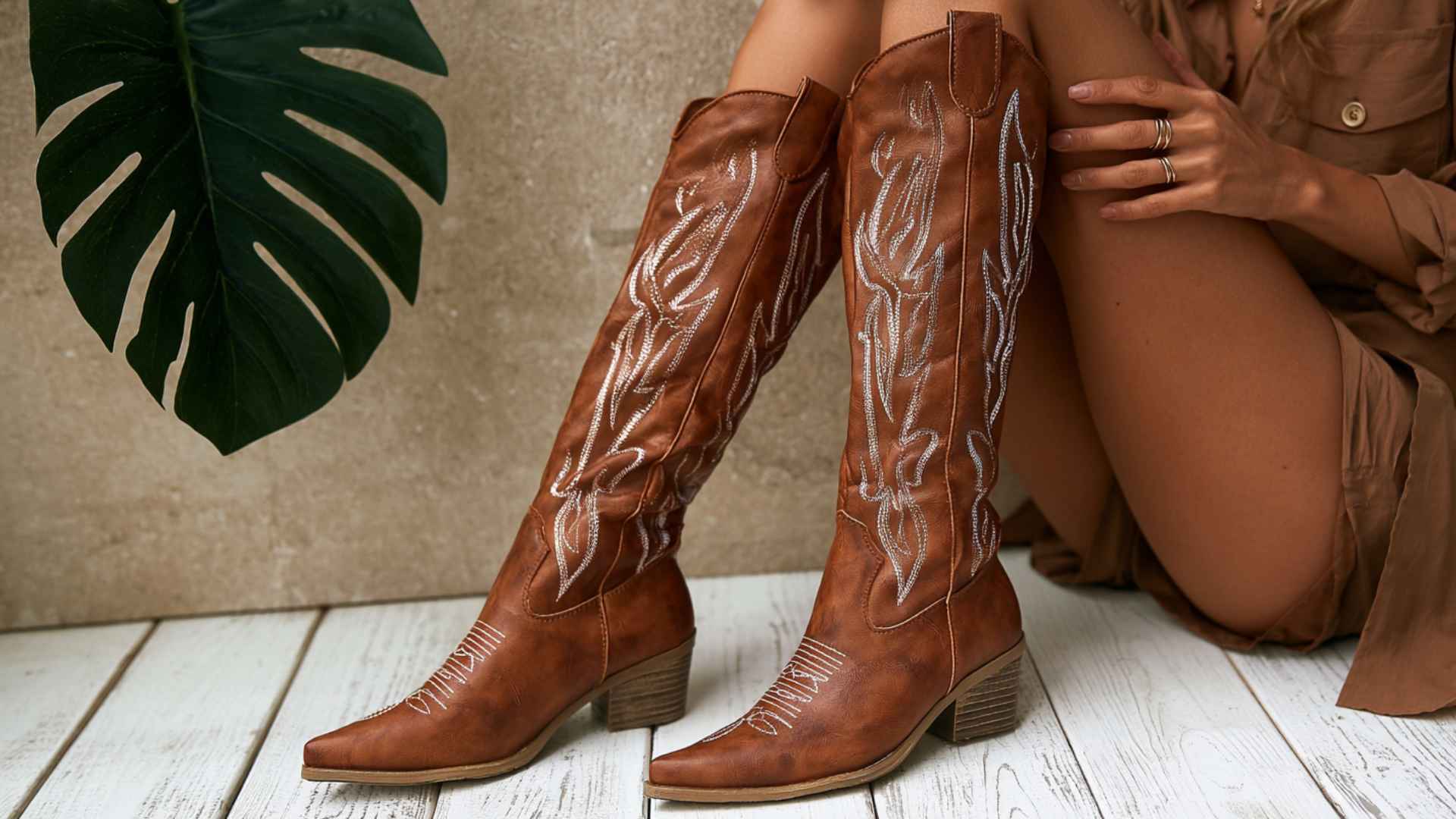
Shop at: Nordstorm
This is the boot most people picture when they hear the word “cowboy.” It has a tall shaft, usually 11 to 14 inches, a narrow toe, and a riding heel that’s higher and more angled than most other styles.
- Built for horseback riding, not standing all day
- The tall shaft protects your calf in the saddle
- The narrow toe slides into a stirrup easily and comes out just as fast
This style has stuck around because it does one job really well: keep your foot safe and steady on a horse.
Roper Boots
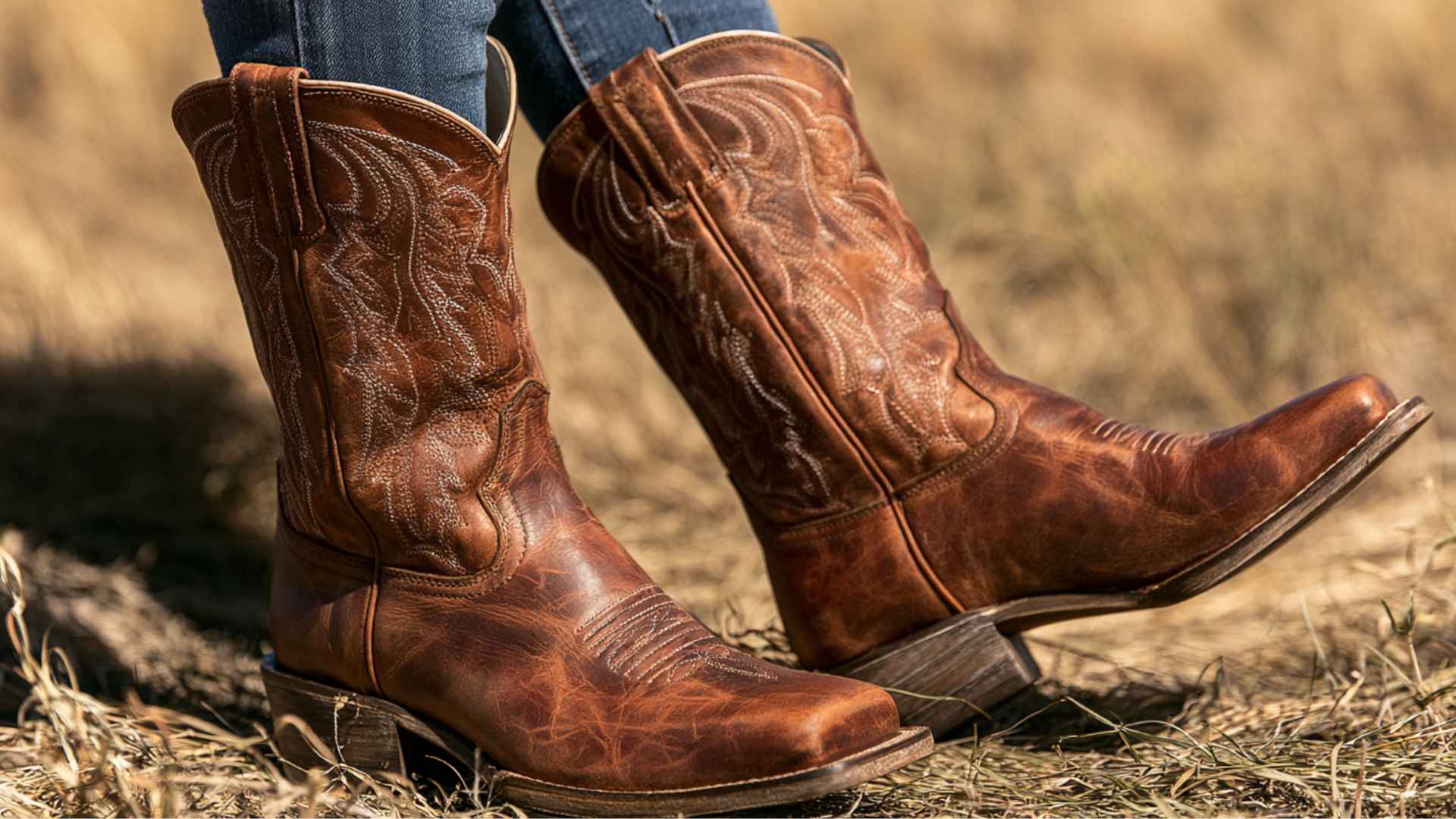
Ropers look like a shorter, more relaxed version of the Classic Western. The shaft stops closer to the ankle, and the heel is flat or barely raised.
| Feature | Classic Western | Roper |
|---|---|---|
| Shaft height | 11″-14″ | 8″-10″ |
| Heel | Tall riding heel | Flat or low walking heel |
| Best for | Riding | Working, walking, daily wear |
Pro tip: If you’re on your feet more than you’re in a saddle, a Roper will feel a lot more comfortable by the end of the day.
Stockman Boots
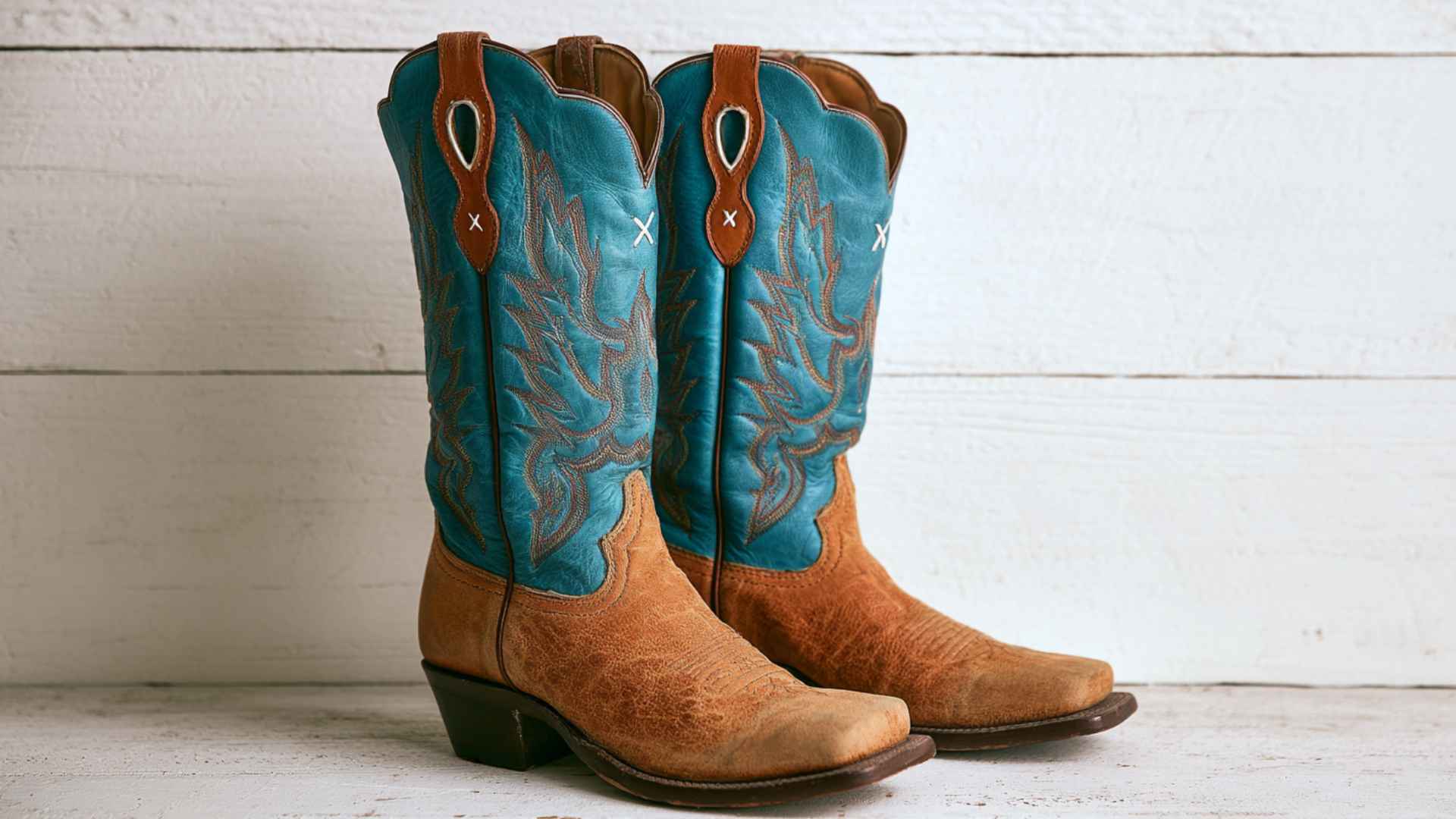
Buckaroos take the tall shaft idea and push it further. These boots often run 17 inches or taller, with a round toe and a high-riding heel. You’ll see this style most in Great Basin ranching areas like Nevada and parts of California.
The extra height isn’t just for looks. Ranchers riding through thick brush need that shaft to protect their legs from scrapes and cuts. If your work or your style leans toward that rugged, tall-boot look, this is the one to try.
Exotic Leather Boots
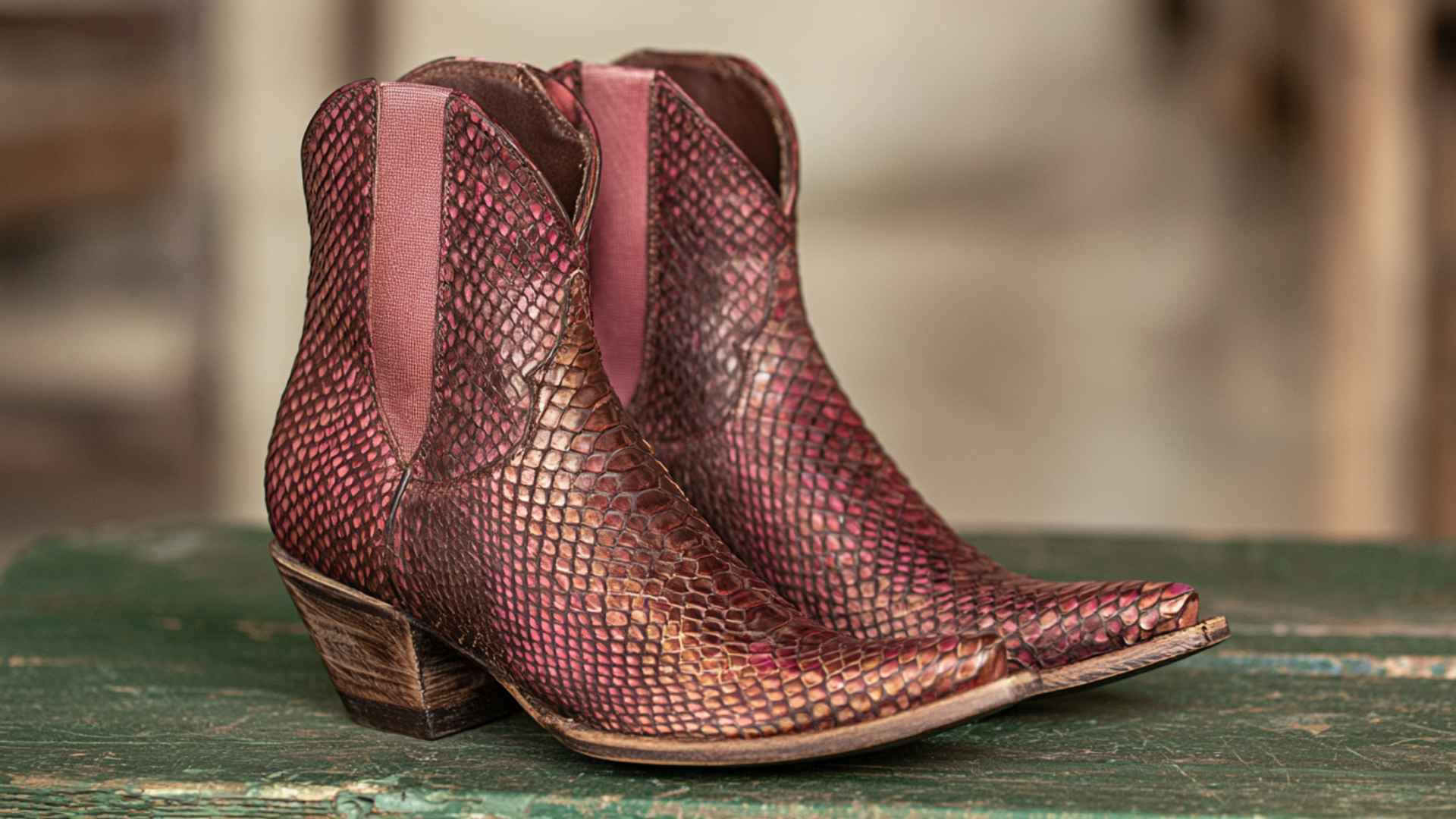
Shop at: Vaccari
Exotic boots swap cowhide for materials like ostrich, caiman, python, or shark skin. Each one brings its own texture and pattern, so no two pairs look quite the same.
- Ostrich has a bumpy, dotted texture from its feather follicles
- Caiman shows a natural grid-like pattern
- Python and shark bring bold, one-of-a-kind markings
These boots cost more than standard leather, but they hold up well and tend to get worn for dressier occasions rather than daily ranch work.
Western Dress Boots
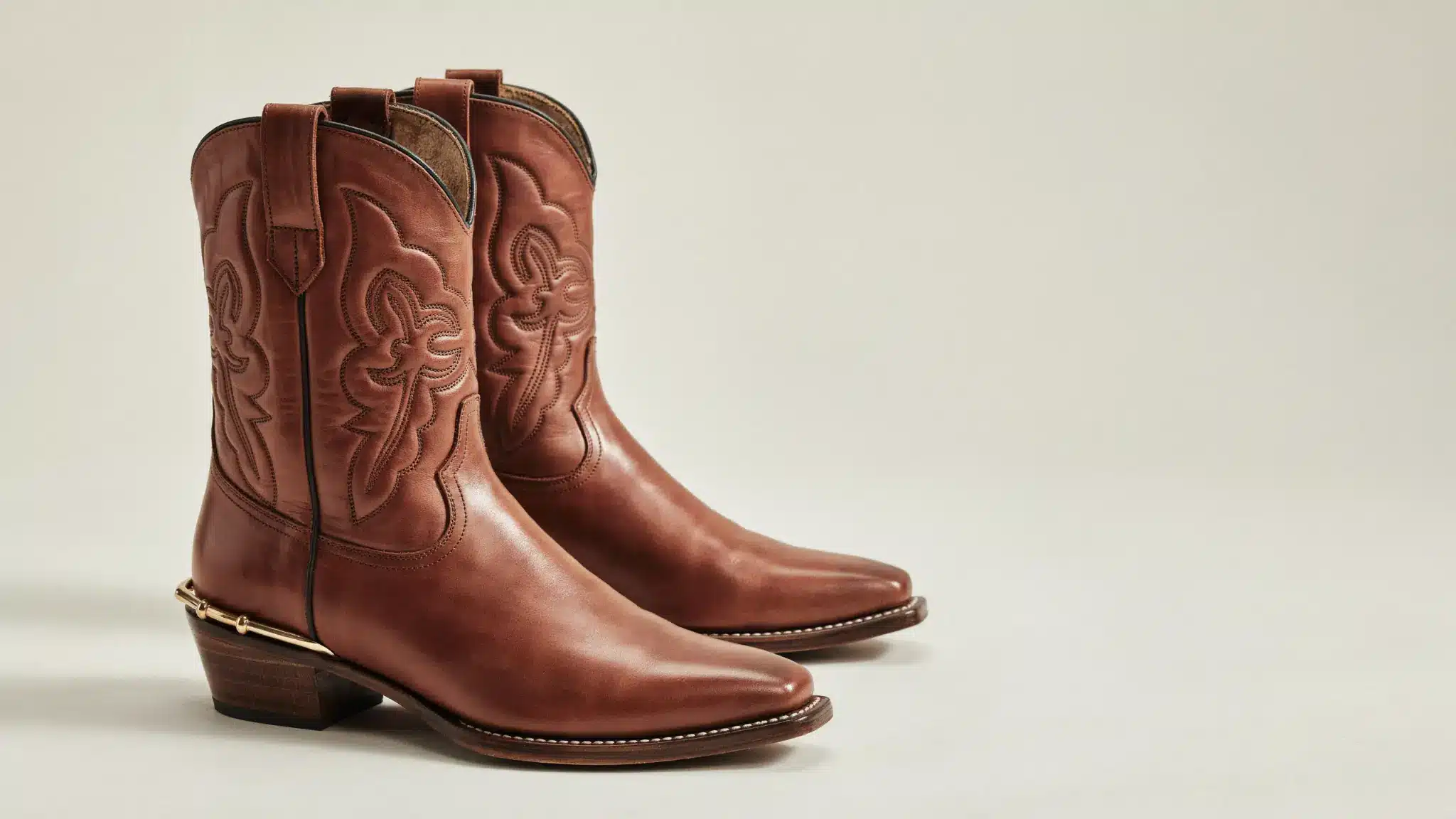
Shop at: Boot Barn
Dress boots take the cowboy boot shape and dial it in for looking sharp rather than working hard. They’re usually made from standard cowhide or top-grain leather, not exotic skins, but the finish is more refined.
- Polished or distressed leather finish, often with detailed stitching
- Slimmer shaft profile than a Classic Western, built to pair with dress clothes
- Made for weddings, business settings, or nights out, not ranch work
Zip-Up and Slip-On Boots
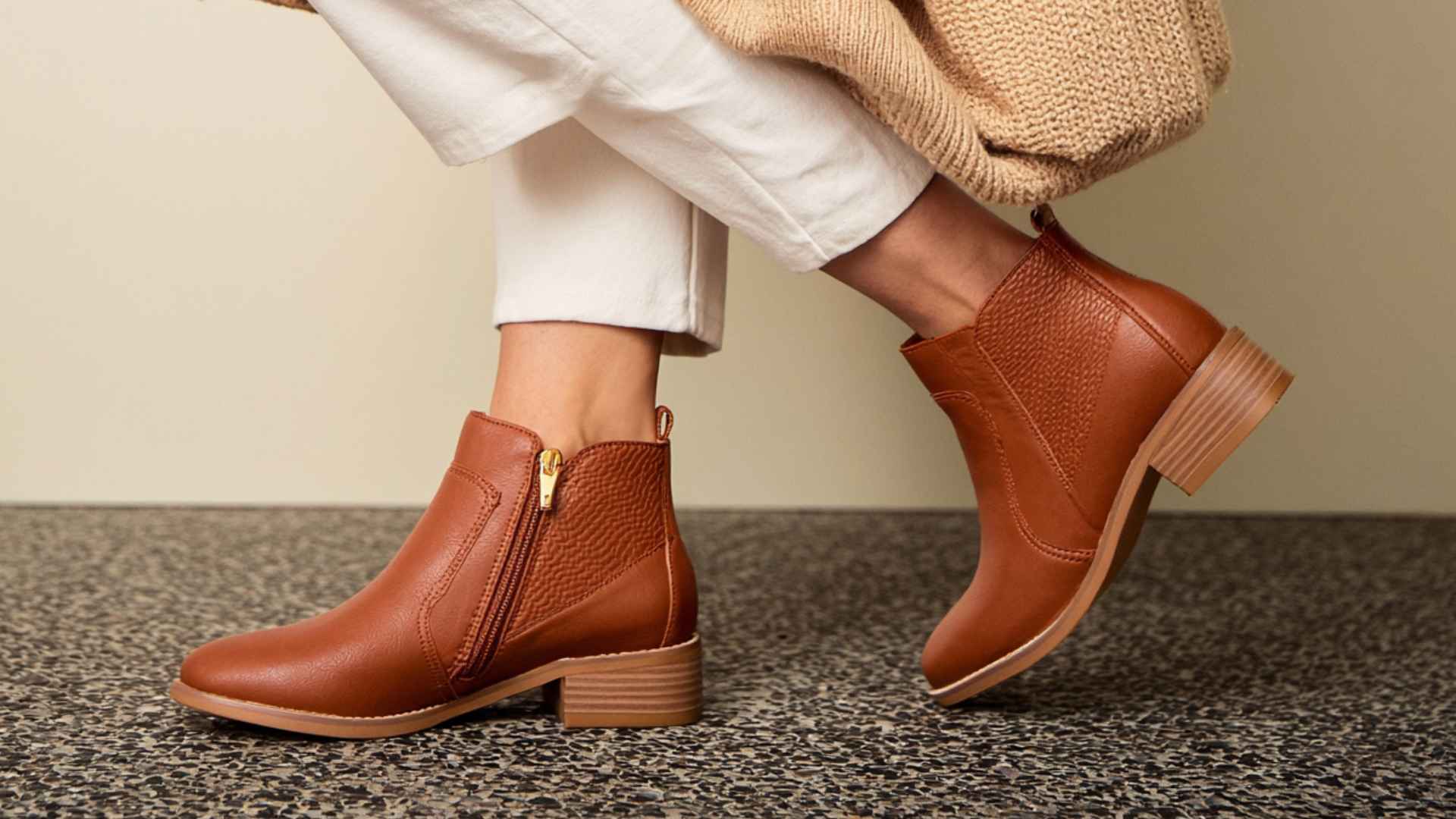
Not every cowboy boot needs a pull strap and a fight to get it on. Zip-up and slip-on styles have shorter shafts, usually 6 to 8 inches, and are built for speed and ease.
They work well with jeans; they’re easy to pack for travel, and they still carry that western look without the break-in time some tall boots need.
Western Booties
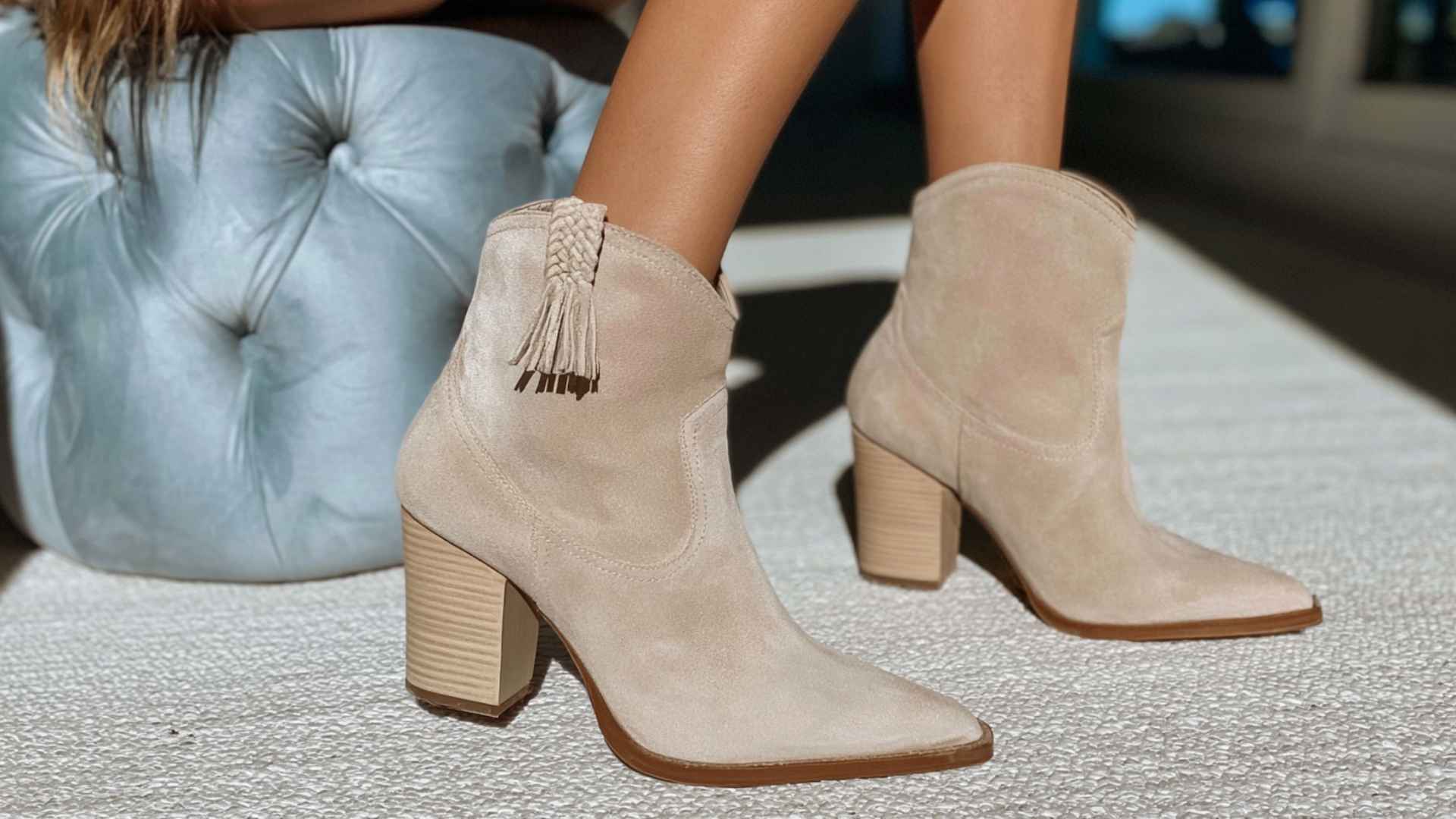
Booties are the shortest style on this list, sitting around 6.5 inches. They’re mostly a women’s style, made to pair with skinny jeans or flared denim without bunching up.
- Available in pull-on and zip-up versions
- Lighter weight than full-height boots
- Built more for fashion than for ranch work
If you want the western look without a tall shaft, booties are the easiest style to wear with everyday outfits. Getting the ankle snug without it feeling tight is what makes or breaks how the boot wears day-to-day.
Work Boots
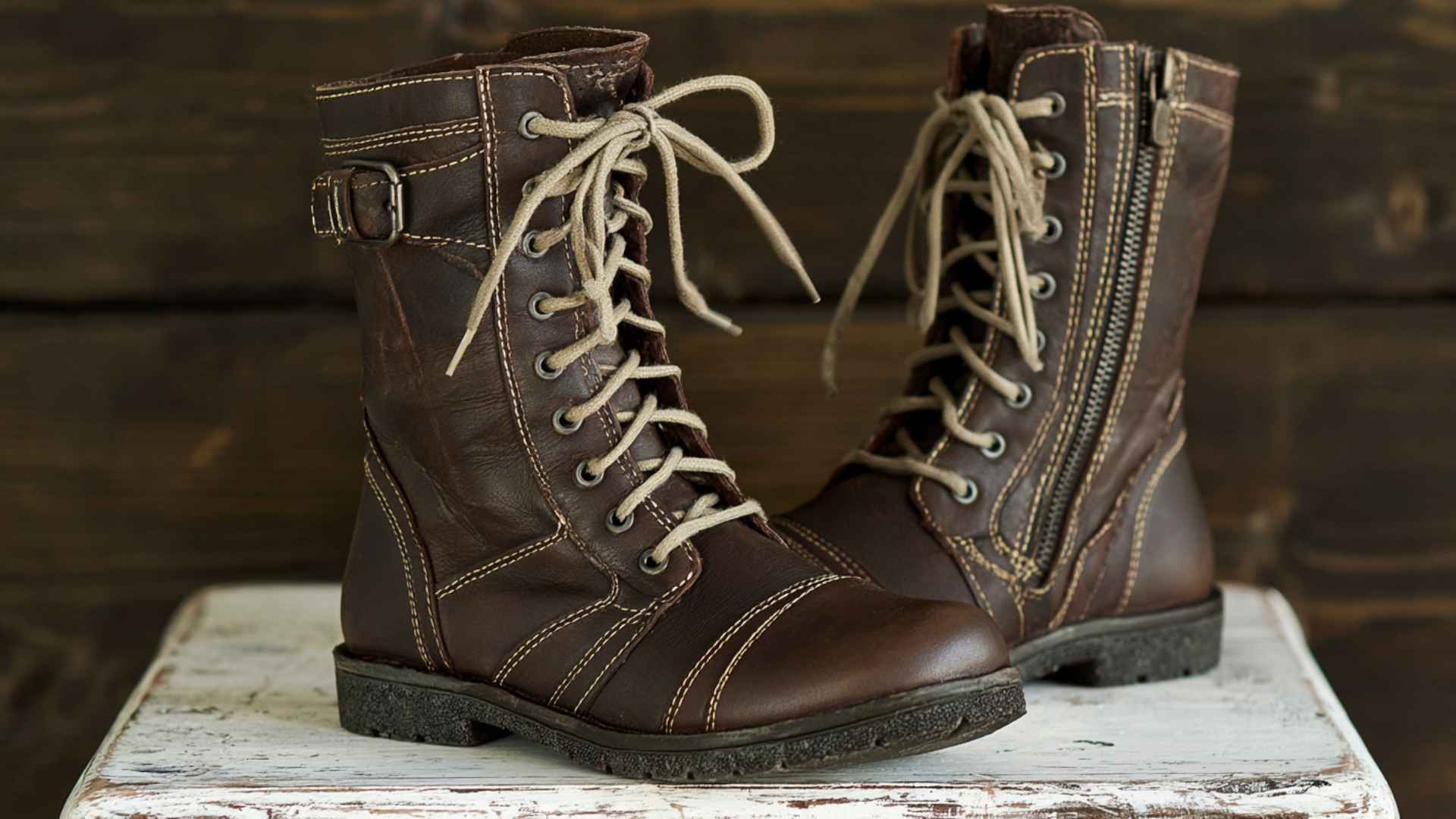
Western work boots trade style points for toughness. They come with a reinforced toe, a thicker sole, and a lower, wider heel that’s easier to stand on for long shifts.
Ranch hands, warehouse workers, and anyone on their feet all day tend to reach for this style. It won’t turn heads at a dance hall, but it will outlast almost every other type on a rough job site.
How to Pick the Right Style for You
The fastest way to narrow things down is to think about what you’ll actually be doing when you wear your boots.
| Use Case | Best Boot Style | Why |
|---|---|---|
| Riding often | Classic Western or Buckaroo | Protects your shaft while riding |
| On your feet all day | Roper or work boot | Saves your legs and back |
| Dressing up | Exotic leather boots | Adds polish without losing the western look |
| Style with jeans | Zip-ups or booties | Easiest to wear daily |
Shaft height and heel type matter more than color or leather type when it comes to comfort, so start there before anything else.
Toe Shapes You’ll See Across Every Style
Toe shape isn’t its own boot type, but it changes how any style fits and functions. Choose what fits best with your style.
- Pointed toe: Slides into stirrups easily, classic riding look
- Round toe: More room for your toes, all-day comfort
- Square toe: Wide fit, good for work boots and long wear
- Snip toe: A pointed toe with the tip cut flat, popular for a modern look
Any of the styles above can come in one of these four toe shapes, so it’s worth checking before you buy.
How to Style Cowboy Boots for Any Outfit
Cowboy boots are surprisingly easy to style once you let them be the main western detail in your outfit. For a simple everyday look, pair classic brown or black cowboy boots with straight-leg jeans and a clean T-shirt, sweater, or button-down shirt.
Dress boots work well with dark denim or tailored trousers when you want a slightly more polished look. Western booties can be worn with cropped jeans, skirts, or casual dresses for a softer look.
If you are wearing exotic leather boots or a pair with detailed stitching, keep the rest of your outfit simple so the boots stand out.
Avoid pants that are too bulky around the shaft, as they can bunch awkwardly. You do not need a full western outfit to make cowboy boots look stylish.
Cowboy Boot Care Tips
A good pair of cowboy boots can last for years if you keep dirt, moisture, and dry leather under control.
- Brush off dirt after wearing: Use a soft brush or cloth before mud and dust settle into the leather.
- Condition the leather: Apply a leather conditioner occasionally to keep the material flexible and reduce cracking.
- Let wet boots dry naturally: Keep them away from heaters and direct heat, which can shrink or dry the leather.
- Use boot trees: They help the shaft and foot keep their shape between wears.
- Protect suede separately: Use a suede brush and a suitable protective spray instead of regular leather conditioner.
- Watch the soles and heels: Replace worn heel caps or soles before damage reaches the main boot construction.
- Store them upright: Keep boots in a cool, dry place rather than folding or stacking them.
Exotic leathers can need different products than regular cowhide, so check the manufacturer’s care instructions before applying cleaners or conditioners.
Conclusion
After going through all of this, one thing stands out. Picking the right pair really comes down to how you’ll use it, not how it looks on a shelf.
The types of cowboy boots covered here each solve a different problem, from riding to standing all day to pairing well with your favorite jeans.
My own advice is to think about your daily routine first, then let shaft height and heel style narrow things down from there. Color and leather can come later.
Try on a couple of styles side by side, and the right fit tends to become pretty obvious pretty fast. Start with function, and the boot that matches your life will usually stand out on its own.
Frequently Asked Questions
What is the Most Common Type of Cowboy Boot?
The Classic Western boot is the most common. It has a tall shaft and pointed toe, and it’s the style most people picture first.
What’s the Difference Between a Roper and a Classic Western Boot?
The shaft and the heel. A Classic Western has a taller shaft and a higher, more angled heel built for riding. A Roper has a shorter shaft and a flatter heel built for walking and working on the ground.
Are Exotic Leather Boots Worth the Price?
Yes, if you want a unique look and long-lasting material. They cost more but hold their texture and shape better than standard leather.
Do Cowboy Boot Styles Differ by Region?
Yes. Buckaroo boots are common in the Great Basin, while shorter, snip-toe styles are more common in parts of Oklahoma and Texas.