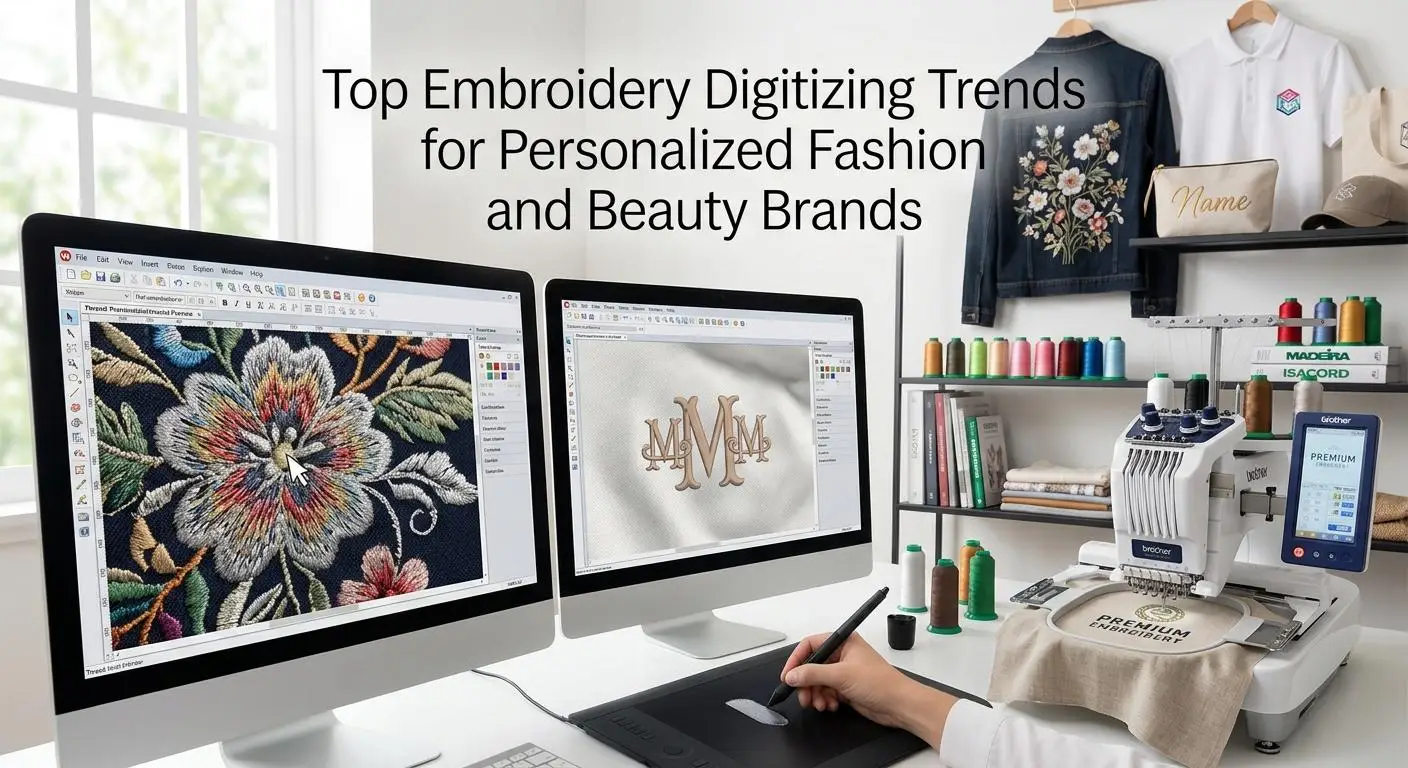
Personalization has become a big part of fashion and beauty branding. Customers want products that feel unique, whether that means a monogrammed robe, embroidered makeup bag, custom hat, or branded uniform.
The tools behind embroidery are also changing. Brands now have more control over stitch style, color, texture, size, and placement. Many creators use Embroidery Legacy Digitizing Software to prepare artwork and turn ideas into stitch-ready designs.
As competition grows, embroidery is moving beyond basic logos. The strongest trends focus on detail, texture, personalization, and designs that feel made for a specific customer.
Minimalist Logos and Small Branding
Large logos still have a place, but many brands are choosing smaller, cleaner embroidery. A tiny logo on the chest, sleeve, pocket, collar, or hat can feel more premium than a large design across the front.
This works well for fashion labels, salons, spas, beauty studios, and boutique brands. The key is making sure small lettering and fine details are digitized correctly. If stitches are too dense, the design can look thick or become hard to read.
Modern Monograms
Monograms are not new, but the style is changing. Instead of formal three-letter designs, brands are using clean initials, handwritten letters, simple scripts, and small symbols.
This trend works on robes, towels, cosmetic bags, sweatshirts, caps, and travel accessories.
A luxury spa may choose elegant script, while a streetwear label might use bold block letters. The design should feel connected to the brand.
Texture Is Taking Center Stage
Embroidery can do more than reproduce an image. It can add texture that printed graphics cannot match.
Digitizers are mixing stitch types to create raised areas, smooth lettering, soft fills, and layered details. Satin stitches can make lettering stand out, while fill stitches work well for larger shapes.
Tone-on-Tone Embroidery
Tone-on-tone embroidery uses thread close to the fabric color. Think cream stitching on a beige sweatshirt or black thread on a charcoal cosmetic bag.
The result is subtle and stylish. It suits brands that want personalization without making the embroidery the loudest part of the product.
More Creative Placement
The left chest remains common, but brands are experimenting with placement. Small designs now appear on cuffs, collars, hat sides, pockets, hems, shoulders, and the back of necklines.
Before choosing a location, consider the garment itself. Seams, zippers, thick fabric, and curved areas can affect how smoothly the embroidery stitches.
Personalized Names and Short Messages
Names, initials, dates, and short phrases are popular because they create a direct connection with the customer. A product feels different when it was made for one person.
Fashion brands can add names to jackets, hoodies, hats, or bags. Beauty businesses can personalize robes, towels, spa headbands, and cosmetic cases.
Nature-Inspired Designs
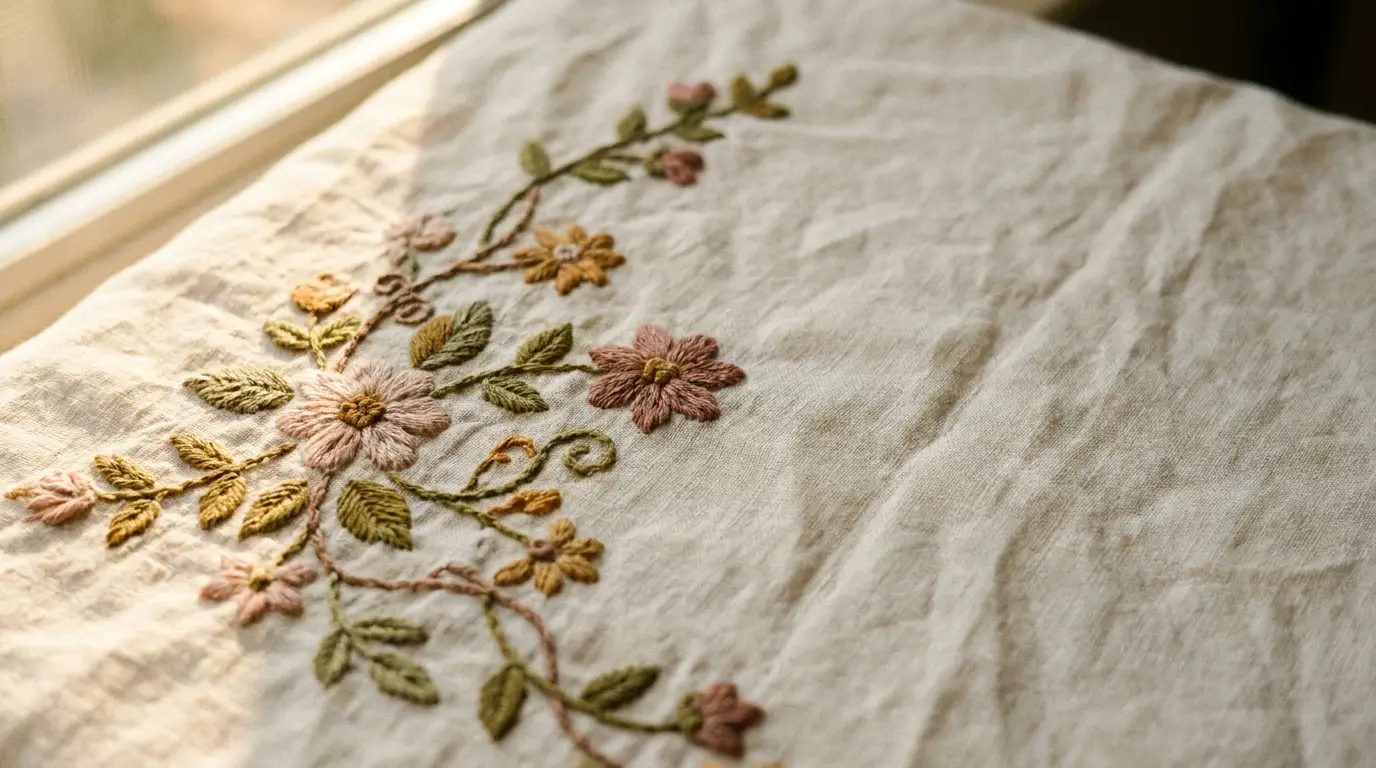
Flowers, leaves, vines, butterflies, stars, and other natural shapes continue to appear in personalized fashion. Embroidery works especially well with these designs because thread adds depth and movement.
The trend fits boutique clothing, bridal items, beauty accessories, and wellness products. Soft curves and flowing stitch directions can make organic artwork look more natural.
However, too much detail can make small designs crowded. Simplifying the artwork often creates a cleaner result.
Mixed Embroidery Styles
Brands are also combining different embroidery techniques in one design. A logo may use satin stitching for the name, fill stitching for an icon, and running stitches for small details.
Mixing styles creates contrast without requiring many thread colors. The goal is balance. Too many stitch types can make a design look busy, so each one should have a clear purpose.
Designing for Different Fabrics
Personalized products are embroidered on denim, fleece, canvas, towels, caps, knitwear, and lightweight garments. Each material behaves differently.
A design that works perfectly on a canvas tote may need adjustments before stitching on a stretchy shirt. Underlay, stitch density, pull compensation, and stabilizer choice can all affect the result.
Why These Trends Matter
Embroidery can help fashion and beauty businesses make products feel more valuable without changing the whole product line. A small design, special placement, or personalized name can turn a basic item into something memorable.
The biggest trend is thoughtful customization. Brands are paying more attention to where designs appear, how they feel, and how they connect with customers.
It also helps brands create limited collections, seasonal gifts, and special products without changing their full visual identity.
Conclusion
Personalized embroidery continues to grow because it combines branding with something people can see and touch. Minimal logos, modern monograms, texture, subtle colors, creative placement, and custom names give brands many ways to stand out.
Strong results start with good digitizing. When the stitch file is built for the artwork, fabric, and final product, even a simple design can look polished.
FAQ
What is embroidery digitizing?
Embroidery digitizing converts artwork into a stitch file an embroidery machine can read. The file controls stitch type, direction, density, and other details.
What embroidery trend works best for luxury brands?
Tone-on-tone embroidery, small logos, and clean monograms work well because they create a subtle, premium appearance.
Can the same embroidery file be used on every fabric?
Not always. Different fabrics may require changes to density, underlay, or other settings.
Is personalized embroidery good for small businesses?
Yes. Names, initials, and custom details can add value and give customers a reason to choose a premium option.