Layers are everywhere right now. Scroll through Instagram or TikTok for five seconds, and there they are: soft, wispy layers on one head, choppy, wild layers on the next.
That is the butterfly cut vs wolf cut debate, and it trips up a lot of people. Both cuts use layers to build volume. Both look bold in photos. But they are not twins. One stays soft and polished.
The other leans messy and edgy on purpose. Picking the wrong one can mean weeks of waiting for hair to grow back into shape.
So before booking that next salon appointment, it helps to know how these two cuts differ and which one suits your face, hair type, and daily routine.
What Makes a Butterfly Cut Different From a Wolf Cut
Both cuts rely on heavy layering, which is exactly why they get mixed up so often. Layers show up everywhere lately, across dozens of layered style options that never seem to slow down on social feeds.
The butterfly cut keeps its layers connected and blended, building volume gradually from the crown down while leaving enough length at the ends to keep the shape soft.
The wolf cut takes the opposite approach, cutting layers with intentional gaps so the top looks fuller and choppier while the back stays longer and thinner, closer to a mullet.
The easiest way to tell them apart at a glance is to look at how smooth or broken up the transition between layers looks.
Proper styling also matters, so using heat-protectant products can help protect hair from heat damage while maintaining the shape of each cut.
Once that distinction is clear, the rest of the differences, from face shape to styling routine, follow the same pattern.
What is a Butterfly Cut?
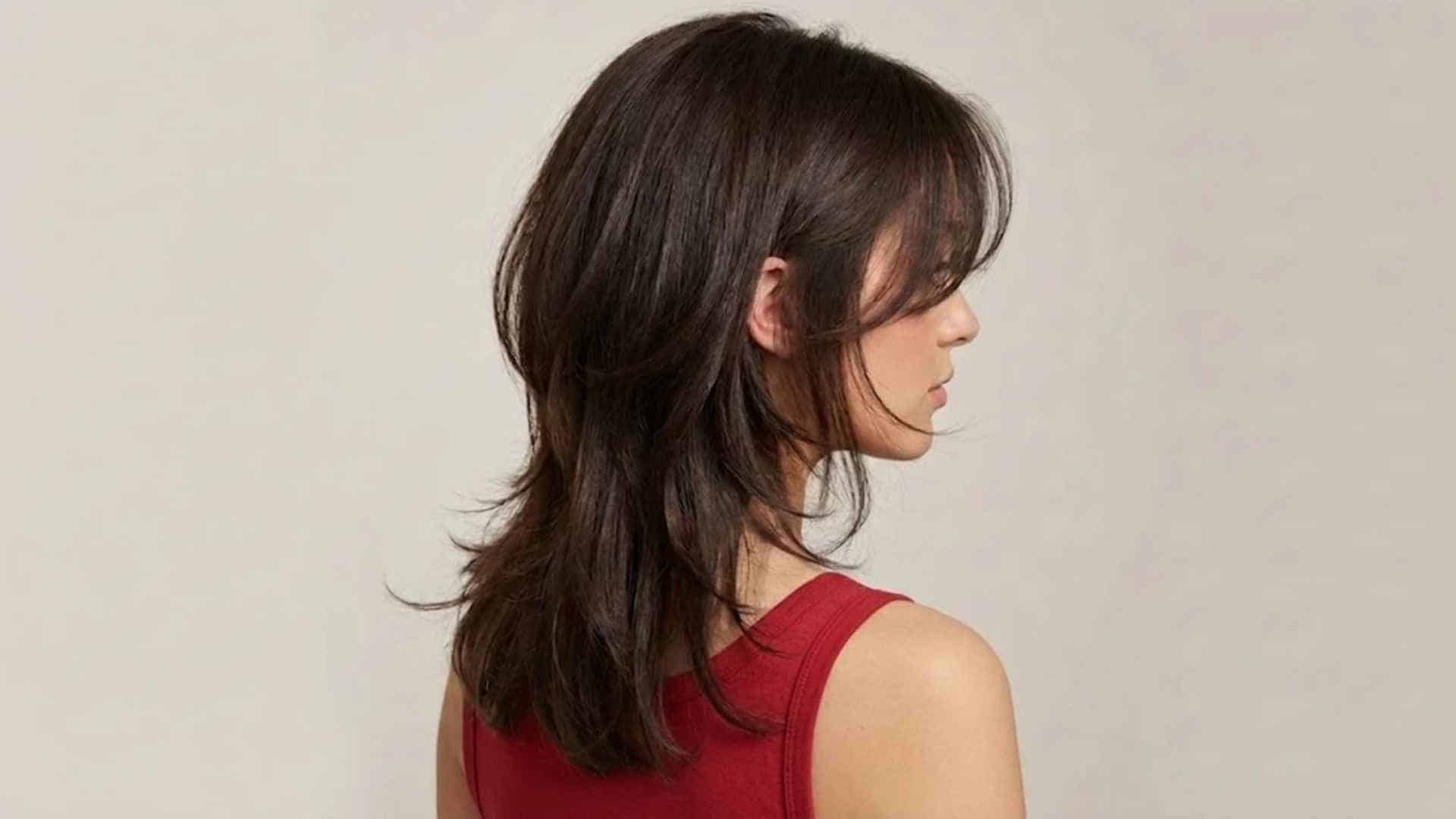
The butterfly cut creates a soft, layered shape that gets its name from the way the hair spreads out like wings when styled or pulled back. It adds volume and movement while keeping the overall length intact.
- Shorter layers around the crown for natural lift and bounce
- Longer blended layers that flow toward the ends
- Face-framing pieces that sit around the cheekbones and chin
- Soft, rounded finish that works well on medium to long hair
| Pros | Cons |
|---|---|
| Adds volume while keeping length | Needs regular trims |
| Frames the face softly | Requires styling effort |
| Works with many hair types | May look flat without volume |
While the wolf cut focuses on choppy texture and contrast, the butterfly cut relies on smooth transitions and connected layers, creating a more polished, airy look.
What Is a Wolf Cut?
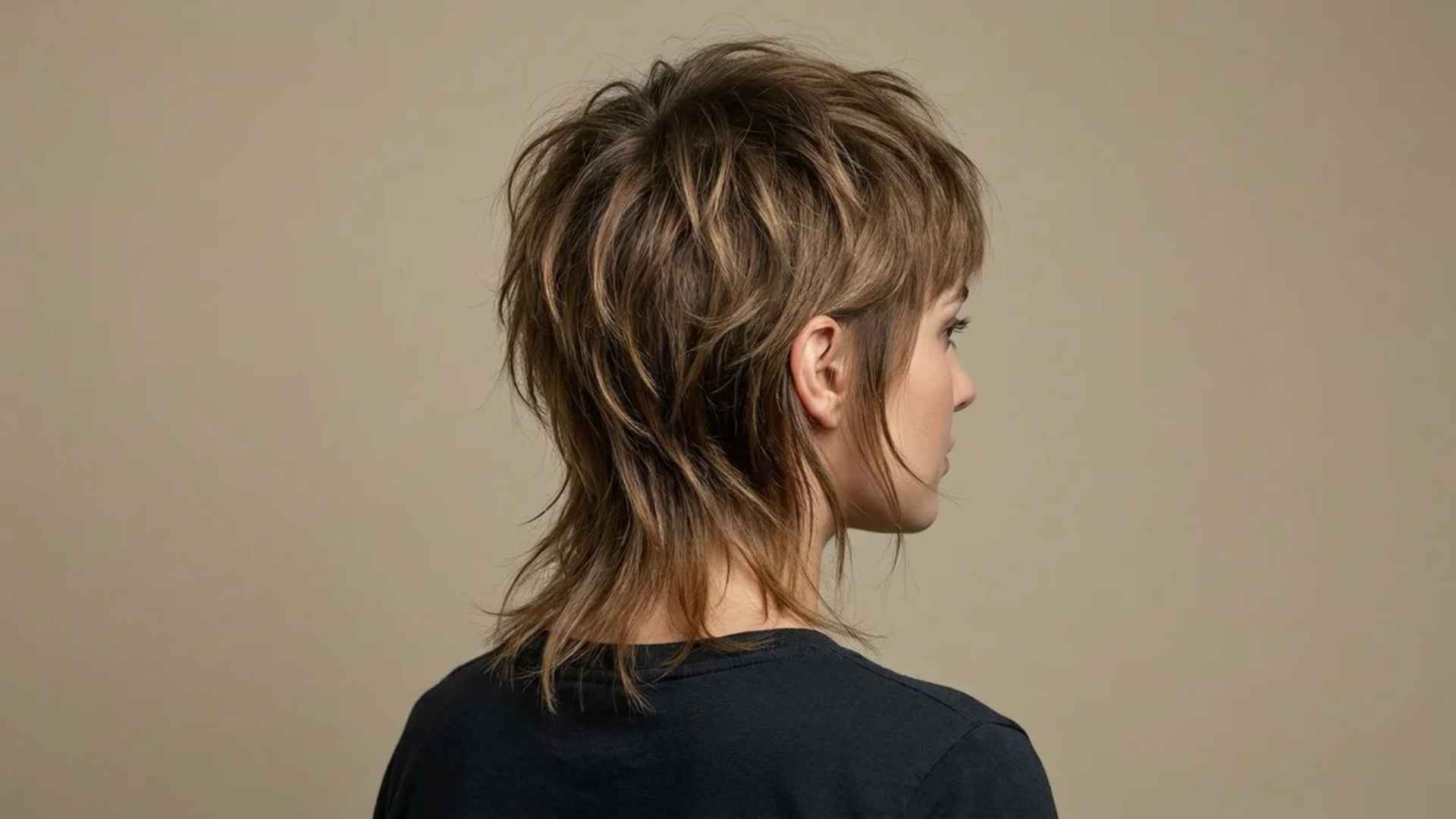
The wolf cut combines the volume of a shag with the length variation of a mullet. It started gaining traction through South Korean stylists before spreading across social media.
- Shorter, choppier layers at the crown for lift
- Longer, thinner pieces left at the back and sides
- Deliberately undone, disconnected finish
- Best suited to medium to thick hair that can hold texture
| Pros | Cons |
|---|---|
| Adds bold texture and volume | Needs regular styling |
| Creates a trendy, edgy look | Can look messy if unmanaged |
| Works well with thick hair | May not suit every face shape |
Where the butterfly cut smooths and blends, the wolf cut is built to look intentionally rough around the edges, a contrast that shows up clearly in how each one is layered.
Where Each Trend Comes From
Every popular haircut has a story behind it, and the origins of butterfly and wolf cuts explain their unique styles.
The butterfly cut traces back to 70s shag styling and 90s glam influences, popularized by hairstylist Sunnie Brook years before its 2022 TikTok resurgence.
The wolf cut is a shag and mullet hybrid that first surfaced in South Korean salons in the mid 2000s, then went global through K-pop and TikTok around 2021. Celebrities like Billie Eilish and Miley Cyrus helped bring the look into mainstream fashion.
How do the Layers Actually Take Shape?
The core difference between these two cuts comes down to how the layers are cut and connected.
Butterfly and wolf cuts both use layers for volume, but their shapes, textures, and styling results create two completely different looks.
| Feature | Butterfly Cut | Wolf Cut |
|---|---|---|
| Layer Style | Blended, seamless layers | Choppy, disconnected layers |
| Shape Focus | Face-framing layers that create a wing-like shape | Crown volume with a longer, mullet-inspired back |
| Overall Silhouette | Soft and rounded | Sharp and shaggy |
| Best Hair Length | Medium to long hair | Medium length, but can work on shorter styles too |
Choosing between a butterfly and a wolf cut depends on your preferred style. Soft movement suits butterfly cuts, while bold texture fits wolf cuts.
Once the layering pattern is clear, the next question is how each cut wears over the course of the day in terms of volume and movement.
Volume and Movement
Both haircuts use layering to add volume. They do it in different ways.
The butterfly cut adds volume slowly from the top of the head down. This makes the hair move softly and bounce all day.
The wolf cut, on the other hand, puts most of the volume at the top. The back and sides have flatter layers, which give lift up top and a looser look in the back.
The butterfly and wolf cut build volume in different ways. Choose the butterfly cut for movement, or the wolf cut for texture and lift.
Texture and Finish: Smooth Ends vs Choppy Ends
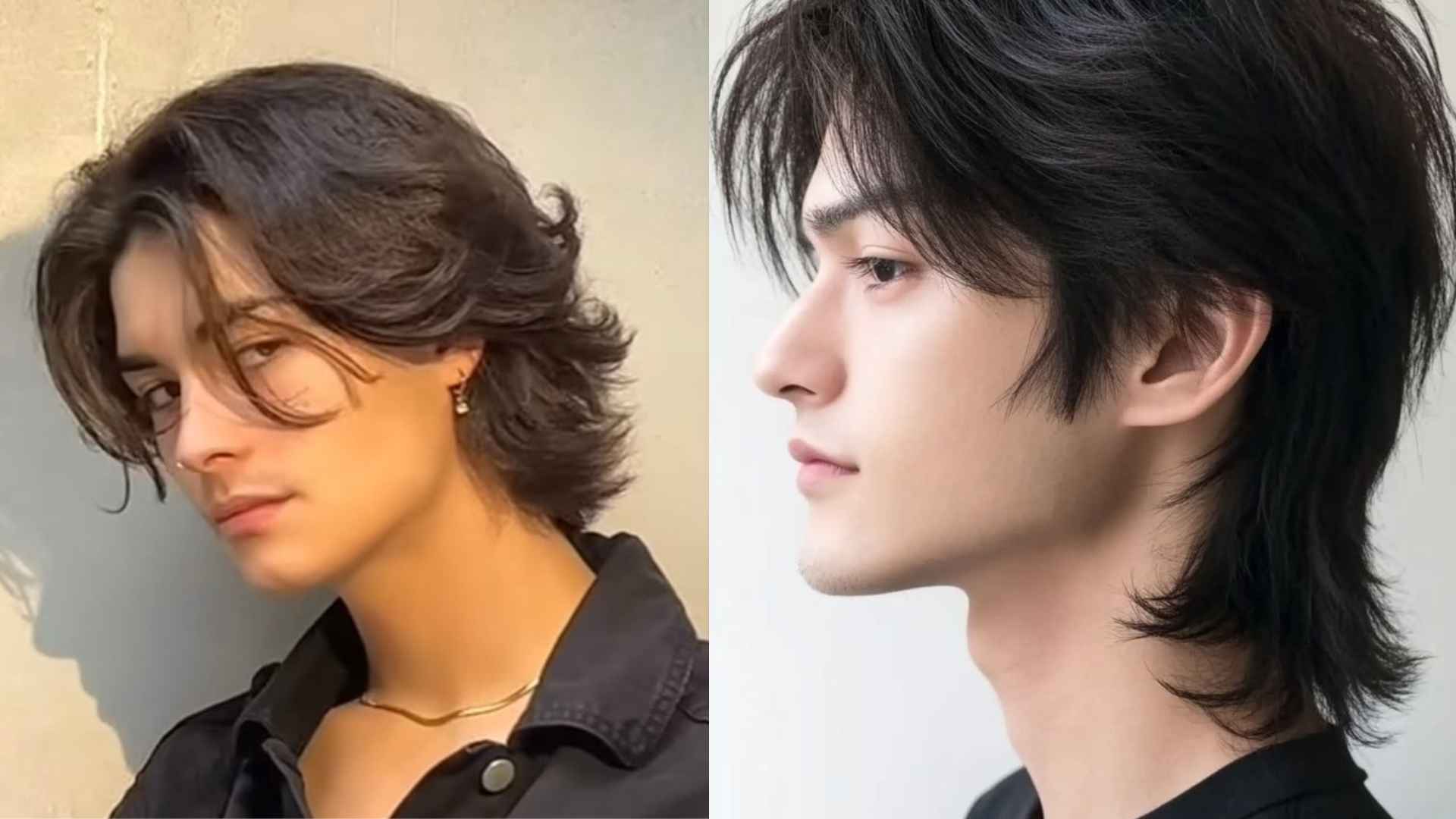
Texture is where these two cuts diverge the most, and it is often the deciding factor for people choosing between them.
- Butterfly cut: smooth, feathered ends with a polished, put-together finish
- Wolf cut: raw, textured ends with a lived-in, slightly messy finish
- Butterfly cut photographs are cleaner under studio or event lighting
- The wolf cut holds up better for casual, everyday wear without much styling effort
Pro Tip: A texturizing spray boosts the wolf cut’s choppy texture, while a smoothing serum keeps butterfly-cut layers polished and frizz-free.
Texture preference often aligns with face shape, too, since softer or sharper layering can change how features are framed.
Which Cut Suits Your Face Shape
Layer placement changes how a haircut interacts with jawlines, cheekbones, and forehead width.
| Face Shape | Butterfly Cut | Wolf Cut |
|---|---|---|
| Oval | Works well | Works well |
| Round | Softens angles nicely | Can add needed structure |
| Heart | Balances a narrower chin | Works well |
| Square | Softens strong jawlines | Less flattering, sharper layers may compete with angles |
Face shape is one part of the equation, and hair type plays an equally large role in how either cut turns out.
Where Do Most People Go Wrong?
A few common missteps account for most of the regret people report after getting either cut.
- Asking for a wolf cut without discussing face shape, since heavy crown volume can widen round faces more than expected
- Getting a butterfly cut without enough starting length, since the wing shape needs at least medium length to show properly
- Skipping the texture conversation, since both cuts behave very differently on straight versus curly hair
- Waiting too long between trims on a butterfly cut, which causes the blended layers to lose definition
- Choosing a wolf cut with very fine hair and no added layering strategy, which can leave ends looking thin
Avoiding these mistakes usually comes down to one thing: being specific with the stylist about your hair type, face shape, and the exact look you want.
Which Cut Suits Your Hair Type
Hair texture and thickness affect how butterfly and wolf cuts look. Understanding these differences helps you choose a style that matches your natural hair.
| Hair Type | Butterfly Cut | Wolf Cut |
|---|---|---|
| Straight Hair | Creates smooth, flowing layers with natural movement | Needs texture products to maintain its choppy shape |
| Wavy Hair | Enhances soft waves with blended layers | Works well with natural texture and added volume |
| Curly Hair | Reduces bulk while keeping the curl pattern intact | Adds definition, bounce, and a more textured finish |
| Fine Hair | Creates the look of fuller, thicker layers | May need extra layering to prevent a flat appearance |
The right cut depends on your hair’s texture, density, and styling needs. Both styles can work beautifully with the proper approach and care.
Styling and Maintenance Differences
Maintenance is often the deciding factor once you’ve settled on a look.
- Butterfly cut: benefits from a round brush and blow dryer for a polished, voluminous finish
- Wolf cut: air-dries well with texture spray or a light mousse scrunched through
- Butterfly cut typically needs trims every 8 to 10 weeks to keep the wing shape defined
- A wolf cut can go slightly longer between trims since the disconnected layers grow out more naturally
Pro Tip: If styling time is limited, the wolf cut is the lower-effort option day-to-day, while the butterfly cut rewards a few extra minutes with a round brush.
Once styling habits and time commitment are factored in, most of the remaining questions come down to a few common concerns.
Cost and Salon Time Comparison
The budget and the appointment duration are just as important as how the haircut looks, especially if you are getting a haircut for the first time.
A wolf cut is usually faster. It costs a little less because the layers are choppy and don’t need to be perfect, so it takes less time to cut.
A butterfly cut takes longer because the layers need to blend perfectly, which requires careful cutting to keep the transitions invisible.
The price of a haircut can vary widely depending on the salon and its location.
It is a good idea to ask how long it will take when you are talking to the stylist, rather than just assuming one type of cut is cheaper.
| Quick Note: Prices vary by salon and location, so ask your stylist for a quote and a time estimate up front rather than assuming one cut is cheaper. Factor in styling time and upkeep too, since how often you trim or restyle either cut affects the total cost over a year, not just the day of the appointment. |
How to Ask Your Stylist for a Perfect Cut
Walking into a salon with the right words can be the difference between the cut you pictured and a version that misses the mark completely.
It also helps to confirm your stylist’s license before booking, since licensing rules vary by state and protect you from unqualified work.
- Bring 2 to 3 reference photos from the exact angle you want copied, since “butterfly cut” and “wolf cut” mean different things to different stylists
- Say “connected, blended layers” for a butterfly cut and “disconnected, choppier layers” for a wolf cut to avoid ambiguity
- Mention your current hair length and how much you are willing to lose, since both cuts change dramatically with starting length
- Ask about face-framing placement, specifically if you want the softer, cheekbone-hugging pieces the butterfly cut is known for
- Flag your natural texture (straight, wavy, or curly) so the stylist can adjust the layering to work with it rather than against it
Pro Tip: Schedule a separate consultation to discuss your hair goals before a major haircut change.
Clear communication upfront saves a second appointment later, and it gives the stylist everything needed to customize either cut to your face and hair.
If a shorter, clippered version ever comes up down the road, knowing a basic clipper size guide ahead of time makes that conversation just as easy.
Other Layered Cuts Worth Knowing
Butterfly and wolf cuts are not the only layered styles making the rounds right now. A few close relatives come up often enough in salon consultations that they are worth knowing before booking.
- Hush cut: A Korean layered style with soft, internal layers blended so smoothly they barely show. It sits between the two main cuts in this article, calmer than a wolf cut and less structured than a butterfly cut, and suits people who want movement without any visible tiers.
- Modern mullet: Shorter layers up front with longer length left in the back. It shares the wolf cut’s short-to-long contrast but skips the choppy crown volume, giving a cleaner, less textured version of the same idea.
- Shag cut: The style both the butterfly and wolf cut borrow from. Layers run throughout the whole head rather than being concentrated at the crown, giving a looser, more relaxed shape than either cut covered here.
- Long layered cut: Soft, uniform layers with none of the face-framing pieces. A good option for someone who likes the volume a butterfly cut promises but wants a simpler cut to grow out.
Hush cuts draw the most comparisons to wolf cuts since both started in Korean salons, so it helps to see them side by side.
Hush Cut vs Wolf Cut
| Feature | Hush Cut | Wolf Cut |
|---|---|---|
| Layer Style | Soft, nearly invisible blending | Choppy, disconnected layers |
| Overall Vibe | Quiet and polished | Bold and undone |
| Best Hair Length | Longer hair, a few inches below the shoulders | Medium length, works shorter too |
If neither the butterfly cut nor the wolf cut feels quite right after reading through the differences, one of these related styles might be the better starting point for the next salon visit.
Butterfly Cut or Wolf Cut: Making the Call
Choosing between these two haircuts really comes down to one question: do you want your hair to be soft and polished or bold and undone?
The butterfly cut adds volume without cutting off length. Its layers blend smoothly; it looks good on most face shapes, and it takes a bit more upkeep to keep that shape defined.
The wolf cut takes the opposite approach. It needs less daily effort and suits anyone who wants built-in texture and attitude.
Your face shape, hair type, and how much time you have in the morning to style your hair all help you decide which cut is right for you.
The only real mistake is walking into a salon without a clear picture of what you want.
Frequently Asked Questions
Which Cut is Easier to Maintain?
The wolf cut is generally lower-maintenance since it air-dries well and grows out naturally, while the butterfly cut requires more regular trims and styling time.
Can You Combine Both Cuts Into One Style?
Yes, many stylists blend the two into a “textured butterfly” or “feathered wolf,” mixing soft face-framing layers with choppier, more voluminous crown sections.
Which Cut Works Better on Fine Hair?
The butterfly cut generally adds more fullness to fine hair, while the wolf cut may need extra layering to avoid looking thin or flat.
Does Either Cut Work on Short Hair?
The wolf cut adapts well to shorter lengths for a sharp, edgy look, while the butterfly cut needs at least medium length to show its full wing shape.