There is no shortage of baby products marketed to new parents, and working out which ones are actually useful can feel like a job in itself. A baby lounger can offer a handy place for your little one to relax during supervised awake time, but choosing the right one involves more than picking a design that looks good in the nursery. Comfort, materials, practicality, and intended use all deserve a closer look before you buy.
Start With What It Is Made From
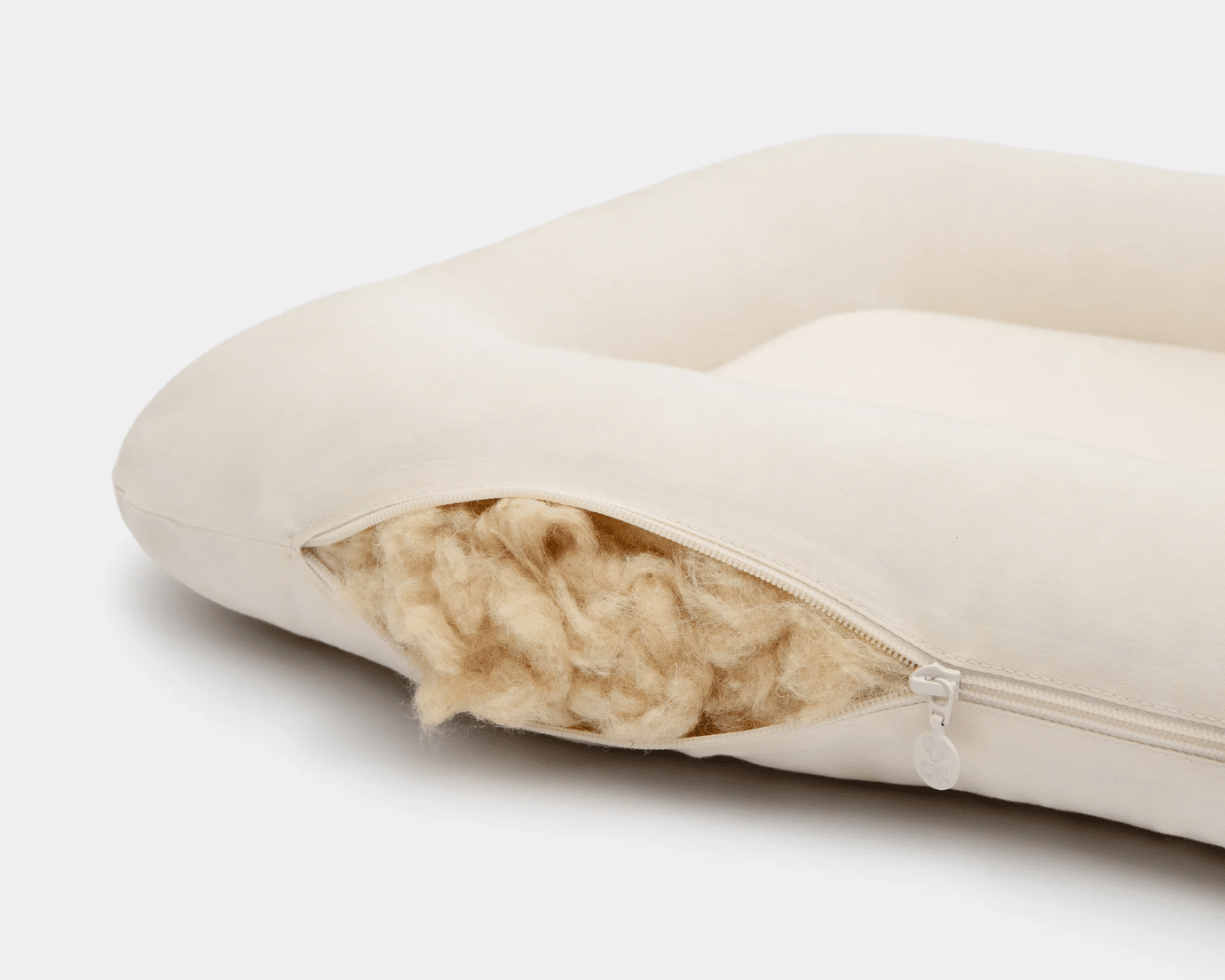
The materials used in a baby lounger matter because they will be sitting directly against your baby’s skin. Look beyond the pattern or color of the cover and check what both the outer fabric and inner filling are made from.
Some parents prefer natural fibers because they can feel softer and more breathable than heavily synthetic alternatives. Options such as the Home of Wool infant lounger may appeal to families who are specifically looking for natural materials when choosing products for their baby.
It is also worth checking whether the manufacturer provides clear information about how the materials are sourced and how the finished product should be cared for.
Make Everyday Cleaning Simple
Anything designed for a baby is likely to encounter spills, drool, and other mess sooner or later. For that reason, ease of cleaning should be fairly high on your list of priorities.
A removable cover can make a big difference, particularly if it can be washed separately from the main lounger. Check the care label before buying and make sure the cleaning instructions realistically fit your routine. A beautiful lounger quickly becomes less appealing if maintaining it is unnecessarily complicated.
Consider Where You Will Actually Use It
Think about how the lounger will fit into day-to-day life rather than only where it will sit in the nursery. You may want to move it between the living room, bedroom, and other areas of the home, so weight and portability can be useful considerations.
Dimensions matter too. Look at the recommended age and size range provided by the manufacturer and choose something designed for your baby’s current stage. Bigger is not automatically better if the product has not been designed for that age or size.
Know the Difference Between Lounging and Sleeping
This is one area where it pays to read instructions carefully. A baby lounger should only be used for the purposes specified by its manufacturer, and parents should not assume that a soft, comfortable-looking product is automatically suitable for sleep.
For naps and overnight sleep, follow current safe-sleep guidance and use an appropriate sleep surface. A lounger is generally intended for supervised awake time rather than as a substitute for a crib, bassinet, or another dedicated sleep space.
Look Beyond the Price Tag
First-time parents often have a long shopping list, so budget understandably plays a part in every purchase. Still, price should be weighed alongside build quality.
Take a closer look at stitching, seams, filling, fabric quality, and how well the lounger is likely to keep its shape with regular use. Spending slightly more on something durable and practical can sometimes represent better value than replacing a cheaper option after a short period.
There is no single baby lounger that will suit every family. The best approach is to focus on how the product will be used in your own home and to compare materials, care requirements, sizing, construction, and safety guidance carefully. That way, you can choose something that is practical for you and comfortable for your baby.