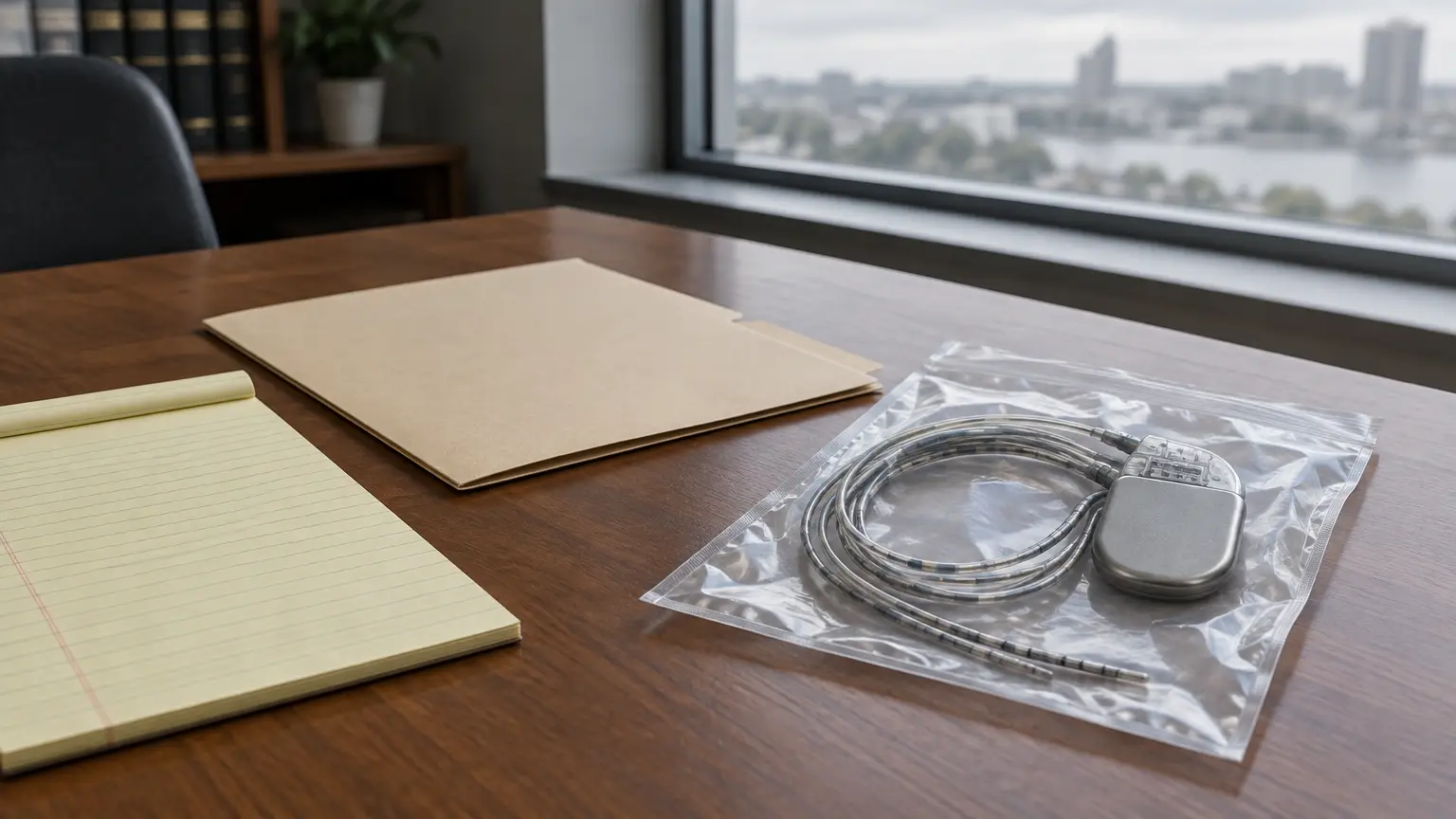
Living with chronic pain changes how a person moves through daily life, so when a spinal cord stimulator meant to bring relief instead causes new harm, the toll is both physical and emotional. A 2025 Saint Louis University study found failure rates of up to 44%, with annual explantation rates between 6% and 9%. The FDA has logged over 100,000 adverse event reports tied to these devices since 2008. In June 2026, federal courts consolidated 23 cases of a specific medtech company into a new multidistrict litigation, and one related malpractice claim ended in a $1.25 million settlement back in 2024.
For patients in St. Louis, MO, coping with burns, shocks, infections, lead migration, or paralysis after implantation, these device failures often overlap with other forms of personal injury, including lost income, mounting medical bills, and lasting emotional distress. Building a solid defective spinal cord stimulator lawsuit requires patients to understand how device defects, manufacturer negligence, and inadequate warnings come together to form a claim. Learning about each step of that process can make an overwhelming situation feel far more manageable.
Confirm the Device Problem
A patient should record the first sign of trouble, including unusual pain, heat, shocks, weakness, or skin changes. A defective spinal cord stimulator lawsuit may involve a flawed design, a contaminated component, a manufacturing error, inadequate warning, or improper implantation. Medical appointments, imaging studies, device alerts, and revision procedures can link the malfunction to resulting harm. Written notes also preserve details that human memory may later lose.
Collect Medical Records
Medical files give an injury claim its clinical backbone. Patients should request operative reports, emergency records, diagnostic images, medication histories, and follow-up notes. These documents may reveal lead migration, battery failure, infection, tissue damage, or unexpected nerve stimulation. Records from before implantation matter as well. They help clinicians compare the patient’s earlier condition with symptoms that appeared afterward.
Connect Symptoms With the Device
The presence of an implanted product does not prove causation by itself. A physician may need to explain how the stimulator produced, aggravated, or prolonged the injury. Clinical findings, timing, testing, and device performance can support that opinion. Medical testimony may also address whether removal, replacement, hospitalization, rehabilitation, or continuing medication became necessary because of the suspected defect.
Preserve Product Evidence
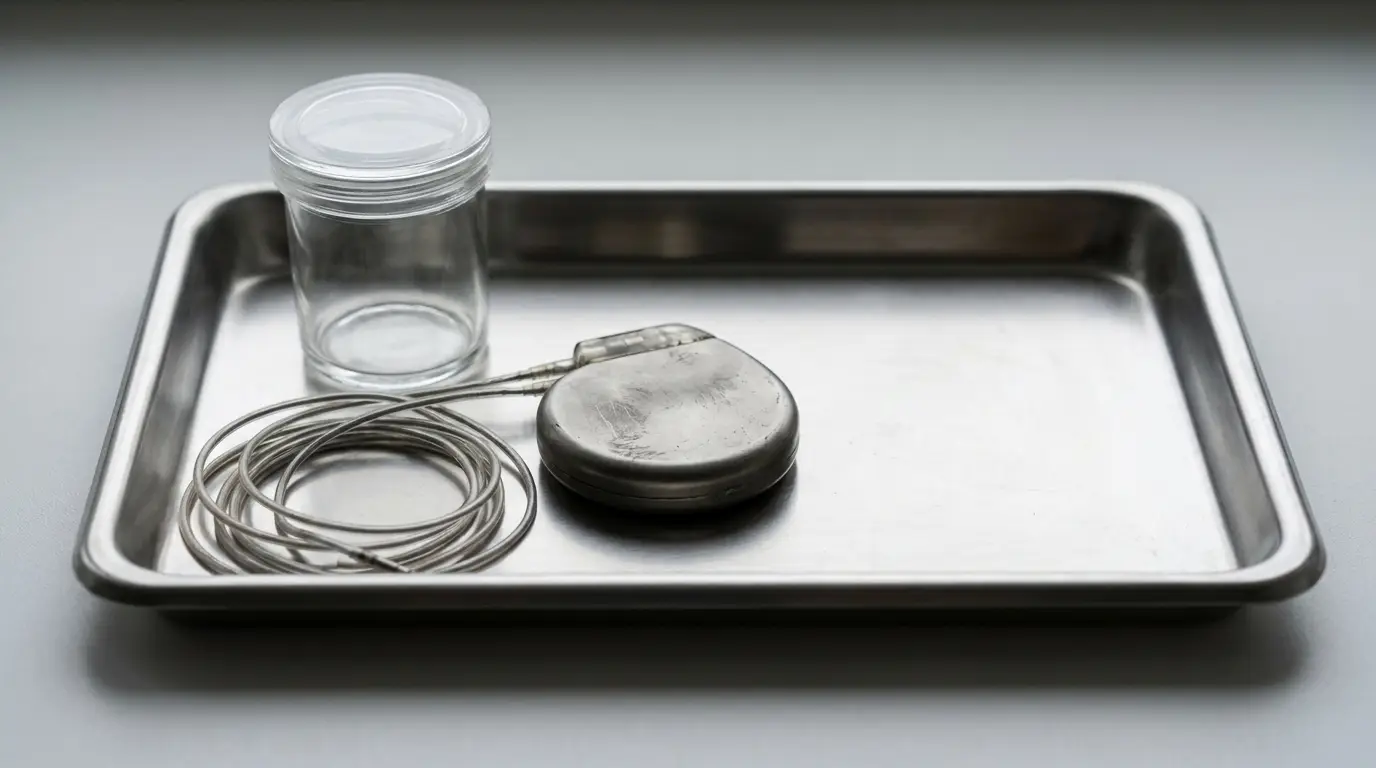
Patients should retain the device, packaging, consent materials, instruction booklets, warranty documents, and messages exchanged with medical staff. After removal, the stimulator may require secure storage for examination. Photographs can document burns, swelling, incision problems, or visible scarring. A symptom diary should include dates, sensations, activity limits, emergency calls, and treatment changes. These details often clarify the sequence of events.
Track Financial Losses
Recoverable economic harm may include hospital charges, physician fees, prescriptions, transportation, physical therapy, and home assistance. Pay records, tax documents, invoices, and employer statements can show lost earnings. Some injuries create future expenses through repeat surgery, long-term care, or reduced earning ability. A financial summary should separate amounts already paid from estimated costs that may need to be paid in the future.
Check the Filing Deadline
Each state sets a time limit for filing a product injury case. The starting point may involve the injury date, the date symptoms were discovered, a death, or the patient’s age. Claims against medical providers can require patients to follow different rules. As missed deadlines can end a valid case, a lawyer should promptly review the governing statute and identify any applicable exception.
Identify Potentially Responsible Parties
Responsibility may extend beyond the device manufacturer. Depending on the evidence, possible defendants may include a component supplier, a distributor, a hospital, a surgeon, a clinic, or any other medical provider. The appropriate legal theory depends on product records, warnings, surgical conduct, and contractual relationships. A complete investigation helps distinguish a manufacturing problem from negligent care or an unrelated medical condition.
Examine Safety Reports
Recall notices, regulatory records, prior complaints, and adverse event reports may reveal similar failures. Such materials can show whether a manufacturer received any earlier reports involving lead fractures, battery problems, infections, or excessive stimulation. Lawyers may later seek testing data, quality-control records, complaint files, and internal communications. Repeated incidents can support an argument that the company knew or should have known about the risk.
Establish the Legal Theory
A case may involve defective design, manufacturing fault, inadequate warnings, negligence, breach of warranty, or several theories supported by certain facts. Design claims often examine safer alternatives. Warning claims focus on information provided to physicians and patients. Negligence allegations may concern inspection, instructions, implantation, or follow-up care. The selected theory should match the available evidence and the laws governing the claim.
Prepare for Settlement Talks
A demand package usually sets out the injury history, medical opinions, treatment expenses, lost income, lasting limitations, and proposed compensation. Clear records help both sides assess the dispute. Patients should avoid accepting an offer before doctors address possible future care. Any settlement agreement may mean releasing additional claims, so its terms require close review before signing.
Expect Possible Litigation
If negotiations do not resolve the matter, a case may proceed through filing, exchange of evidence, depositions, expert review, motions, and trial preparation. Attorneys may request design documents, manufacturing files, complaint histories, warnings, and communications concerning device performance. The patient may answer questions about pain, treatment, employment, household tasks, and daily restrictions. Consistent, accurate statements remain important.
Protect the Patient’s Health
Medical treatment should continue regardless of legal progress. Patients should report new symptoms, attend follow-up visits, follow wound-care instructions, and discuss removal or replacement with qualified clinicians. Social media posts can create avoidable disputes about physical abilities or recovery. Keeping appointments and preserving updated records supports health while providing an accurate account of continuing effects.
Conclusion
A defective spinal stimulator claim requires more than proof that a device failed. The patient must connect the malfunction to physical injury, medical treatment, financial loss, and lasting limitations. Prompt records, preserved product evidence, qualified medical opinions, and deadline review can strengthen that connection. Careful preparation also helps identify responsible parties and evaluate settlement offers. Patients should place health first while seeking informed legal guidance about available remedies.