Heated styling tools can help people achieve a wide range of looks, from sleek, smooth finishes to defined curls, but repeated or excessive heat exposure may contribute to dryness, brittleness, split ends, and breakage over time. A hair straightener is one familiar example of a heated tool many people reach for regularly, and like other heat-based devices, how it’s used matters far more than which specific tool is chosen. Safer styling isn’t about finding one universally “best” device or a single ideal temperature—it depends on technique, hair condition, and how often heat is applied. This guide walks through how to assess your hair, prepare it properly, use heat more thoughtfully, and recognize early signs of damage before they become harder to manage.
Understanding How Heat Affects Hair
Hair Structure and the Role of the Cuticle
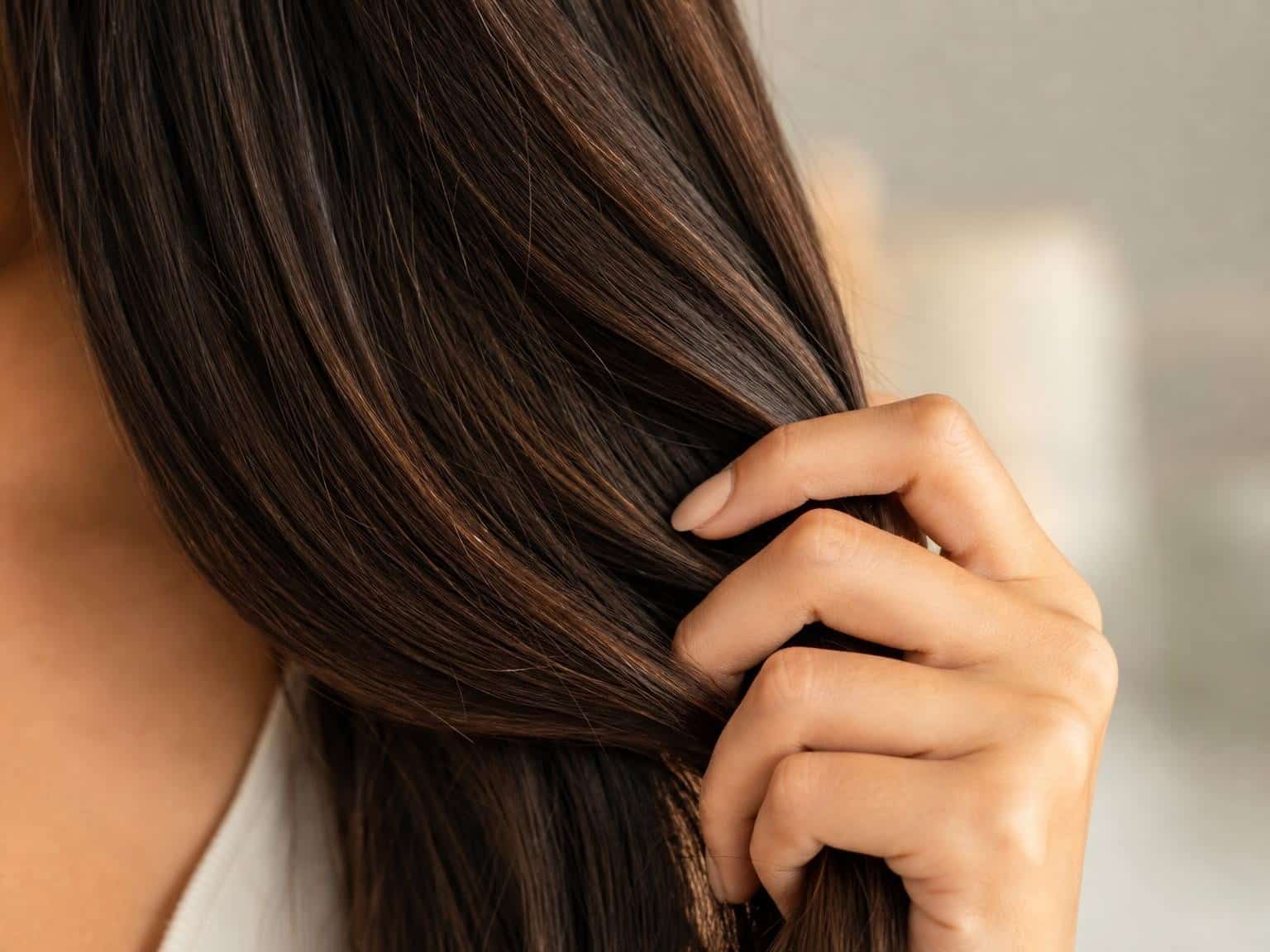
The outer layer of each hair strand, called the cuticle, acts as a protective shield. Repeated heat exposure can lift or roughen this layer, leading to moisture loss, reduced manageability, and increased breakage. Once a strand has split or broken, that damage can’t be reversed—only prevented going forward or trimmed away.
The Main Factors That Increase Damage
Several variables combine to influence risk: higher temperatures, longer contact time per section, repeated passes over the same strand, frequent styling sessions, and applying heat to hair that’s already chemically treated, dry, or fragile. Using direct heat on wet hair with tools not designed for that purpose can also add unnecessary stress to the strand. These factors interact with one another—moderate heat used briefly and infrequently carries a very different risk profile than high heat applied repeatedly.
Assess Your Hair Before Using Heat
Before reaching for any heated tool, take stock of your hair’s current condition. Persistent dryness, excessive tangling, increased snapping, split ends, reduced elasticity, or scalp discomfort are all signals to scale back. Chemical processes like bleaching, coloring, relaxing, or perming can leave hair more vulnerable, and factors like density, thickness, curl pattern, and porosity all affect how hair responds to heat—no single hair type is inherently more resistant than another.
Consider two people: one with untreated, medium-density hair who styles with heat occasionally, and another with lightened, fine hair who uses several heated tools in nearly every routine. Their risk levels differ substantially, which is exactly why routines should be personalized rather than copied from someone else’s habits.
Prepare Hair Before Styling
Start with clean, appropriately conditioned hair, and dry it gently rather than rubbing vigorously with a towel. When practical, let hair partially air-dry before introducing heat. Apply a heat-protective product according to its instructions, distributing it evenly—but understand that heat protectant doesn’t eliminate damage; at best, it may reduce stress rather than prevent it entirely. A product’s stated protection range isn’t an invitation to crank the tool up to its highest setting. Pay attention to whether a product is formulated for damp or dry hair, too, since using it incorrectly cuts into its effectiveness.
Use Safer Heat-Styling Techniques
Choose the Lowest Effective Setting
Begin with a low or medium setting and increase only if it’s truly necessary. Higher heat doesn’t necessarily style hair more effectively—it mainly raises the likelihood of dryness and breakage.
Minimize Contact and Repetition
Work in manageable sections, keep the tool moving, and limit repeated passes over the same strand. Avoid holding heat on one area longer than needed, and make sure hair is fully dry before using tools meant only for dry application.
Limit Styling Frequency
Alternate heat-styled looks with air-dried or low-manipulation styles when possible. Dermatological guidance suggests that flat irons are generally best used on dry hair at low or medium heat, and not more often than every other day—a point that’s especially important for fragile or chemically treated hair.
Key Takeaway: Use the lowest effective heat, keep contact brief, avoid repeated passes, and give hair regular breaks from heat.
Build a Lower-Damage Styling Routine
Plan your routine around a style that doesn’t demand daily restyling, and opt for gentle accessories rather than tight pulling on already weakened strands. Regular conditioning and careful detangling support manageability, though no product can restore permanently broken fibers—trimming removes split ends, while new growth simply requires ongoing care. If breakage or dryness worsens, pause heat styling and consider speaking with a dermatologist or qualified hair professional, especially if you notice unexplained hair loss or scalp symptoms.
Common Mistakes to Avoid
- Defaulting to the highest heat setting
- Styling damp hair with dry-only tools
- Repeating passes over the same section
- Treating heat protectant as complete protection
- Using multiple heated tools in one session without adjusting the routine
- Ignoring existing chemical damage
- Pulling tightly on brittle hair
- Continuing a routine despite scalp irritation or sudden hair loss
Resources such as the American Academy of Dermatology recommend low or medium heat, dry-hair use, and reduced frequency, while the Cleveland Clinic emphasizes limiting hot-tool use overall and applying heat protectant whenever heat styling can’t be avoided.
Practical Routine Examples
Occasional styling: gently towel-dry, allow partial air-drying, apply heat protectant, use a low or medium setting, work in sections with minimal passes, and let hair cool before handling.
Damaged or chemically treated hair: reduce frequency, favor air-drying or low-heat methods, avoid repeated passes, prioritize conditioning, and seek professional advice if breakage persists.
These are illustrative starting points, not fixed rules—adjust them based on your hair’s condition and the instructions that come with your specific products and tools.
How to Evaluate Hair-Care Advice Online
Learn to distinguish between dermatology guidance, manufacturer instructions, salon advice, personal testimonials, and marketing claims. Favor sources that acknowledge limitations and explain their reasoning, and stay skeptical of any promise that a product can eliminate all heat damage or repair hair that’s already broken.
Make Heat Styling a Considered Choice
Healthier styling comes down to moderation, preparation, controlled temperature, limited contact, and regular breaks—hair condition matters just as much as technique does. Watch for breakage and scalp irritation rather than relying solely on product claims. Take a moment to review your current routine, identify its most damaging step, and swap it out for a lower-heat or less frequent alternative.