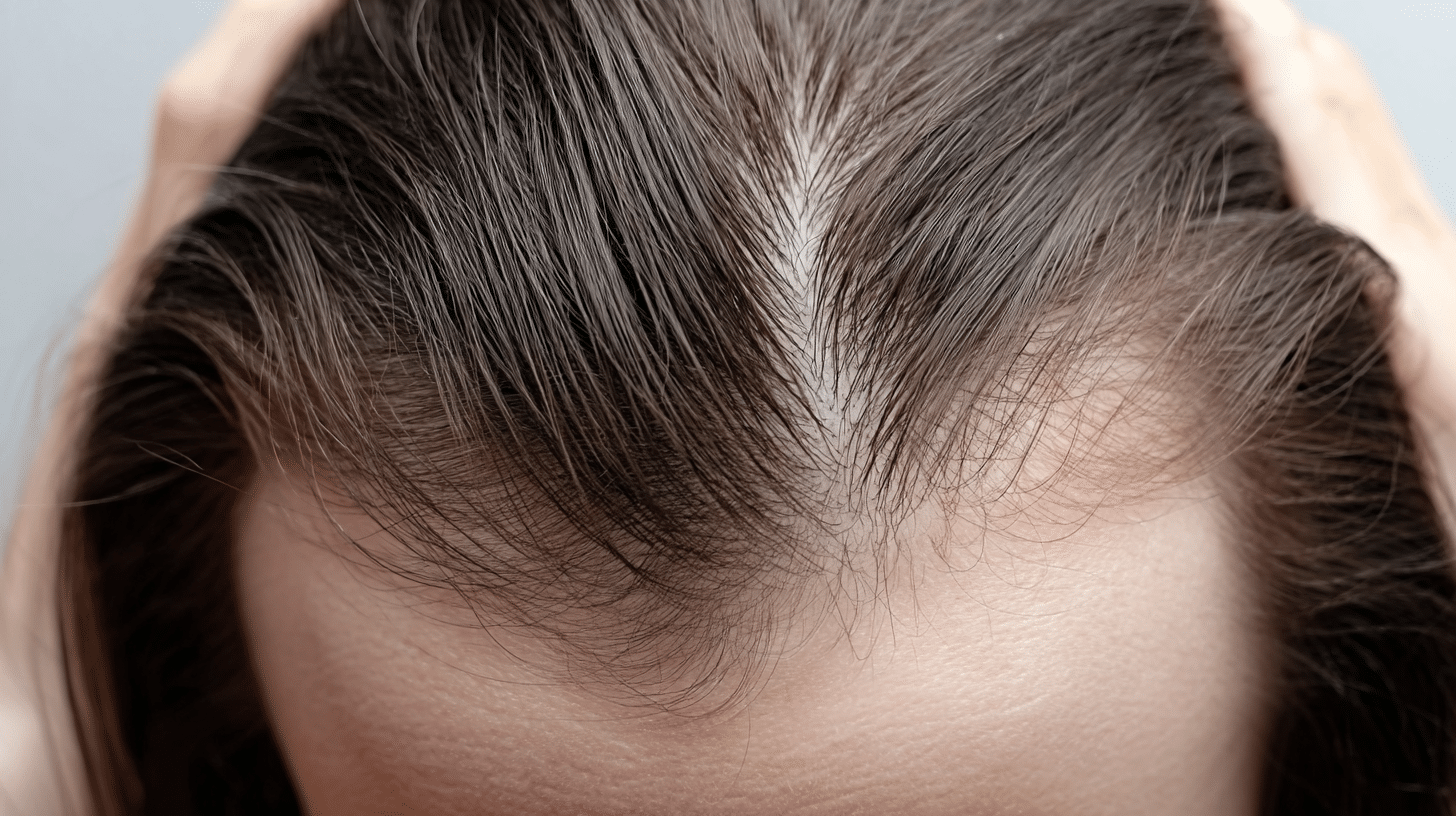
That distinctive V-shaped point at the center of your hairline has a name: a widow’s peak. It’s one of the most common hairline shapes, appearing in an estimated 15 to 33 percent of people, depending on ethnicity and gender, and it has sparked more myths than almost any other hair trait.
Your widow’s peak is nothing to worry about. It’s a natural feature that comes with its own styling options, and once you understand what actually causes it, the old superstitions lose their grip pretty fast.
Below, we’ll cover what causes a widow’s peak, what it isn’t a sign of, the myths worth retiring for good, and how to style around it whether you want to show it off or soften it.
What Exactly is a Widow’s Peak?
A widow’s peak is simply a V-shaped point that forms at the center of your hairline. Think of it like a gentle dip that creates a heart-shaped frame around your face.
Some people have very subtle peaks that you might barely notice, while others have more prominent ones that stand out clearly.
Here’s what makes widow’s peaks special:
- They can be present from birth or become more noticeable as you age
- Both men and women can have them
- They’re completely normal variations in how hairlines grow
- They come in different sizes and shapes
The most important thing to remember? Having a widow’s peak is just another way your body expresses its natural uniqueness, like having brown eyes or curly hair.
What Causes a Widow’s Peak?
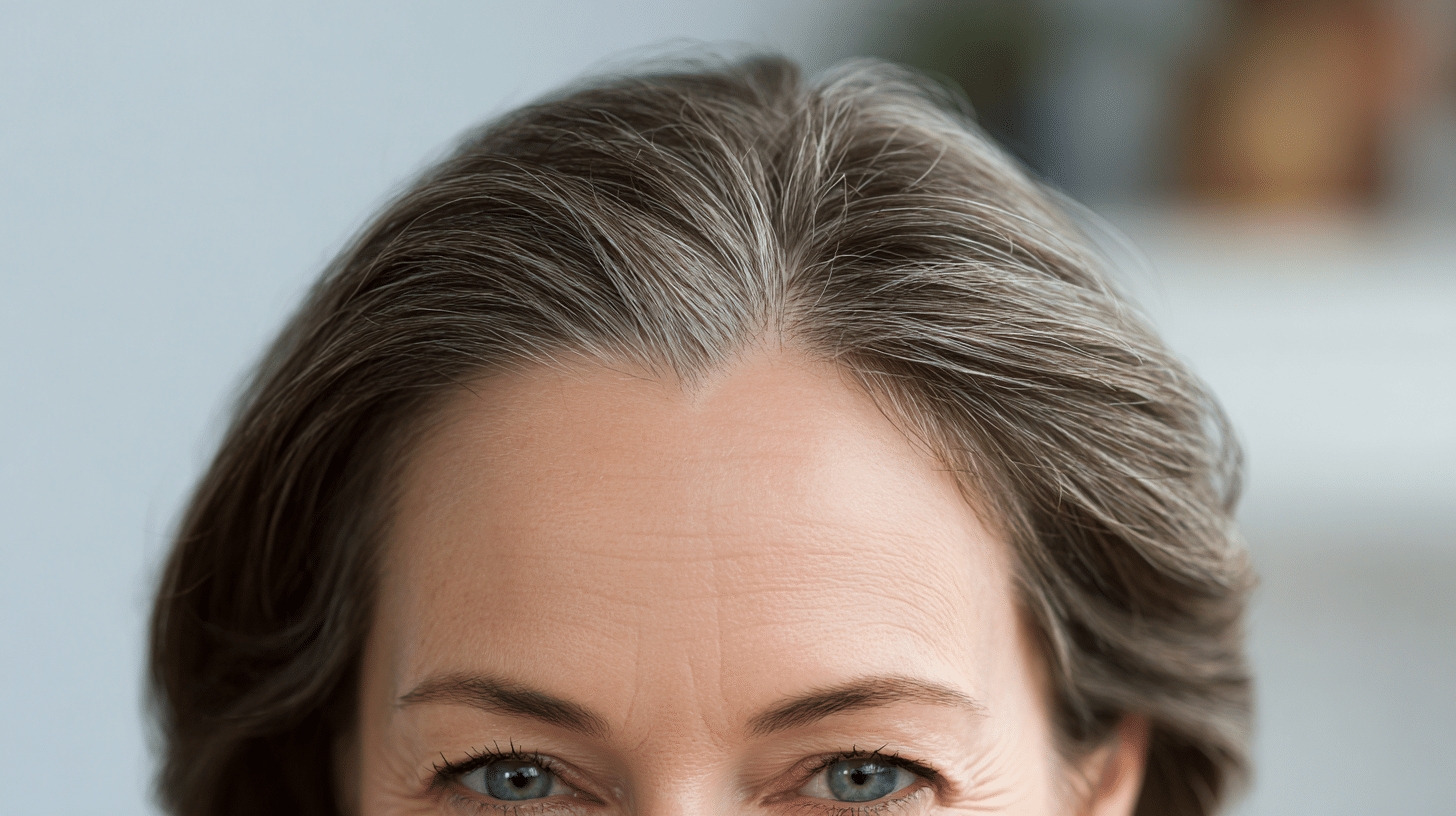
Knowing what actually causes a widow’s peak can help put your mind at ease and clear up any confusion. Let’s look at the science behind this natural hair pattern.
- Family genetics: Most widow’s peaks are inherited traits that run in families, though scientists haven’t found a single controlling gene. You might have gotten yours from parents, grandparents, or other relatives in your family tree.
- Complex inheritance: If your family members have widow’s peaks, there’s a good chance you might too, but genetics can be surprising. Sometimes you might be the only one in your family with this feature, and that’s perfectly normal.
- Natural development: Some people, including babies and young children, are born with widow’s peaks that are present from early childhood. Parents choosing kids haircut styles by face shape often factor a widow’s peak into the decision the same way they would a cowlick.
- Age-related changes: Sometimes a widow’s peak becomes more noticeable as people age when hair recedes at the temples. This makes the center point more prominent and can create a peak effect over time.
- Genetic conditions (very rare): In a small number of cases, a widow’s peak is associated with specific genetic conditions, including Aarskog syndrome, Donnai-Barrow syndrome, frontonasal dysplasia, and Opitz G/BBB syndrome. Each of these involves a cluster of other physical features beyond the hairline, so a widow’s peak on its own is not a diagnostic sign of any of them.
Reverse (Inverted) Widow’s Peak: What’s the Difference?
Not every hairline points down. If your hairline forms an upside-down V, with the center higher than the sides, that’s called a reverse or inverted widow’s peak.
It’s less common than a standard widow’s peak and can happen naturally, though it sometimes develops alongside a receding hairline or a scalp condition affecting the frontal hairline.
If your center hairline has always pointed upward rather than down, there’s usually no cause for concern.
If it’s a recent change rather than something you’ve always had, it’s worth mentioning to a dermatologist so they can rule out other causes.
Busting the Myths Once and For All
Let’s clear up some of the silly stories people have told about widow’s peaks over the years:
1. The Name’s Strange History
The term “widow’s peak” comes from old European mourning traditions. Widows used to wear special hoods that pointed at their foreheads.
The hairline resembled this hood shape, which is how the name stuck. It has nothing to do with predicting anyone’s future!
The name simply describes the visual similarity between the pointed hood and the V-shaped hairline.
2. Old Wives’ Tales
Some old superstitions claimed that having a widow’s peak meant you would become widowed early in life. This is complete nonsense with no basis in reality.
Your hairline cannot predict your future relationships or life events. These myths likely arose from the unfortunate connection to mourning attire and have absolutely no scientific backing.
3. The Genetics Classroom Myth
You might have learned in school that widow’s peaks are examples of “simple dominant” genetics. While this makes for easy classroom examples, real genetics is much more complicated.
Researchers now believe multiple genes likely influence hairline patterns, and there isn’t enough evidence to confirm a single dominant gene is responsible.
4. The Villain Stereotype
Movies and TV shows often give villains prominent widow’s peaks (think Dracula or other spooky characters).
But many beloved celebrities and admired people throughout history have had widow’s peaks too. Marilyn Monroe and Keanu Reeves are two of the most cited examples.
Your hairline doesn’t determine your personality or character! This Hollywood stereotype is just a visual shortcut that has nothing to do with real people and their wonderful personalities.
Widow’s Peak vs. Receding Hairline: Knowing the Difference
Sometimes people confuse these two different hair patterns. Here’s a clear comparison to help you tell them apart:
| Feature | Widow’s Peak | Receding Hairline |
|---|---|---|
| When It Appears | Presented from a young age | Usually develops with age |
| Shape | Creates a V-shape in the center | Hair retreats from the temples |
| Pattern | Affects the natural hairline pattern | Can sometimes create a peak effect |
| Who Gets It | Equally common in men and women | More common in men after age 30 |
| What It Means | Purely cosmetic | May be related to hair loss patterns |
Understanding this difference helps you choose the right styling approach and know what to expect as you age.
Specific Style Ideas for Everyone
These versatile styles work beautifully for any gender and can be adapted to suit your personal taste and lifestyle. Each option provides a distinct way to work with your widow’s peak, while maintaining a polished and confident appearance.
1. Side Parts
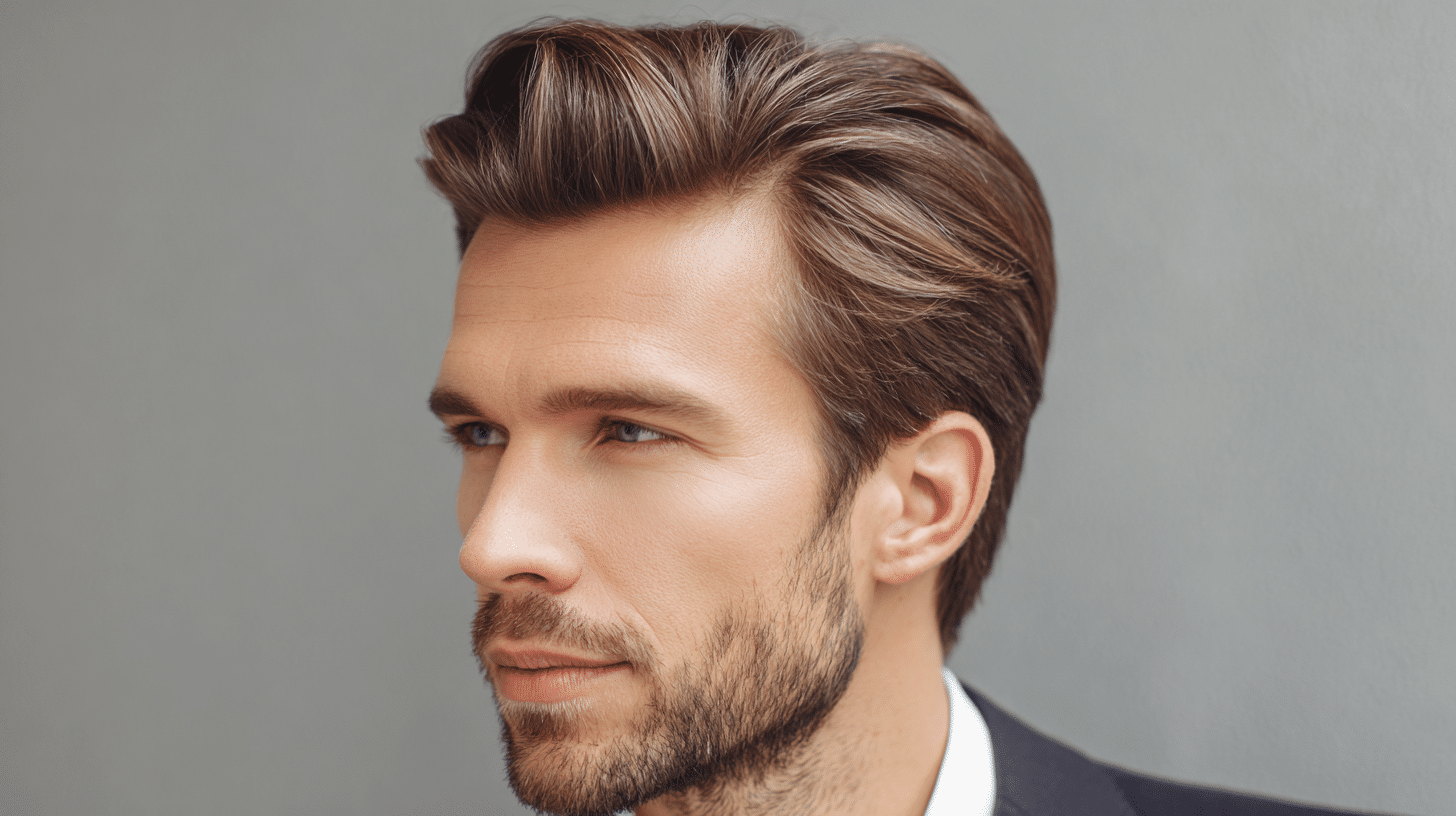
A deep side part draws attention away from the center and flatters most face shapes. This classic look suits any hair length, creating an elegant and polished appearance.
The asymmetrical line helps balance your features while giving you a timeless style that never goes out of fashion.
2. Bangs of All Types
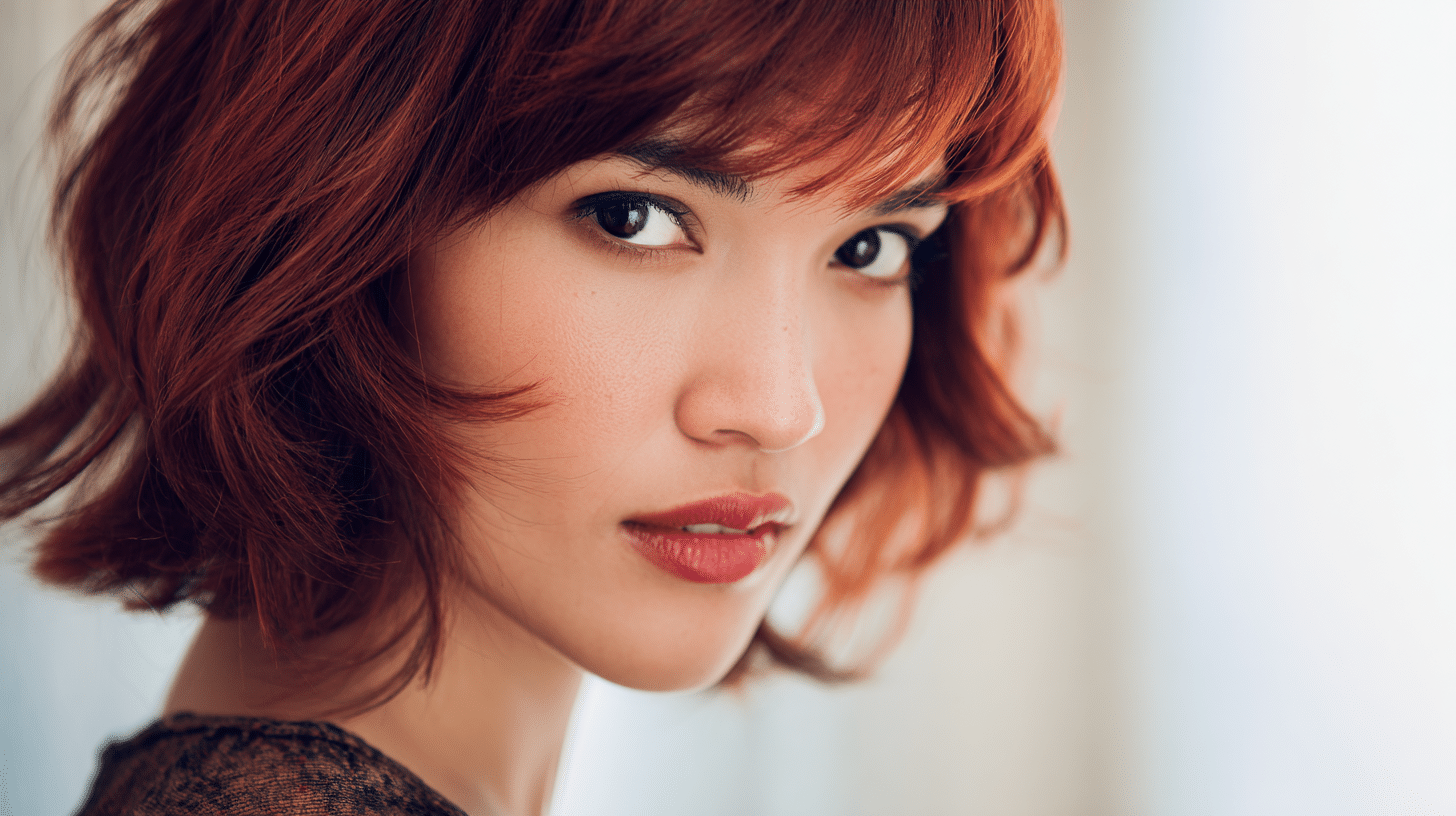
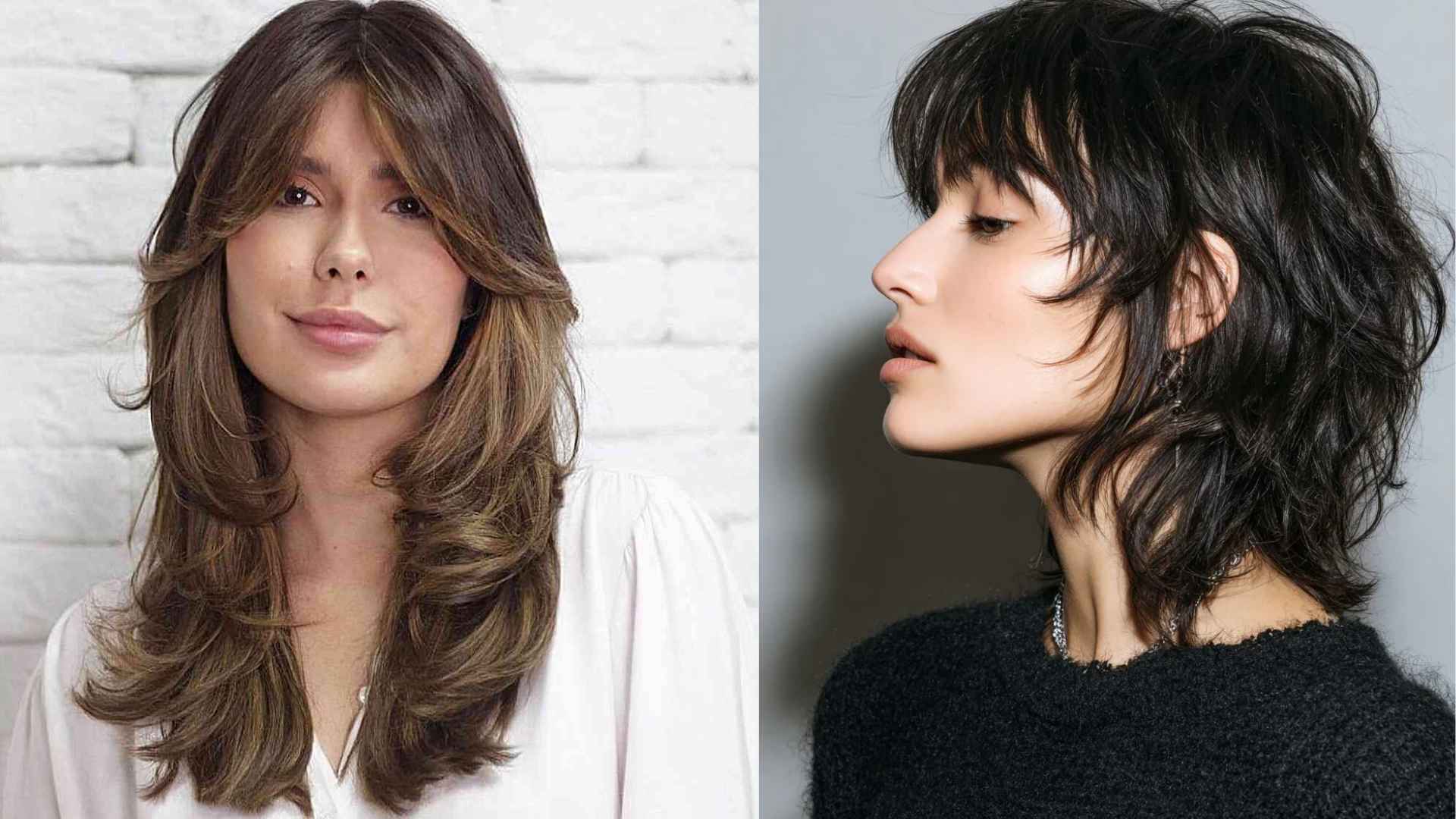
Whether you choose full, side-swept, or curtain bangs, they all help soften your hairline and create a different focal point. Soft, swept curtain bangs are especially good at breaking up a strong center point without completely hiding it.
Bangs frame your face beautifully and can be customized to suit your personal style. They’re also versatile; you can style them sleek and straight or add texture for a more casual look.
3. Layered Cuts
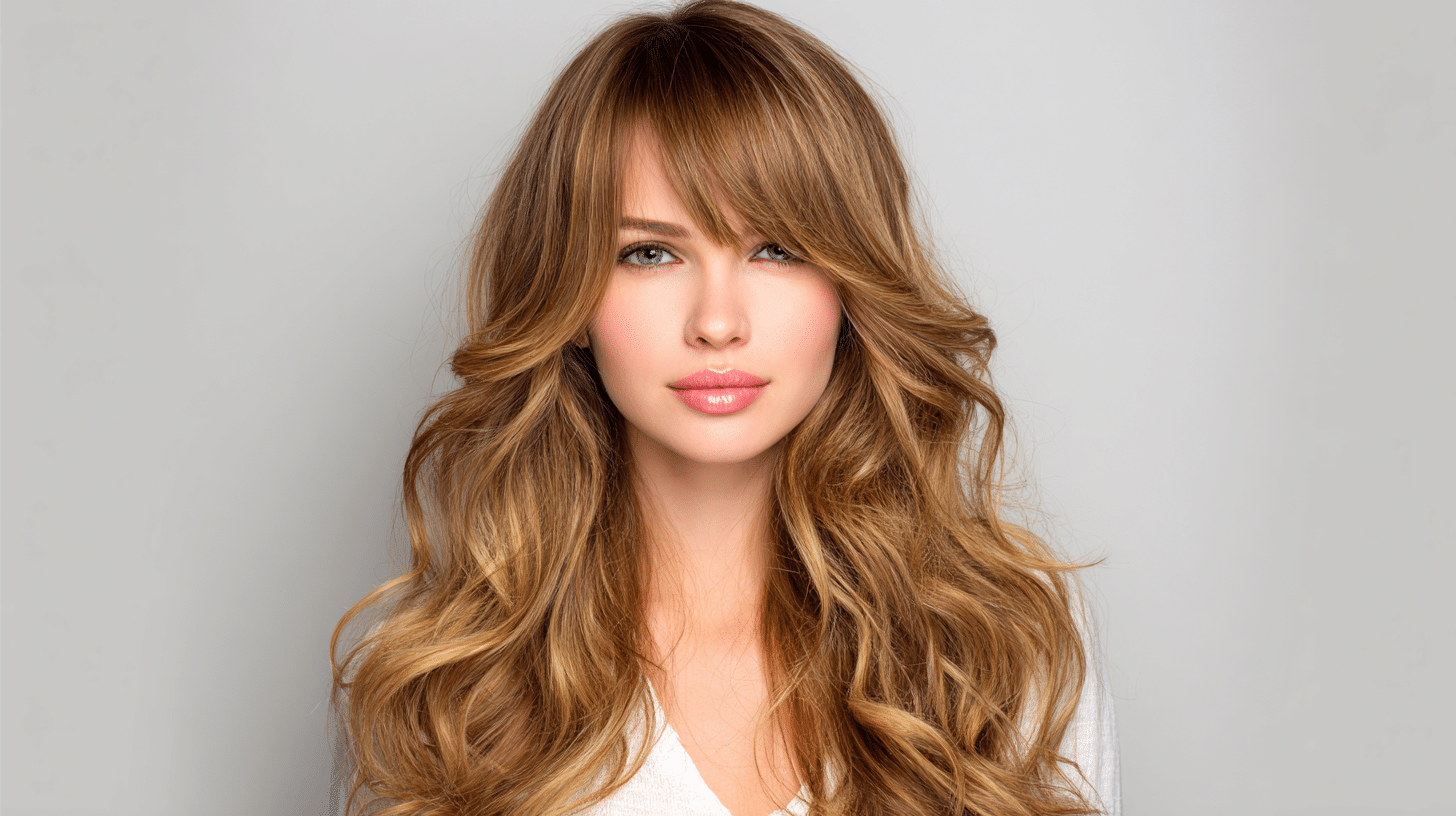
Layers add movement and texture, which can either highlight your peak or blend it seamlessly with the rest of your hair.
This cutting technique creates dimension and body throughout your hair, and it pairs well with plenty of the creative haircut designs built around texture and movement rather than a single defined line.
4. Short and Chic
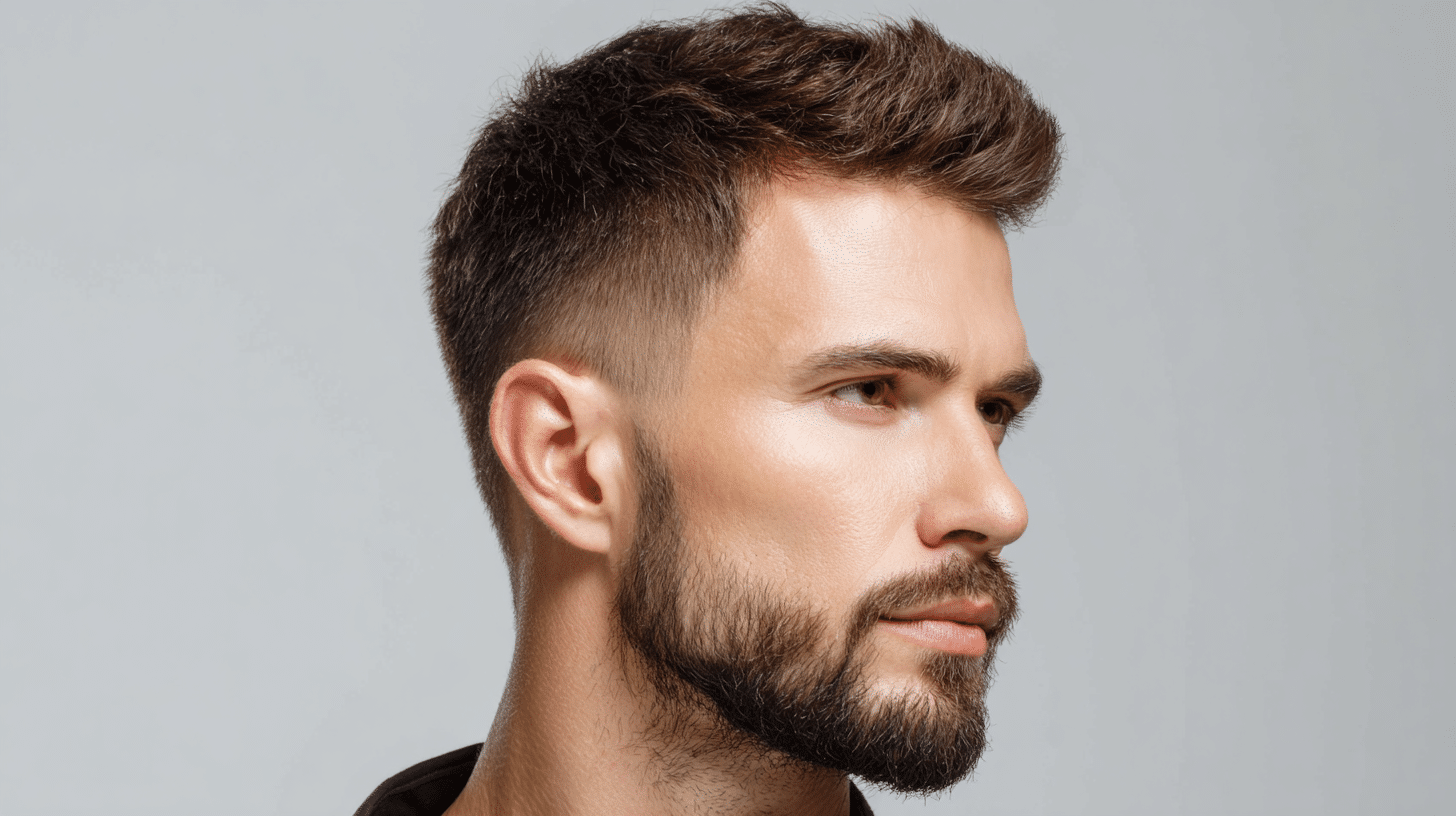
Pixie cuts and short crops can make your widow’s peak look sharp and modern. This style choice shows confidence and embraces your natural features boldly.
Short hair is also incredibly practical and low-maintenance, while still looking sophisticated and fashion-forward.
Ideas Especially for Men
Whether you prefer classic, professional looks or modern, trendy styles, these options work perfectly with your natural hairline.
5. Classic Cuts
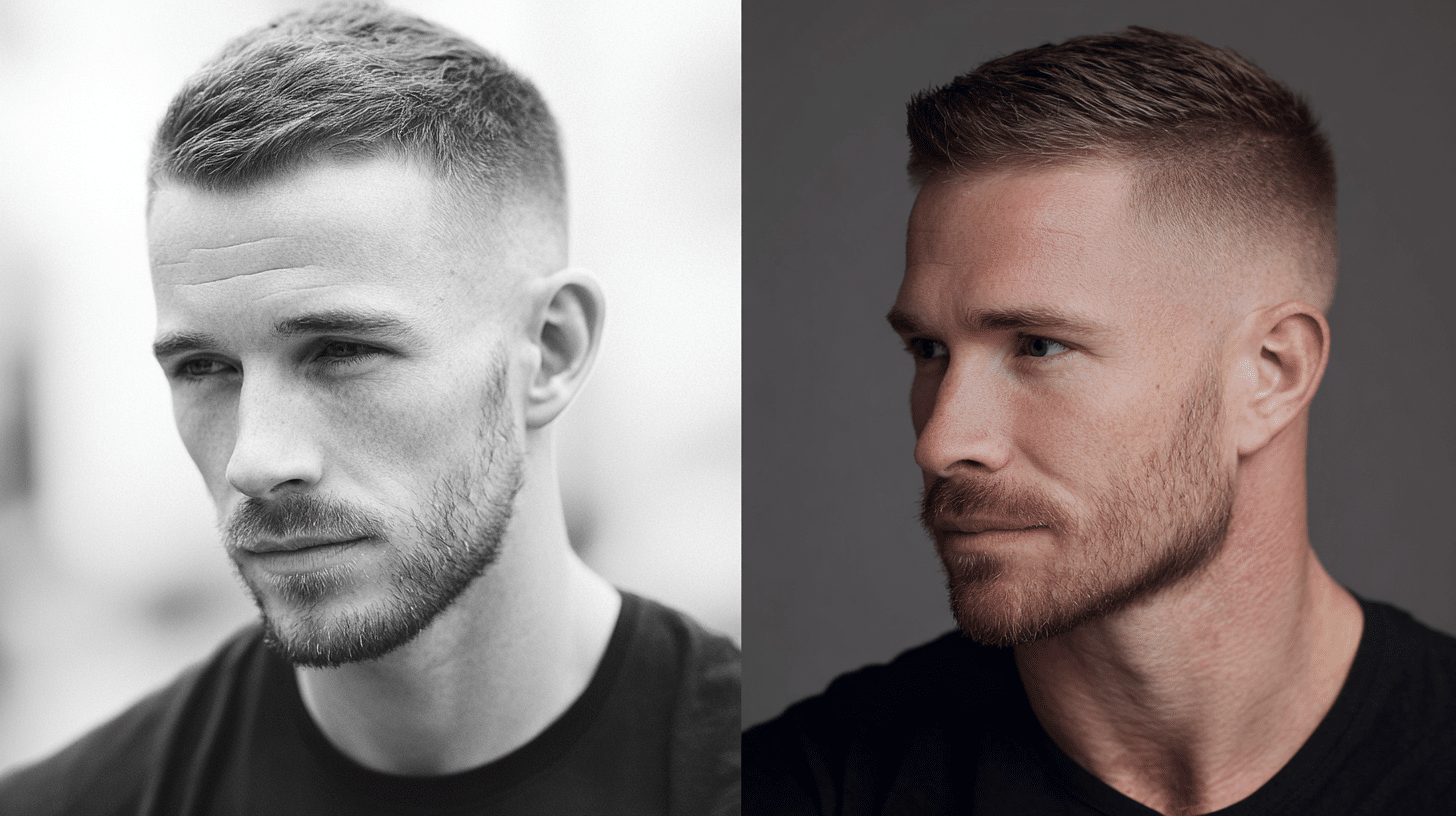
Crew cuts, buzz cuts, and Ivy League styles offer clean, low-maintenance options that work well with any widow’s peak.
These cuts are perfect for busy lifestyles and professional settings. They emphasize masculinity and confidence while keeping your look neat and polished with minimal daily styling effort.
6. Modern Fades
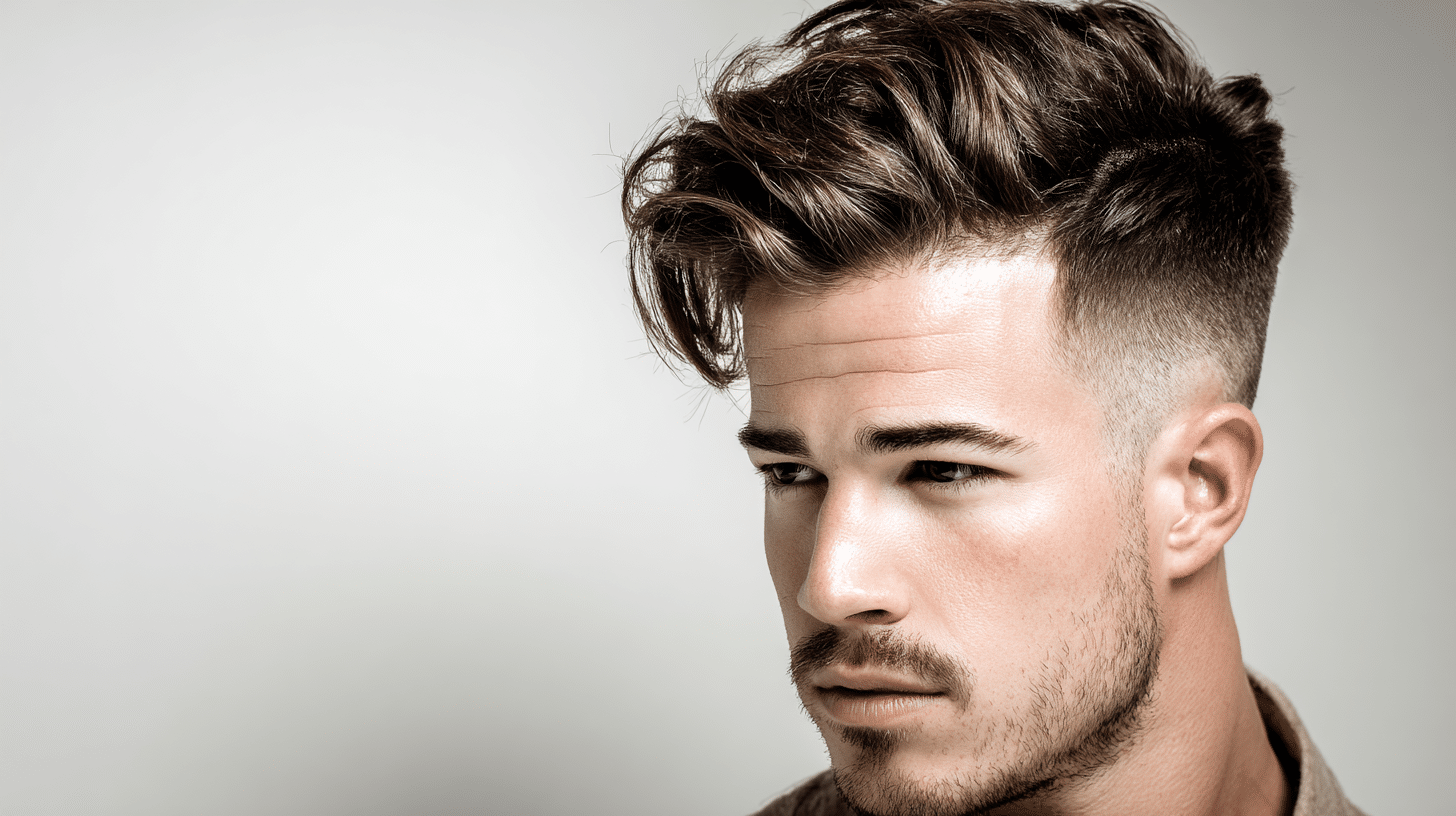
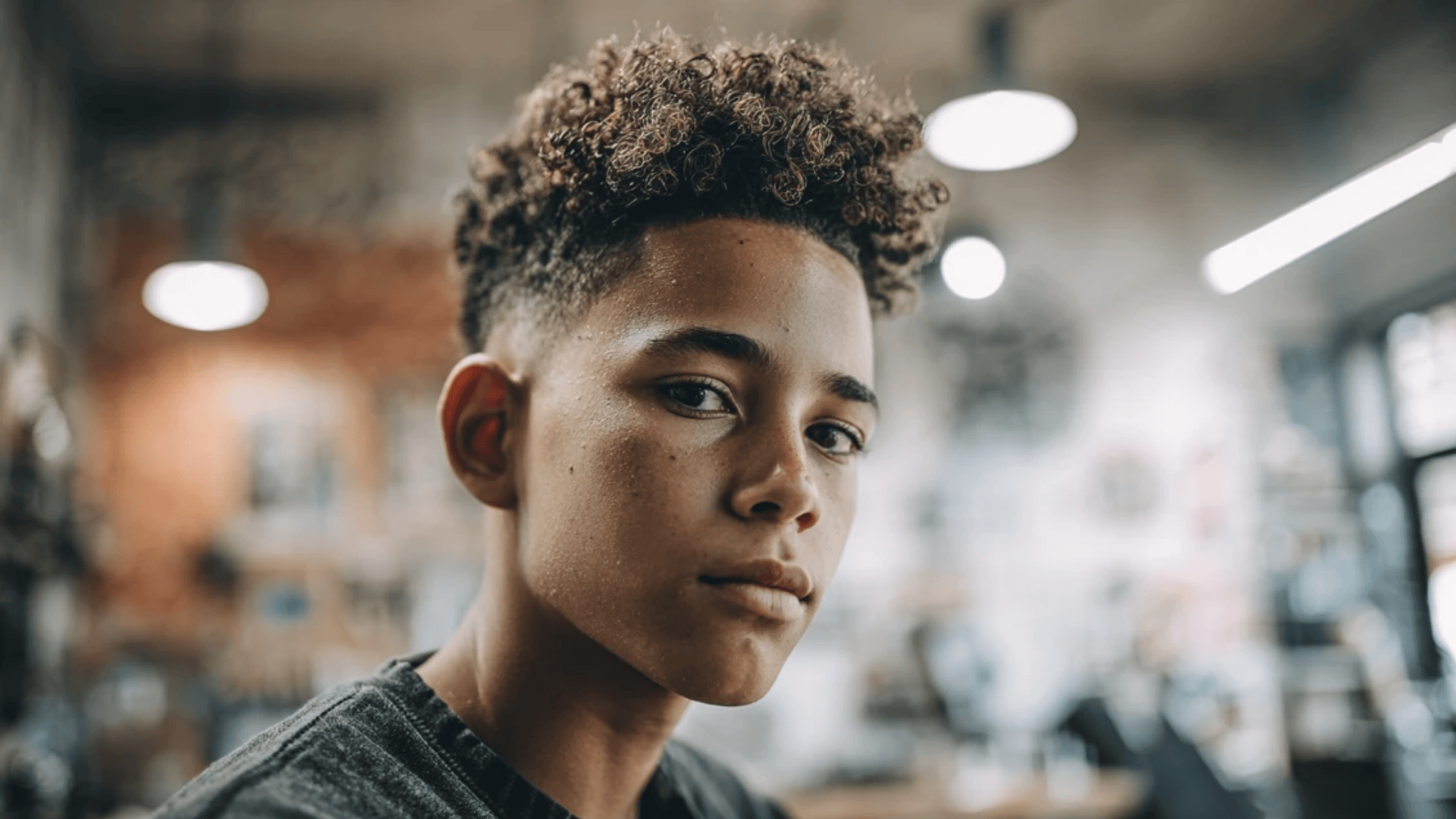
Undercuts and fade styles can draw focus to different areas or blend your peak beautifully with contemporary flair.
These cuts offer a fresh, trendy appearance that can be customized to your preferences. Fades work especially well when you want a style that’s both professional and edgy.
7. Slicked Styles
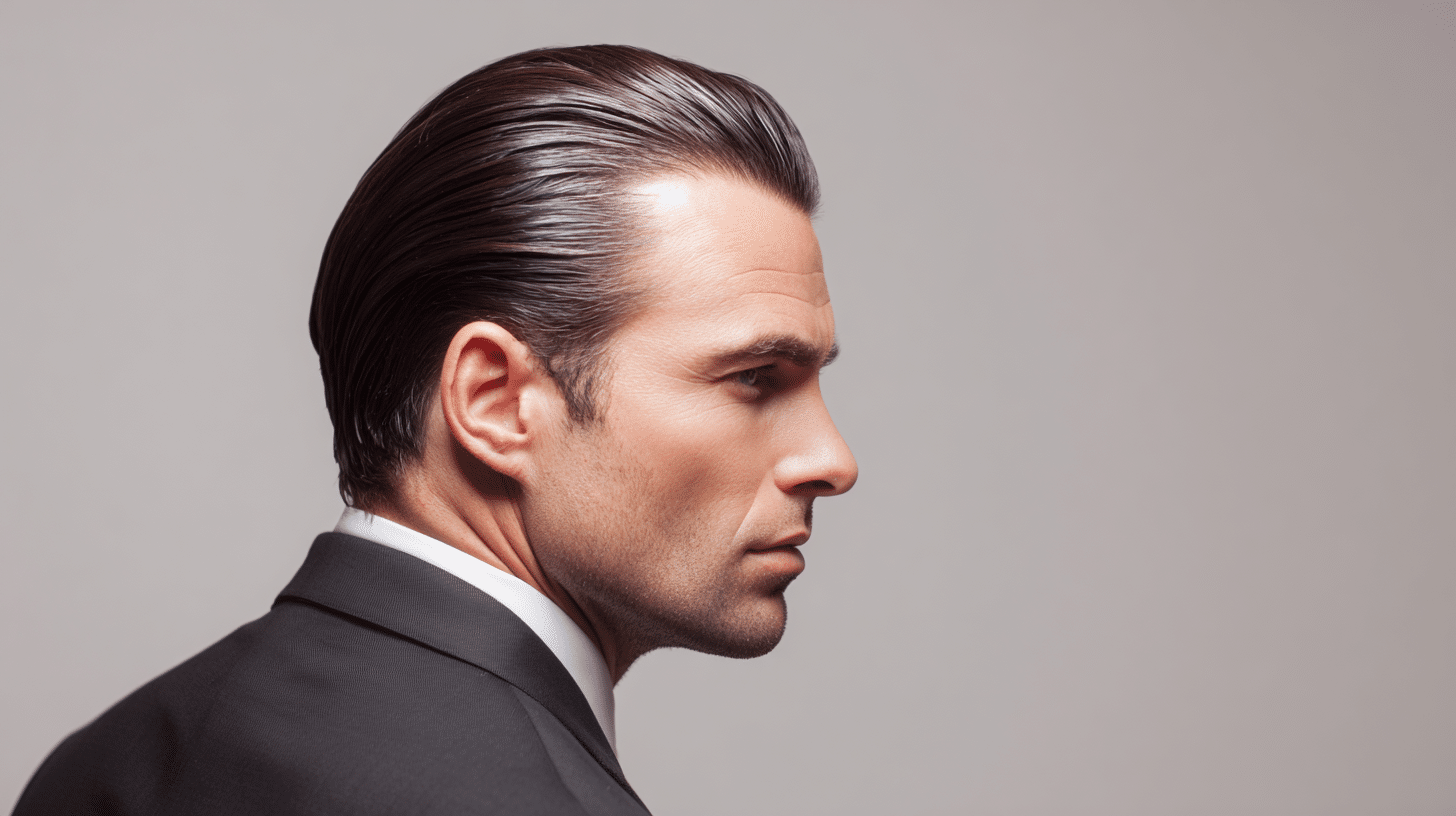
Use pomade or gel to create polished looks that either highlight or camouflage your peak depending on your mood.
These versatile styles can transition from casual to formal occasions easily. Slicked-back hair gives you a sophisticated, put-together appearance that works in any setting.
Ideas Especially for Women
These feminine styles celebrate your widow’s peak while giving you options that range from casual and romantic to sleek and professional.
8. Bob Variations
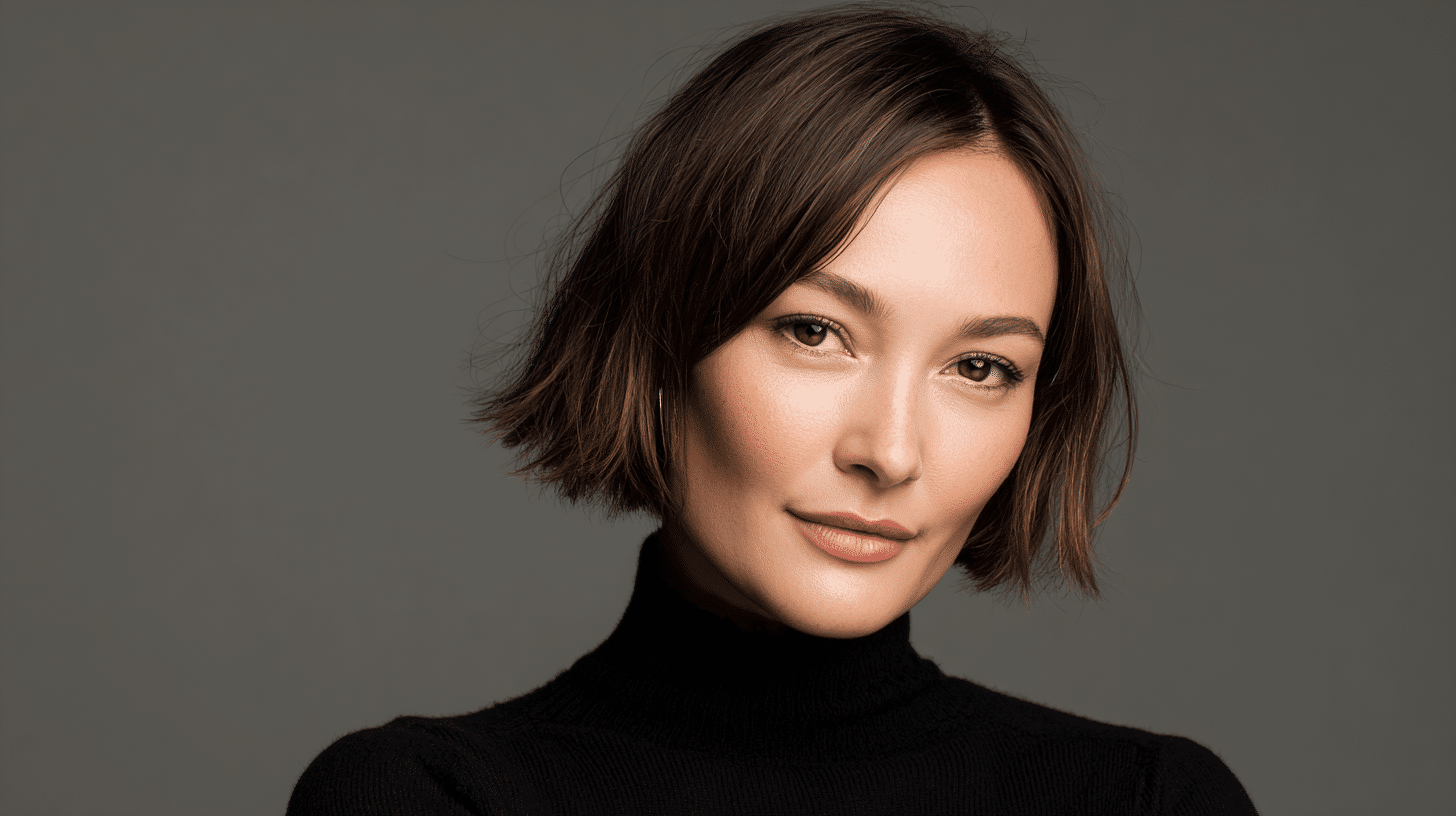
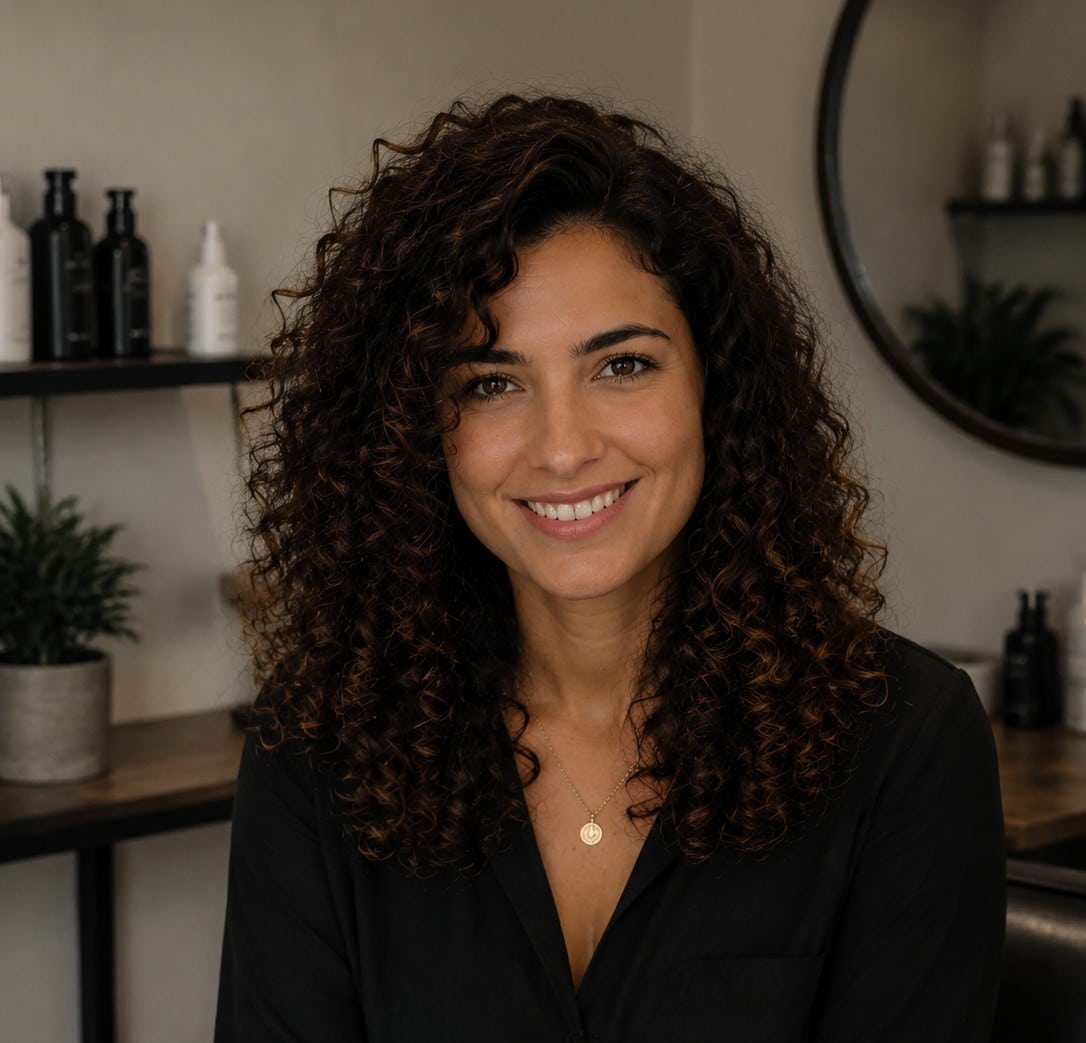
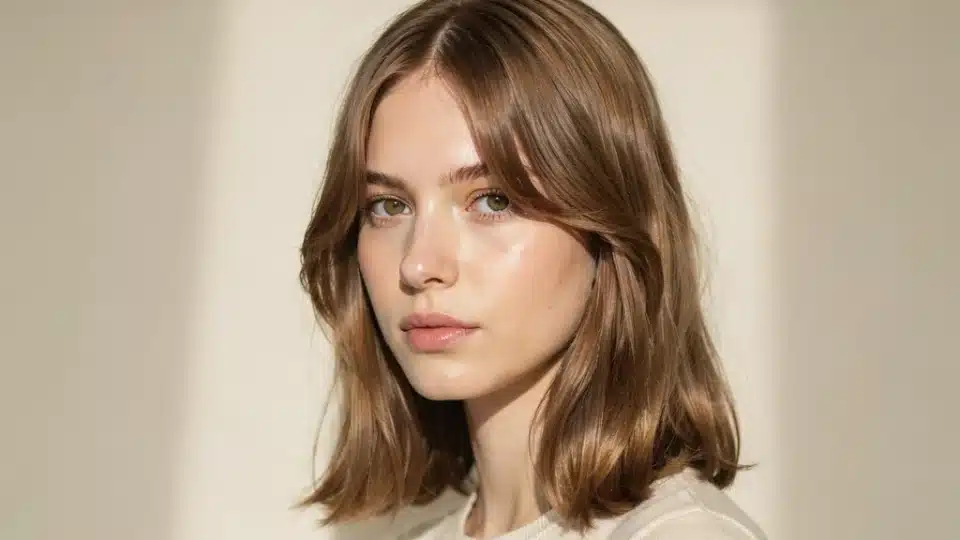
Both straight and curly bobs work wonderfully with widow’s peaks, especially with side parts that complement your natural hairline.
Bobs are incredibly versatile and can be styled sleek for professional settings or tousled for casual occasions. This cut flatters most face shapes and offers a chic, modern look that’s always in style.
9. Voluminous Styles
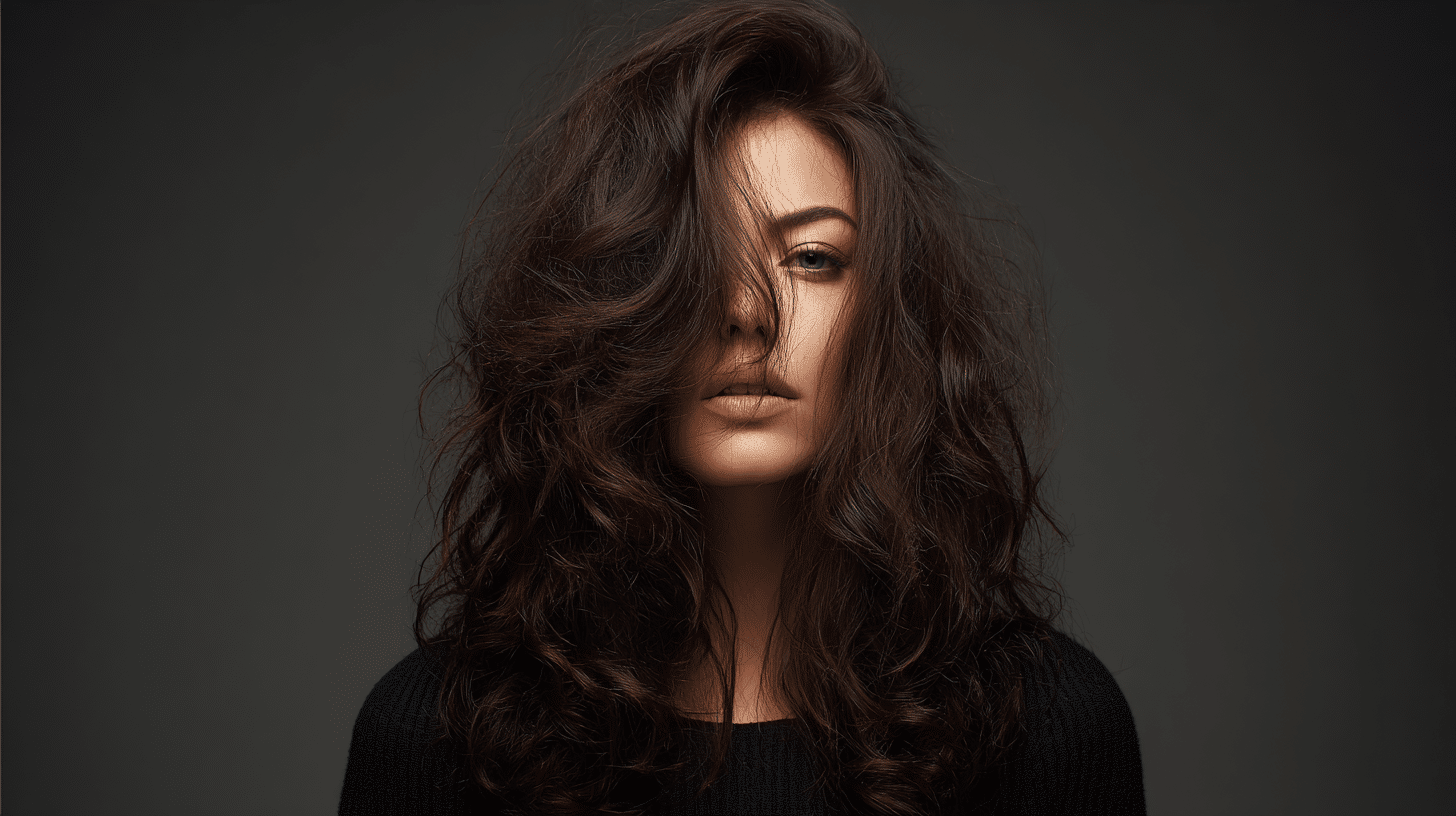
Waves and curls can soften your hairline while adding beautiful texture and movement to your overall look.
Volume creates a romantic, feminine look that highlights your hair’s natural beauty. Face-framing ash brown balayage adds another layer of dimension right where a widow’s peak already draws the eye.
Pro Styling Tricks
These simple techniques can completely change how your widow’s peak looks without requiring a major haircut or salon visit.
Small adjustments in how you style and accessorize can give you countless new looks to try.
- Experiment with partings: Don’t stick to just one part – try center parts, deep side parts, or even zigzag parts to see what works best.
- Strategic color placement: Highlights and lowlights can add dimension and draw attention to different areas of your hair for a custom look.
- Creative accessories: Headbands, scarves, and hair clips can change your appearance instantly and give you even more styling options.
- Texture play: Use different styling products like mousse for volume, texturizing spray for grip, or smoothing serum for sleekness.
- Seasonal switches: Adapt your styling based on weather; humidity-fighting products in summer, static control in winter.
Remember that the best styling trick is confidence; when you feel good about your look, others will notice that positive energy.
Learning to Love Your Natural Look
Your widow’s peak is part of what makes you uniquely beautiful. Instead of seeing it as something to hide or fix, try thinking of it as one of your distinctive features that sets you apart.
Many famous and admired people throughout history have had prominent widow’s peaks. From classic movie stars to modern celebrities, this feature has been part of countless iconic looks.
Your peak connects you to this wonderful group of people who’ve embraced their natural beauty.
Remember: confidence is the best accessory you can wear. When you feel good about yourself, others notice that positive energy more than any specific physical feature.
Caring for Your Hair and Hairline
Taking good care of your hair helps you feel confident, no matter how you choose to style it:
- Use gentle shampoo and conditioner suited to your hair type
- Protect your hair from heat damage with proper products
- Get regular trims to keep your hair healthy and your style fresh
- Stay hydrated and eat well for overall hair health
Your Peak, Your Power
A widow’s peak is a common, genetic hairline shape that affects a meaningful share of the population, is not linked to hair loss when present from birth, and carries none of the old superstitions attached to its name.
Remember, beauty comes in all forms, and your widow’s peak is just one of the many things that make you special. Embrace your natural features, experiment with different styles, and most importantly, wear your confidence proudly. You have everything you need to look and feel your best.
The world needs more people who embrace their authentic selves. By loving your widow’s peak, you’re showing others that natural beauty comes in many wonderful forms.
What’s your favorite way to style your widow’s peak? Share your go-to look or styling tip in the comments below – we’d love to hear what works best for you!
Frequently Asked Questions
Is a Widow’s Peak Rare?
No. Studies estimate it appears in roughly 15 to 33 percent of people, with the exact rate varying by population and gender.
Can a Widow’s Peak Go Away or Change Shape?
A true widow’s peak stays fairly consistent throughout life. If yours seems to be changing shape or becoming more pronounced, that’s usually a sign of hair thinning at the temples rather than the widow’s peak itself changing.
Is a Widow’s Peak Genetic?
Yes, it’s considered an inherited trait, though researchers haven’t identified one single gene responsible. Multiple genes likely play a role, which is why it doesn’t always show up in a predictable pattern within families.