Hair is much more than just aesthetics. It is a kind of emotional architecture that reflects a person’s mood, state and attitude towards themselves. Every movement of the comb, every styling or change of color are small rituals that set the tone for how people manifest themselves in the world. Personal style shapes an inner willingness to act, interact and be. Hair can become an instrument of identity that can influence behavior, emotions and daily performance.
Why Hair Is a Core Expression of Self-Identity
One of the most noticeable parts of a person’s appearance is their hair. That is why it is so closely linked to how we perceive ourselves. The science of self-image says that when a person feels in control of their appearance, their confidence grows. Therefore, it is obvious that hairstyle becomes part of this control. Every day, we make choices about how we want to look. Through our hair, we emphasize our autonomy, courage, gentleness, individuality, or even our mood.
Changing your style often works as an emotional reset. A new haircut or color gives a feeling of renewal from the inside, although in fact the outer shell changes. And then it is no longer just an aesthetic transformation, but a way to regain yourself in moments when you want changes.
Therefore, even small rituals of self-care, such as light styling, a mask or your favorite hair perfume, enhance self-perception. When we pay attention to ourselves, the brain receives a signal that we are important to ourselves. And this signal forms the confidence that a person carries to others.
The Daily Performance Connection – How Hair Influences Mood and Behavior
Changing your style often works as an emotional reset. A new haircut or color gives a feeling of renewal from the inside, although in fact the outer shell changes. And then it is no longer just an aesthetic transformation, but a way to regain yourself in moments when you want changes.
Therefore, even small rituals of self-care, such as light styling, a mask or your favorite hair perfume, enhance self-perception. When we pay attention to ourselves, the brain receives a signal that we are important to ourselves. And this signal forms the confidence that a person carries to others.
The so-called “mirror effect” works because people involuntarily strive to match the image they see in their reflection. If the reflection looks well-groomed, composed, and stylish, behavior also becomes more organized and energetic. The external signal shapes the internal state, triggering a cycle of effectiveness.
Style as Branding – Why Today’s Creators Treat Hair as Part of Their Professional Toolkit
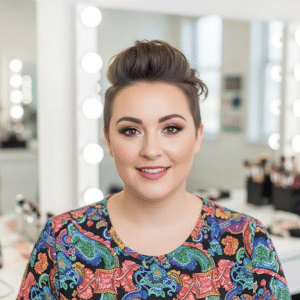
In today’s creative economy, personal branding has become as important as skills or content quality. Every creator, whether a beginner or a media personality, forms their own visual code by which they are recognized. And hair here plays the role of one of the main style markers: color, shape, specific styling or characteristic elements become part of the recognition.
Beauty bloggers who post videos on YouTube use their hairstyle as a business card, stylists demonstrate their professional style through their own image, influencers create associations with a certain atmosphere or mood, and educational creators build trust through stability and consistency in appearance. Hair helps them stand out in an oversaturated information environment, where every detail can affect the audience’s perception.
Many creators analyze what shapes their professional success. To do this, they often refer to various data, including sources such as https://onlymonster.ai/blog/onlyfans-income/, to understand how presenting themselves can affect their potential income and competitiveness in the digital space. This helps them build a stronger and more cohesive brand.
The Emotional Power of Hair Rituals
Washing, styling, applying masks or care products are daily rituals that act as emotional anchors. They create a sense of stability when thoughts are scattered. Hair care rituals also have a therapeutic effect: familiar movements calm the nervous system, reduce stress, and give a feeling of self-care.
Predictability in beauty procedures helps stabilize mood, especially when the outside world seems chaotic. When we know that 15 minutes of care will make us feel better, it creates inner resilience. Hair becomes not just part of our image, but a space where we can recharge.
In many cultures, hair care has a deeper meaning, from family traditions of braiding to ritual oils and symbolic styling. Such practices strengthen bonds between generations and enhance a sense of belonging, making hair not only an aesthetic but also an emotional legacy.
Changing Your Hair, Changing Your Life: When Style Becomes a Catalyst for Reinvention
At moments of life transitions, people often reach for changes in appearance, and hairstyle becomes the first step. It is not for nothing that when a girl dumps a guy, the first thing she wants to do is make a bob or dye her hair a diametrically opposite color. This is no coincidence: changing the hair style allows you to symbolically complete the previous stage and move on to a new state. Hair is associated with control and personal power, so updating your image helps to regain a sense of control over your own life.
All these manipulations with your hair are examples of how external transformations support internal processes. Through their hair, people seem to send themselves a signal: I am changing and open to new things.
Psychology explains this simply: the body and the psyche are closely connected. When we change our appearance, the brain receives a feeling of renewal faster than conscious decisions have time to take shape. Therefore, external changes often precede internal breakthroughs. They trigger emotional movement forward and help us feel the energy of starting with a clean slate.
Conclusion
Hair is a true emotional architecture, not just an element of appearance. How we care for and modify it directly affects our behavior, interactions with others, and daily performance. Stylistic choices become a tool of self-identity and inner strength. Therefore, it is worth treating hair care and styling not as a routine, but as a conscious practice that strengthens confidence and helps us appear in the world more holistically and boldly.