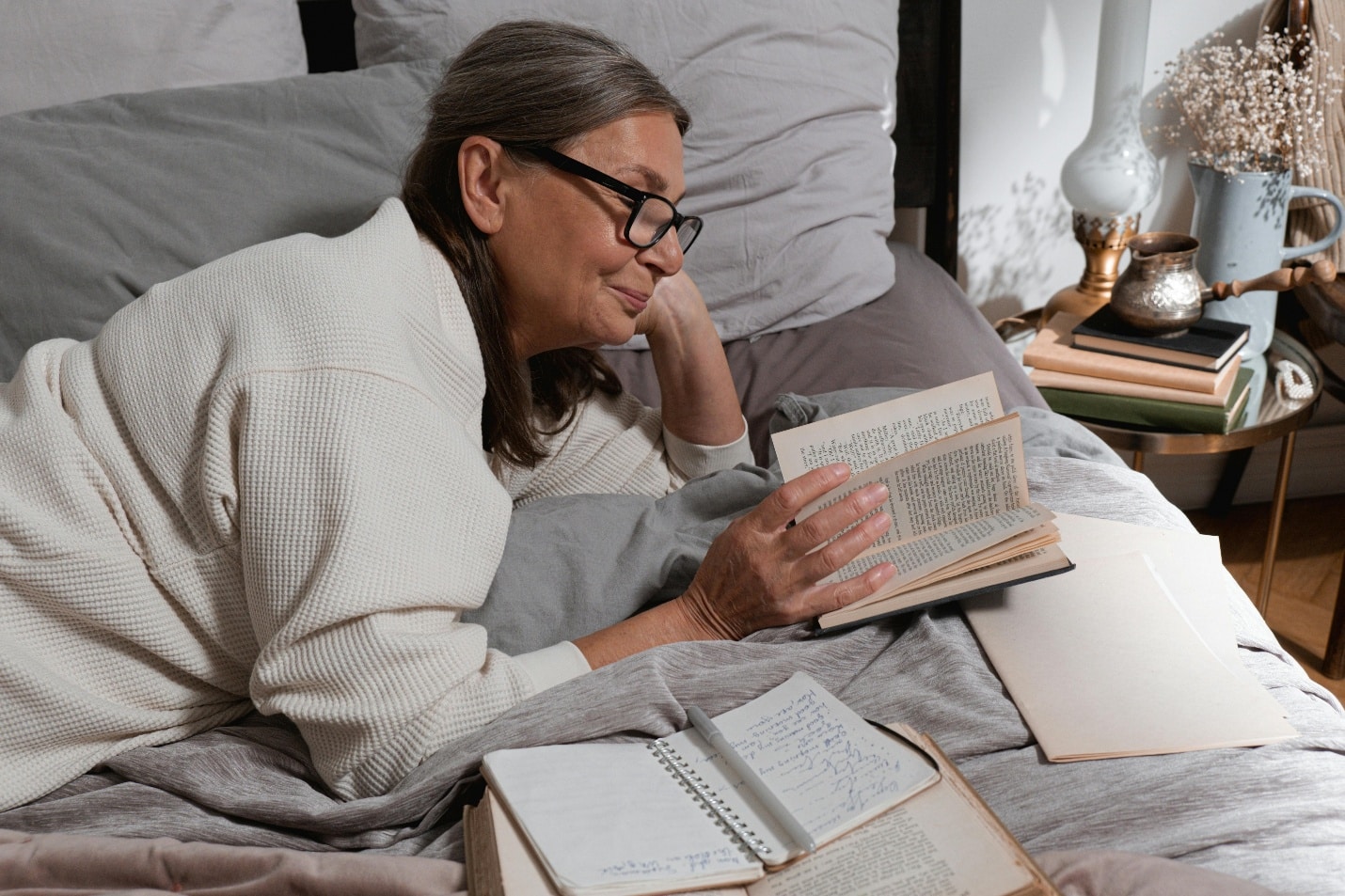
As daily routines change over time, the home should continue to feel comfortable, safe, and easy to navigate. For many senior women, small frustrations around the house can slowly turn into daily challenges.
However, the right home upgrades can make everyday tasks smoother without sacrificing style or peace of mind. With thoughtful improvements, a home can support mobility, comfort, and confidence at every stage of life.
This article outlines practical home upgrades that help senior women enjoy a safer, more comfortable, and more manageable living space.
Entryway Improvements for Safety
The entryway sets the tone for how easy a home feels to navigate. For senior women, this space should support balance and confidence every time they leave or return home. Uneven steps or narrow doorways can create unnecessary strain and risk.
Lower-rise steps or a gently sloped ramp can make movement smoother and more comfortable. Sturdy handrails placed near doors offer support when carrying bags or navigating wet surfaces. Non-slip flooring helps prevent falls, especially during rainy weather.
Good lighting also plays a major role. Bright, well-placed fixtures near the entrance improve visibility and reduce the chance of missteps, particularly in the early morning or evening.
Ensuring Your AC Is Functioning Optimally
A well-functioning air conditioning system makes daily life far more comfortable, especially for those living in humid areas with intense summer heat. High temperatures and moisture in the air can cause fatigue, poor sleep, and general discomfort.
A reliable AC helps maintain a steady indoor temperature and keeps humidity under control. If certain rooms feel warmer than others or cooling takes longer than usual, the system may need attention. In many situations, homeowners may only need a few AC repairs to restore proper performance.
Regular maintenance before the hottest months arrive helps avoid sudden breakdowns and keeps energy use in check. A comfortable home environment allows senior women to stay active indoors without feeling drained by the heat.
Bathroom Upgrades That Improve Safety and Ease
Bathrooms often require the most attention when improving home safety. Slippery surfaces and tight spaces increase the risk of falls. Replacing a traditional bathtub with a walk-in shower can make daily routines easier and less stressful.
Grab bars installed near the toilet and inside the shower provide steady support and reduce strain on joints. Non-slip flooring or textured tiles help improve traction even when the floor gets wet. Comfort-height toilets also reduce the effort required to sit down or stand up.
These changes help maintain independence while making the bathroom a safer and more pleasant space to use each day.
Better Lighting to Reduce Eye Strain and Falls
Lighting plays a crucial role in making a home easier to live in. As eyesight changes with age, dim or uneven lighting can cause eye strain and increase the risk of tripping. Brighter fixtures that reduce glare help improve clarity without overwhelming the space.
Motion-sensor lights in hallways, bathrooms, and closets make nighttime movement safer and more convenient. Task lighting in kitchens and reading areas supports daily activities without forcing the eyes to work harder, while soft night lights placed along common pathways allow for safe movement after dark without disrupting sleep.
Kitchen Adjustments That Reduce Physical Strain
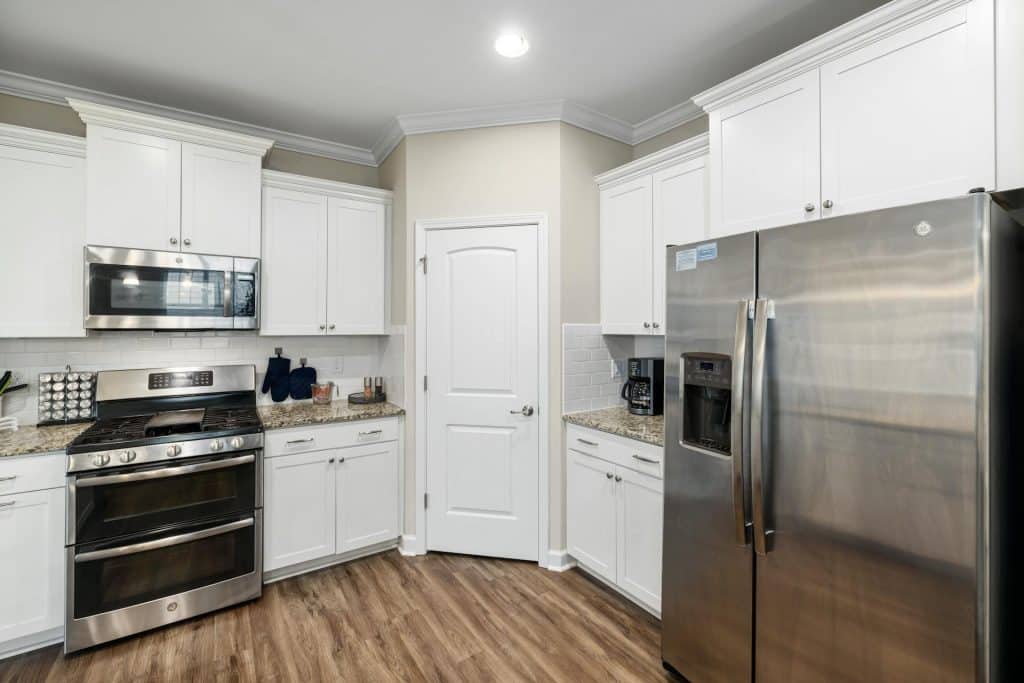
The kitchen should feel practical and comfortable rather than demanding. Small adjustments can reduce physical strain.
Lower countertops or designated prep areas make cooking easier on the shoulders and back. Pull-out shelves and drawers allow access to items without deep bending or reaching. Lever-style faucet handles require less grip strength and simplify daily tasks.
Keeping commonly used items within easy reach reduces unnecessary movement and helps conserve energy. These changes allow senior women to continue enjoying cooking and meal preparation without discomfort.
Flooring Changes That Support Stability
Flooring has a direct impact on how safe and comfortable a home feels. Slippery or uneven surfaces can make walking stressful and increase the risk of falls. Choosing slip-resistant flooring materials helps improve traction in high-traffic areas such as hallways, kitchens, and bathrooms.
Removing loose rugs or securing them properly reduces the chance of tripping. Keeping floor surfaces level throughout the home also supports smoother movement, especially for those who use mobility aids.
Reducing high thresholds between rooms makes walking easier and helps maintain a steady, confident pace during daily activities.
Smart Home Features for Daily Convenience
Smart home technology can make everyday routines more manageable without feeling overwhelming. Simple voice-controlled systems allow lights, thermostats, and fans to adjust without the need to move across the room.
Video doorbells provide added security by allowing residents to see who is at the door before opening it. Smart locks eliminate the need to handle small keys, which can be difficult for those with joint discomfort.
Automated reminders for medications or appointments also help keep daily schedules on track. These features add convenience while supporting independence and peace of mind.
Bedroom Upgrades for Comfort and Accessibility
The bedroom should feel calm, accessible, and easy to move around. Bed height plays an important role in comfort. A bed that sits too low or too high can strain the knees and hips. Adjusting it to a comfortable level makes getting in and out easier.
Bedside lighting with simple switches helps reduce fumbling in the dark. Clear pathways around the bed allow safe movement during nighttime trips to the bathroom.
Storage Solutions That Minimize Reaching and Bending
Poor storage design often leads to unnecessary strain. High shelves and deep cabinets can make simple tasks more difficult. Pull-down closet rods allow easy access to clothing without stretching.
Drawer organizers keep items visible and reduce the need to search or bend. Installing shelves at comfortable heights helps maintain good posture while storing or retrieving items. Reducing clutter also plays a role in mobility.
Clear spaces improve movement and create a calmer living environment that feels easier to manage day to day.
Outdoor Spaces That Stay Enjoyable and Safe
Outdoor areas should feel just as comfortable as the inside of the home. Uneven walkways or poorly lit patios can limit how often these spaces get used. Leveling outdoor surfaces helps reduce tripping hazards and supports confident movement.
Adding shaded seating areas makes it easier to enjoy fresh air without overexposure to heat. Proper lighting along paths and entrances improves visibility during evening hours. Low-maintenance landscaping reduces the need for heavy physical work while keeping the space inviting.
Creating a home that truly supports daily life goes beyond safety alone. It reflects personal comfort, dignity, and the freedom to move through each space with ease. When a home adapts to changing needs, it allows routines to remain familiar and enjoyable. A thoughtfully designed living space can help senior women feel more confident, capable, and at home in every sense.