Sensitive skin is not a cosmetic inconvenience. It is a physiological condition that affects barrier function, immune response, and quality of life. For many people, daily routines trigger redness, itching, burning, or flares that are difficult to predict and hard to manage.
Finding relief requires more than trial and error. It requires understanding how sensitive skin works and choosing solutions that support it rather than overwhelm it.
What Defines Sensitive Skin
Sensitive skin reacts more easily than normal skin. The reactions are not imagined. They are measurable.
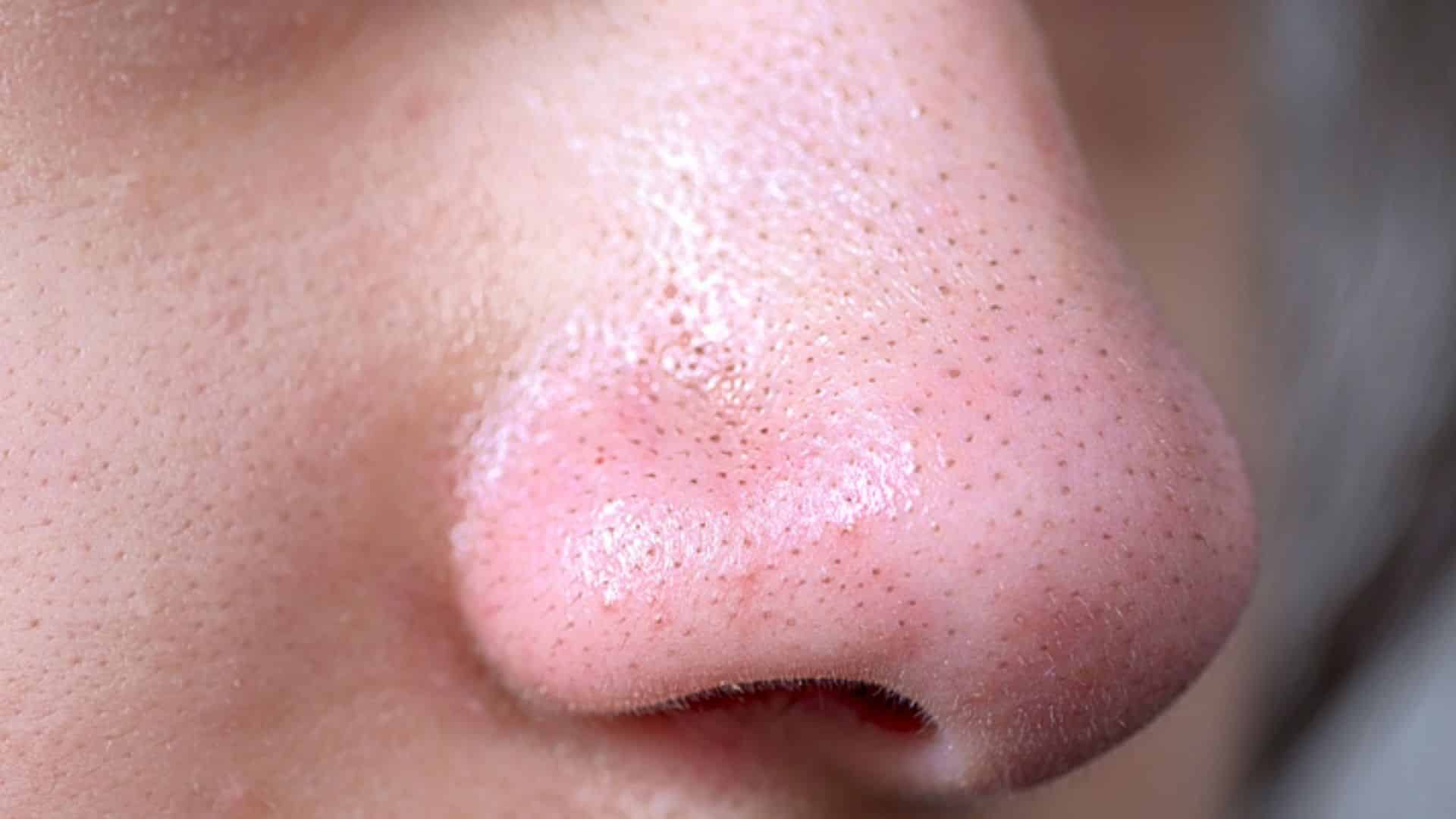
At a biological level, sensitive skin often has a compromised stratum corneum. This outer barrier loses moisture faster and allows irritants to penetrate more easily. Nerve endings are also more reactive, amplifying sensations like stinging or burning.
Triggers vary. Fragrance. Preservatives. Temperature changes. Stress. Even water hardness can play a role.
Because triggers differ, solutions must be structured and consistent.
The Psychological Impact Is Real
Skin conditions affect confidence.
People with sensitive skin often avoid social situations, photos, or close contact during flare-ups. Clothing choices change. Skincare routines become stressful instead of restorative.
Research shows that visible skin conditions are strongly associated with anxiety and reduced self-esteem. This is not vanity. It is human response.
Effective treatment improves both physical comfort and emotional wellbeing.
Common Conditions Linked to Sensitivity
Sensitive skin overlaps with several clinical conditions.
Eczema is one of the most common. It involves chronic inflammation, dryness, and intense itching. Contact dermatitis is another, triggered by direct exposure to irritants or allergens. Rosacea adds vascular instability to the mix, leading to flushing and persistent redness.
These conditions share a core problem. Barrier dysfunction.
That is why treatment strategies often overlap.
Why Moisture and Barrier Repair Matter
Hydration alone is not enough.
Sensitive skin needs barrier repair. That means replenishing lipids, supporting ceramide production, and reducing transepidermal water loss. Products that only add water without sealing it in often make symptoms worse over time.
This is where targeted formulations matter. Understanding why you need eczema cream starts with recognising that inflammation control and barrier support must work together. Occlusives reduce water loss. Emollients smooth and soften. Anti-inflammatory ingredients calm the immune response.
Consistency matters more than quantity.
Ingredient Selection: Less Is More
Sensitive skin benefits from restraint.
Long ingredient lists increase risk. Fragrance is a common offender, even when labelled “natural.” Essential oils can irritate compromised skin. Alcohol-based products often strip protective oils.
Look for formulations that focus on function. Ceramides. Colloidal oatmeal. Glycerin. Niacinamide at low concentrations. These ingredients have evidence supporting their role in barrier repair and inflammation reduction.
Patch testing is not optional. Even well-formulated products can cause reactions in some individuals.
Daily Habits That Reduce Flares
Skincare does not exist in isolation.
Hot showers worsen dryness. Over-cleansing disrupts the barrier. Rough fabrics increase mechanical irritation. Stress alters immune signalling and can trigger flares.
Small changes help. Lukewarm water. Gentle cleansers. Soft, breathable fabrics. Consistent sleep.
These adjustments reduce baseline inflammation. They make topical treatments more effective.
The Role of Medical Guidance
Persistent symptoms require professional input.
Dermatologists can distinguish between similar-looking conditions and tailor treatment. In some cases, prescription therapies are needed to control inflammation before maintenance routines can work.
Self-treatment without progress is a signal to escalate care.
Early intervention prevents chronic damage.
Data on the Scope of the Issue
Sensitive skin is not rare.
According to a study published in the Journal of the American Academy of Dermatology, nearly 60% of women and 40% of men report having sensitive skin.
This prevalence explains why effective solutions matter. Millions of people manage this daily.
Rebuilding Confidence Beyond Treatment
Skin improvement takes time.
During that process, confidence often lags behind physical healing. Many people avoid documenting progress or celebrating improvements because they fear setbacks.
Some find value in keeping personal records. Journaling. Progress photos. Even creating custom photo books as private reflections can help reframe the journey. These are not for display. They are tools for perspective. They show improvement that day-to-day mirrors often miss.
Confidence grows when progress is acknowledged.
When Improvement Plateaus
Not every routine works forever.
Hormonal changes. Environmental shifts. Aging. These factors alter skin behaviour. What worked last year may not work now.
Periodic reassessment is normal. Adjusting products or habits does not mean failure. It means adaptation.
Sensitive skin requires ongoing attention, not perfection.
Conclusion
Sensitive skin solutions are most effective when they address biology, behaviour, and mindset. Barrier repair. Inflammation control. Trigger reduction. Emotional support.
Relief builds comfort. Comfort builds confidence.
With the right approach, sensitive skin becomes manageable rather than defining.