STRAND up for zero-waste hair care!
Just take a look at your shower. See those plastic bottles? Shampoo. Conditioner. Maybe a mask. We toss them out every month. That’s a lot of trash. It piles up in landfills and oceans.
This hurts our plants. It even affects our hair. With harsh chemicals.
So, what’s the fix?
Move to eco-friendly products. That’s a great start. These swaps have big benefits. They often use gentler, natural ingredients. Reduce pollution. Save you money over time. Simplify your shelf. And feel good to use.
To really get these perks, you need a simple routine. A good routine makes it all easy and effective.
8 Steps To A Zero-Waste Hair Care Routine
1. Wash Less & Use Cooler Water
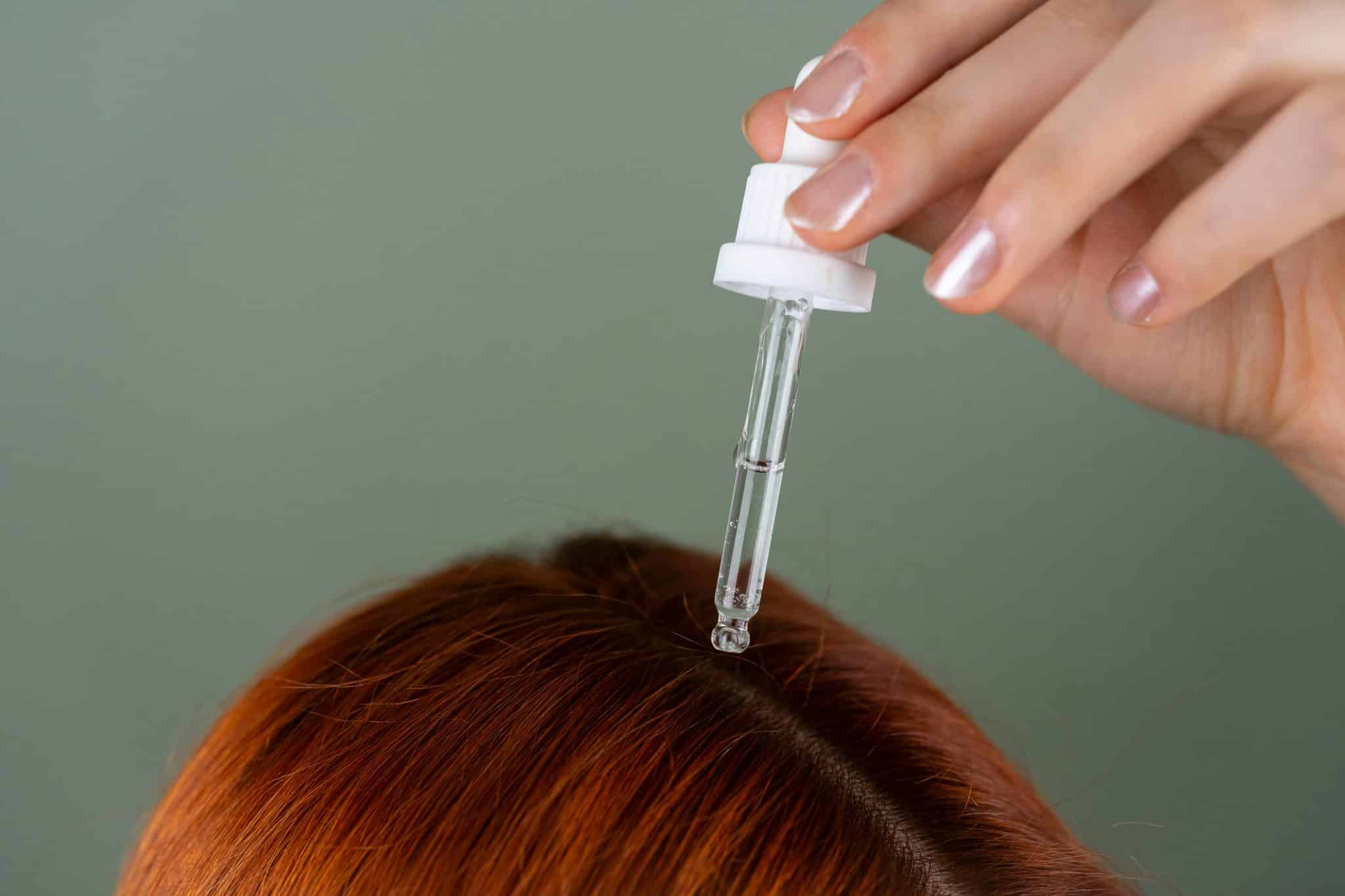
Overwashing strips natural oils.
Shampoo and water. Both become enemies of your hair if used excessively. Your scalp then makes more oil to compensate. A cycle starts. You get greasy roots. Dry ends. Result: brittleness and breakage.
So, wash it less. About 2 to 3 times a week for dry hair. And 4 to 5 times a week for oily hair. This helps hair balance itself. The gap also leads to using
- Less shampoo
- Less water
Moreover, it helps you stay sustainable. Because it directly lowers the use of large volumes of water and energy in showers, as well as the demand for hair products.
Now, if you shower, ensure the water is cool. Hot showers use about 20 to 50% more energy than warm ones. Cold water rinses cut that use.
Besides, they seal the hair cuticle and make the scalp calmer. And a calmer scalp needs fewer products. That means
- Less waste
- Healthier hair
- Lower bills
Your shower gets greener without effort.
2. Shampoo Bar Transition
Ditch all the plastics.
Bottles. Tubes. Jars. Rather, try plastic-free shampoo bars.
They look like traditional soaps. But they’re made for your hair. These shampoos, mostly organic ones, use “everything organic”. They carry natural ingredients. Coconut Oil. Olive Oil. Jojoba Oil. Shea butter. Cocoa butter. Mango Butter.
For instance, Naples Coconut Water Shampoo Bar.
Besides, such natural hair cleansing bars use eco-friendly packaging. Like cardboard and recyclable paper. This reduces the demand and sales of plastics.
The bars are concentrated, which makes them long-lasting. One bar often equals 2 to 3 liquid bottles. It gives 50 to 80 washes. That means less packaging waste. So, a big win for zero-waste hair care.
Moreover, several producers bring sulfate-free hair washing options. They’re gentler on your hair and our waterways.
To use, wet your hair. Rub the bar on your scalp. Or lather in hands first. Massage gently. That’s it.
3. Try Solid Conditioner Bars
Yes, conditioner comes in bars too.
Solid conditioners work like liquid, pasty ones. They detangle and soften hair. Reduce frizz. Add moisture. You can give credit to natural extracts like oils and butters.
But they skip plastic bottles. Most come in paper or cardboard. This makes the bars ideal eco-friendly hair products!
To apply, warm the bar in your hands. Glide lightly over hair ends. Don’t rub the bar directly on your scalp.
Start from your ear levels down. Glide lightly over hair ends. The heat and water from your hands will melt the bar. It turns into a creamy conditioner.
This method prevents buildup. Your hair gets the moisture and softness it needs.
4. Go With Natural Hair Tools
Look at your hairbrush.
Is it plastic? Because those brushes break fast. And then, they end up in landfills.
Swap it for one made of bamboo or wood. These brushes and combs are sturdier and more sustainable than plastic.
They often have natural bristles. These bristles spread your scalp’s oils down the hair shaft. This adds natural shine. Plus, they’re gentler on your scalp.
Don’t forget hair ties. Standard elastics have plastic and get thrown out fast. Swap elastic hair ties for fabric ones. Cotton. Linen. Hemp. You can even find compostable options.
A simple braid or twist gives you nice waves. It uses no heat and makes no waste. So, it’s an easy, sustainable bathroom swap.
5. Embrace Heat-Free Styling
Blow dryers and straighteners.
Both use a lot of power. A single blow dryer uses up to 1,500 watts. They can also damage your hair.
Try air drying more often. It cuts energy use. Saves money. Reduces heat damage.
Use a soft towel to remove water. A cotton t-shirt or microfiber towel is even better. They cause less friction. This means less frizz and breakage.
For hair styling, try no-heat methods.
- Braids
- Twists
- Buns
These shape hair without heat. This means fewer styling tools. Less electricity. Less damage. You get natural texture showing up over time.
6. Use DIY Hair Treatments
DIY treatments skip
- Packaging
- Chemicals
- Extra cost
You can find such treatments in your kitchen. They work like the ultimate natural hair cleansing and care.
An apple cider vinegar rinse is popular. It helps balance scalp pH. Mix 1 tablespoon of vinegar with 1 cup of water. Pour it over clean hair. It removes product buildup. Use once a week.
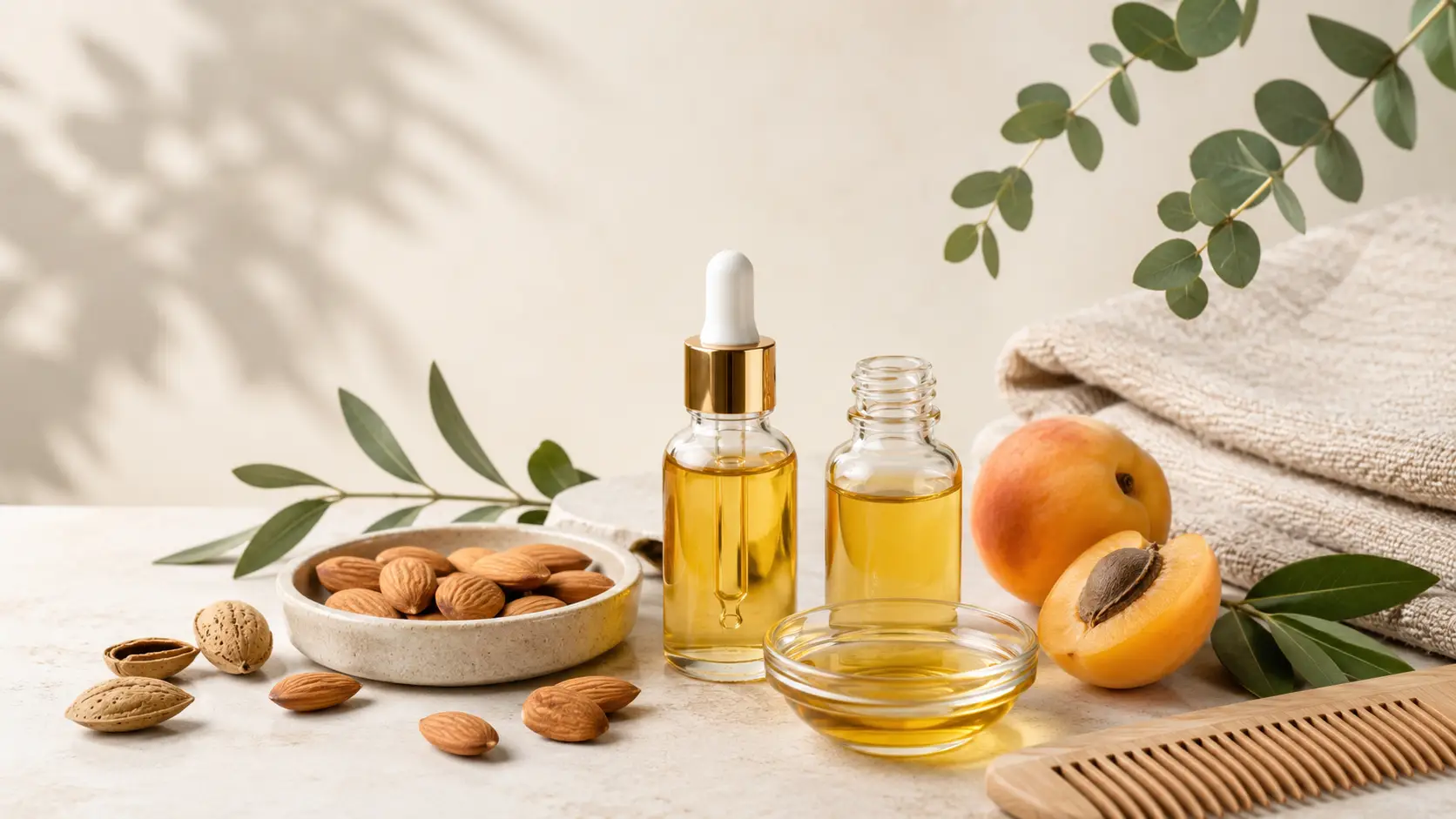
For moisture, try natural oils. Like coconut or argan for dry hair and jojoba for oily hair. Apply it to the ends of your hair. They add shine.
Most ingredients are already at home. These come in glass jars that you can reuse. That means zero packaging. Low waste.
7. Pick Refillable/Recyclable Products
Some products are hard to find in solid form.
Hair gel or certain treatments, for example. So, when you buy liquid, get one with better packaging. Look for brands that use glass or aluminum. These materials get recycled more often than plastic. Only about 9% of all plastic waste is actually recycled.
Even better! Find brands with a refill system. Or in-store refill stations. You buy a nice glass bottle once. Then you buy simple refill pouches. Next, mail the pouch back to the company. They clean and reuse it.
This helps reduce plastic in the shower.
8. Store & Care for Products Properly
Make your products last.
This reduces waste. Plus, it saves you money. Dry bars between uses. This doubles lifespan. Sometimes more.
A well-draining soap dish is perfect. Use ceramic soap dishes with a tilted design and drainage. Or metal tins with air holes. These materials are super eco-friendly.
Don’t let your eco-friendly hair care products sit in a puddle of water. They’ll get soft and melt away faster.
Proper storage makes one bar last for months. This simple habit is a big part of a zero-waste hair care routine.
Benefits of a Zero Waste Hair Care Routine
Less Plastic Waste in Landfills
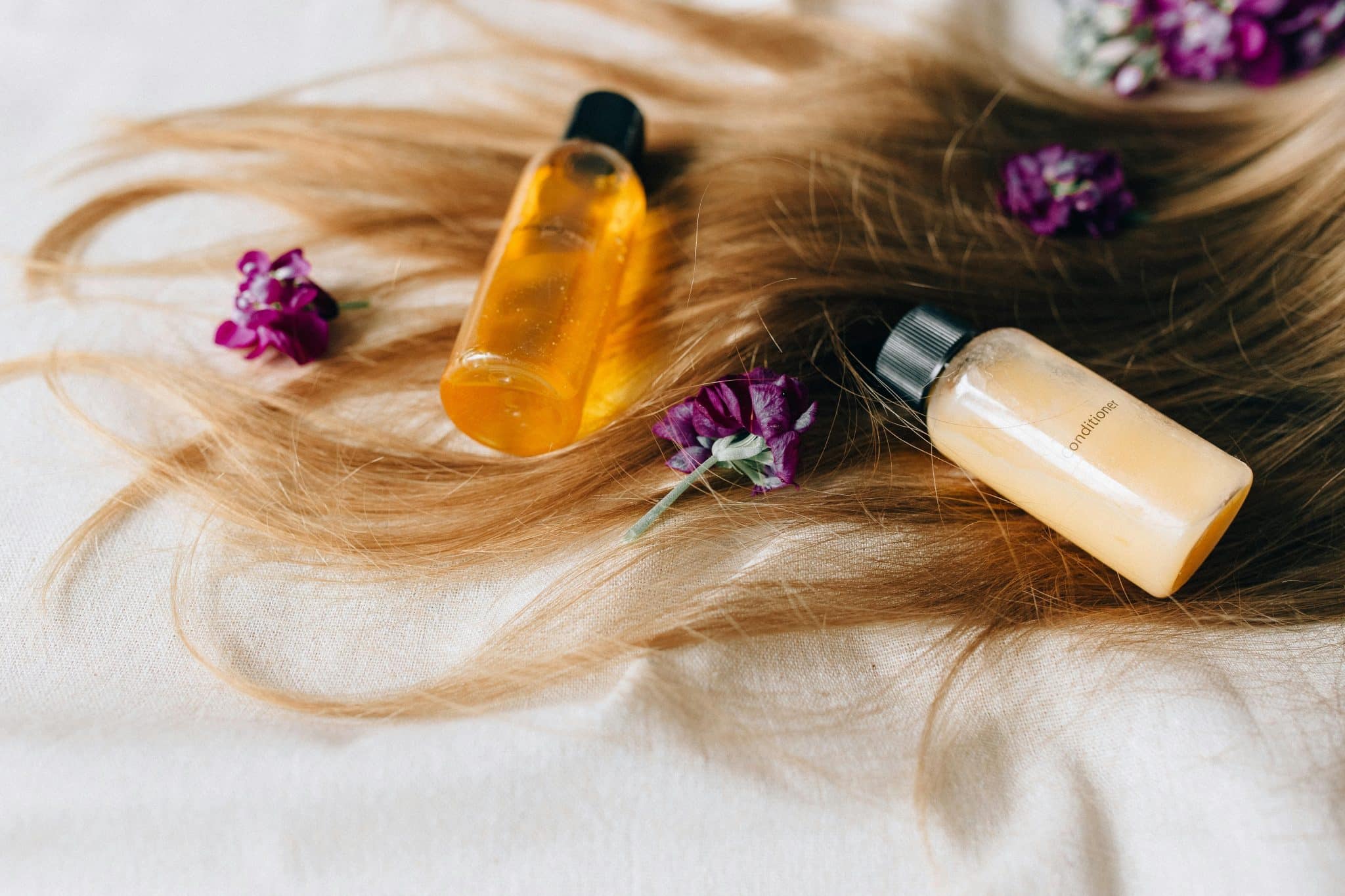
Plastic hair bottles pile up fast. Most never recycle. Zero-waste swaps cut this stream.
One shampoo bar saves multiple bottles yearly. Small routines add up when repeated daily.
Ingredient Kindness
Lots of low-waste products use BADDITIVE-free formulas. They don’t have harsh sulfates or silicones. These enemies can irritate your skin and pollute water.
Gentler cleansing helps scalp oils stay balanced. Hair feels calmer, healthier, and softer over time. Moreover, simple, natural ingredients make hair care products kinder to your body and planets.
Lower Long-Term Costs
A shampoo bar may cost more upfront.
But it lasts much longer than a bottle. You buy fewer products over time. This saves you money.
FAQs
What is the healthiest hair care routine?
A healthy routine uses gentle cleansing, fewer washes, light oils, and minimal heat. Hair stays balanced when the scalp isn’t stripped too often.
How to create your own hair care routine?
Start with your hair type. Pick simple products. Watch how hair reacts for 2 weeks. Adjust slowly. Avoid routines that ignore your needs.
How to make your own eco-friendly shampoo?
Use soap nuts, aloe gel, or castile soap. Mix small batches. Skip preservatives. Store briefly. Simple formulas reduce waste and exposure.
What are common hair care mistakes?
Overwashing. Heavy and harsh product use. Too much heat. These are the common hair care mistakes. To avoid them, wash hair less, use gentler formulas, and let the hair rest between styling days.