We used to have four fashion seasons. Spring, summer, fall, winter. Designers would work months in advance, showcase collections on runways, and the industry would follow a predictable rhythm.
That rhythm is dead.
Today, the fashion industry operates on 52 micro-seasons per year – releasing new collections every single week. TikTok can turn an obscure accessory into a global must-have overnight. A single viral video can create more demand than an entire runway show. And brands that can’t keep up? They’re watching their relevance evaporate in real time.
This isn’t just a speed problem. It’s a pressure problem. Social media has fundamentally rewritten the rules of fashion – how trends are born, how fast they spread, how quickly they die, and what happens to the brands caught in between.
According to McKinsey’s State of Fashion 2026 report, 46% of fashion executives now expect industry conditions to worsen, with the need to adapt to rapid shifts in consumer behavior and technology ranking among their top concerns.
So let’s talk about what’s really happening – and what it means for brands, creators, and consumers who are all caught in this accelerating cycle.
The Speed Gap: When Trends Move Faster Than Supply Chains
Here’s the core tension. Social media creates demand at internet speed. But most fashion supply chains still operate at industrial speed. That gap is where revenue gets lost, inventory piles up, and brands fall behind.
Consider the math. A trend can go viral on TikTok within hours. Millions of users see it, engage with it, and start searching for the featured product within days. But a traditional fashion brand needs weeks to months to design, produce, and ship a new item. By the time they respond, the trend has often already peaked and faded.
The future belongs to those who can move fast, act on data, and engage consumers where trends are born: online.
The Algorithm Effect: Who Actually Decides What’s Trending
Fashion trends in 2026 aren’t set by designers, editors, or buyers. They’re set by algorithms.
TikTok’s For You Page decides which styles get amplified to millions of users and which ones never surface. Instagram’s algorithm determines which outfit posts reach audiences and which disappear into obscurity.
Pinterest’s search trends shape what consumers discover months before it hits stores. The platforms now control the distribution of fashion influence.
For brands, this means the old playbook – forecast trends six months out, produce a seasonal collection, market it over several months – is increasingly disconnected from how consumers actually discover and adopt fashion. The brands that thrive are the ones treating social media as a real-time demand signal, not just a marketing channel.
The Content Treadmill: Why Brands Feel the Pressure to Constantly Produce
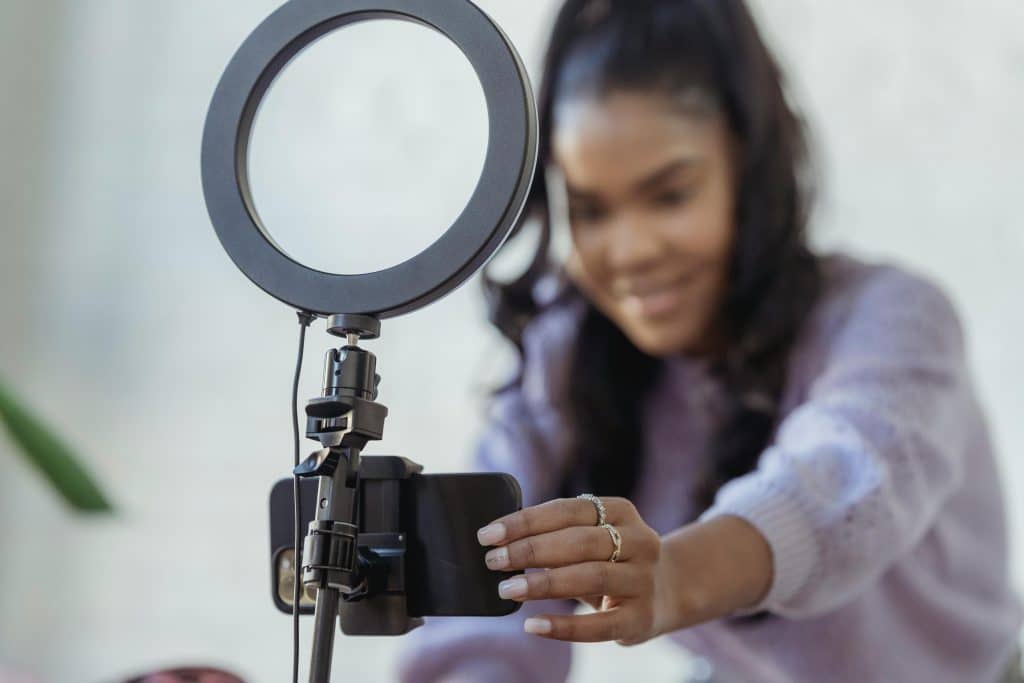
It’s not just product speed that’s under pressure. It’s content speed.
Social media algorithms reward consistency, frequency, and engagement. Brands that post daily, engage with trends, and produce platform-native content get rewarded with visibility.
Those that don’t get buried. This creates what feels like a relentless content treadmill – and it’s burning out marketing teams across the industry.
Furthermore, the type of content that performs has shifted dramatically. Polished campaign imagery that once defined fashion marketing now underperforms compared to raw, authentic, creator-driven content. According to Firework, 68% of consumers express discontent with sponsored content saturation, and 65% state they rely less on fashion influencers compared to last year. Gen Z demonstrates “banner blindness,” often ignoring branded content.
This creates a paradox. Brands need to produce more content than ever to stay visible. But the content consumers actually trust and engage with isn’t coming from brands at all – it’s coming from real people. That’s exactly where UGC enters the picture.
UGC Creators and UGC Platforms: The Answer to Fashion’s Speed Problem
If social media created the pressure, user-generated content might be the most practical response to it. UGC creators have become the bridge between brand timelines and consumer expectations – producing authentic, platform-native content at a speed and volume that traditional production simply can’t match.
A brand can commission a polished campaign shoot that takes weeks from concept to delivery. Or it can partner with UGC creators who produce authentic try-on videos, styling content, and product showcases within days – content that actually performs better with consumers anyway.
This is where UGC platforms become essential infrastructure for fashion brands. Platforms like Billo connect brands directly with vetted creators who specialize in producing authentic, scroll-stopping content at scale. Instead of managing individual creator relationships one by one – which quickly becomes unmanageable – brands use UGC platforms to brief, source, and receive ready-to-publish content in a streamlined workflow.
Additionally, UGC doesn’t just solve the marketing problem. It feeds directly back into design. When brands see what real people are styling, wearing, and celebrating, that data becomes insight for future collections. UGC creators are no longer just promoting fashion – they’re actively shaping what gets designed, produced, and sold.
The Sustainability Tension: Speed vs. Responsibility
We can’t talk about fashion’s speed crisis without confronting the environmental cost.
According to statistics, 58% of Gen Z say they care about the planet, yet over 60% continue to buy fast fashion. This values-action gap is fueled by budget constraints, peer pressure, and the sheer persuasive power of social media trends.
Some brands are responding thoughtfully. Some are using AI to forecast trends in advance, helping brands align collections with actual demand rather than overproducing speculatively.
For brands caught between the pressure to be fast and the imperative to be responsible, the path forward requires smarter production – not necessarily faster production. That means using social data to predict demand accurately, producing in smaller batches, and scaling only what’s proven to resonate.
What Brands Can Actually Do About It
So how do fashion brands navigate this pressure without burning out their teams, overproducing inventory, or chasing every micro-trend that surfaces?
- Invest in real-time social intelligence. Brands need tools that translate social media signals into actionable demand data. AI-powered trend forecasting – from companies like Heuritech – can identify rising trends before they peak, giving brands a head start on production decisions.
- Embrace UGC as a core content strategy. Stop trying to produce everything in-house. Use UGC platforms to source authentic creator content at scale. It’s faster, cheaper, and more effective than traditional campaign production – and it builds the trust that polished ads can’t match.
- Produce in smaller, smarter batches. Follow Shein’s test-and-reorder model without the ethical baggage. Produce small initial runs, use social engagement data to identify winners, and scale only what’s proven. This reduces overstock risk while maintaining responsiveness.
- Stop chasing every trend. Not every micro-trend deserves a product response. The smartest brands identify which trends align with their identity and audience – and ignore the rest. Selectivity is a competitive advantage when everyone else is scrambling.
- Build a content rhythm, not a content sprint. Consistency matters more than volume. A steady cadence of authentic content – supplemented by UGC creators – outperforms bursts of frantic posting that lead to team burnout.
The Bottom Line
Social media has permanently changed the speed, structure, and power dynamics of the fashion industry. Trends now move at algorithmic speed. Consumers trust real people over polished campaigns. And the brands that can’t adapt to this new reality are watching their competitors – and their customers – move on without them.
The pressure to perform is real. But it’s manageable when brands stop trying to compete on speed alone and start competing on authenticity, smart data, and genuine creator partnerships.
The tools exist. UGC platforms make creator content accessible at scale. AI forecasting helps predict what’s coming. And social listening reveals what consumers actually want – not what a design committee imagined they’d want six months ago.
The brands that win in 2026 won’t be the fastest. They’ll be the most attentive – to their audience, to the platforms, and to the creators who are quietly steering the entire conversation.