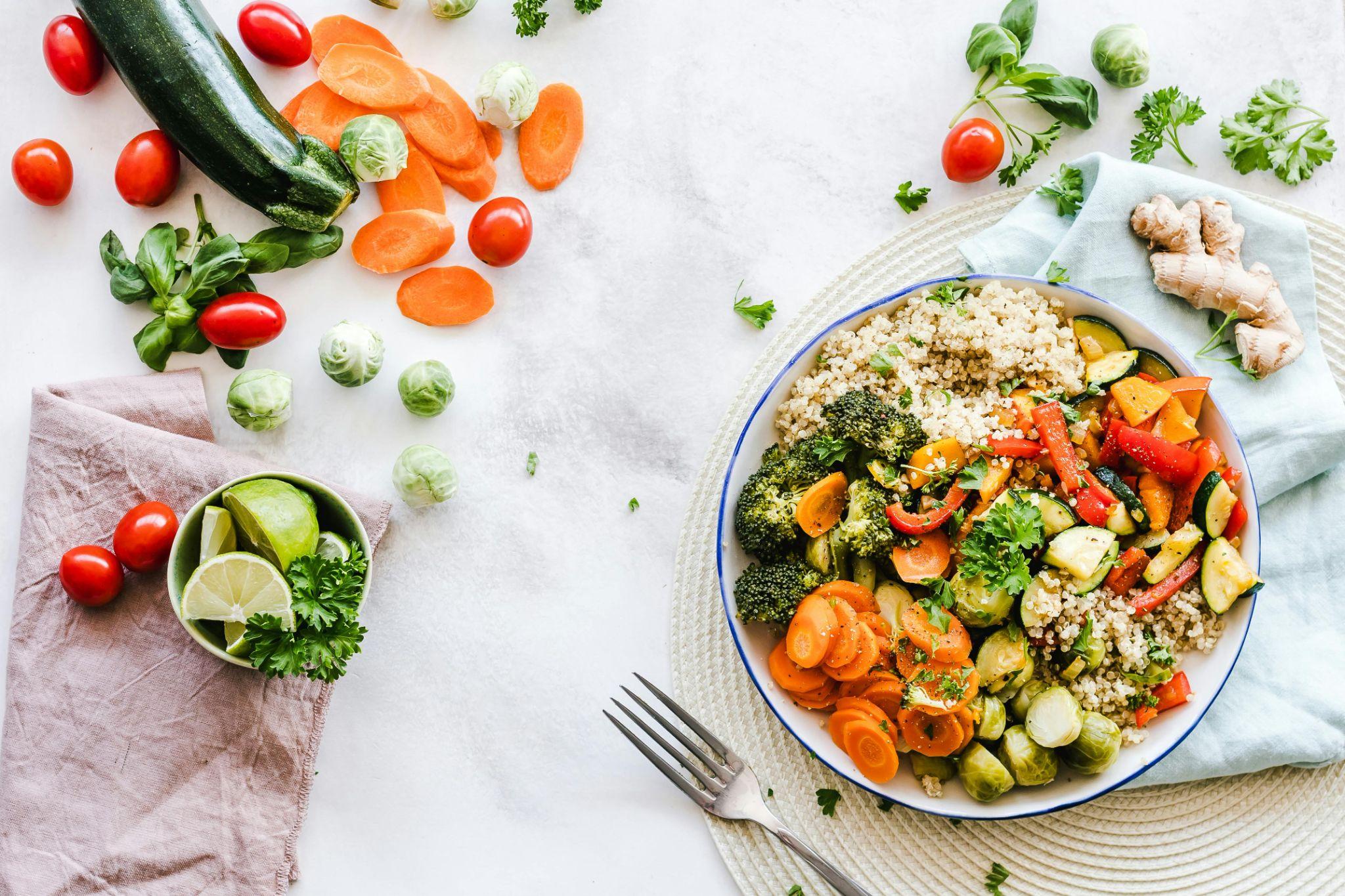
Your gut isn’t just a part of your body — it’s the foundation of how you feel every day. The foods you eat send signals, feed your gut microbes, and influence everything from digestion to your mood.
You don’t need exotic superfoods or expensive supplements to support gut health — there are everyday foods that genuinely help, and once you start including them, you’ll notice the difference.
What the Microbiome Is — and Why It Matters
Let’s be real: “microbiome” gets thrown around a lot, but here’s why it deserves your attention.
At its core, your microbiome is the ecosystem of microorganisms living in your digestive tract — and these tiny inhabitants are incredibly influential.
When they’re balanced, digestion works smoothly, inflammation stays in check, and nutrient absorption is optimized. According to, your microbiome influences energy, metabolism, digestion, immunity, mental clarity, and mood — in other words, it’s not just about pooping comfortably, it’s about how you feel throughout your entire day.
So instead of viewing gut health as a niche health topic, think of it as a foundation for overall well-being — and the good news is, everyday food choices can powerfully support it.
1. Yogurt — The Classic Gut Ally
This one might seem obvious, but there’s a reason yogurt tops countless gut-health lists: it’s a rich source of probiotics, the beneficial bacteria that help balance your gut ecosystem. The strains in yogurt — like Lactobacillus and Bifidobacterium — can support digestion, help reduce bloating, and even ease occasional diarrhea.
Pro tip: Go for plain, unsweetened yogurt and add fresh fruit or a drizzle of honey for flavor instead of choosing sweetened, flavored varieties. Too much sugar can actually disrupt your gut balance.
2. Sauerkraut and Other Fermented Veggies
Fermented foods are real food with a purpose., kimchi, pickles, and other naturally fermented vegetables are full of probiotics, plus enzymes that help break down food in your gut. These aren’t just trendy — they have been staples in traditional diets around the world for centuries because they promote strong digestion and nutrient absorption.
When choosing sauerkraut or kimchi, pick versions that are raw and unpasteurized — pasteurization kills a lot of the beneficial bacteria.
3. Oats — Soluble Fiber for Happy Bacteria
Fiber gets talked about a lot, but not all fiber is created equal. Oats contain soluble fiber, especially a type called beta-glucan, which absorbs water and forms a gel-like texture in your gut. That’s great news for your digestion — it helps food move more smoothly through your system and feeds the bacteria that support your microbiome.
Breakfast bowls, overnight oats, or blended into smoothies — oats are versatile, affordable, and gut-supportive.
4. Bananas — Gentle Fuel With Big Benefits
Bananas are easy to eat and gentle on the digestive system — perfect if you’re just starting to focus on gut health. But beyond being kind to your belly, they contain prebiotic fibers like inulin when they’re slightly under ripe. Prebiotics aren’t bacteria themselves — they are food for the beneficial bacteria already in your gut.
Pair a banana with a spoonful of peanut butter or some flakes of cinnamon atop oatmeal, and you’ve got a gut-friendly snack that tastes like comfort food.
5. Leafy Greens — Greens That Gut Bacteria Love
Leafy green veggies — spinach, kale, Swiss chard, collards — deserve a spot at your table not just for vitamins and minerals, but also for Polyphenols are plant compounds that help feed healthy gut bacteria and may reduce inflammation.
Think beyond salads — sauté greens with garlic and olive oil, blend them into soups, or mix them into pastas. Even small portions boost your overall gut diversity, which is a key marker of gut health.
Bonus: How to Maximize These Foods
Gut health isn’t about a single food, it’s about consistent patterns. Here are practical ways to make these foods work for your routine:
- Mix textures: Combine probiotic foods (like yogurt or sauerkraut) with soluble fiber (like oats or bananas) in meals so you’re feeding and balancing your microbiome at the same time.
- Rotate your greens: Eating different leafy greens throughout the week ensures you’re getting a wider variety of fibers and polyphenols.
- Sip water throughout the day: Hydration supports digestion and helps fiber do its job.
- Avoid excess sugar and processed foods: These can fuel inflammation and feed the less beneficial gut microbes, undermining the good you’re trying to build.
Everyday Eating, Real Benefits
There’s a myth that gut health requires supplements, fancy powders, or complicated diets. You can absolutely see real, consistent benefits by focusing on everyday foods that work with your body rather than against it.
Start with one change this week — maybe swap a sugary cereal for a bowl of oats with banana, or add a serving of sauerkraut to dinner. Over time, these small shifts add up into a more balanced microbiome, smoother digestion, and better daily well-being.
Gut health doesn’t have to feel complicated. With these five foods in your routine, you’re giving your digestive system the support it deserves — in a way that feels simple, satisfying, and totally doable.