Choosing the right hair styling product is less about following trends and more about understanding what your hair naturally needs.
Each product works by influencing three core factors: hold strength, shine level, and texture control. Some are designed to shape hair rigidly, while others focus on enhancing natural movement or improving hair health.
Good grooming often mirrors practical investment thinking. Quality hair products are not always cheap, and your hair deserves consistent care, the way any long-term personal asset does.
The modern grooming market offers several reliable categories. Five products stand out because they cover most styling situations.
Understanding how these behave helps reduce trial-and-error purchases, especially for beginners who want practical results without wasting product.
Below are clearer explanations of each main category.
1. Pomade
Pomade is the traditional choice for neat, formal hairstyles. It provides medium to strong hold while keeping hair flexible enough to restyle during the day.
The main advantage of pomade is its smooth finish. It works well for side parts, slick backs, and professional grooming styles. Water-based pomades are generally easier to wash out, making them more convenient for daily use.
The shine level is medium to high, giving hair a clean and maintained appearance. People with thick or slightly wavy hair often benefit from pomade because it helps tame bulk without making strands feel stiff.
Pomade is ideal when the goal is elegance rather than volume or texture. Think of it as grooming that prioritizes structure and refinement.
2. Gel
Hair gel focuses on maximum hold. Once the gel dries, it creates a rigid structure that keeps hair positioned.
This product is best for short, neat styles that require little movement. Its shine is typically high, producing a wet-look finish that some professional or formal environments prefer.
However, excessive gel use can sometimes cause flaking or hair hardness. Modern formulations try to improve comfort by reducing residue.
Gel is useful when hairstyle stability is more important than natural flexibility. It is straightforward, dependable, and widely accessible.
3. Wax
Wax offers a middle ground between rigidity and flexibility.
It provides medium to strong hold with low to medium shine, making it popular for casual modern styling. Wax allows strand separation, which helps create textured or slightly messy looks without appearing unkempt.
Unlike gel, wax does not harden completely, allowing users to reshape hair during the day. This makes it suitable for people who prefer relaxed but controlled grooming.
Wax is often recommended for beginners who want predictable results without dealing with sticky or heavy finishes.
4. Clay
Clay products are designed for matte texture and thicker visual volume.
The main feature of clay is its ability to absorb excess scalp oil while lifting hair structure. This is helpful for people with fine or straight hair who want a fuller appearance.
Hold strength is typically medium to strong, but shine is very low. The result is a natural, understated style that does not look artificially polished.
Clay is commonly used for modern urban hairstyles that emphasize healthy-looking hair density rather than gloss.
5. Putty
Putty is a hybrid product that combines qualities of wax and clay.
It provides medium hold with low shine but remains creamy and easy to reshape. This makes it one of the most forgiving styling products for new users.
Putty is especially useful for messy-neat hairstyles where precision is not necessary. You can run fingers through the hair without losing the overall structure.
If wax feels too sticky and clay feels too dry, putty is often a comfortable middle solution.
Honorary Mentions
1. Sea Salt Spray
It’s trending for a reason.
Sea salt spray adds subtle roughness to hair strands, helping create a natural, lived-in look. It works well for wavy or casually styled hair where movement is preferred over rigidity.
2. Hair Mousse
Mousse is a foam-based product that expands hair strand structure when applied to damp hair. It is especially useful for fine or flat hair that needs root lift.
3. Hair Spray
Hairspray is typically used after styling. It forms a thin coating that helps maintain the hairstyle’s shape throughout the day.
4. Texturizing Powder
Styling powder is convenient for short, thinning, or layered hairstyles because it absorbs scalp oil while adding visible volume. The finish is dry matte, making it popular for modern textured cuts.
5. Leave-In Conditioner
Leave-in conditioners help manage dryness and tangling without creating strong structure. They are commonly used in humid environments or for damaged hair.
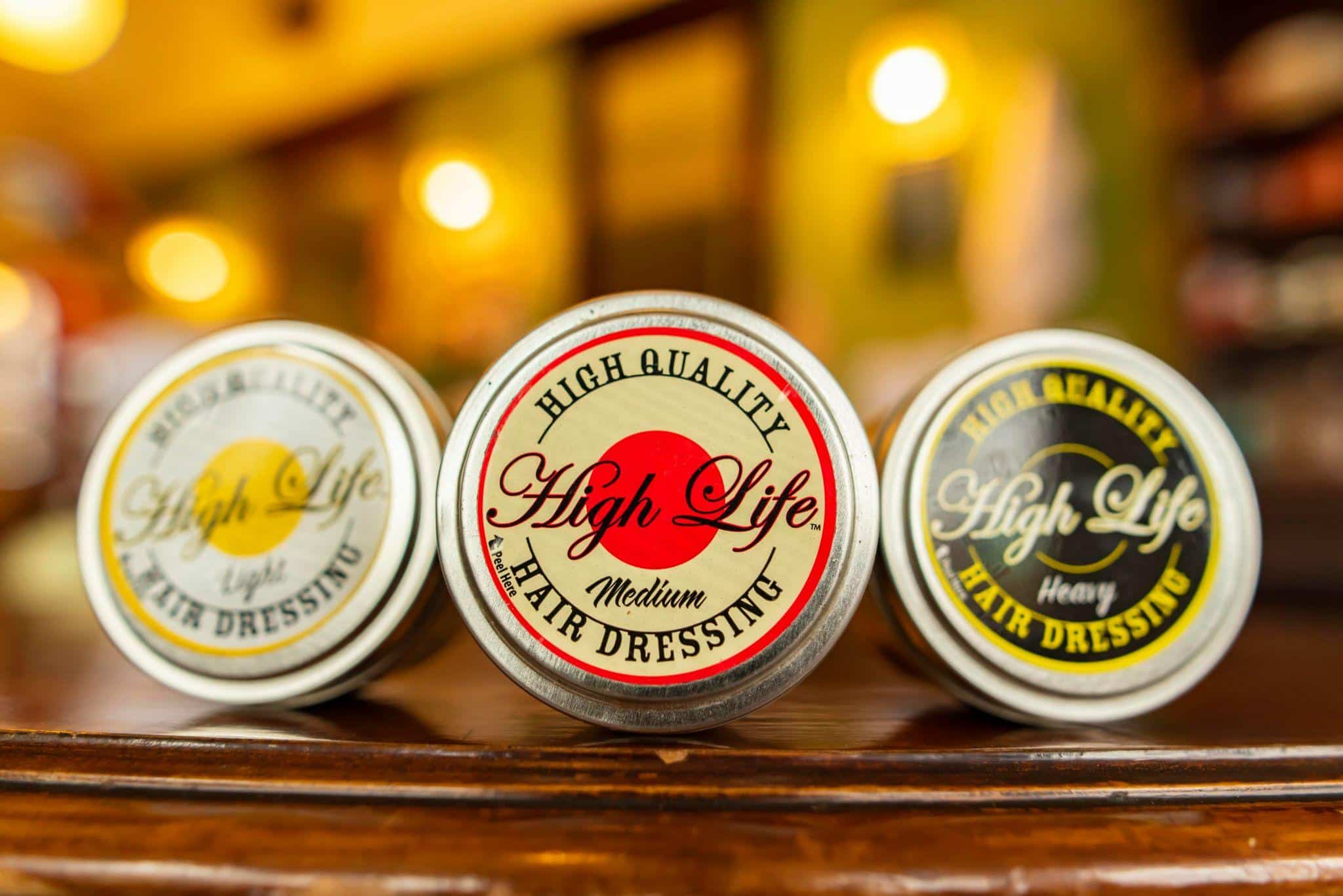
Get Out of a Hairy Situation with the Right Product
The best hair product is the one that supports your natural hair behavior rather than forcing it into an uncomfortable shape.
Understanding these differences makes styling more predictable and helps you build a routine that matches your hair and lifestyle.
Good hair products aren’t cheap, and your hair deserves quality care.
If you’re somewhat of a high roller wanting to cash in for this personal investment, high-stakes card games like Tongits can give you some extra cash in your pocket to get these products.
If you want to know how, here’s a Tongits Go withdrawal guide to get you started.
Good hair care is ultimately about confidence in small details. When hair feels manageable, daily presentation becomes easier and more comfortable.