You’ve swapped cleansers, cut out dairy, tried trending serums, and simplified your routine, yet the breakouts keep coming. Few skin concerns are as frustrating as acne that refuses to respond. It can feel like you’re doing everything right while your skin seems determined to prove otherwise.
When nothing appears to be working, the solution isn’t usually to try more products. In fact, it’s often the opposite. Persistent acne calls for a more strategic, measured approach that looks beyond surface-level fixes.
Instead of chasing quick results, it helps to reassess your routine, understand the type of acne you’re dealing with, and consider whether your skin needs a different level of treatment. This guide walks through practical steps you can take when your current approach has stalled.
Reassess Your Routine And Simplify It
One of the most common mistakes people make when acne won’t budge is adding more steps. Layering exfoliating acids, retinoids, spot treatments, and masks can compromise the skin barrier. When that barrier becomes irritated or inflamed, breakouts can worsen, even if the products themselves are well-formulated.
If you’re stuck in this cycle, strip your routine back to basics for two to three weeks:
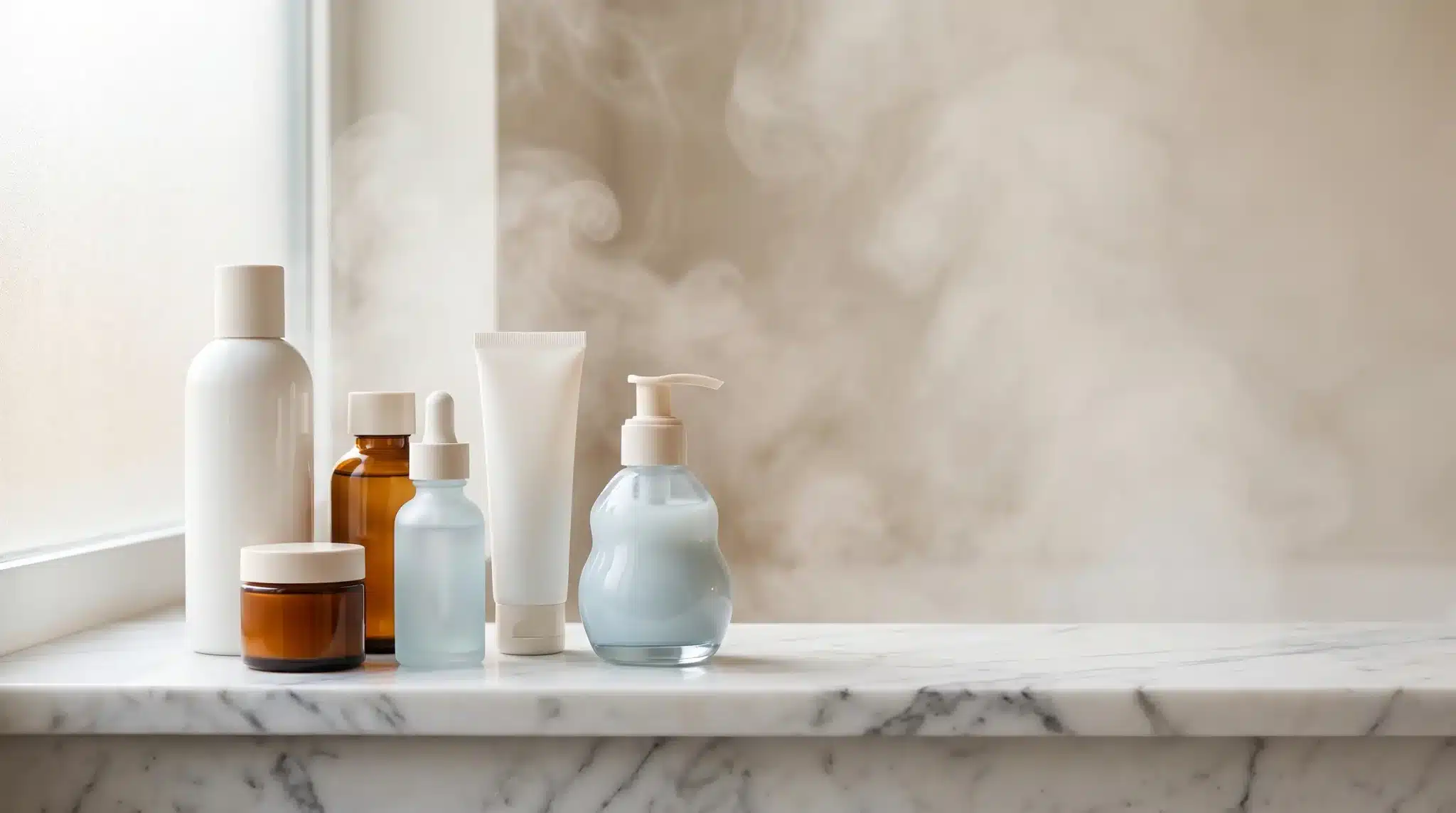
- A gentle, non-stripping cleanser
- A lightweight, non-comedogenic moisturiser
- Broad-spectrum sunscreen during the day
Pause strong exfoliants and avoid introducing new actives during this reset period. Over-exfoliation can cause redness, tightness, and clusters of small, inflamed bumps that resemble acne, making it difficult to distinguish irritation from true breakouts.
Give your skin time to stabilise before evaluating results. Skin turnover takes several weeks, so judging a product after only a few days rarely provides meaningful insight. Think in months, not days.
Identify the Type of Acne You’re Dealing With
Not all acne behaves the same way, and not all breakouts respond to the same treatment. Blackheads and small whiteheads often form due to clogged pores and may respond to ingredients like salicylic acid. Inflamed cystic acne, on the other hand, sits deeper in the skin and can feel tender or painful to the touch.
Hormonal acne frequently appears along the lower cheeks, chin, and jawline. It may flare cyclically and return in the same spots month after month. Stress-related breakouts can cluster during demanding periods, while acne triggered by pore-clogging products often appears where those products are applied most heavily.
If your acne is painful, recurring in the same areas, or leaving dark marks, it may signal that supermarket skincare isn’t strong enough. Recognising patterns allows you to make informed decisions instead of relying on guesswork. Sometimes the issue isn’t your effort – it’s that the treatment level doesn’t match the severity.
Know When Over-the-Counter Options Aren’t Enough
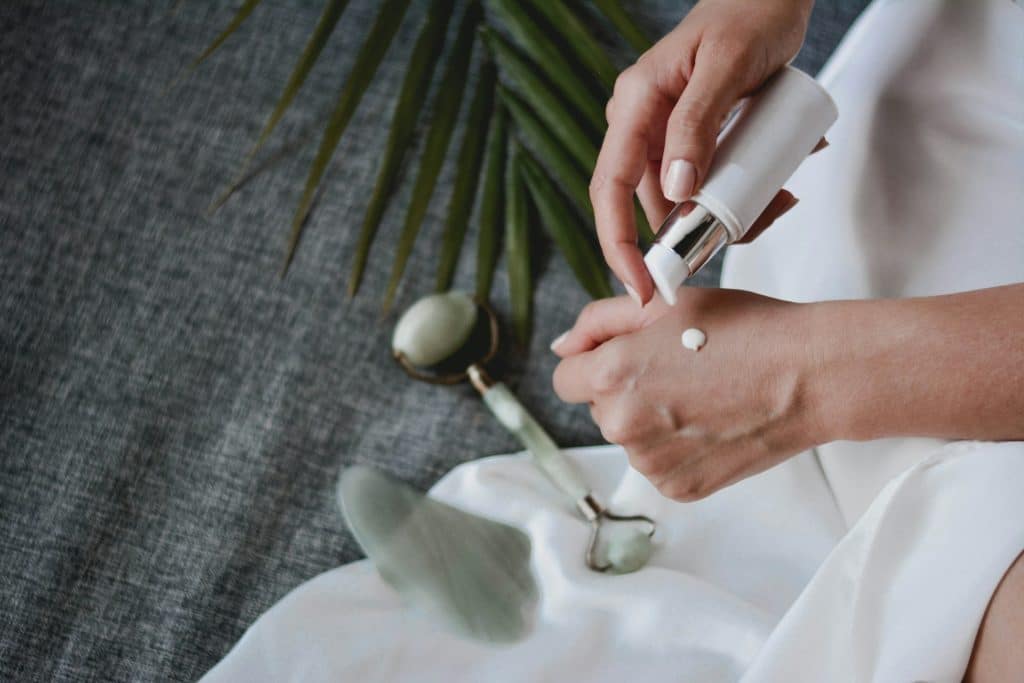
There comes a point when continuing to experiment with high-street skincare becomes expensive and emotionally draining. If you’ve been consistent for several months without meaningful improvement, it may be time to consider prescription-strength options.
Topical retinoids such as adapalene are commonly used to regulate skin cell turnover and prevent clogged pores. They differ from cosmetic exfoliants because they target acne development at a cellular level rather than simply removing surface debris.
Curely provides access to prescription treatments online. For example, Curely differin gel contains adapalene, a topical retinoid often recommended for persistent acne that hasn’t responded to milder products.
When breakouts are recurring, inflamed, or resistant to standard routines, this type of treatment may offer a more structured approach under medical guidance.
Prescription treatment isn’t about escalating to something extreme. It’s about aligning the strength of the treatment with the stubbornness of the acne. In many cases, earlier intervention can prevent long-term scarring and repeated cycles of trial and error.
Examine Lifestyle Triggers Without Overcorrecting
While skincare plays a central role, certain lifestyle factors can influence breakouts. Chronic stress can increase inflammation. Irregular sleep patterns may disrupt hormonal balance. Constantly touching or picking at spots can spread bacteria and delay healing.
That said, it’s important not to overcorrect. Eliminating entire food groups without professional advice or obsessively sanitising every surface can create more stress, which may further aggravate skin issues. Acne is multifactorial, and no single habit is usually the sole cause.
Instead, focus on manageable adjustments:
- Aim for consistent sleep patterns
- Change pillowcases regularly
- Clean makeup brushes frequently
- Keep heavy hair products away from the hairline
- Avoid squeezing spots, even when tempted
These changes won’t replace targeted treatment, but they can reduce background triggers that make acne harder to control.
Consider the Psychological Toll
When acne persists, it doesn’t just affect skin; it can influence confidence, mood, and social comfort. If you find yourself cancelling plans, avoiding bright lighting, or feeling preoccupied with your reflection, it’s worth acknowledging the emotional weight of ongoing breakouts.
Seeking medical advice isn’t about vanity. It’s about well-being. Addressing acne effectively can reduce daily stress and free up mental energy previously spent worrying about appearance. It may also lower the risk of long-term marks that linger after inflammation subsides.
If you feel overwhelmed, consider speaking to a GP or pharmacist about available options. Even having a structured plan can reduce anxiety compared to feeling stuck in an endless cycle of product experimentation.
Create a Structured Action Plan
When nothing seems to be working, approach the situation methodically rather than emotionally. A clear framework can replace frustration with direction:
- Reset and simplify your routine for several weeks.
- Evaluate your acne type and note recurring patterns.
- Commit to a consistent evidence-based approach.
- Escalate to prescription treatment if progress stalls.
Avoid introducing multiple new products at once. Change one variable at a time to identify what’s actually helping. Acne management is rarely about finding a miracle product. It’s about matching the right treatment to your skin’s specific needs and giving it adequate time to work.
Final Thoughts
Persistent acne can make you feel powerless, but it rarely means you’ve run out of options. More often, it signals that your approach needs refining. Simplifying your routine, identifying your acne type, and recognising when professional treatment is appropriate can shift the trajectory in a meaningful way.
Skin does not respond well to panic or constant experimentation. It responds to patience, structure, and treatments that address the root cause rather than just surface symptoms. If you’ve been stuck in trial-and-error mode, consider stepping back and reassessing your strategy. With a steady plan and realistic expectations, even stubborn breakouts can begin to improve over time.