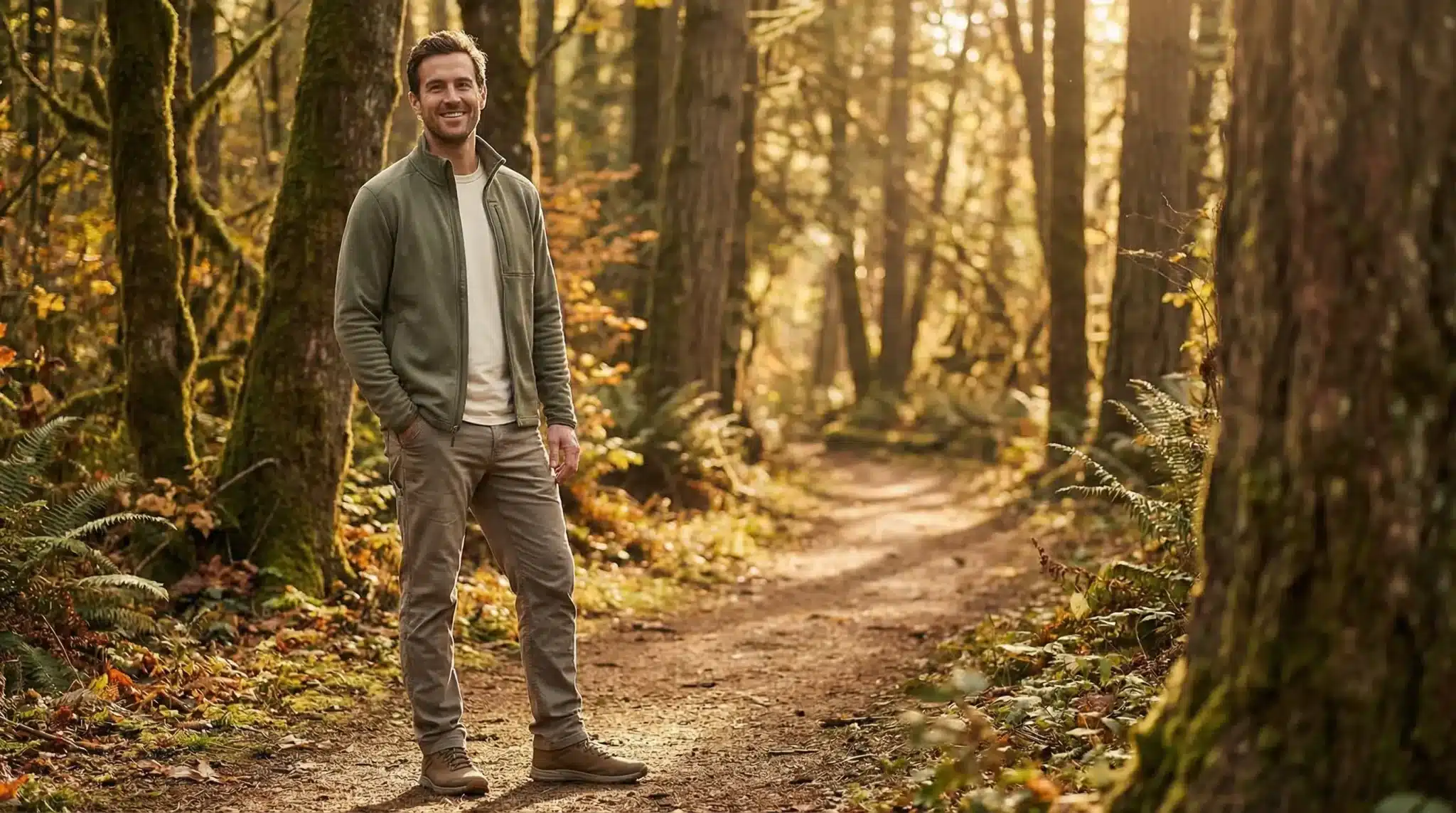
There was a time when getting dressed for the outdoors meant accepting a certain level of visual chaos. Mismatched layers, stiff fabrics, colors that looked better under fluorescent lights than daylight. That era is fading fast. Men are paying closer attention to what they wear outside, not because they want to look styled, but because they want to feel like themselves whether they are walking a trail, grabbing coffee after, or driving home with the windows down. Outdoor fashion has grown up. It is less about dressing for the activity and more about dressing for real life that happens to include being outdoors.
What makes this shift interesting is that it is not driven by trend chasing. It is driven by comfort, confidence, and clothes that make sense across settings. The best pieces today do not scream performance. They work quietly in the background, doing their job while letting you get on with your day.
The Death of the Costume Look
The biggest change in outdoor style is the move away from dressing like you are playing a role. You do not need to look like a professional climber to take a long walk or a weekend hike. Men are choosing pieces that feel natural on the body and familiar in shape, with clean lines and thoughtful details.
This does not mean sacrificing function. It means choosing garments that feel grounded. A jacket that fits like a proper jacket instead of a technical shell shaped like a sleeping bag. Pants that move with you but still hold their shape when you sit down for lunch. When clothes stop announcing their purpose, they become more wearable, and you stop thinking about what you are wearing at all.
Socks, Shoes, and the Small Details That Matter
Footwear used to be an afterthought, or worse, a visual liability. Now it is one of the most considered parts of an outdoor look. Shoes are slimmer, more flexible, and easier to pair with everyday clothes. Colors stay neutral, textures do the talking.
Socks deserve their moment here too. The rise of Merino wool socks for hiking reflects a broader shift toward materials that actually improve the experience without drawing attention to themselves. They regulate temperature, manage moisture, and stay comfortable over long stretches, all while looking like something you would wear even if you never left the sidewalk. When the foundation is right, everything else feels easier.
Layering Without Looking Like You Are Overthinking It
Good layering is invisible when done right. The goal is not to stack pieces for the sake of versatility. It is to create a system that adapts without fuss. Lightweight base layers that feel good against the skin. Mid layers that add warmth without bulk. Outer layers that protect without stiffness.
What matters most is proportion. A mid layer that is slightly structured can double as a standalone piece. An outer layer that drapes instead of crunches moves with your body and looks better the longer you wear it. When layers are chosen with intention, they feel cohesive rather than tactical.
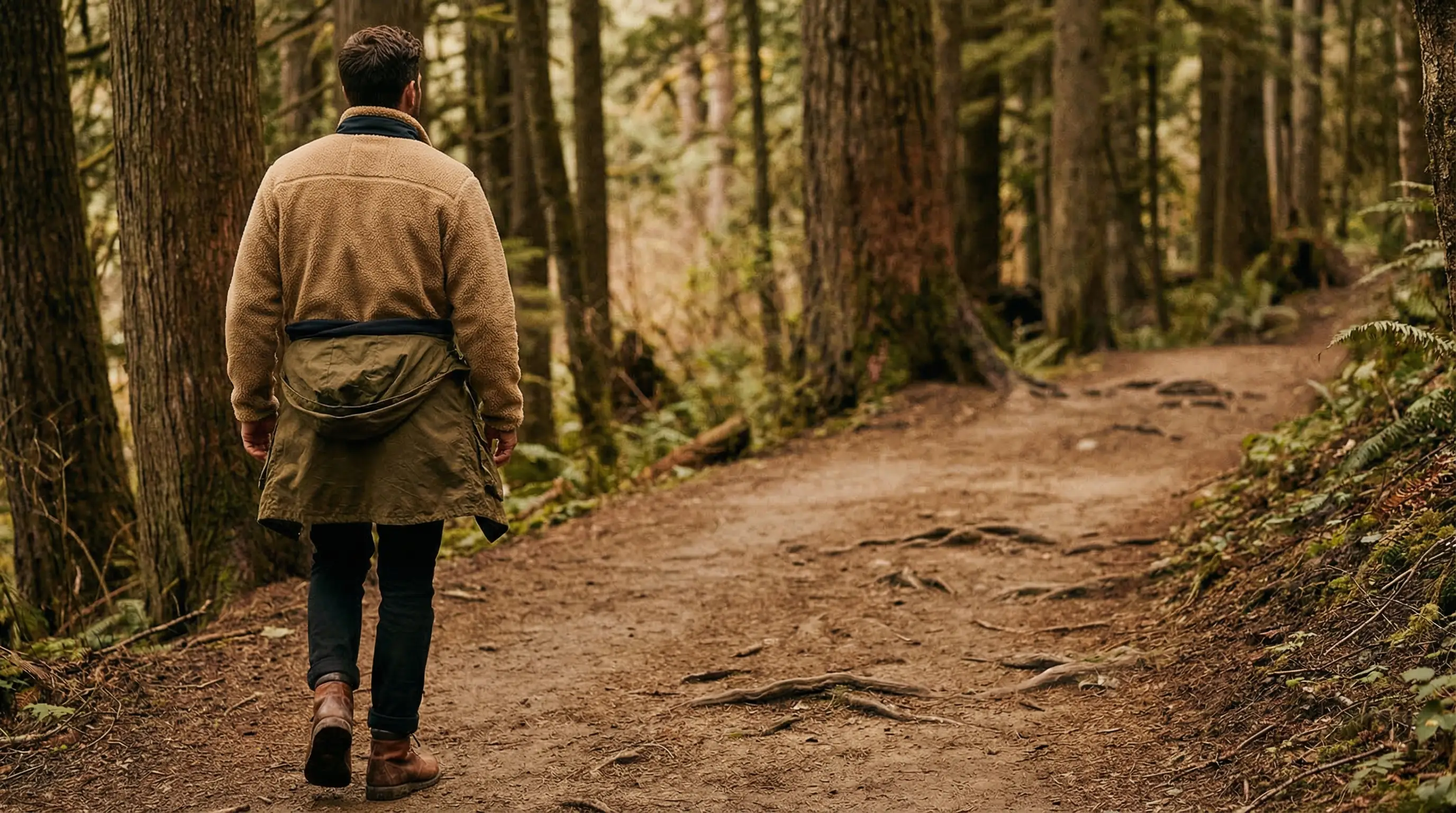
This is where outdoor clothing starts to feel genuinely modern. It works across temperatures, across locations, across moods. You are not dressing for the weather so much as you are dressing for your day.
When Style and Performance Stop Competing
The old idea that you had to choose between looking good and being comfortable no longer holds. The most compelling outdoor clothing today blends design and utility so seamlessly that the distinction barely matters. This is functional fashion at its best, pieces that solve problems without advertising the solution.
You see it in fabrics that stretch without losing structure, in seams placed where they make sense instead of where they are cheapest, in colors that age well rather than chasing seasonal hype. These clothes earn their place in your closet because you reach for them again and again. They feel reliable. They feel lived in quickly, in a good way.
Color, Texture, and Looking Like a Real Person
Outdoor style has also calmed down visually. Loud color blocking has given way to tones pulled from the landscape itself. Earthy greens, soft browns, washed blues, and off whites dominate, with texture doing more work than contrast.
This makes outfits easier to build and harder to mess up. A textured fleece paired with clean pants looks intentional without feeling styled. A knit beanie in a neutral shade finishes a look without stealing focus. When everything works together naturally, you stop worrying about whether you got it right.
The best outdoor looks today feel human. They look like clothes that belong to someone, not gear borrowed for a single purpose.
Dressing for the Life You Actually Live
Outdoor fashion for men is no longer about preparing for an extreme scenario that may never happen. It is about dressing for the life you actually live, one that moves between indoors and outdoors without a hard line between the two. The clothes that succeed now are the ones that respect your comfort, your time, and your sense of self.
When what you wear works across environments, it gives you one less thing to think about. You can focus on where you are going, who you are with, and how you feel getting there. That is the real upgrade, and it is why this new approach to outdoor style feels like it is here to stay.