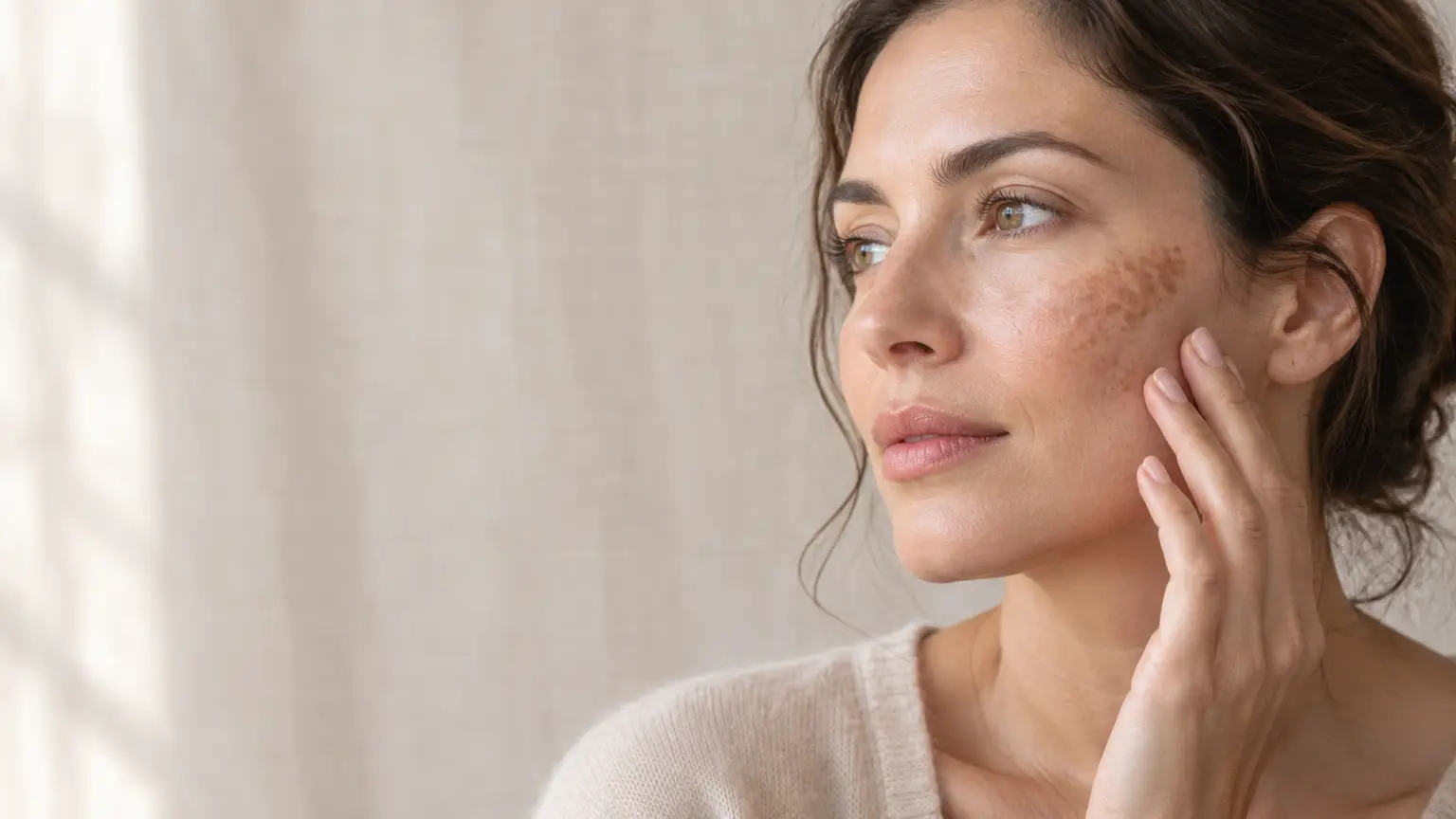
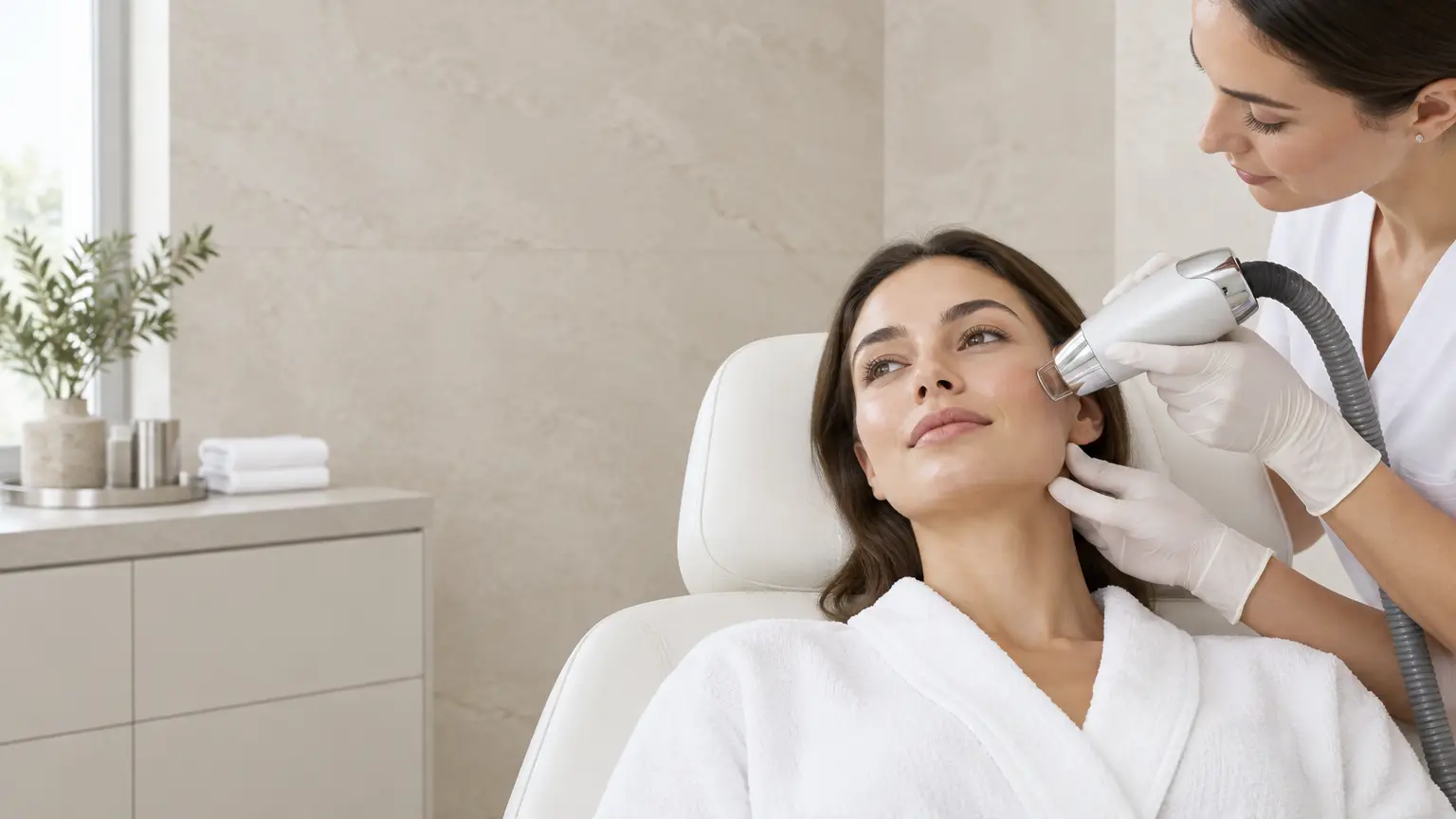
A new facial, hair treatment, or skincare procedure can promise smoother skin, healthier hair, or a refreshed appearance. Beauty trends evolve quickly, and many people enjoy experimenting with products and services that promise visible results.
Despite the appeal, every new treatment carries some risk to hair and skin. Hair strands, scalp tissue, and facial skin react differently to chemicals, tools, and procedures.
A product that works perfectly for one person may trigger irritation, dryness, or breakage for another. Awareness and preparation help reduce those risks. A thoughtful approach before and after a treatment protects both hair health and skin integrity.
Understanding How Hair and Skin React to Treatments
Hair and skin remain sensitive to ingredients, heat, and mechanical stress. Chemical treatments such as hair dyes, relaxers, and exfoliating facials interact with the outer layers of hair and skin. These treatments change texture, remove buildup, or add shine, yet they also alter natural balance.
Hair dyes, for instance, can commonly cause reactions when the skin becomes irritated or allergic to their ingredients. This is especially true if the product includes paraphenylenediamine (PPD), which is commonly used in permanent and some semi-permanent products.
Symptoms can include itching, redness, swelling, a rash, or irritation on the scalp, face, or neck. In rare cases, a severe allergic reaction may cause breathing problems and require emergency medical treatment.
The same goes for skin products, too. They can alter the skin’s barrier, leading to redness, itching, swelling, or dryness. Individual factors also influence how a person responds to beauty procedures. Skin sensitivity, allergies, hormonal changes, and previous damage all play a role.
Can repeated beauty treatments change the natural structure of hair or skin?
Frequent exposure to chemical treatments or intense exfoliation can gradually alter the structure of hair and the skin’s protective barrier. Hair may become more porous and prone to dryness, while skin may lose some of its natural moisture balance. Proper spacing between treatments helps reduce these long-term effects.
Learning About Ingredients and Treatment Methods
Beauty products contain a wide range of ingredients, from gentle plant extracts to powerful chemical compounds. Understanding what goes into a treatment provides valuable insight into how it may affect hair or skin. Ingredients such as formaldehyde derivatives, strong exfoliating acids, and high concentrations of peroxide may require careful handling.
Extra care becomes more important in places where beauty culture strongly shapes daily routines. Little Rock reflects this influence, with a beauty-industry presence that has lasted for decades. L’Oréal’s North Little Rock facility recently marked its 50th anniversary.
This local presence interests more people to try new formulas and treatments. Although most products undergo safety checks, defective items can still reach the market, necessitating legal support. If a product causes burns, allergic reactions, or lasting damage, some people consult a Little Rock personal injury lawyer.
According to the Keith Law Group, attorneys can help with comprehensive case investigation, accurate documentation, and more. However, consumers also need to be aware of products beforehand to avoid such situations.
Consumers trust treatments based on popularity or marketing claims. A closer look at the ingredient list reveals whether a product is suitable for sensitive skin or fragile hair. Awareness of these components helps people choose treatments that align with their personal needs.
Do natural ingredients always mean a product is safer for hair and skin?
Natural ingredients often sound appealing, yet they can still cause irritation or allergic reactions for some individuals. Plant extracts, essential oils, and herbal compounds contain active components that may trigger sensitivity in certain people. Reading labels and understanding ingredient concentrations remains important regardless of whether the formula is natural or synthetic.
Choosing Qualified Professionals and Safe Environments
A reputable salon or skincare clinic plays a major role in preventing treatment-related problems. Skilled professionals understand how different hair textures and skin types respond to products. They assess the condition of the hair and scalp before beginning a service and adjust techniques based on the client’s needs.
Professional training also includes hygiene and product handling standards. Clean tools, properly mixed formulas, and correct timing during chemical services all contribute to safer treatments. When a professional takes time to evaluate hair condition and discuss potential reactions, the likelihood of complications decreases significantly.
The use of formaldehyde-based hair-smoothing products highlights similar issues. The U.S. Food and Drug Administration (FDA) states that these products can release formaldehyde gas when heated.
Breathing in this gas or exposing the eyes and skin to it may cause irritation. This is particularly true in salons that lack proper ventilation. People exposed to it may experience watery eyes, throat or nose irritation, coughing, wheezing, nausea, or skin discomfort. Some users have also complained about cancer development because of exposure.
Protecting Hair and Skin After the Treatment
Post-treatment care determines how well hair and skin recover and maintain results. Many treatments temporarily weaken protective barriers, leaving hair and skin more vulnerable to dryness, sun exposure, and environmental stress. Gentle care during the following days allows the body to restore balance.
Moisturizing products help replenish what treatments may remove. Hair masks, scalp serums, and soothing skincare products provide support while the treated areas stabilize. Excessive heat styling or harsh cleansers can interrupt this recovery process.
Sun protection also deserves attention after certain treatments. Chemical exfoliation and laser procedures often leave skin more sensitive to ultraviolet light. A quality sunscreen protects newly exposed skin layers and reduces the risk of discoloration or irritation. This simple habit supports both short-term healing and long-term skin health.
Patience also plays an important role after trying something new. Hair and skin often need time to adjust before additional treatments are applied. Spacing out services, avoiding unnecessary product layering, and choosing gentle cleansing routines help maintain results without overwhelming sensitive areas.
Recognizing Warning Signs of a Reaction
Hair and skin sometimes communicate distress through visible symptoms. Persistent redness, swelling, itching, or burning sensations may indicate that the body is reacting negatively to a product or treatment. Hair breakage, unusual shedding, or scalp tenderness may also appear after aggressive chemical services.
Recognizing these signals early allows people to respond quickly. Gentle cleansing, soothing products, and avoiding further treatments give hair and skin time to recover.
Severe reactions require professional attention from dermatologists or medical providers who can evaluate the damage and suggest appropriate treatment.
Early intervention often prevents minor irritation from turning into a larger issue. A cautious approach helps maintain both appearance and overall skin health without interrupting beauty routines for extended periods.
Paying attention to subtle changes can also make a difference. Increased sensitivity, dryness, or mild itching shortly after a treatment may signal that the skin or scalp needs extra care. Responding early with calming products and reduced exposure to harsh ingredients can help prevent more serious irritation from developing.
How quickly can a reaction appear after using a new beauty product or treatment?
Reactions can appear within minutes, though some develop hours or even days later. Immediate reactions often include burning, redness, or swelling, while delayed reactions may involve dryness, itching, or small rashes. Monitoring the treated area for several days helps identify issues early before they become more severe.
New beauty treatments offer exciting possibilities for enhancing hair and skin.
Each product and procedure, however, interacts with the body in unique ways. A thoughtful approach that includes patch testing, ingredient awareness, professional guidance, and proper aftercare reduces the chances of irritation or damage.
Hair and skin thrive when people take time to understand their needs. Careful choices allow individuals to experiment with new treatments while preserving the health and strength of their hair and skin. A balanced approach ensures that beauty routines continue to deliver positive results without compromising long-term well-being.