Healthy hair is hair whose shaft remains strong, flexible, and smooth while the scalp supports steady follicle growth.
Hair follicles are living structures that respond to hormones, nutrition, environmental exposure, and daily habits.
A typical scalp contains around 100,000 hair follicles, and losing 50 to 150 hairs per day can still fall within the normal biological cycle.
Hair health, therefore, depends on more than cosmetic care. It reflects how well your follicles function and how well your body provides the nutrients needed to build hair proteins.
Many people focus entirely on hair products while ignoring the environmental and biological factors that influence growth.
In reality, healthy hair results from the interaction between environment, diet, and lifestyle habits.
Understanding these factors allows people to create routines that protect hair structure and support long-term growth.
What Determines Healthy Hair?
Healthy hair is determined by follicle strength, scalp condition, nutrient availability, hormonal balance, and environmental exposure.
These elements work together to influence how hair grows, how strong it becomes, and how resistant it is to damage.
Hair follicles produce keratin fibers that form the hair shaft.
If follicles receive adequate nutrients and blood circulation, the hair that emerges tends to be stronger and more resilient.
Scalp health also plays a crucial role.
An irritated or inflamed scalp can disrupt follicle activity and weaken new hair growth.
Hair products and treatments also require quality manufacturing standards to remain safe and effective.
Many brands rely on a third-party inspection company to verify that cosmetic and personal care products meet quality and safety expectations before reaching consumers.
The main factors influencing hair health include:
- Hair follicle strength: Strong follicles produce thicker and more durable hair fibers.
- Scalp condition: A balanced scalp environment allows follicles to grow hair efficiently.
- Nutrient supply: Vitamins, minerals, and proteins provide the raw materials for hair growth.
- Hormonal balance: Hormones influence hair density and growth cycles.
- Environmental exposure: Pollution, sunlight, and humidity affect hair integrity.
How Does the Hair Growth Cycle Affect Hair Health?
The hair growth cycle is the biological process through which follicles grow, rest, and shed hair.
This cycle determines hair thickness, density, and overall appearance.
Healthy hair growth depends on follicles remaining in the active growth stage long enough to produce strong strands.
Disruptions in this cycle can lead to increased shedding or slower regrowth.
Stress, illness, hormonal changes, and nutritional deficiencies can shorten the growth phase and push more hairs into the shedding stage.
The hair growth cycle consists of four stages:
- Anagen phase: The active growth stage, where hair grows continuously for several years.
- Catagen phase: A brief transition stage where the follicle begins shrinking.
- Telogen phase: A resting phase during which the hair stops growing.
- Exogen phase: The shedding stage, when the old hair falls out, and a new one begins growing.
How Does the Environment Affect Hair Health?
The environment influences hair by altering scalp balance, damaging the hair cuticle, and weakening protein structures within the hair fiber.
Environmental conditions such as air pollution, sunlight exposure, and water quality can significantly influence hair health. Environmental awareness and responsible resource management also play a role in maintaining healthier living environments, which is why industries like energy production continue to evolve toward more sustainable practices, including developments in oil and gas production that aim to reduce environmental impact.
Hair fibers contain keratin proteins that can degrade when exposed to environmental stress.
Meanwhile, the scalp can react to pollutants and mineral buildup from water.
Over time, these exposures may lead to dryness, brittleness, and breakage.
Key environmental factors affecting hair include:
- UV radiation: Sunlight weakens hair proteins and fades pigment.
- Humidity: High humidity can cause hair strands to swell and frizz.
- Air pollution: Pollutants can accumulate on the scalp and damage hair fibers.
- Water quality: Hard water minerals can leave hair rough and dull.
- Seasonal weather: Wind, heat, and cold temperatures alter moisture balance.
How Does UV Radiation Damage Hair?
UV radiation damages hair by degrading keratin proteins and weakening the protective outer cuticle.
The cuticle acts as the outer shield of the hair fiber and protects the inner cortex.
When this layer becomes damaged, hair becomes rougher and more prone to breakage.
Prolonged sun exposure may also fade natural or dyed hair color because ultraviolet radiation destabilizes pigment molecules.
As the cuticle weakens, hair loses moisture and elasticity.
This leads to dryness, split ends, and reduced flexibility.
How Does Air Pollution Affect the Scalp and Hair Follicles?
Air pollution affects the scalp and hair follicles by increasing oxidative stress and leaving particulate matter on hair strands.
Tiny particles in polluted air can attach to sebum and sweat on the scalp.
Over time, this buildup may irritate the scalp and weaken hair fibers.
Pollution-related oxidative stress can also interfere with normal follicle function.
Although pollution alone does not guarantee hair loss, it can make hair more vulnerable to damage and dryness.
How Does Diet Influence Hair Growth and Strength?
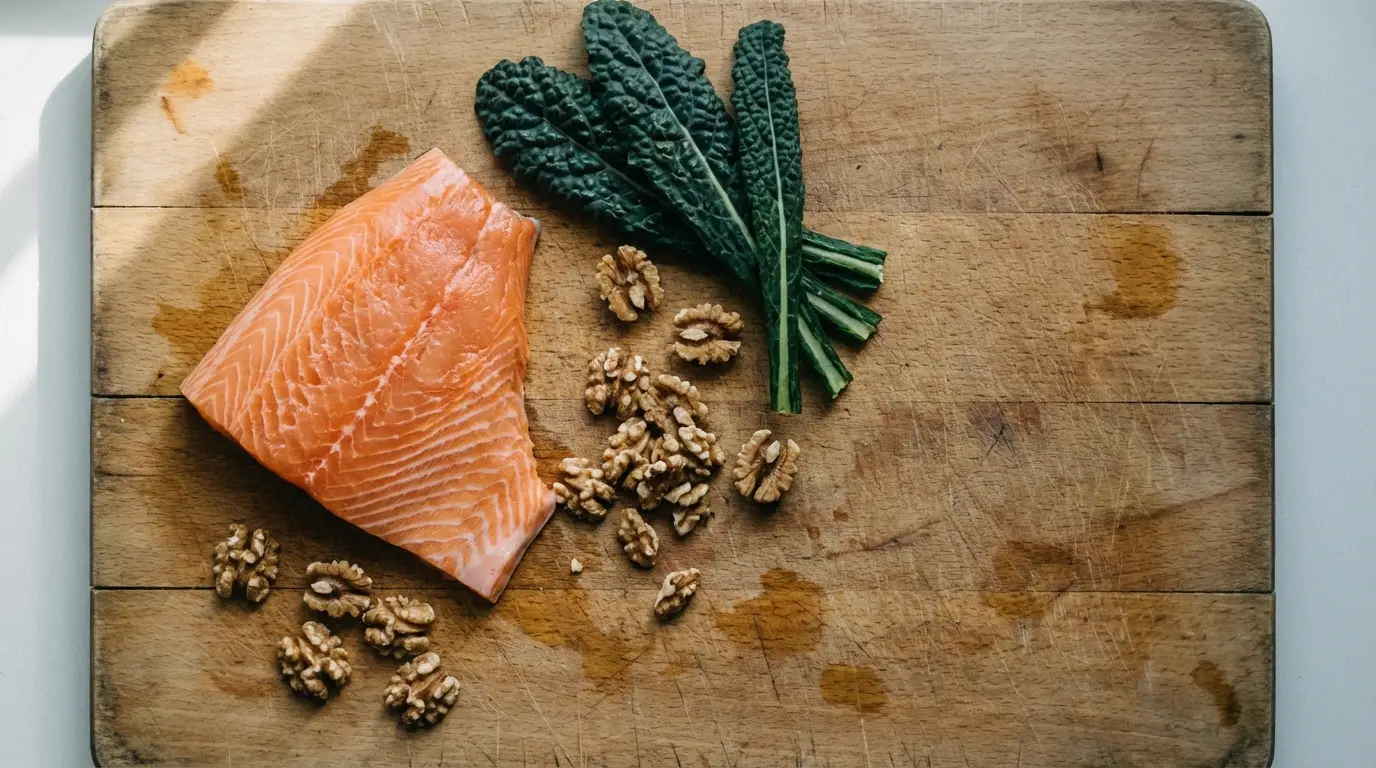
Diet influences hair growth because hair is primarily made of protein and requires nutrients to form strong keratin fibers.
If the body lacks essential nutrients, hair growth often slows or weakens.
Hair follicles require a steady supply of vitamins and minerals to maintain their activity.
Protein deficiency, iron deficiency, or low zinc levels can lead to increased shedding.
Dermatology research consistently highlights the importance of balanced nutrition for maintaining hair density and strength.
Important nutrients for hair health include:
- Protein: Keratin production depends on adequate protein intake.
- Iron: Iron supports oxygen delivery to hair follicles.
- Biotin: Biotin helps regulate cellular processes involved in hair growth.
- Vitamin D: Vitamin D influences follicle cycling.
- Zinc: Zinc supports tissue repair and follicle function.
- Omega-3 fatty acids: These fats help support scalp health.
Which Foods Support Stronger Hair Growth?
Foods that support hair growth are those rich in protein, healthy fats, and essential micronutrients.
Consistent intake of these foods helps supply follicles with the nutrients required for healthy hair production.
Protein-rich foods provide the amino acids needed for keratin synthesis.
Meanwhile, vegetables and seeds supply minerals that support follicle activity.
Common foods associated with healthier hair include:
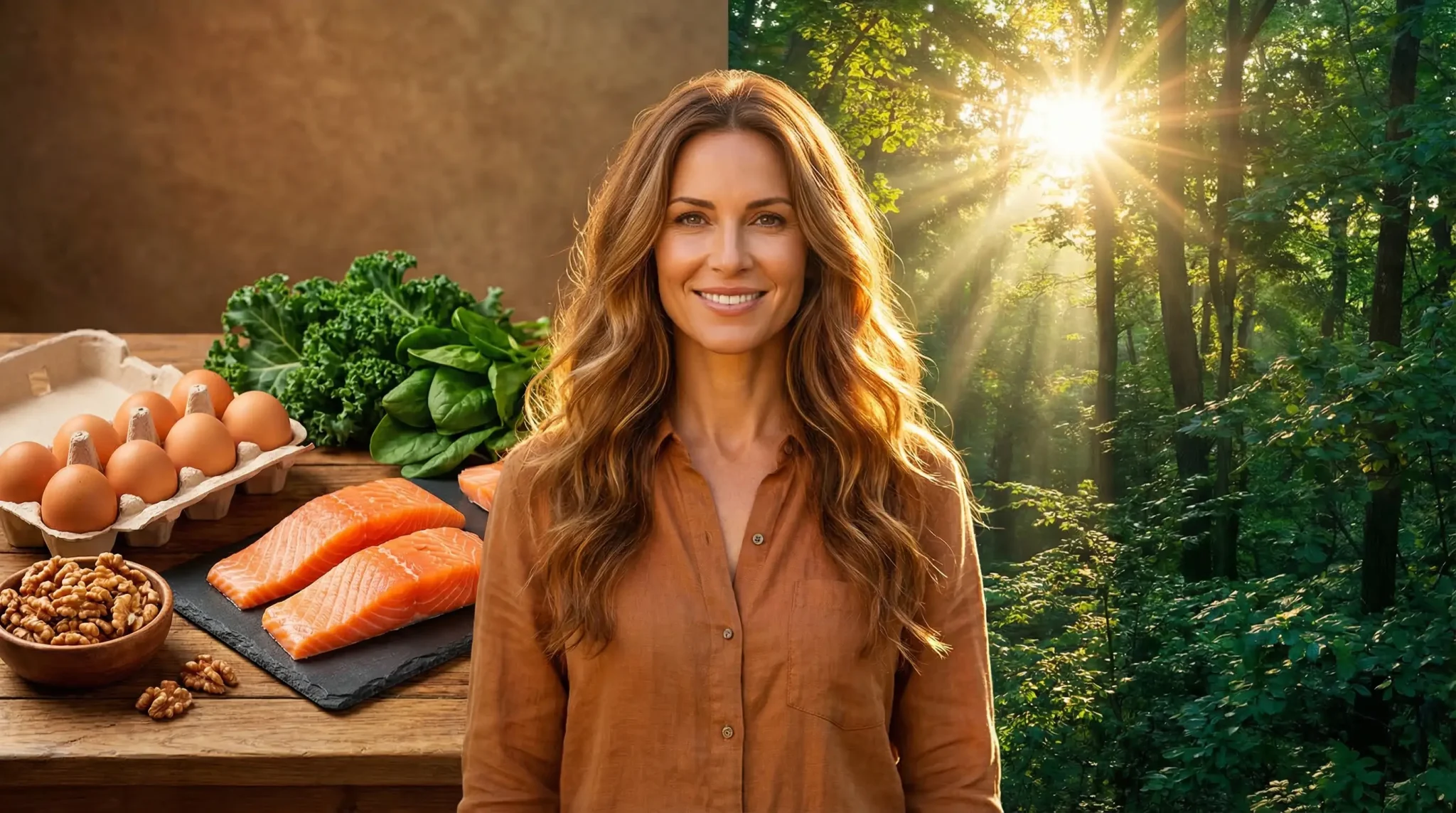
- Eggs: Rich in protein and biotin.
- Fatty fish: Provide omega-3 fatty acids and protein.
- Leafy greens: Supply iron and folate.
- Nuts and seeds: Provide zinc and healthy fats.
- Legumes: Offer plant-based protein and iron.
- Whole grains: Supply B vitamins and energy.
In wellness spaces that prepare nutrition-focused drinks or smoothies, equipment such as commercial blenders can help quickly and consistently process nutrient-rich ingredients.
How Do Lifestyle Habits Impact Hair Condition?
Lifestyle habits affect hair condition by influencing hormone balance, circulation, and the physical stress placed on hair strands.
Sleep, stress levels, and styling routines all affect how hair grows and behaves.
Hair responds to daily mechanical stress such as brushing, heat styling, and tight hairstyles.
Repeated exposure to high temperatures or strong tension can gradually weaken the hair shaft.
Lifestyle choices also influence hormone levels that regulate hair growth cycles.
Key lifestyle factors include:
- Sleep quality: Sleep supports hormone regulation and tissue repair.
- Stress management: Chronic stress can disrupt hair growth cycles.
- Exercise: Physical activity improves scalp circulation.
- Hydration: Proper hydration supports overall tissue health.
- Hair styling practices: Heat tools and tight hairstyles can damage hair fibers.
How Does Stress Contribute to Hair Loss?
Stress contributes to hair loss by pushing hair follicles prematurely into the resting phase of the growth cycle.
This condition is known as telogen effluvium.
When stress hormones remain elevated, follicles may temporarily stop growing hair.
Several months later, increased shedding can occur as the resting hairs fall out.
Once stress levels stabilize, the hair cycle usually returns to normal.
However, regrowth may take several months because hair follicles require time to reenter the growth phase.
Does Sleep Affect Hair Growth?
Sleep affects hair growth because sleep regulates hormones involved in tissue repair and recovery.
During sleep, the body repairs cells and balances hormones that influence follicle activity.
Chronic sleep deprivation may increase stress hormones, disrupting hair growth cycles.
While sleep alone does not determine hair density, consistent rest supports overall hair health.
What Are the Advantages of Maintaining Healthy Hair Through Lifestyle Changes?
Lifestyle-based hair care provides several long-term benefits.
Healthy habits strengthen hair, reduce breakage, support hair growth cycles, enhance scalp health, and improve appearance.
There are five main advantages:
- Improve hair strength: Stronger strands resist damage from brushing and styling.
- Reduce breakage: Proper care prevents split ends and fragile hair fibers.
- Support natural growth cycles: Balanced health allows follicles to stay active longer.
- Enhance scalp condition: A healthy scalp environment reduces irritation and buildup.
- Boost confidence: Healthy hair often improves personal appearance and self-esteem.
What Common Habits Damage Hair Health?
Several common habits weaken hair fibers and disrupt follicle function.
These habits often involve excessive styling, poor nutrition, or harsh chemical treatments.
Hair damage rarely occurs suddenly.
Instead, it builds gradually as repeated stress weakens the hair shaft.
Five common damaging habits include:
- Excessive heat styling: High temperatures degrade keratin proteins.
- Poor nutrition: Lack of nutrients can weaken hair growth.
- Harsh chemical treatments, such as bleaching and relaxers, can damage the cuticle.
- Overwashing: Frequent washing may strip natural oils.
- Tight hairstyles: Constant tension can damage hair follicles.
How to Build a Lifestyle Routine That Supports Healthy Hair
Building a hair-supportive lifestyle involves improving nutrition, protecting hair from environmental damage, and reducing mechanical stress on strands.
Five practical steps can help maintain healthier hair:
- Improve nutritional intake by consuming protein-rich foods and essential vitamins.
- Protect hair from environmental exposure using protective styles or hats in strong sunlight.
- Maintain proper scalp hygiene by washing hair appropriately for your scalp type.
- Reduce heat and chemical damage by limiting high-temperature styling and aggressive treatments.
- Adopt healthier lifestyle habits such as better sleep, hydration, and stress management.
Conclusion
Healthy hair results from the interaction between biology, environment, and daily habits.
Hair follicles require nutrients, a balanced scalp, and protection from environmental stress to function effectively.
Focusing only on cosmetic treatments often overlooks the deeper causes of hair damage.
A balanced diet, protective habits, and mindful lifestyle choices help maintain strong hair fibers and steady growth.
When these factors work together, healthy hair becomes easier to maintain over time.