“I have oily skin, so oils aren’t for me.” It’s one of the most backwards pieces of skincare logic floating around – the people who avoid facial oils are often exactly who’d see the fastest results from them. Meanwhile, the ones actually using oils are frequently doing it in a way that doesn’t work and then writing the whole category off.
Let’s sort this out properly.
Your Moisturiser and Your Facial Oil Aren’t Competing
They’re not even doing similar things. Your moisturiser is essentially water management – humectants like hyaluronic acid drag water into skin, emollients soften the texture at the surface, occlusives slow down how fast that water disappears. Fine system. Depends entirely on having water present to do anything with.
Oils don’t touch any of that. What they’re actually doing is working on the lipid barrier – that’s the outermost layer of skin built from fatty acids, ceramides, and cholesterol. When it’s healthy the skin holds onto moisture naturally, doesn’t flip out at every product change, and generally looks like itself. When it’s compromised? Water leaves faster than moisturiser can replace it. You apply things, they absorb, tight feeling returns within the hour, repeat forever.
An oil steps in at the structural level. It fills the gaps in that barrier layer, reinforces how the cells sit together, and makes the whole system more watertight. That’s why something like natural oil for glowing skin isn’t just adding surface shine – it’s changing how well your skin actually holds onto hydration between applications. The kind of glow that comes from a functioning barrier looks different from anything you can apply on top of skin that’s still struggling underneath.
Quick tip: if your moisturiser sinks in fast but skin feels tight again within an hour, that’s a barrier issue, not a hydration issue. Throwing more moisturiser at it won’t fix what an oil addresses.
Oily Skin, Meet Your Irony
When skin barrier function drops – stripping cleansers, over-exfoliation, actives used too aggressively – sebaceous glands pick up the slack. They read the situation as damaged and dry, and they respond the way they know how: more oil. It’s a compensatory response. This is why the people who wash their face four times a day and use strong toners are often the ones with the worst congestion and shine.
Using the right oil can actually quiet that overproduction down. Skin reads the barrier as intact, panics less, and starts regulating more normally. The qualifier “right oil” is doing a lot of work in that sentence though. Jojoba, squalane, rosehip – these are lighter and broadly well-tolerated across most skin types, oily included. Coconut oil on an already oily face is a different conversation. Save that for body use or leave it alone if you’re prone to congestion.
Layering It Without Making a Mess
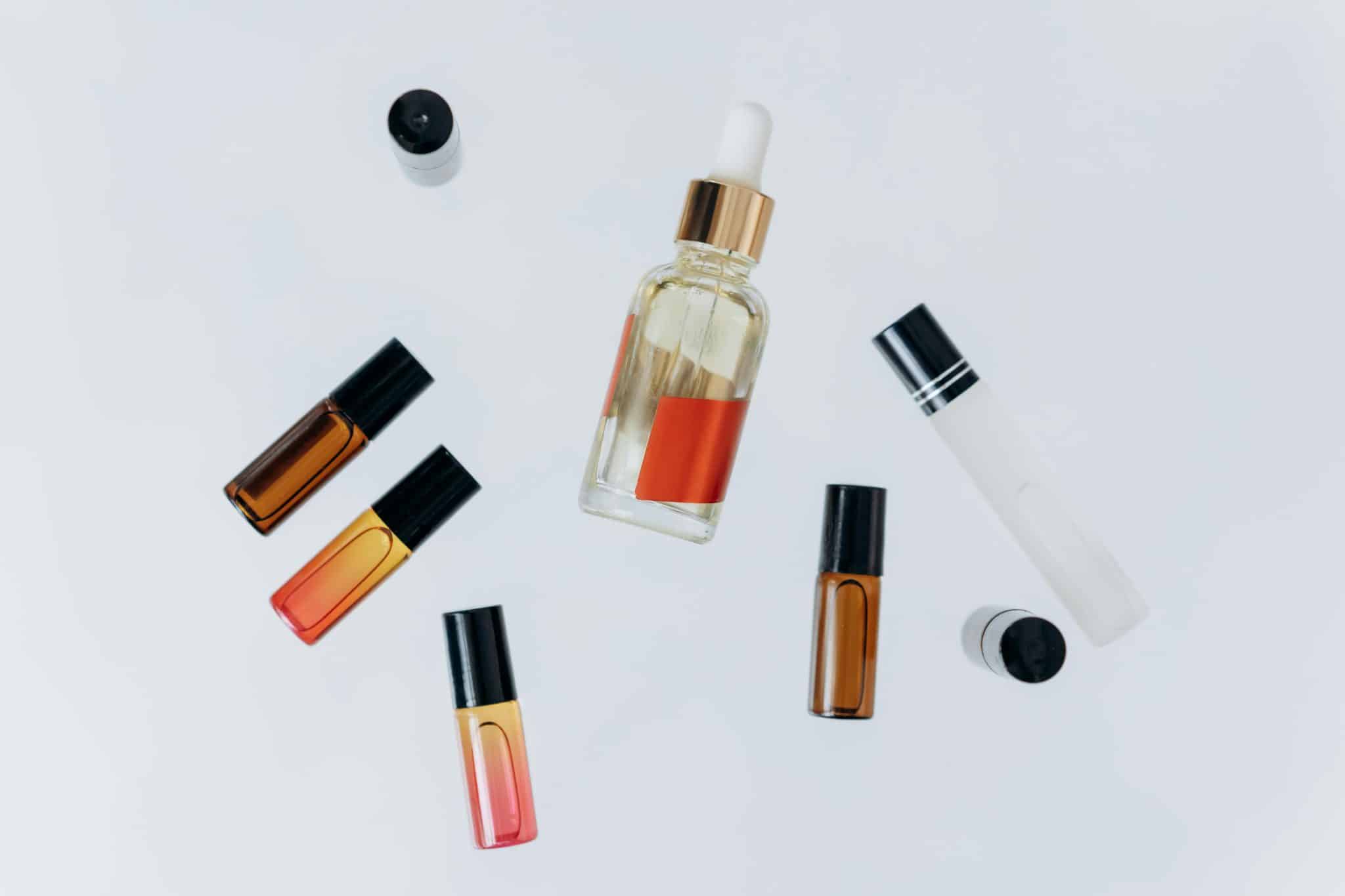
After water-based products, before anything heavy. That’s the sequencing rule and it’s pretty consistent across skin types. Apply your serum first while skin’s still slightly damp, oil next, then a richer moisturiser on top if that’s in your routine. The oil sits between those layers and actually helps everything bind rather than sliding around on top of each other.
Nighttime is genuinely when oils do their best work. Skin repair ramps up in the hours after midnight and a reinforced barrier during that window shows up on your face by morning in a way that’s hard to replicate otherwise. Warm a few drops between your palms first. Press into the skin rather than rubbing – you get more even absorption and you’re not pushing around whatever you layered underneath.
Mornings work too but keep quantities minimal if you’re going under SPF or makeup. One drop, maybe two. Past that and you’re asking for pilling.
Reading the Label Without a Chemistry Degree
Two fatty acids worth knowing. Linoleic acid – shows up in rosehip, evening primrose, sea buckthorn – suits oilier, acne-prone, and combination skin. It supports barrier repair, processes quickly, and doesn’t sit heavy. Oleic acid is richer, found more in argan and marula, and works better for drier or more mature skin that needs something more substantial.
Cold-pressed and unrefined versions generally hold onto more of their naturally occurring compounds than heat-treated alternatives – worth looking for on the label.
One thing that gets overlooked: fragrance and essential oils sitting high up in the ingredient list. Both can cause reactions on sensitive skin regardless of how botanical or “clean” the product presents itself. Something to check before buying rather than after your face tells you.
A good facial oil isn’t a luxury extra or something you layer on hoping for the best. When your barrier works properly, the rest of your routine works properly too – products absorb better, skin stays calmer, and you get that consistent, quiet glow that genuinely does look different from anything you can achieve on top of compromised skin. That’s the actual case for oils. Not complicated, just frequently missed.