Winter activities demand more than enthusiasm. Whether the day involves snow removal, trail maintenance, outdoor event setup, or long stretches in cold, exposed conditions, performance depends on preparation. Cold air, wet surfaces, reduced traction, and prolonged outdoor exposure can wear people down quickly, even during routine tasks. For readers comparing the best insulated work boots, the more useful question is how the right gear supports steady movement, warmth, and comfort during winter activities.
The answer is practical. Winter gear should help people stay dry, stable, and mobile. It should reduce distraction, conserve energy, and support safer footing in snow, slush, and icy conditions. When the right gear is chosen for the environment, winter activities become more manageable and more productive.
Why Winter Activities Require Better Gear
Cold weather affects the body in ways that directly influence performance. The Canadian Centre for Occupational Health and Safety notes that cold exposure can reduce mental alertness, finger dexterity, and work efficiency. Those effects matter during winter activities that require grip, balance, coordination, and steady movement outdoors.
That is why winter clothing and footwear should be treated as functional equipment rather than seasonal extras. A heavy coat alone does not solve the problem if socks stay damp, if boots lose grip on frozen surfaces, or if bulky layers limit movement. For anyone spending time outdoors in winter, gear should support the activity rather than interfere with it.
The Role of Insulated Work Boots in Winter Performance
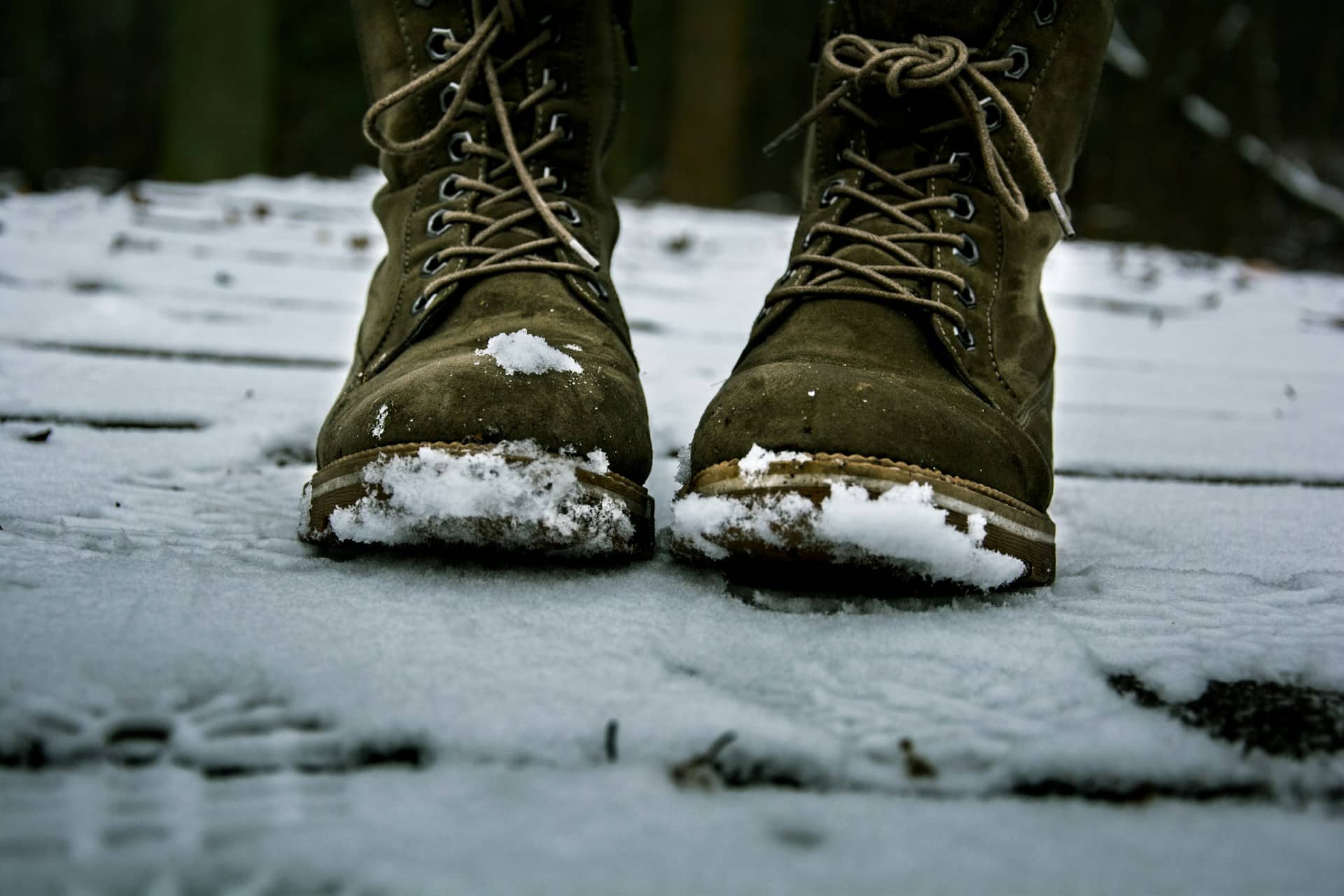
Insulated work boots can make a meaningful difference during winter activities because they address three common challenges at once: cold exposure, moisture, and unstable footing. When temperatures drop and surfaces become unpredictable, footwear becomes one of the most important parts of the system.
A good winter boot should help maintain warmth without causing overheating. It should also provide weather protection that keeps slush, snow, and melt from soaking through during extended wear. Just as important, it should offer dependable traction on frozen ground, packed snow, and wet pavement.
The National Institute for Occupational Safety and Health recommends protecting the feet in cold environments with insulated footwear that is appropriate for the conditions. In practical terms, that means warmth, weather resistance, and tread should be evaluated together rather than individually.
What Matters Most in Boot Selection
Not every winter boot performs well in every setting. The strongest options usually balance insulation, weather resistance, support, and traction.
Insulation That Matches Activity Level
Someone shoveling snow, walking property lines, or performing other active outdoor tasks may not need the same level of insulation as someone standing for longer periods in cold conditions. Too much insulation can trap heat and moisture during high-output activity, leaving feet damp and colder later.
Water Resistance or Waterproof Construction
Winter activities often involve more moisture than expected. Snow turns to slush, surfaces melt underfoot, and wet socks quickly reduce comfort. Boots with reliable water resistance or waterproofing are often better suited for long outdoor use.
Reliable Outsole Grip
Traction matters in nearly every winter setting. Sidewalks, parking lots, equipment areas, paths, steps, and work zones can all become slippery with very little warning. OSHA winter weather guidance highlights the risk of slips and falls on snow- and ice-covered surfaces, which makes outsole design an important part of winter footwear selection.
Supportive Fit
Winter boots should feel secure without becoming restrictive. A fit that is too tight may reduce comfort and make feet feel colder. A fit that is too loose can lead to rubbing, instability, and fatigue. The ideal fit leaves room for winter socks while still supporting confident movement.
Winter Productivity Depends on the Full Gear System
Footwear is essential, but winter comfort and performance usually come from the full gear combination. Each layer has a job, and each piece should support the others.
Base Layers That Manage Moisture
The first layer should help move sweat away from the skin. This matters during winter activities because people often shift between movement and rest. If moisture stays trapped, warmth becomes harder to maintain.
Mid-Layers That Add Practical Warmth
A good mid-layer helps hold warmth without creating too much bulk. It should allow bending, walking, lifting, and other normal movements without restricting the body.
Outer Layers That Block Wind and Wet Conditions
Wind and moisture can undo the benefits of everything underneath. The National Weather Service warns that wind can accelerate heat loss and increase the risk of cold-related illness, which is why a protective outer layer plays such an important role in winter comfort.
Accessories That Protect the Extremities
Gloves, hats, and other cold-weather accessories are often overlooked until discomfort becomes distracting. During winter activities, exposed hands and ears can quickly reduce focus. These smaller items help complete the overall system.
Common Gear Mistakes During Winter Activities
Many winter problems come from gear choices that seem minor at first but become frustrating over time.
Choosing Heavy Gear That Limits Movement
Bulky gear can seem like the safest option, but it can slow movement and make it more tiring. For outdoor tasks that involve walking, bending, lifting, or repeated motion, mobility matters just as much as warmth.
Ignoring Moisture Buildup
A person can start the day warm and still end up cold if layers or socks become damp. That is one reason breathable materials and spare dry items are often more useful than simply adding more thickness.
Underestimating Surface Conditions
Winter activities often involve changing terrain. Packed snow, loose snow, wet pavement, and icy patches can all appear within a short distance. The CDC winter weather safety guidance emphasizes planning for these hazards, especially in areas where footing and exposure can change quickly.
Wearing the Wrong Socks
Socks play a larger role than many buyers expect. Thick socks in a tight boot can create pressure and discomfort. Thin socks in a poorly insulated boot may not provide enough protection. The best choice supports warmth, moisture control, and fit simultaneously.
Matching Gear to the Type of Winter Activity
The most effective winter setup depends on what the day actually involves.
For active outdoor participation such as walking, clearing snow, setting up outdoor equipment, or handling physically demanding winter tasks, lighter insulated footwear with dependable grip may support better mobility and less fatigue.
For lower-movement activities, stronger insulation and greater weather protection may be more important, as the body generates less heat while standing still.
For stop-and-start winter routines, the best gear often balances warmth with breathability. Too much insulation can become uncomfortable during movement, while too little can feel inadequate during breaks or prolonged exposure.
This is where expert recommendations are useful. The smarter approach is to match gear to activity level, moisture exposure, footing conditions, and duration outdoors rather than selecting winter gear based on appearance alone.
What Smart Buyers Should Look For
For readers comparing options, the most useful buying criteria are practical:
- Insulation suited to the actual temperature and activity
- Water resistance or waterproof construction for snow and slush
- Outsoles built for winter traction
- Support that stays comfortable during extended wear
- Fit that works well with winter socks
- Durability for repeated cold-weather use
These factors do more to support winter participation than vague claims or overbuilt designs that do not match the task.
Conclusion
Participating in winter activities becomes much easier when gear works with the environment instead of against it. Cold, wet conditions, and unstable footing can drain energy and slow performance, but the right setup helps reduce these problems before they start.
For anyone evaluating insulated work boots for winter use, the strongest choice is usually the one that matches the activity, supports reliable traction, manages moisture, and stays comfortable for hours outdoors. In harsh winter conditions, the right gear does not just improve comfort. It helps people stay active, capable, and productive through the season.