When you choose a new hair color, you should think about more than just how it looks in a picture. In a salon, professionals think about a lot of things to get a look that looks natural, balanced, and flattering in real life.
Choosing the right hair color is like playing a GameZone Tongits Tournament: you have to think carefully about every choice you make. Skin tone is one of the most important things to think about. When the hair color goes well with the skin instead of fighting with it, the whole look comes together better and looks more natural.
This salon-style guide explains how skin tone, undertone, and hair color work together. It helps you understand how stylists pick colors that bring out your natural beauty while keeping the look soft and easy to wear.
Understanding Skin Tone and Undertone
It’s important to know the difference between skin tone and undertone before picking a hair color.
Skin tone is the color of your skin on the surface, whether it’s light, medium, or dark. But undertone is the color that lies beneath your skin and doesn’t change when you tan or lighten.
There are three main tones:
- Warm undertones: hints of gold, yellow, or peach
- Cool undertones: Hints of pink, red, or blue.
- Neutral undertones: a mix of warm and cool tones
Stylists in salons often look at both skin tone and undertone together because this combination affects how well a hair color will look.
Best Hair Colors for Warm Skin Tones
Colors that bring out golden and sun-kissed undertones go well with warm skin tones. These colors give your skin a soft glow and keep it from looking dull.
Some good colors to use are:
- Honey blonde
- Golden brown
- Copper
- Caramel
- Warm chestnut
These colors bounce warmth back into the skin, making it look naturally glowing. When stylists talk to clients in the salon, they usually stay away from very ashy or cool tones for warm skin because they can make the skin look a little washed out.
Adding highlights in caramel or soft copper can give your hair more depth and movement.
Best Hair Colors for Cool Skin Tones
Shades with blue, violet, or ash-based pigments look best with cool undertones. These colors help even out the redness in the skin and give it a clean, classy look.
Shades that are recommended are:
- Ash brown
- Cool black
- Platinum blonde
- Icy blonde
- Espresso brown
These colors are different from each other, but they still look classy. Stylists often say to stay away from very warm colors like strong copper or golden blonde because they can clash with cool undertones and make the skin look uneven.
Ash balayage or cool-toned highlights are common salon coloring techniques that help keep hair soft without making the skin look too harsh.
Best Hair Colors for Neutral Skin Tones
Neutral undertones are the most versatile because they can hold both warm and cool colors well. This gives stylists more freedom to be creative when they choose a color.
Some good colors to use are:
- Mocha brown
- Soft beige blonde
- Mushroom blonde
- Natural black with soft undertones
- Balance chocolate tones
People with neutral skin tones can try out soft warmth or subtle contrast, depending on their own style. Many salon professionals say that to keep the natural balance of the face, you should pick a base color and then add subtle highlights.
Why Hair Texture Also Matters
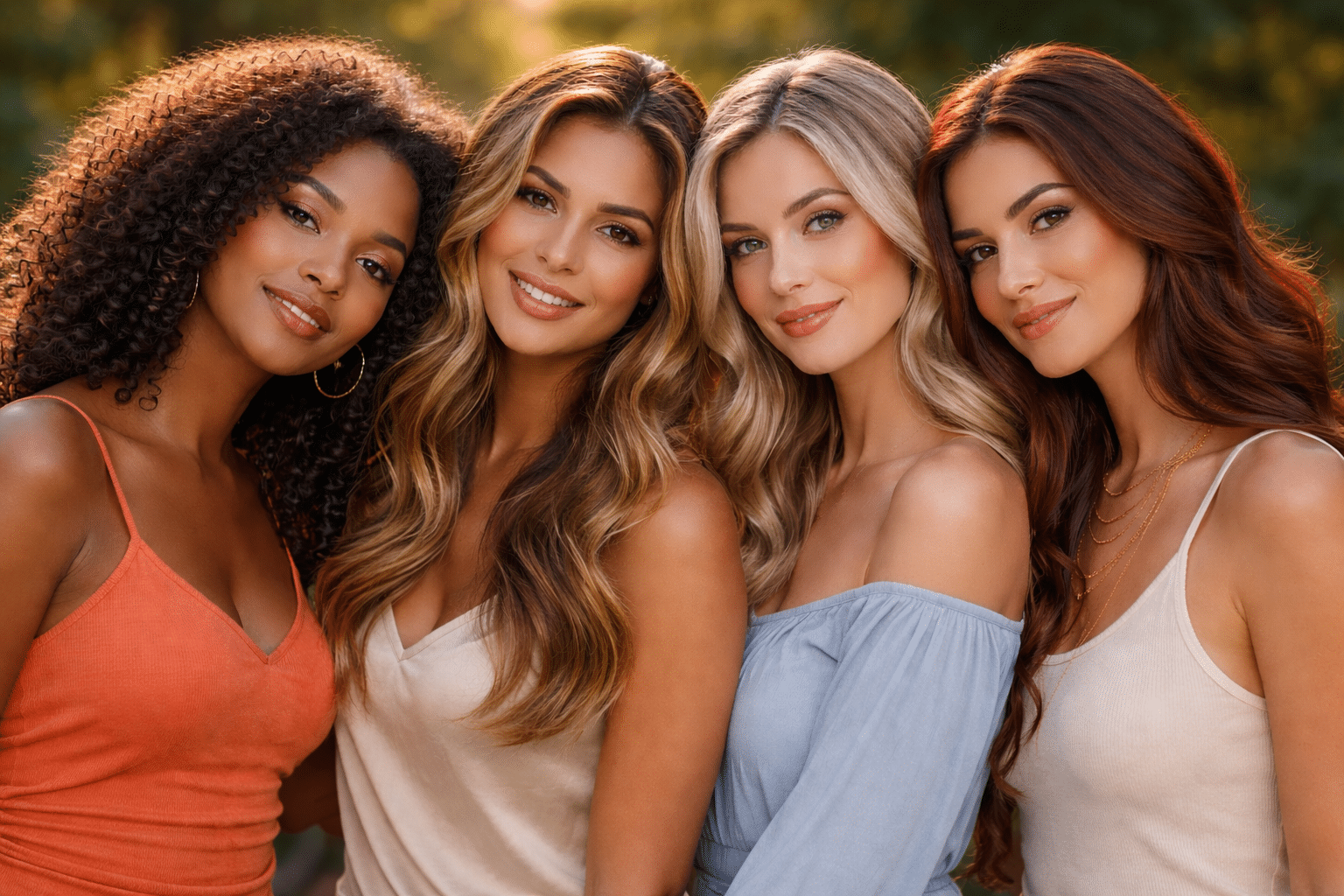
The color of your hair can also change how it looks, but skin tone is the most important factor. For instance, light reflects off of curly or wavy hair in a different way than it does off of straight hair. This means that the same color can look a little lighter or darker depending on how much curl and volume it has.
To make sure that the color is even and the curls stay defined, stylists often change the formulas for textured hair. For example, lighter colors may need extra hydration treatments to keep them from getting dry and keep their bounce.
The Salon Consultation Approach
In a professional salon, you never have to rush to pick the right hair color. A stylist usually thinks about:
- Color and undertone of the skin
- Natural hair color
- Condition and porosity of hair
- Lifestyle and how you like to take care of things
This process of getting feedback from others helps make sure that the end result looks good and lasts. A color that goes well with your hair should grow out nicely and be easy to keep up between appointments.
Maintaining a Balanced, Natural Look
After coloring, it’s important to take care of your hair to keep its color and health.
Shampoos that add moisture, conditioners that don’t change the color, and regular deep treatments all help keep colors bright. It is also important to protect your hair from heat, especially if it has been lightened or treated with chemicals.
Stylist often suggest washing your hair less often and using cool water to help the color last longer. This makes sure that the color stays balanced and fresh over time.
Final Thoughts
It’s not about following strict rules when you match your hair color to your skin tone. It’s about making things work together.
When done right, the result brings out your natural beauty instead of hiding it. A salon-guided approach looks at undertones, texture, and personal style to make sure that every color choice feels planned and flattering.
The most important thing is to pick a color that goes well with your natural look, whether you like warm golden tones, cool ash shades, or neutrals that go with everything.