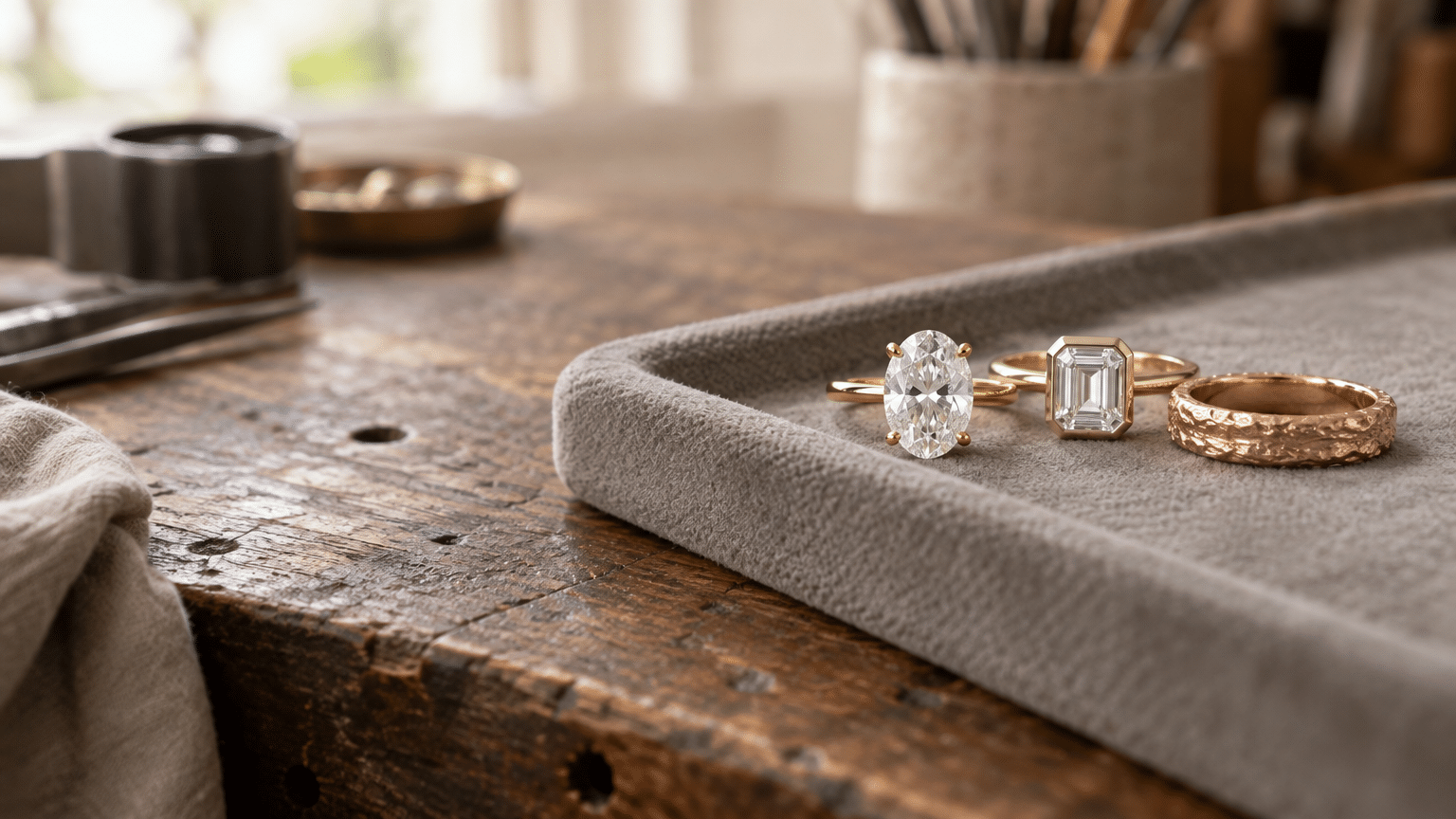
Jewellery often carries far more than sentimental value, and there comes a point for many people when unlocking the financial value stored in a piece makes more sense than keeping it in a drawer.
Whether you have inherited a diamond ring, upgraded your watch collection, or simply no longer wear a designer necklace you once treasured, knowing how to sell jewellery correctly determines how much money you actually walk away with.
Why Where You Sell Matters as Much as What You Are Selling
The resale market for fine jewellery is not one-size-fits-all, and different buyers value pieces through completely different lenses.
A high-street gold dealer may assess your Cartier bracelet purely by its metal weight, while a specialist luxury jeweller with deep knowledge of the secondary market will recognise the brand premium, the craftsmanship, and the collector demand that drive the true resale price significantly higher.
Choosing the right buyer from the outset is the single most important decision you make in the entire process. Sellers who approach specialist buyers with genuine expertise in luxury jewellery consistently receive stronger offers than those who settle for the first quote they receive from a generalist.
Understanding What Your Jewellery Is Actually Worth
Before approaching any buyer, it helps to understand the difference between the types of valuation that exist, because the figures can vary significantly depending on the purpose.
An insurance valuation, which reflects what it would cost to replace a piece at retail, is almost always much higher than a resale valuation, which reflects the realistic price a piece can achieve on the secondary market based on current demand, material value, and brand desirability.
When specialist buyers like those at Suttons and Robertsons, who we buy jewellery for cash with over 250 years of market experience, assess a piece, they are working from resale and auction-based valuations rather than retail replacement figures.
Understanding this distinction upfront prevents the disappointment that comes from expecting an insurance value when a resale value is what any buyer will actually offer.
The Factors That Drive Jewellery Resale Value
Brand is one of the most powerful value drivers in the luxury jewellery resale market. Pieces from houses such as Cartier, Tiffany and Co., Van Cleef and Arpels, Bvlgari, Chopard, Graff, and Chanel consistently command premiums that generic fine jewellery simply cannot achieve, because their names carry collector recognition, proven secondary market demand, and an intrinsic status that buyers are willing to pay for.
Beyond brand, the material composition of a piece plays a fundamental role in its valuation. Gold hallmarks certifying purity from 9 to 24 carats, platinum content, and the quality and certification of any set diamonds all feed directly into the offer a specialist buyer will make.
How Condition and Documentation Affect Your Offer
The condition of a piece has a direct and measurable impact on the offer you receive, and sellers who maintain their jewellery well are consistently rewarded at the point of sale.
Significant scratches, dents, worn settings, or broken clasps reduce the resale value, although pieces made of precious metal retain some value even in poor condition because the material itself can be valued by weight.
Original certificates, boxes, receipts, and any accompanying documentation add meaningful value to a sale by confirming provenance and authenticity for the buyer.
Sellers who have misplaced their paperwork should not be discouraged, as experienced specialist buyers can still make an offer, but having documentation consistently produces higher valuations and stronger sale prices.
Diamonds: Why Certification Changes Everything
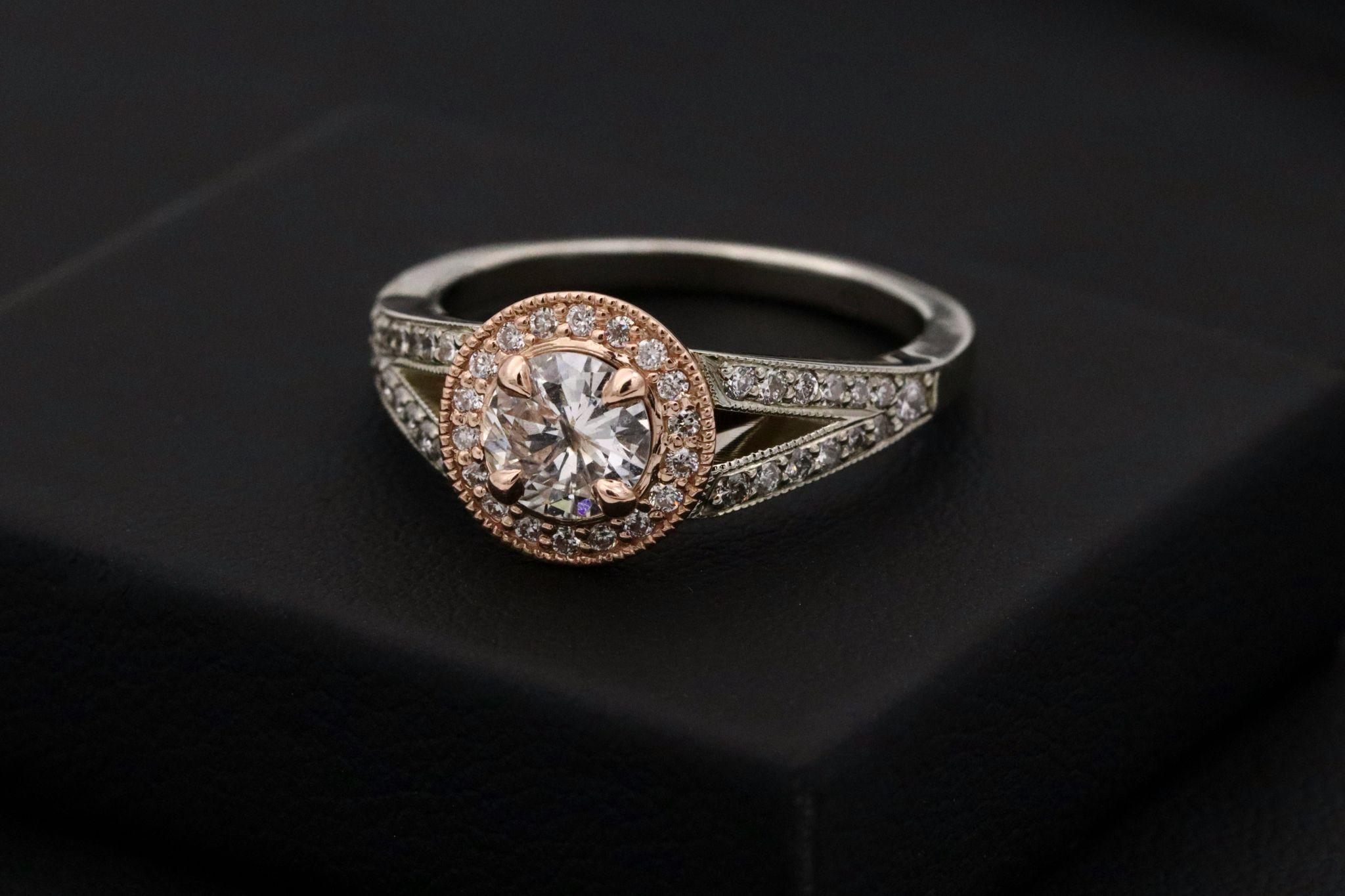
Diamonds are assessed across four universally recognised criteria known as the four Cs, covering colour, clarity, cut, and carat weight, and each of these factors contributes to the final valuation independently.
A diamond of exceptional colour and clarity in a well-executed cut will achieve a dramatically different resale price than a stone of equivalent carat weight that scores poorly across the other three measures.
The fifth factor that specialist buyers actively welcome is a laboratory certificate from a recognised grading body such as the GIA, HRD, or Anchorcert.
A certificated diamond provides independent verification of its quality characteristics and allows a buyer to confidently offer a higher price, because the grading removes any ambiguity about what is being purchased.
The Two Ways to Sell: Direct Sale Versus Consignment
When selling luxury jewellery through a specialist buyer, there are typically two routes available, depending on your circumstances and timeline.
A direct sale is the fastest option, delivering an immediate cash payment or same-day bank transfer in exchange for the piece, which suits sellers who need funds quickly or simply want a clean and straightforward transaction without any waiting period.
Consignment is the alternative for sellers whose timeline is flexible and who want to maximise the eventual sale price.
In a consignment arrangement, the jewellery remains owned by the seller, is held securely and insured in the buyer’s vaults, and is sold at a pre-agreed price with a commission deducted once a buyer has been found.
Selling Designer Jewellery: Brand-Specific Expertise Matters
Not all specialist buyers have equal knowledge across all luxury jewellery brands, and the depth of a buyer’s brand expertise directly influences the accuracy and competitiveness of their valuation.
A buyer with dedicated experience across houses like Boodles, Graff, De Beers, Boucheron, and Van Cleef and Arpels will recognise model-specific details, limited editions, and provenance nuances that a generalist appraiser would miss entirely.
Suttons and Robertsons maintains dedicated expertise across the full spectrum of luxury jewellery brands and operates from established stores in London, while also offering online and secure courier-based valuations for sellers across the UK.
This breadth of specialist knowledge means that whether you are selling a Tiffany solitaire, a Cartier Love bracelet, or a Chopard necklace, the valuation reflects genuine current market conditions rather than a conservative estimate applied to cover uncertainty.
How to Sell Jewellery Online Safely
Selling jewellery remotely has become a practical and secure option for many sellers, particularly those outside London or those who prefer not to travel with high-value items.
The process typically begins with an online enquiry and submission of photographs and details about the piece, following which a specialist provides a preliminary valuation before any item leaves the seller’s possession.
For pieces above a certain value, reputable buyers offer an insured courier collection service that removes the risk of the seller having to arrange their own postage for something irreplaceable.
Understanding how the courier service works, what insurance coverage is in place during transit, and what happens if you choose not to accept the final offer are all questions worth asking before sending any item.
What to Do Before You Request a Valuation
Preparing properly before requesting a valuation gives you the best chance of receiving an accurate and strong offer from the outset.
Gather any original boxes, purchase receipts, gemstone certificates, and previous insurance valuations, as each piece of documentation adds context and confidence for the appraiser and typically results in a higher offer.
It is also worth taking clear, well-lit photographs of the piece from multiple angles, noting any visible marks, hallmarks, engravings, or signs of wear, before enquiring.
Sellers who arrive at a valuation appointment, whether in person or online, with this level of preparation consistently experience a faster and smoother process than those who arrive without it.
Conclusion
Selling jewellery well is a matter of choosing the right buyer, understanding how resale valuations work, and presenting your piece in the best possible light with all available documentation.
The difference between a rushed sale to a generalist buyer and a considered sale to a specialist with deep expertise in the luxury secondary market can be substantial, and the time taken to approach the process correctly is almost always worth it.
For anyone holding pieces from leading luxury houses or fine jewellery with significant diamond, gold, or platinum content, the resale market offers genuine financial value that is best unlocked through buyers who understand both the craft and the current market demand behind every piece they assess.