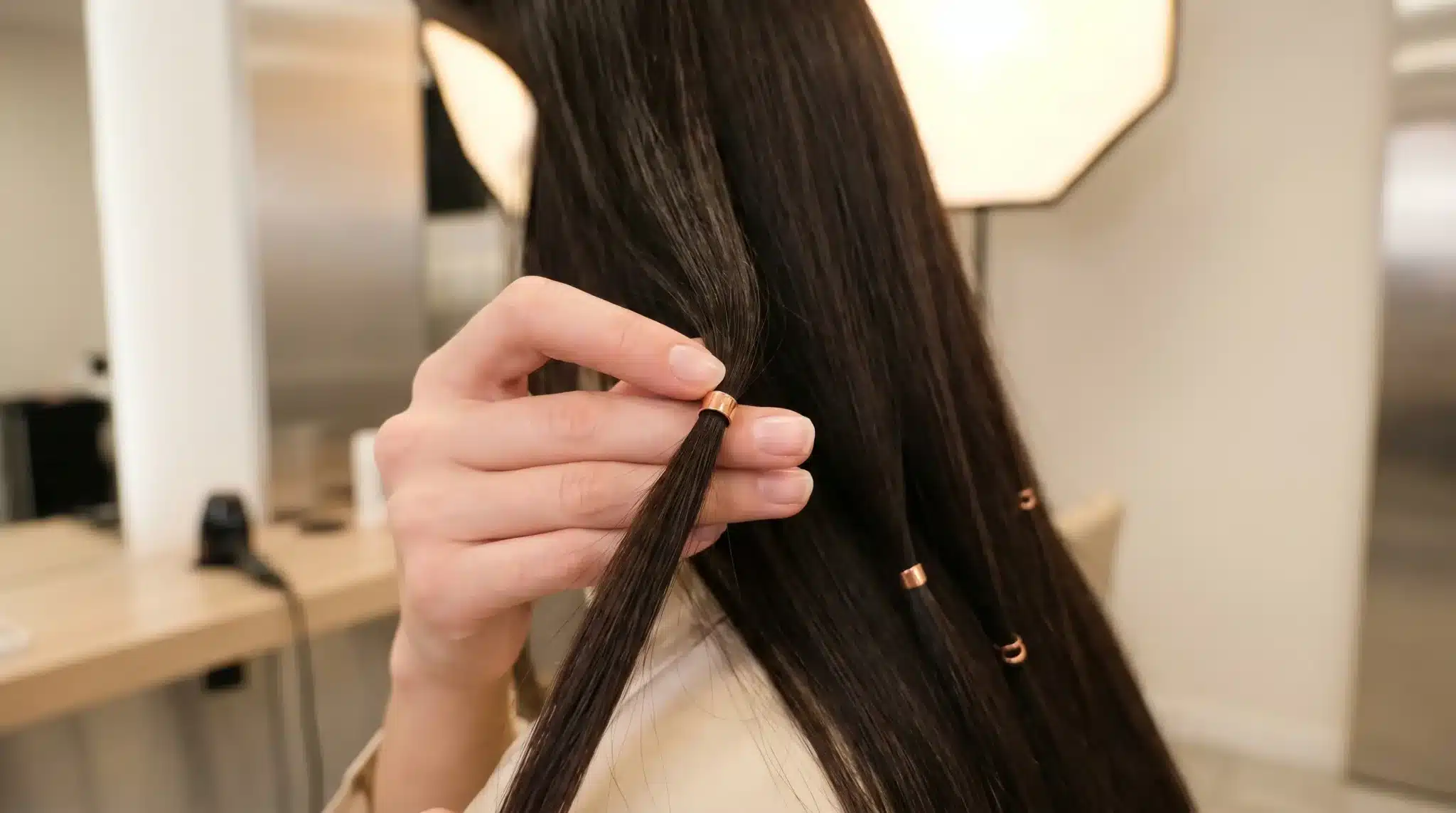
Are your nano rings falling out? Nano ring hair extensions have gained huge popularity recently because of their tiny bond size, but sometimes they can begin to fall out if not properly cared for. Although the bond and tip of nano rings are around 90% smaller than those of micro ring hair extensions, they are fitted in a very similar manner. Despite their widespread use, they present certain challenges that the wearer and salon professionals should be aware of.
The size of the ring and the tip are the two main reasons for nano rings falling out. Because they are so much smaller, there is less hair and ring to hold the extension in place, which can make the hair extensions more prone to slippage than other techniques. Read on to find out how to prevent any fallout or slippage.
Common Causes of Nano Ring Slippage
Its important to note that it’s quite normal to lose between 8-10 nano extensions between fittings. Due to their delicate application & tiny size they are easy to accidentally loosen or pull free. However, excessive slipping is typically due to improper care or incorrect application which can totally be avoided and fixed.
Slippage can result from applying oils and conditioners near the bonds or from brushing too forcefully. It’s especially important with nano extensions to use a hair extension friendly hairbrush without bobbles on the teeth such as a loop brush or bristle brush, this will prevent the teeth snagging on the bonds and pulling the hair extensions out.
Not adding enough natural hair or not clamping the beads tightly enough during application are also common causes of slippage, ensure the extensions are securely fastened and there is enough natural hair inside the bead to grip to the extensions.
How to Stop Nano Rings Falling Out
To prevent slippage, stay away from high-oil shampoos, conditioners, and serums close to the bonds. Schedule maintenance every six to eight weeks to realign extensions. Use sulfate-free solutions, keep the roots oil-free, and make sure a professional installs the nano ring extensions correctly to avoid them falling out. Here’s how you can stop nano ring slippage:
Sulfate-free solutions are highly recommended to keep the roots oil-free. A professional who installs the nano ring extensions correctly is the key to avoiding slippage. Moreover, stay away from high-oil shampoos, conditioners, and serums close to the bonds. Schedule maintenance every six to eight weeks to realign extensions. Here’s how to keep nano rings safe:
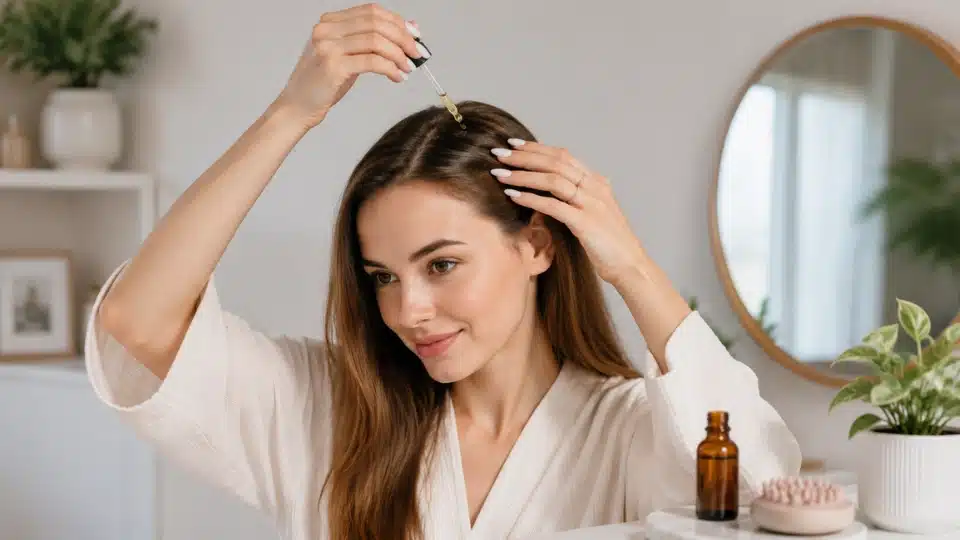
- The main factor for slippage is oil. Stay clear of using serums, conditioners, or hair oils on the roots and bonds.
- To avoid early loosening, use shampoo that is sulfate-free as well as appropriate for extensions.
- Make sure a skilled professional applies the proper tension, neither too tight nor too loose, and used high quality beads.
- Because the rings loosen due to natural hair growth, schedule tightening appointments every 6-8 weeks.
- To reduce stress, gently brush hair with a soft-bristle brush (especially for extensions), working your way up to the roots from the ends.
- Stay clear of really high, tight buns or ponytails, as they may pull the beads out.
- After washing, make sure your hair is totally dry. The hair inside the ring may get softer with water, making it slip.
Check out this expert Cliphair blog for more information, and remember to use silicone-lined beads for improved grip if extensions are still slipping out.
Product Mistakes That Cause Slippage
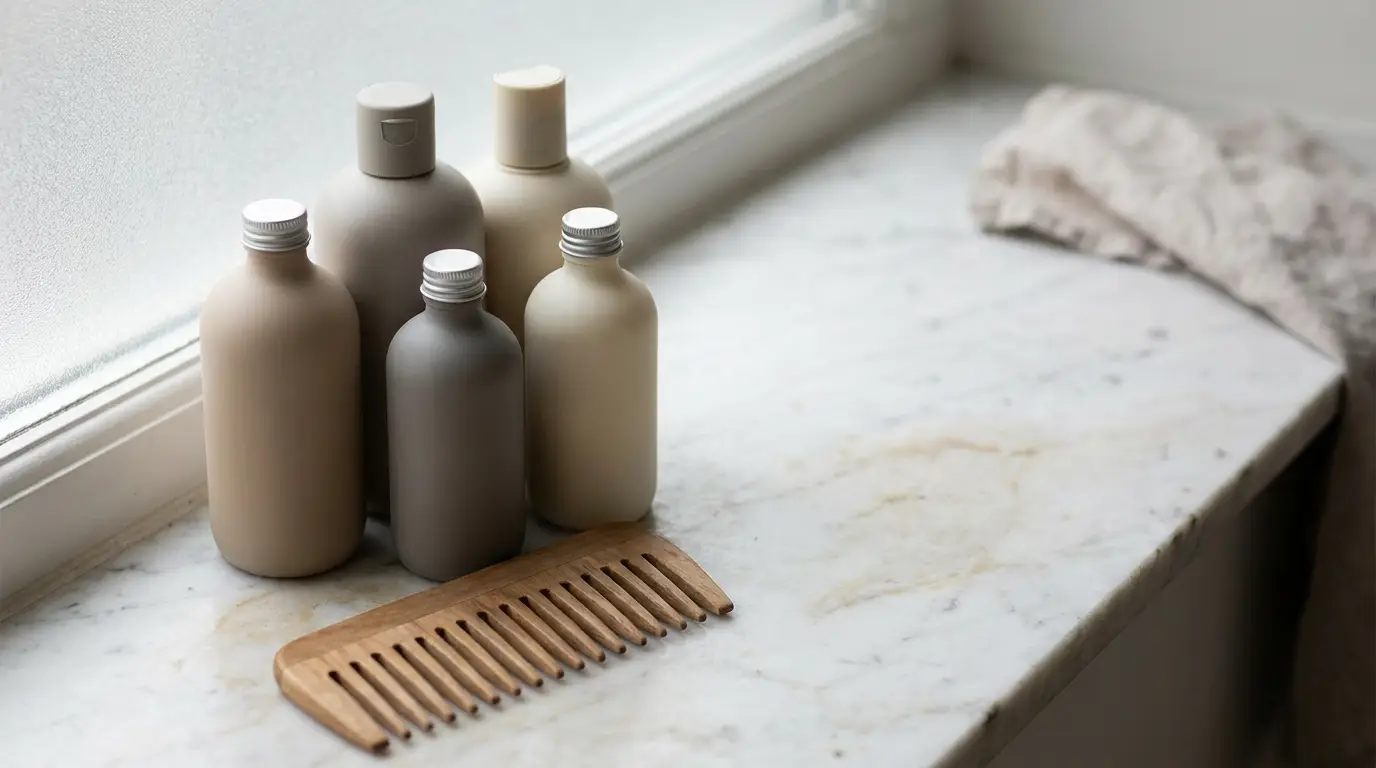
Incorrect products for nano ring extensions are a common cause of nano slippage. An important factor in making sure that you don’t have any nano ring slippage is using the right aftercare solutions for nano ring hair extensions. It is therefore important that you select a brand appropriate for hair extensions, as many high-street shampoos and conditioners contain heavy silicones that can cause hair extensions to slip. Not every styling product is made equally. To maintain your extensions’ brightness and health, don’t forget to apply Heat Protection Spray and light, alcohol-free serums. Your hair may get dry and brittle if you use hot tools, so always apply spray and keep the temperature moderate.
When to See Your Technician
If your nano rings are falling out often, it is necessary to speak with your hairstylist to identify the root of the problem. To guarantee the lifespan of your extensions, they can assess whether the installation method needs to be changed or the nano-ring maintenance procedures need to be adjusted. You should consider your technician/s opinion if, despite multiple efforts, your nanos continue to slip. They will offer a secure installation and personalised advice.
Therefore, making sure that your nano rings are correctly placed by a qualified expert using premium materials is one way to prevent them from slipping out. The longevity of nano ring extensions can be increased by avoiding excessive pressure on the hair, according to suggested care procedures.
Prevention Tips for Your Next Fitting
We respect that you want simple rules. Confusion results from having too many steps. You require a brief daily nano-ring aftercare schedule and well-defined boundaries. Therefore, to make it straightforward, here are the four anchors to take care of nano rings
- Avoid oily products near the attachments
- Be gentle when washing & only use sulphate free shampoo
- Use an extensions friendly brush
- Secure the hair while you sleep and exercise
Firstly, adhere to the daily five-minute regimen. Next, get ready for the evening by combing, braiding, or using a silk scrunchie, and applying a pea-sized amount of serum just to the ends. Use sulphate-free shampoos, and rather than rubbing in ring motions, rub in between rows. Furthermore, when conditioning, avoid the roots. Lastly, give the rings a good rinse to remove any remaining material.
Conclusion
Improper application and poor maintenance cause a small percentage of nano rings to slip.
The issue surges with the use of oily hair products and natural hair shedding. To keep nano ring extensions secure, including sulfate-free solutions, avoid oils near the bonds, maintain proper tension during installation, and most importantly, schedule regular maintenance every 6-8 weeks. Selecting the right aftercare products is vital to prevent slippage, and users are advised to consult hairstylists if problems persist.