The K-beauty wave has been building in the United States for over a decade, but something has shifted in recent years.
Consumers are no longer just chasing the latest trending ingredient or the most elaborate 10-step routine. Instead, they are asking a more fundamental question: what does my skin actually need to stay healthy?
The answer, increasingly, is a strong skin barrier.
Barrier-first skincare is not a passing trend. It is a philosophy rooted in dermatological science — one that prioritizes the outermost layer of the skin, the stratum corneum, as the foundation of all skin health.
When the barrier is intact, skin retains moisture, resists environmental aggressors, and heals more efficiently. When it is compromised, the result is sensitivity, redness, breakouts, and accelerated aging.
Korean skincare brands have long understood this. The K-beauty tradition has always emphasized gentle, layered hydration over aggressive treatments.
But the newest generation of K-beauty brands is taking this further, building entire product lines around barrier repair and maintenance rather than treating it as a secondary concern.
Why the US Market Is Ready
American consumers have historically gravitated toward high-potency actives — retinols, acids, and vitamin C serums that deliver visible results quickly.
But years of over-exfoliation and ingredient overload have left many with sensitized, reactive skin. The backlash has been significant, and it has opened the door for a more measured, science-backed approach.
Barrier-first skincare fills that gap perfectly. It appeals to consumers who have learned the hard way that more is not always better, and who are now looking for formulas that work with the skin rather than against it.
This shift is also being driven by a more educated consumer base. Social media, dermatologist-led content, and accessible skincare education have made concepts like ceramides, fatty acids, and the skin microbiome part of everyday conversation.
Shoppers are reading ingredient lists. They are asking about pH levels. They want to understand the science behind what they are putting on their faces.
The Role of Minimalism
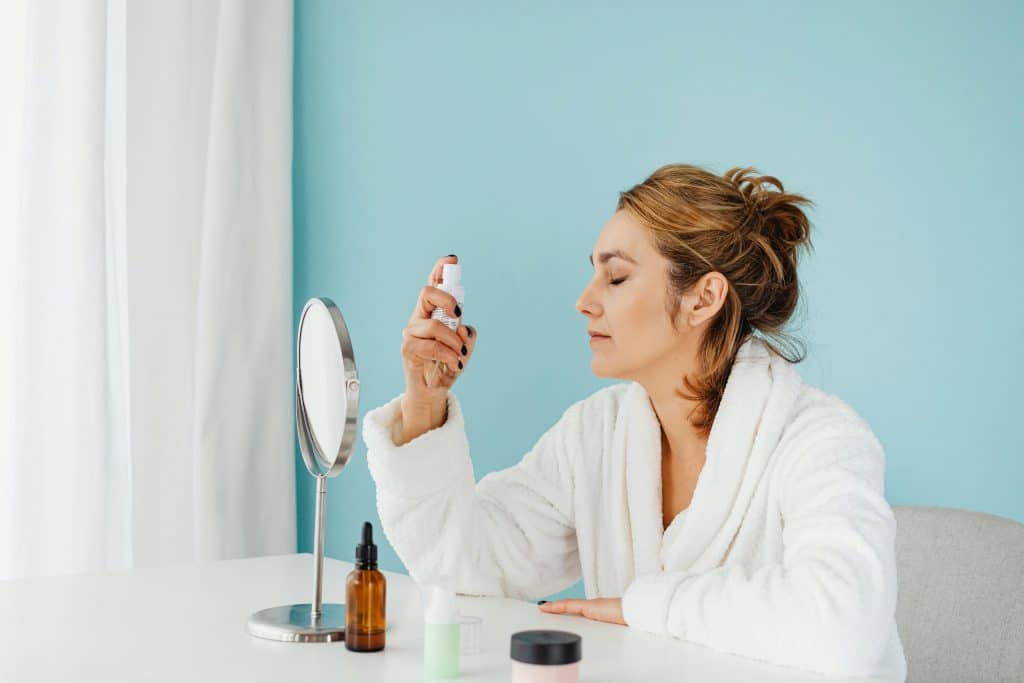
One of the defining characteristics of barrier-first skincare is its commitment to minimalism. Fewer ingredients, carefully chosen for their compatibility with the skin’s natural chemistry, tend to outperform complex formulations loaded with potential irritants.
This minimalist approach is not about doing less — it is about doing the right things.
A well-formulated cleanser that preserves the skin’s natural pH, a hydrating toner that replenishes moisture without stripping, and a targeted repair cream that reinforces the lipid barrier can achieve more than a cabinet full of competing actives.
Innovation at the Ingredient Level
The most exciting developments in barrier-first skincare are happening at the formulation level. Brands are moving beyond standard ceramide blends and exploring novel delivery systems that improve how active ingredients penetrate and interact with the skin.
One example is the use of oxygenated water as a formulation base — a technology that enhances ingredient absorption by improving the vehicle through which actives are delivered to the skin.
This kind of innovation reflects a broader trend: the best K-beauty brands are not just selecting better ingredients, they are rethinking how those ingredients are delivered.
What to Look for in a Barrier-First Brand
If you are exploring barrier-first skincare, there are a few markers of quality to look for. First, look for brands with a clear scientific rationale behind their formulations — not just marketing language, but a genuine commitment to skin physiology.
Second, look for transparency around ingredients and sourcing. Third, consider whether the brand has clinical or professional expertise behind its development.
Brands like Aere Beauty represent this new generation of K-beauty — founded by medical professionals, built around proprietary technology, and designed with the skin barrier as the starting point rather than an afterthought.
The Bigger Picture
Barrier-first skincare is not just a product category. It is a signal that the beauty industry is maturing. Consumers are demanding more from their skincare — not just results, but results that are sustainable, gentle, and grounded in science.
For the US market, which has long been dominated by high-impact, high-risk formulations, the rise of barrier-first K-beauty represents a meaningful shift.
It is a shift toward skin health over skin performance, and it is one that is likely to define the next decade of beauty innovation. The brands that understand this — and build their products accordingly — are the ones that will earn lasting consumer trust.