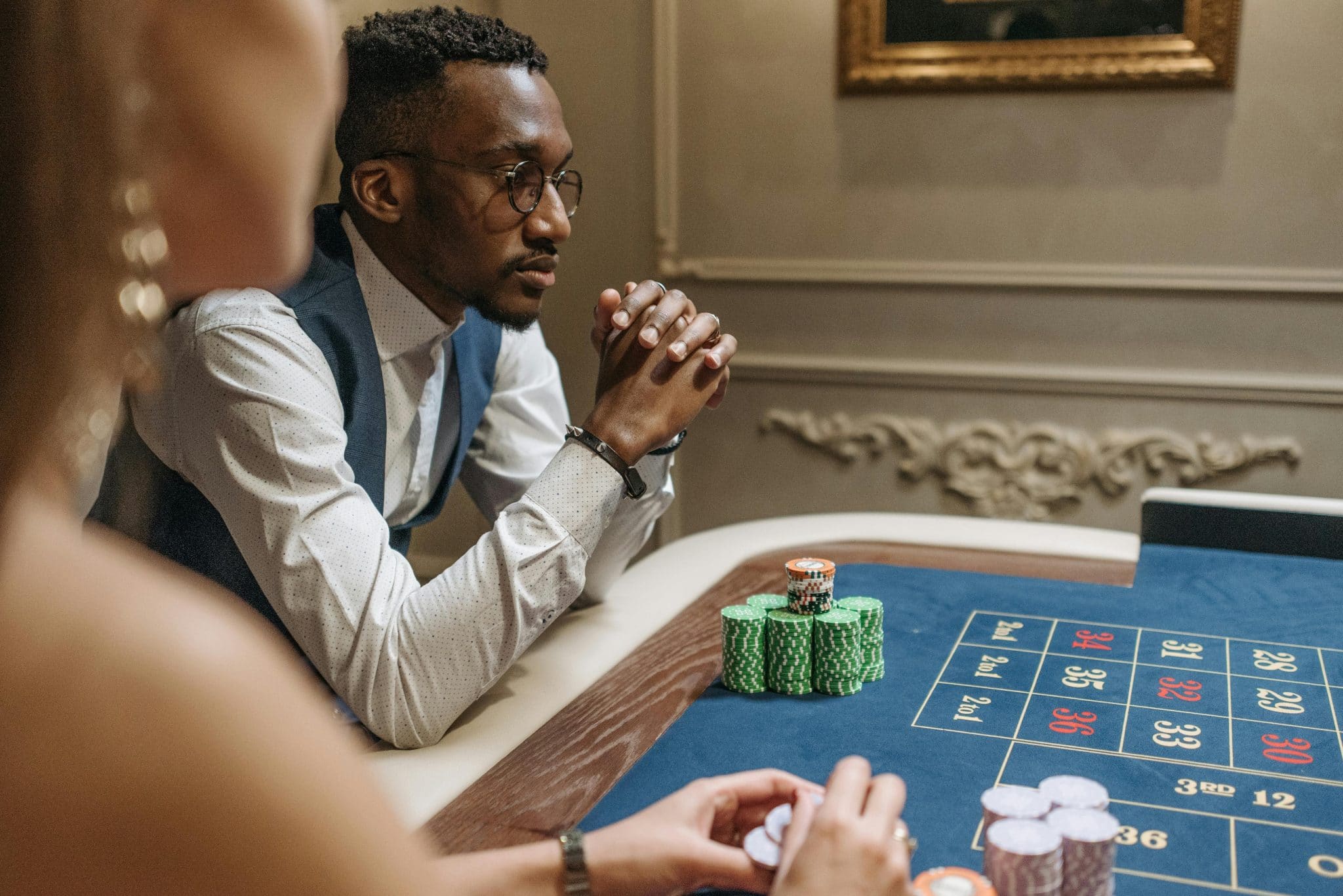
The wardrobe pattern at a televised final table repeats across events. Wide-brim hat, mirrored sunglasses, oversized hoodie, and headphones cupping both ears. Some players add a chain, a watch, or a charm pinned to the hood. Every item serves one of two purposes. Some pieces hide information from opponents. Others support the wearer through hours of static seating under bright lights.
Professional poker apparel is designed less around fashion and more around concealment, focus, endurance, and comfort during long tournament sessions. The aesthetic matters, but the function usually comes first.
Sunglasses and Eye Concealment
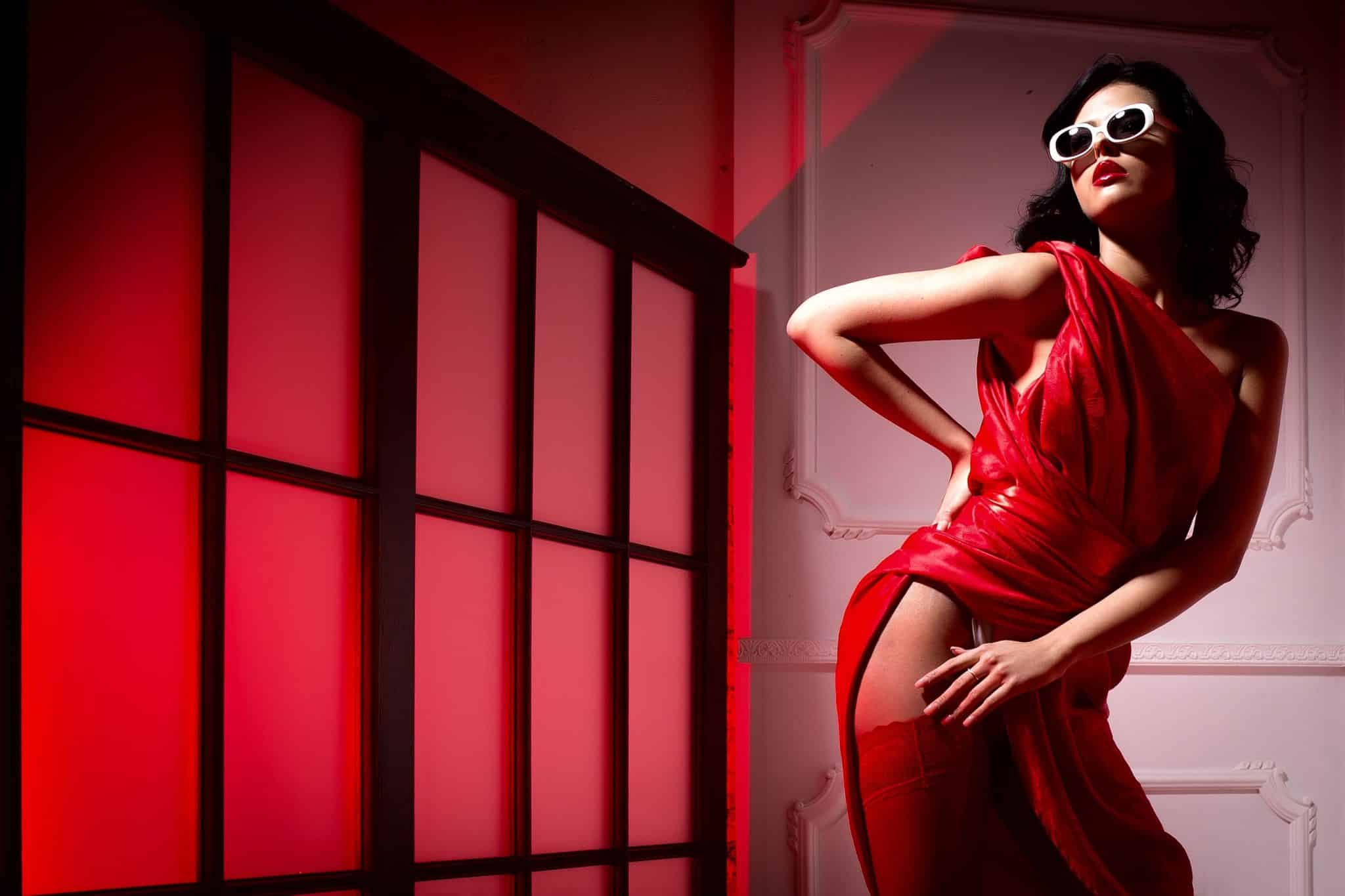
The eyes are the largest tell source on the human face. Pupil dilation, rapid blinking, narrowed gaze, sudden tracking, all of it gives an opponent something to read. Sunglasses block the entire signal. Greg Raymer, the 2004 World Series of Poker Main Event champion, wore custom holographic lenses that became part of his on-table identity. Phil Hellmuth, Daniel Negreanu, Phil Laak, and dozens of other professionals have built recognizable looks around eyewear of one form or another.
There are practical secondary functions. Casino lighting uses overhead halogen and LED arrays that fatigue the eyes across an eight-hour session. Polarized lenses cut glare from the felt and reduce the strain. The same lenses dim bright reflections from chip stacks and metal trim, which allows a player to look at neighbors for longer stretches without flinching.
Some players also use lightly tinted lenses indoors, which provide most of the concealment without the dimming penalty in a low-light room.
The Hoodie as Concealment Layer
The hoodie hides far more than the head. The drape pulls forward over the cheekbones, narrows the field of view available to opponents, and absorbs small movements in the neck and shoulders. Players combine the hood with sunglasses to remove almost the entire upper face from observation.
The combination is so effective that some televised tournaments now require players to push the hood back during major decisions, citing visual transparency for the broadcast camera.
The hoodie also serves as climate control. Tournament rooms run cold to keep dealers and players alert. Feature tables sit under additional lighting that pumps cool air aggressively. A hooded sweatshirt regulates body temperature without forcing a player to fidget with a coat between hands.
Hats and Glare Reduction
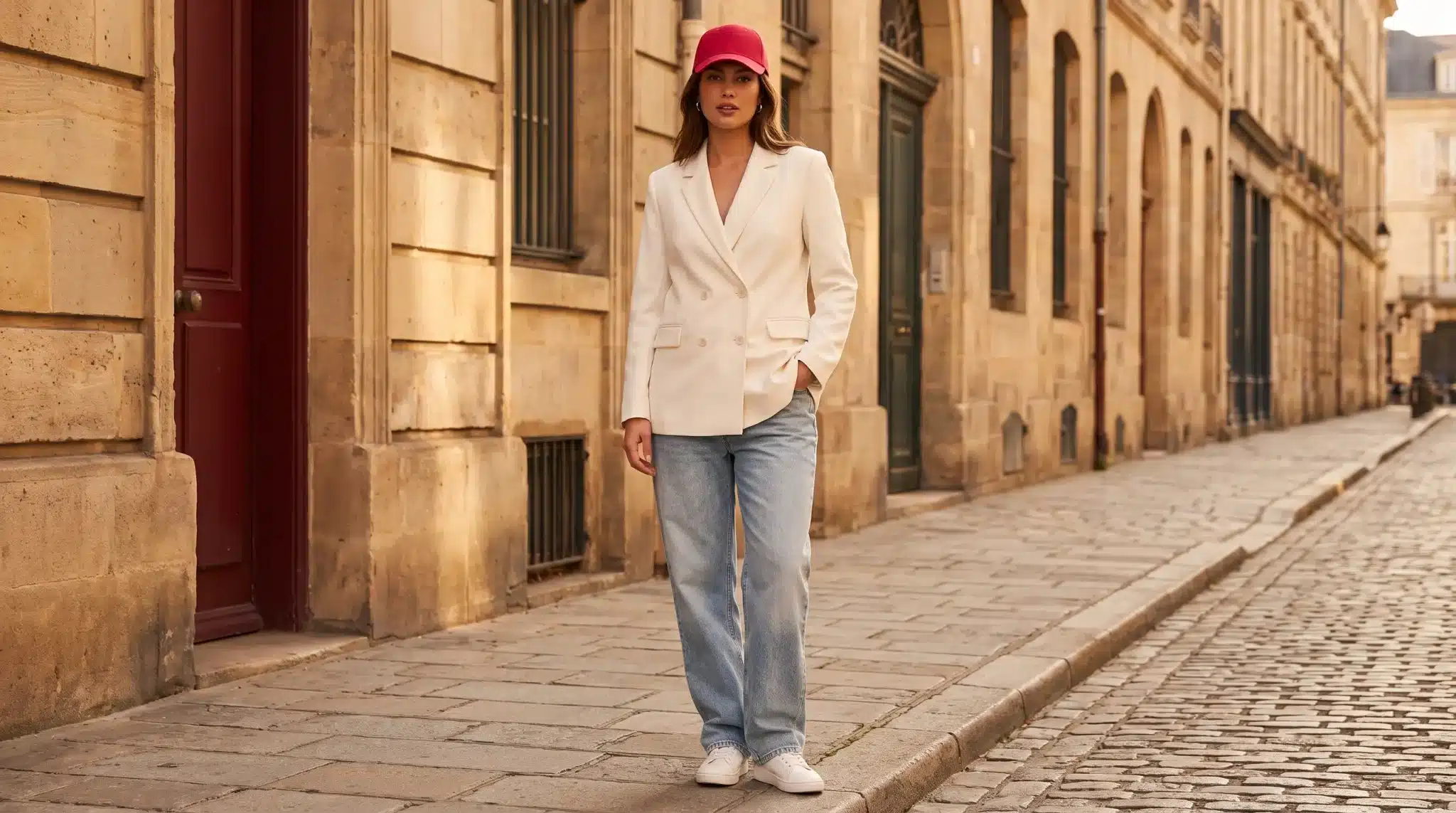
Hats serve a narrower purpose. The brim shields the eyes from overhead light and blocks camera lights at televised tables. The brim also covers small face movements that a hood does not, including eyebrow flickers, forehead crinkles, and twitches at the temples.
Many players combine the hat with sunglasses for layered concealment of the entire upper face.
The choice of a hat also signals a personal brand. A team logo, sponsorship patch, or baseball cap from a particular city becomes part of a player’s recognizable image, often appearing in promotional photos and tournament recaps for years after a single deep run.
Headphones and Auditory Isolation
Headphones serve two purposes. The first is concentration. Closing off the ambient sound of a card room reduces cognitive load and lets the player focus on chip stacks, betting patterns, timing tells, and live poker strategy decisions.
Open-plan offices have driven similar use of headphones for work by knowledge workers, which is why the gear is widely available and well-priced for the tournament circuit.
The second purpose is self-control. Playing music removes the temptation to react audibly to a flop or a river card, since the rest of the table cannot hear what the wearer hears.
There are tradeoffs. Players who isolate too completely can miss verbal cues from the dealer or the floor staff. Some professionals use one ear cup at reduced volume, leaving the other ear open. Others wear headphones without playing any audio, using them as a visual signal that they are not interested in table chatter.
The accessory does not need to be active to perform a social function.
Equipment Beyond the Cards
Players treat outfit choices the same way they treat any other piece of poker equipment. Sunglass weight, hood drape, headphone fit, and ring count each get tested across hours of play before earning a spot in the regular rotation.
The expectations carry across formats, from charity events at local card rooms to major live tournament stops on the poker calendar.
Routines around clothing also serve as personal markers. A familiar cap, a particular hoodie, or a silver chain can function as a signature that opponents associate with a specific style of play. The signaling cuts both ways, since the moment a piece becomes recognizable, opponents start factoring it into their own decisions.
Jewelry, Charms, and Personal Items
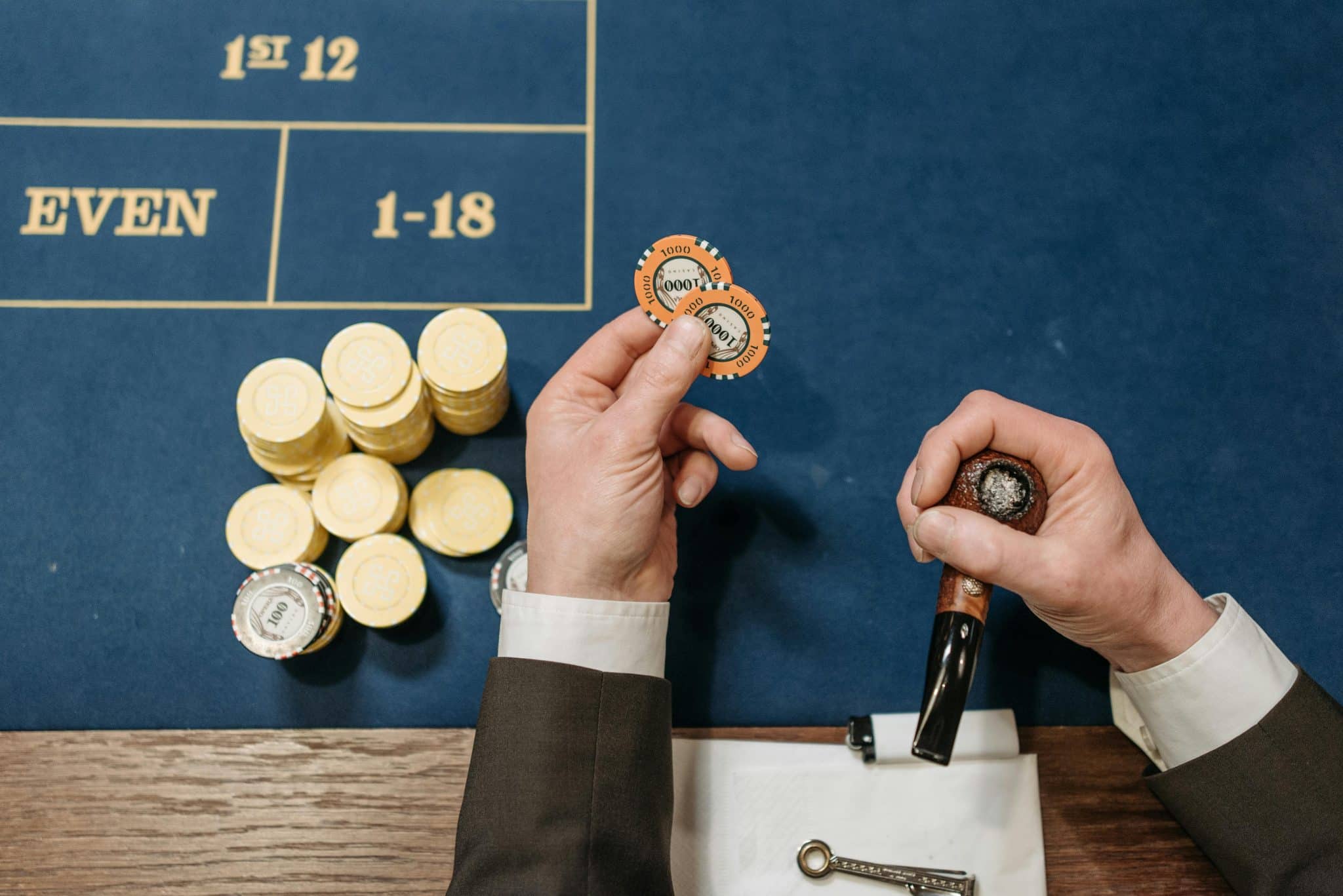
Many players carry small objects that do not appear in any rulebook. Greg Raymer placed a fossil on his card protector at the 2004 Main Event, which earned him the nickname Fossilman. Daniel Negreanu has used a hockey puck. Other players carry coins, photographs of family, or military challenge coins.
The items rarely serve a direct strategic purpose. The objects function more as small superstitions, steadying the player through long sessions and difficult runs of cards.
Watch choices vary with the player and the level. Some professionals wear the same watch every session for years, using it as a focus point during long thinking spells. Others keep all metal off the table to avoid scuffing felt or drawing camera attention.
The personal item collection on a top player tends to be small but meaningful, since each piece earns its place through repeated use rather than purchase price.
Comfort and Endurance Considerations
A live tournament day can run twelve hours or longer with breaks of 15 to 20 minutes. The clothing must support that schedule. Cotton blends, breathable fabric, soft seams, and pre-broken-in shoes hold up across a long day better than crisp button-downs and tight collars.
Some professionals bring a second outfit to swap into during dinner break, since cooled sweat from session one becomes a distraction in session two.
Compression undergarments and posture-supporting undershirts have appeared more frequently in recent years. They reduce lower-back fatigue from extended seated play and steady core muscles during long thinking periods.
The fashion press rarely covers the items because they do not photograph well, and the players do not advertise them, since the goal is to remove a small variable rather than signal a tactic.
The Real Size of the Apparel Edge
The wardrobe edge is real but small. Research on poker tells has shown that competent players can read involuntary cues at rates above chance, but the rates fall sharply against opponents who consciously control facial expressions.
A hat, sunglasses, hoodie, and headphones together remove most of the readable surface area from the table. The remaining variables, including chip handling, breathing depth, posture shifts, and hand tremors, still leak information to a careful observer. Apparel narrows the channel rather than closing it completely.
Players who treat apparel as a serious part of preparation usually reach the same conclusion. The clothing decisions that matter are the ones that support hours of stable focus and remove the obvious tells. Anything beyond that, including a particular charm or a colored brim, falls into the category of personal style and on-camera identity.
Both have value at the marketing level. Neither replaces fundamentals at the table, and a strong dresser with weak math is still a losing player.
Conclusion
Poker fashion trends exist for practical reasons far more often than stylistic ones. Sunglasses reduce readable eye movement, hoodies conceal facial reactions, headphones improve concentration, and comfortable clothing helps players manage the physical strain of long tournament sessions. While certain accessories eventually become part of a player’s public image, the real purpose behind most poker apparel is to control information, maintain focus, and reduce fatigue over hours of play. The edge created by clothing remains relatively small compared to decision-making skill, but at high levels of competition, even small advantages become part of a professional player’s overall preparation.
FAQ2
Why do poker players wear sunglasses indoors?
Poker players wear sunglasses to hide eye movements, pupil dilation, and other visual tells that opponents may read during hands. They also help reduce glare from casino lighting during long sessions.
Why do poker players wear hoodies?
Hoodies help conceal facial reactions and small body movements. They also provide comfort and temperature control in cold tournament rooms.
Do headphones actually help poker players?
Yes. Headphones reduce background noise and help players concentrate on betting patterns, timing, and decision-making. Some players also use them to avoid table distractions and unnecessary conversation.
Are sunglasses and hoodies allowed in poker tournaments?
Most tournaments allow them, although some televised events may require players to remove hoods during important hands for broadcast visibility and security reasons.
What are poker tells?
Poker tells are involuntary physical or behavioral signals that may reveal information about a player’s hand strength, confidence, or emotional state.
Do poker clothes really provide a competitive edge?
The advantage exists, but it is relatively small. Poker apparel mainly helps reduce obvious tells and improve comfort during long sessions. Strong decision-making and mathematical skill still matter far more than clothing choices.
Why do poker players carry charms or card protectors?
Many players use personal items such as coins, fossils, or lucky charms as small routines or superstitions that help them stay calm and focused during long tournaments.