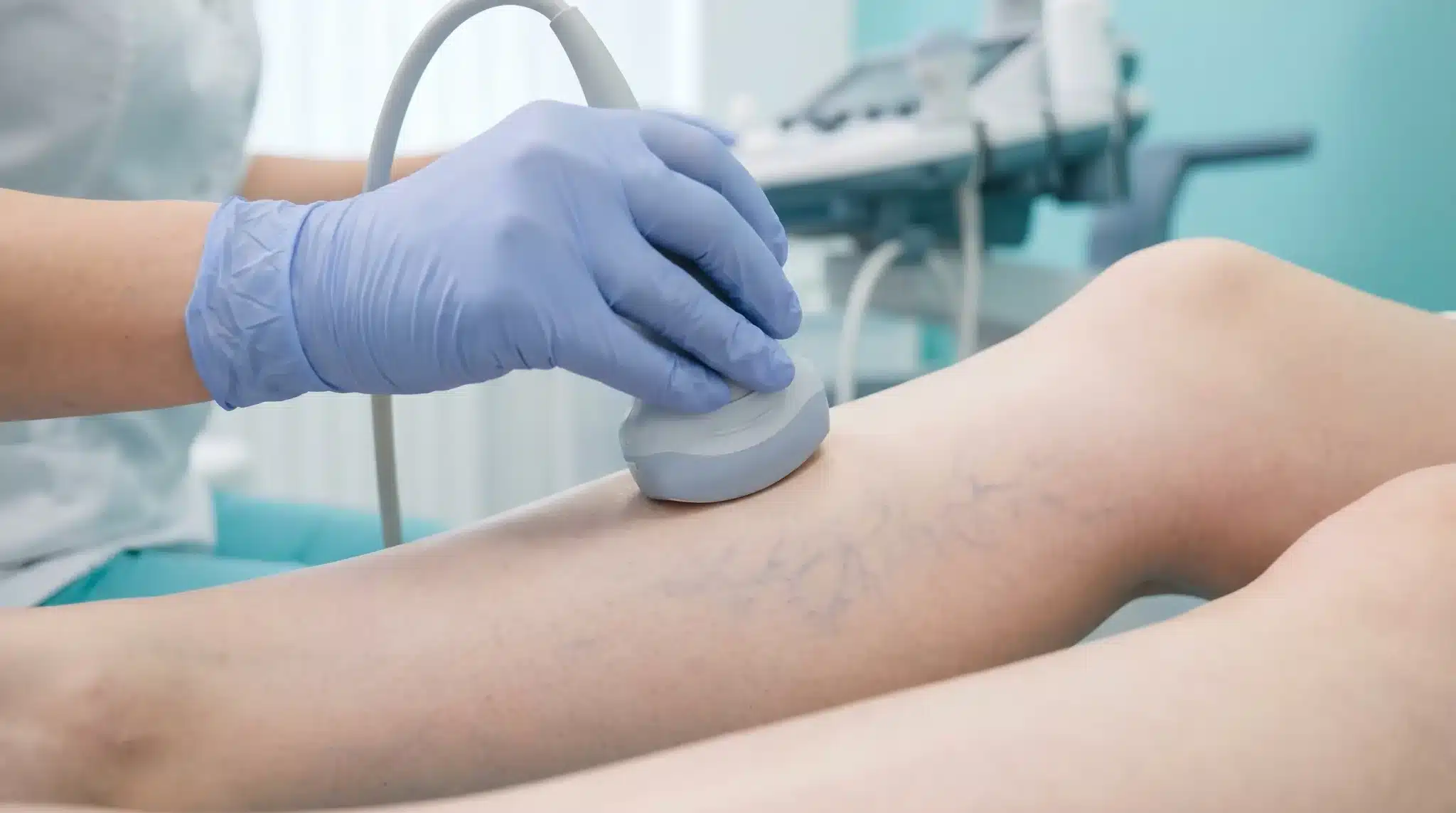
Vein disease often develops slowly, which makes early warning signs easy to miss. A person may notice mild leg swelling, tiredness, or visible veins and assume the issue is minor. However, hidden vein problems can worsen over time and affect comfort, mobility, and skin health. Screening offers a simple way to spot changes before they lead to greater pain or the need for more complex treatment arises. Early attention gives patients clearer options and better long-term outcomes.
Why Early Checks Matter
Many vein conditions begin before serious symptoms appear. Poor circulation can progress quietly, even while daily life seems normal. At that stage, screening can reveal valve problems, changes in blood flow, or pressure in the veins. Providers like Metro Veinuse imaging and clinical review to identify concerns that may otherwise stay hidden. This kind of attention and support matter because early findings often allow medical professionals to employ minimally invasive treatments.
It also helps prevent the following:
- Skin damage
- Clot risks
- Ongoing discomfort
What a Vein Screening Looks For
A vein screening focuses on how blood moves through the legs and whether the vein valves are working as they should. Healthy valves keep blood moving upward. If those valves weaken, blood can pool and create pressure.
Valve Failure and Reflux
One common issue is venous reflux. This happens when blood flows backward instead of rising efficiently. Reflux can lead to aching, heaviness, throbbing, and visible varicose veins. Screening can catch reflux before these signs become severe.
Swelling and Pressure Changes
Persistent swelling may point to circulation trouble rather than simple fatigue. Screening helps measure whether deeper vein function is normal. This detail matters because leg fullness can stem from a medical cause that needs treatment.
Skin and Tissue Risk
Longstanding vein disease can affect the skin. Some patients develop discoloration, dryness, thickening, or sores near the ankles. Identifying circulation problems early can reduce the chance of these harder-to-manage issues.
Signs That Suggest It Is Time to Get Checked
Visible varicose veins are a common reason to seek care, but they are far from the only signal. Many patients have symptoms long before large surface veins appear. Some symptoms are:
- Leg heaviness after standing can point to circulation strain.
- Night cramps, itching, burning, or restless legs may also be linked to vein dysfunction.
- Swelling that worsens later in the day deserves attention as well.
A family history of vein disease raises risk, especially for adults with jobs that require long periods of sitting or standing. Pregnancy, age, and excess weight can also increase pressure in the leg veins. A screening helps sort out whether these factors have already affected blood flow. It gives patients a clearer picture of what their bodies are doing now, rather than waiting for symptoms to intensify.
How Screening Supports Better Treatment Decisions
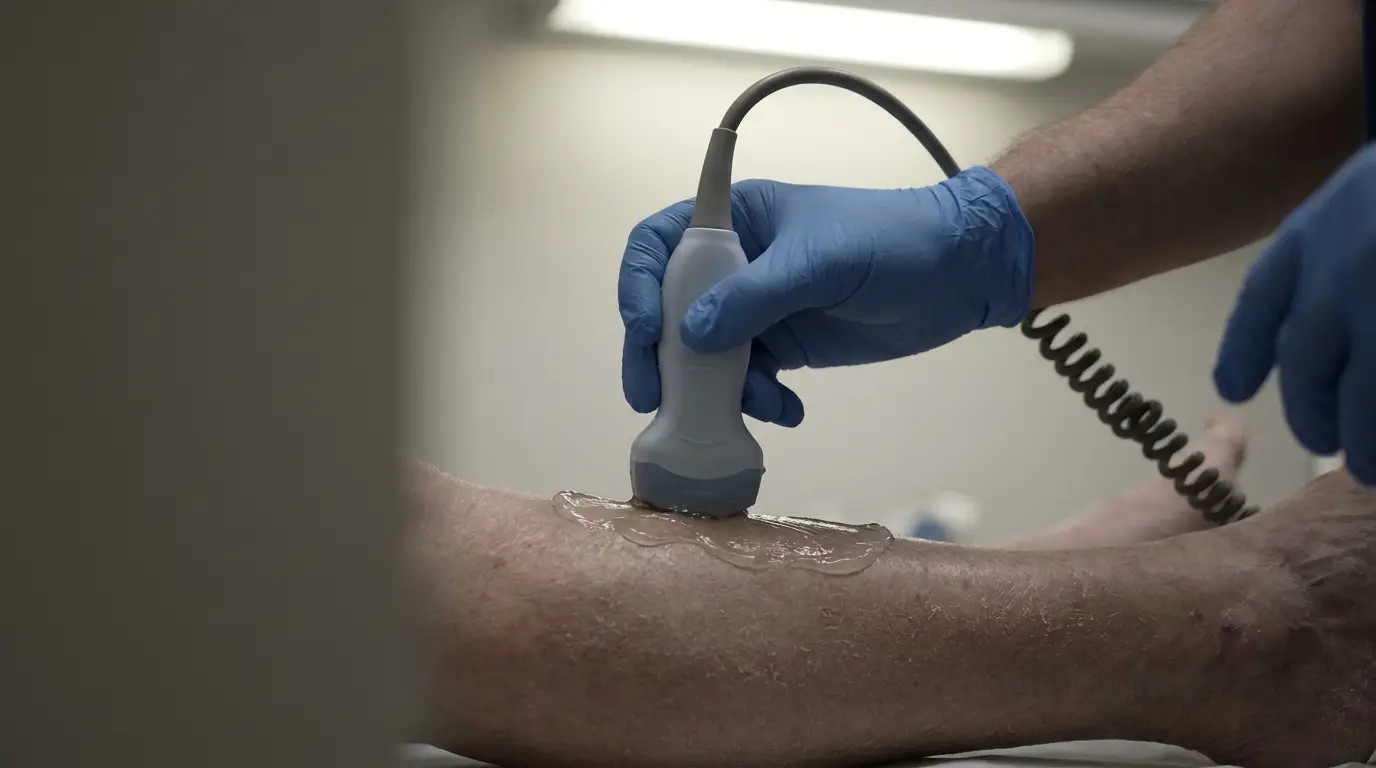
Early detection does more than confirm a diagnosis. It helps guide the right level of care. Some patients benefit from compression, movement changes, and monitoring. Others may need office-based treatment to correct reflux and improve circulation.
Finding a problem sooner often means a broader range of options. Smaller issues can be treated before they trigger skin changesor limit daily activity. Screening also helps rule out other causes of leg symptoms, which prevents guesswork and delays.
Ultrasound plays a major role here because it shows vein function in real-time. This data helps a specialist match symptoms with what is happening beneath the skin. With a clearer diagnosis, treatment plans become more precise and more effective.
Prevention Starts With Awareness
People often delay vein care because symptoms seem cosmetic or mild. Such delays can allow an underlying issue to progress. Screening changes that pattern by replacing assumptions with evidence.
A timely exam can confirm whether visible veins are harmless or part of a larger circulation problem. It can also explain why legs feel tired even after rest. Such knowledge helps patients act earlier, ask better questions, and avoid complications that are much harder to manage later. In many cases, awareness is the first step that protects comfort, mobility, and skin health.
Conclusion
Vein screenings provide useful insight before symptoms grow harder to ignore. They can reveal reflux, pressure changes, and circulation problems that may otherwise remain hidden. Early testing supports faster diagnosis, simpler care, and fewer long-term effects on daily life. For patients with swelling, heaviness, visible veins, or risk factors, screening is a practical step rather than an extreme one. Catching vein disease early can protect comfort today and reduce avoidable problems in the future.