A well-built wardrobe is not about having the most clothes. It is about having the right ones. The difference between a closet that works and one that overwhelms you comes down to intention, and most people skip that step entirely.
Building a collection that is both versatile and genuinely personal takes some thought upfront, but the payoff is a wardrobe that actually gets used.
Define Your Personal Style Before You Shop
Before adding anything new, get clear on what you actually like wearing. That means thinking about preferred colors, silhouettes, fabrics, and the overall aesthetic that feels most like you. Someone who gravitates toward relaxed, earthy tones has different needs than someone drawn to clean lines and monochromatic palettes. Not everyone fits neatly into one camp, either.
Knowing your preferences also protects your wallet. An estimated 50% of the clothing people own goes unworn, and the average American buys around 53 clothing items per year. A lot of that accumulation happens because people shop without a clear sense of what they already have or what they actually need.
Your lifestyle matters just as much as your taste. A person who works from home and spends weekends outdoors has a completely different style than someone commuting to an office five days a week. A piece that does not fit your daily life will sit in your closet no matter how much you love it on the hanger.
Build Your Wardrobe Around Reliable Essentials
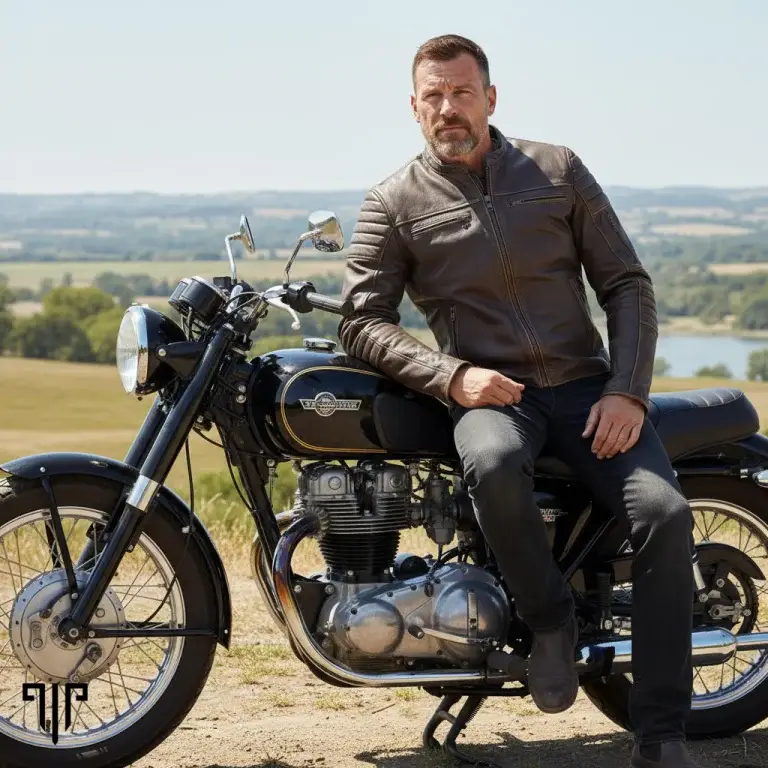
These are the pieces that show up again and again across different outfits: well-fitting jeans, versatile trousers, neutral tops in a few different weights, a classic jacket or coat, and a reliable pair of shoes that can carry multiple occasions.
The key word there is “well-fitting.” Fit transforms a basic piece into something that looks intentional rather than accidental. A simple white shirt in the right cut reads completely differently than one that is too boxy or too long. When shopping for core items, fit and quality deserve more attention than price alone.
These staples earn their place because they are inherently flexible. A pair of dark, straight-leg trousers can go from a casual lunch to an evening out depending on what you pair them with. That kind of range is what makes essentials worth investing in.
Prioritize Versatility in Every Purchase
Versatility is the lens through which every new purchase should be evaluated. Before buying something, ask how many different outfits it can realistically be part of. If the answer is one or two, that is a warning sign worth heeding.
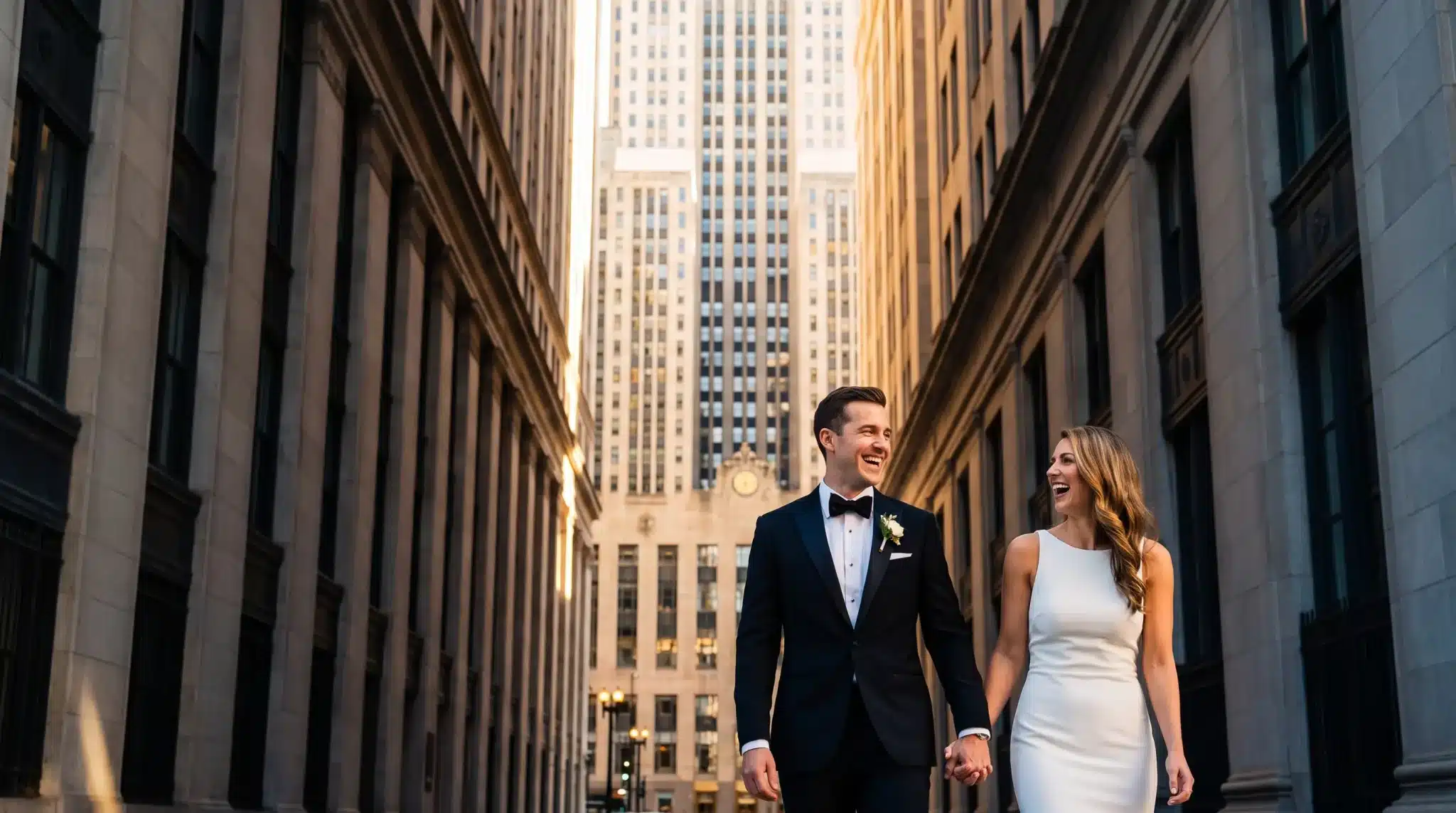
Pieces that move between occasions are the real workhorses of a wardrobe. A structured blazer worn over a t-shirt reads casual but worn over a blouse with tailored trousers, it reads professional. That range from a single item is exactly what versatility is built on.
Layering plays a big role here. Mixing casual and polished elements, like a relaxed crewneck under a sharp coat, creates outfits that feel considered without requiring an extensive collection. The goal is more combinations from fewer pieces. Not more pieces overall.
Add Personality Through Statement Pieces
Personal style is all about the statement pieces. These are the items that make an outfit feel like yours rather than anyone else’s.
For some people, it is a pair of distinctive sneakers that works with almost everything they own. Others gravitate toward a favorite cap, a graphic tee, a statement jacket, or an accessory that adds character to an otherwise simple look. They break up the uniformity that can come from relying too heavily on basics.
As everyone places greater value on individuality, personalized apparel has become “it.” Custom-designed sweatshirts, printed hoodies, personalized caps, and unique jackets allow people to wear items that reflect their interests, experiences, and personality. Unlike trend-driven buys that may lose their appeal after a season, customized clothes often carry a personal connection and people wear them for years.
However, statement pieces work best when anchored by the essentials you already own, so the boldness comes through without the outfit feeling chaotic.
Balance Current Trends with Long-Term Style
Trends are not the enemy of personal style. But they can be if you follow them without thinking. The smarter approach is to treat trends as options rather than obligations. Some will align naturally with what you already wear and others will feel forced no matter how popular they become.
Consumers buy 60% more clothing items today than they did in 2000, and the average number of times a garment is worn before being discarded has dropped by 36% compared to 15 years ago. Much of that pattern is driven by trend-chasing, buying things because they are current rather than because they fit a genuine personal aesthetic.
The fix is not to ignore trends entirely but to hold each one up against your existing wardrobe. If a trending silhouette works with pieces you already own and love, it is worth considering. If it requires building an entirely new context around it, it probably is not worth the investment.
Focus on Quality and Longevity
Quality is one of the most underrated factors in building a wardrobe that actually works. Well-made clothing holds its shape, keeps its color, and stays comfortable after repeated washing in a way that cheaper alternatives do not.
The cost-per-wear framework is useful here. A $120 jacket worn 80 times costs far less per use than a $40 jacket worn 6 times before it pills and fades. Most fast fashion garments last fewer than 10 wears before becoming unusable, with inferior fabrics and construction driving rapid deterioration. That is not a bargain by any measure.
Buying quality also means buying less, which makes the whole process more deliberate. When each purchase carries a bit more weight, you pay closer attention to whether something actually fits your style and your life.
Regularly Reassess and Refine Your Wardrobe
Personal style shifts over time, and a collection that made perfect sense three years ago may no longer reflect who you are or how you live. Setting aside time once or twice a year to go through what you own keeps things from stagnating.
The goal of this review is to identify what is working, what is not, and where the gaps are. Items that no longer fit well, feel dated, or go untouched are taking up space that could go to something more useful.
When you do remove pieces, replace them thoughtfully. Each new addition should serve a clear purpose, whether that is filling a gap in your essentials or adding a fresh layer of personality to what you already have.
The Takeaway
A versatile wardrobe and a personal one are not competing goals. The best closets manage to be both: practical enough to handle everyday life and expressive enough to feel genuinely like the person wearing them.
Getting there is less about the number of pieces you own and more about the care you put into choosing them. Build from a strong foundation, add personality where it counts, and revisit the whole thing regularly.