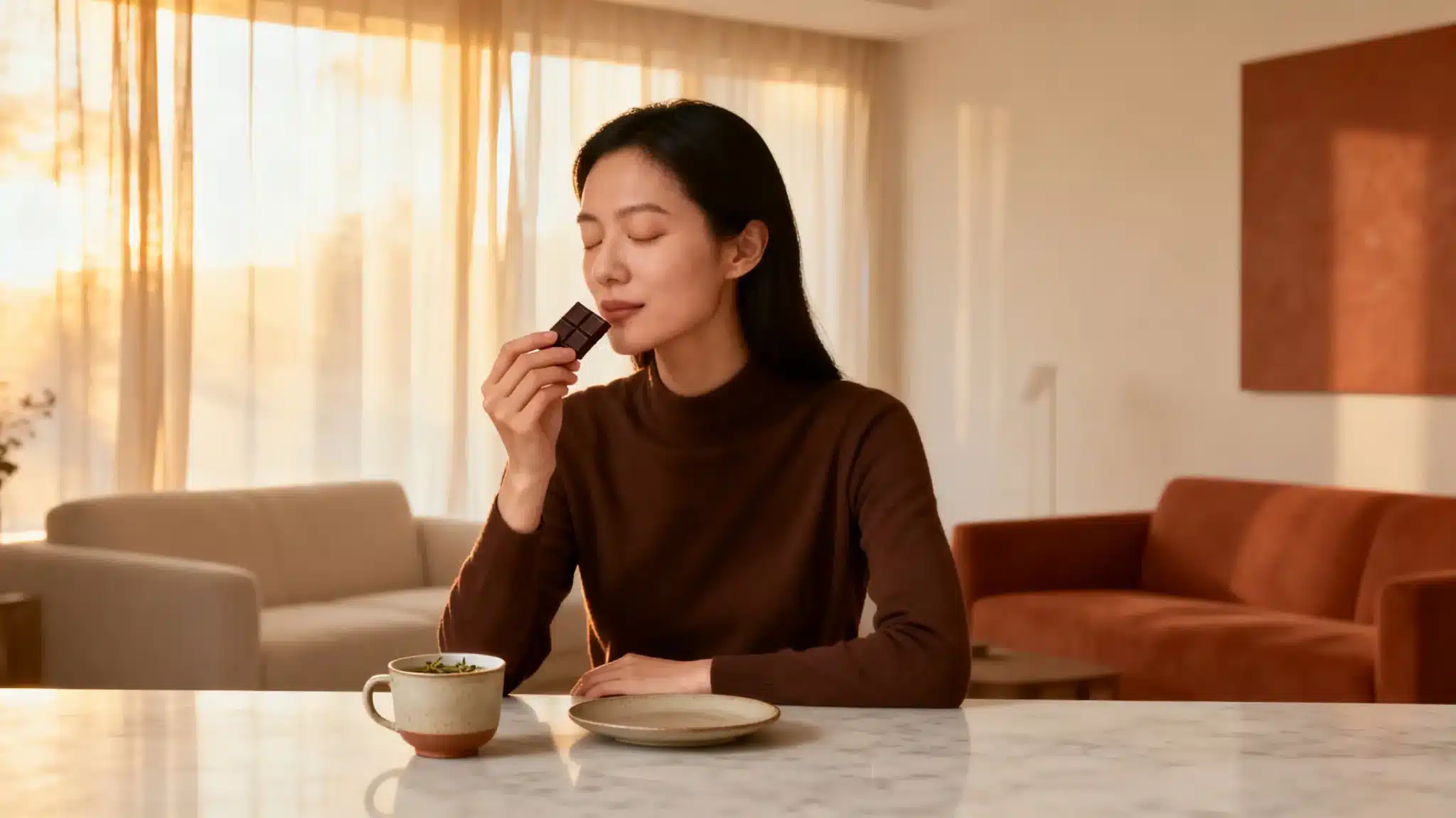
In today’s fast-paced world, the way people approach indulgence is changing. Instead of impulsive consumption or excess, there’s a growing preference for intentional, well-chosen experiences. From specialty coffee to artisanal desserts, modern consumers are redefining what it means to treat themselves. Within this shift, even niche categories like chocolate edibles are becoming part of broader conversations about mindful living and personal rituals.
This doesn’t necessarily reflect a change in how often people indulge, but rather how they choose to do it. Consumers are increasingly drawn to products that feel deliberate, refined, and aligned with their lifestyle. Items that combine familiar formats—like chocolate—with modern design and structured production methods fit naturally into this evolving mindset.
What matters now is not quantity, but context.
A Shift Toward Intentional Choices
For many people, daily routines have become more curated. Whether it’s morning habits, work breaks, or evening downtime, there’s a noticeable shift toward choosing fewer, better options. This applies just as much to food and small indulgences as it does to larger lifestyle decisions.
Chocolate, for example, has long been associated with comfort and reward. But in a modern context, it is increasingly seen as something to be experienced rather than simply consumed. This aligns with broader trends where consumers look for products that carry a sense of craft, origin, and purpose.
The appeal lies in simplicity combined with quality.
The Role of Familiar Formats
One reason certain products gain traction faster than others is familiarity. Chocolate is universally recognized, easy to understand, and culturally embedded across different regions. When new categories emerge within familiar formats, they are often more accessible to consumers who might otherwise hesitate to explore them.
This is where chocolate-based products stand out. They bridge the gap between traditional indulgence and newer consumer trends, making them easier to integrate into existing habits without requiring a complete shift in behavior.
At the same time, familiarity reduces friction. People don’t need to learn a new format or adjust their expectations significantly.
Design, Presentation, and Perception
Another key factor shaping modern indulgence is presentation. Today’s consumers are highly responsive to visual and tactile details. Packaging, texture, and overall product design influence perception before the product is even used.
Minimalist packaging, clean typography, and thoughtful color palettes are now common across premium lifestyle categories. These design elements signal quality, consistency, and attention to detail.
In this environment, products that align visually with broader lifestyle aesthetics tend to stand out. They become part of a curated environment rather than a separate, isolated purchase.
Slowing Down Consumption
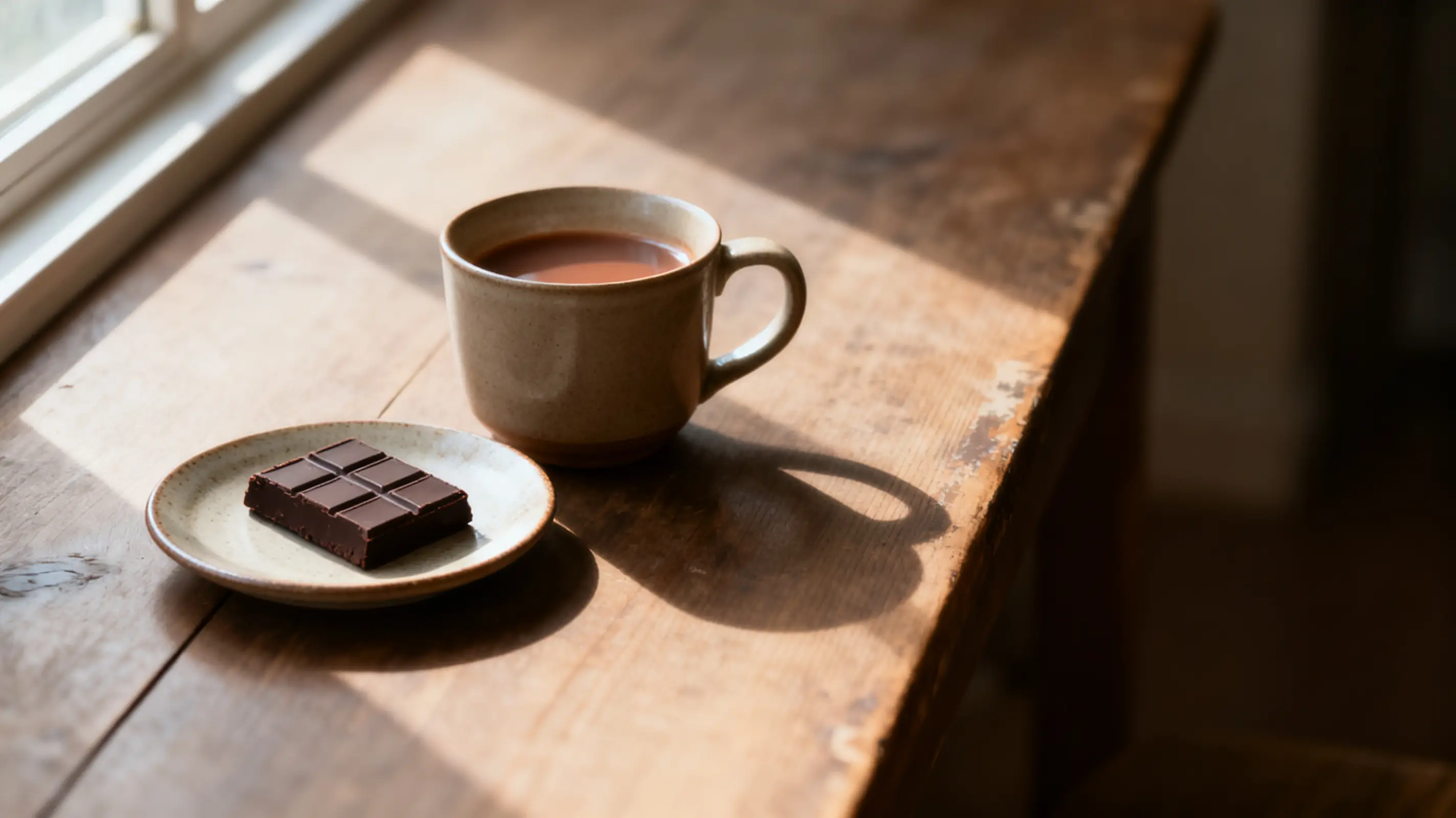
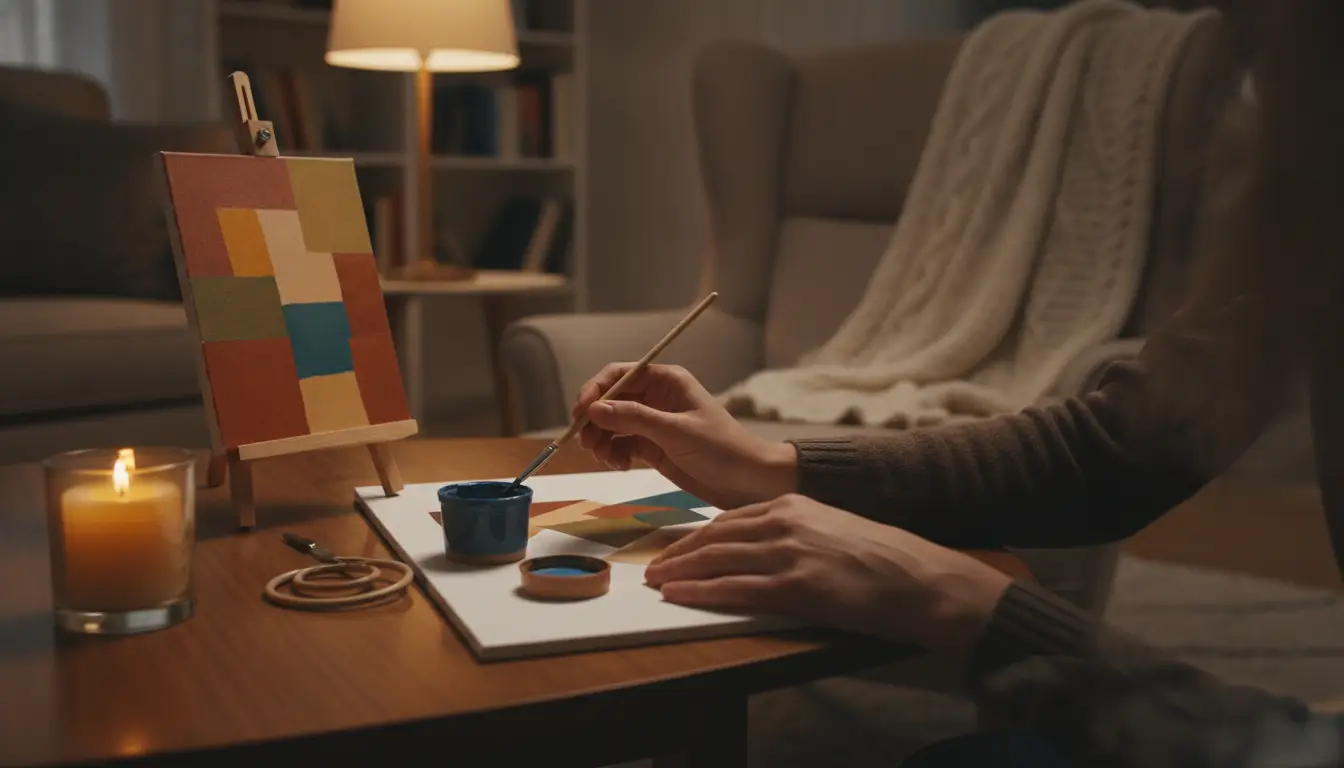
One of the most interesting shifts in consumer behavior is the move toward slower consumption. Instead of multitasking or consuming on the go, people are increasingly creating moments around small experiences.
This might look like stepping away from screens, sitting down with a drink, or taking time to enjoy a single piece of chocolate. The act itself becomes intentional, even if it only lasts a few minutes.
This approach changes how products are perceived. Instead of being disposable, they become part of a routine that adds structure to the day.
The Influence of Modern Lifestyles
Urban living, remote work, and constant connectivity have reshaped how people think about balance. With fewer clear boundaries between work and personal time, small rituals play a larger role in creating separation.
Evening routines, in particular, have become more defined. People look for ways to transition out of a work mindset and into something more relaxed. These transitions don’t need to be dramatic. Often, they are built around small, consistent habits that signal a shift in pace.
This is where thoughtful indulgence fits in naturally.
A More Refined Approach to Treats
The idea of a “treat” is no longer tied to spontaneity alone. It is increasingly associated with intention. Consumers are willing to spend more on something they perceive as higher quality, but they are also more selective.
This leads to a pattern where indulgence becomes less frequent but more meaningful. The focus moves away from volume and toward experience.
As a result, categories that combine familiarity, design, and controlled consumption continue to grow in relevance.
Final Thoughts
Modern lifestyles are not eliminating indulgence—they are reshaping it. Consumers are looking for products that fit seamlessly into their routines, align with their values, and offer a sense of intentionality.
From everyday rituals to occasional moments of pause, thoughtful choices are defining how people experience even the smallest parts of their day. Whether it’s a carefully brewed drink, a quiet evening routine, or a simple piece of chocolate, the emphasis is clear: less noise, more meaning.