If you’ve ever felt the throbbing pain of a headache disrupting your day, then you’re not alone. For many people dealing with frequent headaches and migraines, the solution might be simpler than expected: magnesium.
Research shows that up to 50% of migraine sufferers have low magnesium levels, and supplementation can significantly reduce headache frequency and severity. But with so many types of magnesium available, which one actually works best?
We’ll break down the best magnesium for headaches, comparing popular types like magnesium glycinate, oxide, and citrate. You’ll learn proper dosages, how each type works, and how to choose the right supplement for your needs.
Let’s find the magnesium that can help you get back to living headache-free.
Why Magnesium Works for Headaches
Magnesium plays a critical role in over 300 biochemical reactions, including nerve signaling and brain function. This essential mineral helps regulate neurotransmitters and may help influence migraine-related mechanisms such as cortical spreading depression (CSD), nerve excitability, and inflammation.
The science is compelling: research shows that up to 50% of people who experience migraines have low magnesium levels. The American Headache Society gives magnesium a Level B recommendation, meaning it “should be considered” for migraine prevention.
Unfortunately, magnesium deficiency is surprisingly common. Stress depletes magnesium stores, while caffeine and alcohol increase excretion. Processed foods lack adequate magnesium, and certain medications like diuretics, birth control pills, and heartburn drugs interfere with absorption.
Best Magnesium for Headaches: Top 5 Types Compared
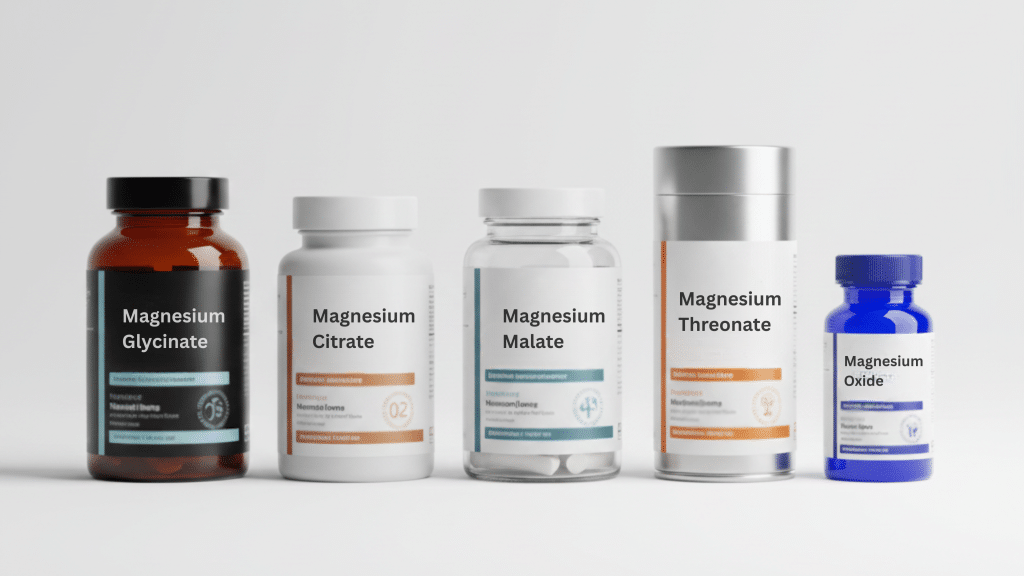
Not all magnesium supplements work the same way. It’s also worth noting that studies haven’t directly compared all forms head-to-head, so many recommendations come down to tolerability and what you can take consistently.
1. Magnesium Glycinate
Magnesium glycinate is bonded to the amino acid glycine, creating a highly absorbable form that’s exceptionally gentle on the stomach. This combination offers dual benefits: magnesium for headache prevention and glycine for calming the nervous system.
This form is ideal for long-term use since it rarely causes digestive upset, a common complaint with other magnesium types. If you deal with anxiety, poor sleep, or have a sensitive stomach, glycinate is your best bet.
Best for: Long-term prevention, anxiety, sleep issues, sensitive stomachs
Dosage: 200-500 mg daily
2. Magnesium Oxide
Magnesium oxide is the most studied form in clinical trials and the most affordable option. It’s widely prescribed for headache prevention and has solid research backing its effectiveness, particularly for people who experience aura or menstrual migraines.
However, there’s a trade-off: magnesium oxide has lower bioavailability than other forms, meaning your body doesn’t absorb it as efficiently. It also tends to cause digestive upset, including stomach discomfort and diarrhea. If budget is your main concern and you can tolerate potential side effects, oxide is a reasonable choice.
Best for: Budget-conscious individuals, menstrual migraines, and those with aura
Dosage: 400-500 mg daily
3. Magnesium Citrate
Magnesium citrate offers moderate absorption and dissolves easily in water, making it perfect for people who struggle with swallowing pills. This form also has a natural laxative effect, which can be beneficial if you’re taking migraine medications that cause constipation.
The downside? That same laxative effect may cause loose stools if you take too much. Start with a lower dose and increase gradually to find your tolerance level.
Best for: People who can’t swallow pills, those taking constipating medications
Dosage: 400-500 mg daily
4. Magnesium Malate
Magnesium malate is bound to malic acid, offering good bioavailability without the harsh digestive effects of oxide or citrate. This form is particularly beneficial for people dealing with fibromyalgia or chronic fatigue syndrome alongside their headaches.
Malic acid supports energy production at the cellular level, which may help if fatigue is one of your headache triggers or symptoms.
Best for: Fibromyalgia, chronic fatigue, or chronic pain alongside headaches
Dosage: 300-400 mg daily
5. Magnesium Threonate
Magnesium threonate (often branded as Magtein) is the only form proven to effectively cross the blood-brain barrier, directly increasing magnesium levels in the brain. This makes it especially valuable for neurological conditions like migraines.
Studies show it supports cognitive function and memory, making it ideal if brain fog accompanies your headaches. The downsides are cost, it’s significantly more expensive than other forms, and its energizing effect, which means you should take it earlier in the day rather than at bedtime.
Best for: Direct brain benefits, cognitive concerns, brain fog
Dosage: 1,500-2,000 mg total compound (provides about 144 mg elemental magnesium)
Magnesium Glycinate for Headaches: Why It’s the Top Choice

Among all magnesium forms, magnesium glycinate stands out as the best choice for most people dealing with headaches and migraines. While we covered its basic benefits above, here’s why it deserves special attention.
The glycine amino acid bonded to magnesium doesn’t just improve absorption; it actively helps reduce stress and improve sleep quality, two of the biggest migraine triggers. This dual-action approach tackles headaches from multiple angles simultaneously.
Why magnesium glycinate works best:
- Magnesium has clinical support for migraine prevention, with glycinate offering better absorption and minimal digestive side effects for consistent use.
- Takes 3-4 months to reach peak effectiveness, making tolerability crucial for long-term adherence and successful headache prevention.
- Virtually no digestive side effects means you can stick with it daily without the discomfort common with other forms.
- Best overall balance of effectiveness, absorption, and tolerability across all demographics, making it the top choice for most people.
For consistent headache prevention, you can maintain long-term use of magnesium glycinate, which is the clear winner.
Dosage and Timing Guidelines
Guidance for migraine prevention often recommends about 400–600 mg of elemental magnesium per day, but the best dose depends on the person and the form used. Start at a lower dose and gradually increase to minimize digestive side effects like nausea or loose stools.
Many people prefer taking magnesium in the evening, but what matters most is consistency. Taking it with food and splitting the dose can help reduce stomach upset.
Be patient with results. Magnesium works preventively, not acutely. It may take up to three months to see the full benefit of consistent use to reach peak effectiveness. Don’t expect it to stop a headache in progress.
Important note: Always consult your doctor before starting supplements, especially if you take medications or have kidney issues. Children typically need 9 mg per kilogram of body weight daily, while pregnant women should work with their healthcare provider.
Choosing a Quality Supplement

When shopping for magnesium supplements, quality matters as much as the type you choose. Here’s what to look for:
- Minimal fillers and additives: The fewer ingredients, the better. Avoid supplements packed with unnecessary binders and fillers that dilute the actual magnesium content.
- Check elemental magnesium content: Labels show total compound weight, not just the usable magnesium. Always verify how much elemental magnesium you’re actually getting per dose.
- Consider vegan capsules: These typically contain fewer ingredients and use vegetable cellulose instead of gelatin, which can be triggering for people sensitive to glutamate.
- Avoid long ingredient lists: If you see more than five ingredients, the supplement likely contains more fillers than actual magnesium.
- Third-party testing preferred: Look for certifications from independent labs to ensure quality and purity.
- Bioavailability over price: A cheaper supplement with poor absorption offers little value. Invest in forms your body can actually use.
Potential Side Effects and Safety
While magnesium is generally safe, some people experience digestive side effects, including nausea, diarrhea, and stomach upset. If you’re prone to these issues, choose magnesium glycinate or malate; both are significantly gentler on the digestive system than oxide or citrate.
Specific individuals should exercise caution. If you have kidney disease, your body may struggle to eliminate excess magnesium. Those taking specific medications should also consult their doctor, as magnesium can interact with antibiotics, blood pressure medications, and diuretics.
Signs of too much magnesium include muscle weakness, low blood pressure, and irregular heartbeat, though this is rare with oral supplements. Always consult your healthcare provider before starting any new supplement regimen.
Conclusion
Magnesium offers a safe, effective, and affordable approach to headache prevention, with strong scientific backing from the American Headache Society. Among all options, magnesium glycinate provides the best balance of absorption, tolerability, and effectiveness for most people.
The key to success is consistency and patience. Magnesium works preventively and takes 3-4 months of daily use to reach peak effectiveness. Choose a quality supplement with minimal fillers and start at a lower dose to avoid digestive upset.
Before starting any new supplement, consult your healthcare provider to determine the right type and dosage for your specific needs.
Ready to find the best magnesium for headaches? Begin your prevention journey today with a quality magnesium supplement.