Stepping out of the shower and noticing more hair than usual swirling down the drain can feel unsettling.
If you’ve been sick, stressed, or simply not drinking much water lately, it’s natural to wonder: can dehydration cause hair loss?
The timing can make it even more confusing; one week, everything seems normal, and the next, your brush looks fuller than it should.
Maybe your hair feels rough and frizzy no matter what you use, or your scalp feels tight and itchy in a way you can’t ignore.
Whatever brought you here, you’re not alone. Let’s look at what could be happening and why it might be showing up now.
Does Dehydration Cause Hair Loss?
Dehydration doesn’t usually cause permanent hair loss, but it can make hair look thinner in two ways.
First, low hydration dries out the hair shaft, reducing flexibility and increasing breakage, so strands snap, and volume seems diminished.
Second, dehydration often comes with physical stressors like illness, fever, surgery, extreme heat, or crash dieting, which can shift more follicles into the resting phase and trigger delayed shedding weeks to months later.
That’s why it’s essential to identify whether you’re seeing shedding, breakage, or true thinning, because each needs a different approach for recovery and results.
Hair Shedding vs Hair Breakage vs Hair Loss
Use this quick comparison to connect dehydration symptoms to what you’re seeing, so you choose the right solution fast.
| Hair Shedding | Hair Breakage | Hair Loss (Thinning) |
|---|---|---|
| Falls from the root with a white bulb | Snaps along the shaft, usually no bulb | Progressive thinning as follicles shrink over time |
| Typically full-length strands | Short, uneven pieces | Often hairline/crown pattern (or widening part) |
| Normal: 50–100 hairs/day | Often linked to dryness + damage | Often genetic/hormonal |
| Can spike after stress/illness (“delayed shed”) | Worse with heat, chemicals, friction, tight styles | Doesn’t usually improve from hydration alone |
| Helps: fix trigger + patience | Helps: moisture + gentle handling | Helps: medical/derm-guided treatments |
Once you know the category, focus on hydration for breakage, triggers for shedding, and medical care for thinning.
Other Contributing Factors for Hair Loss
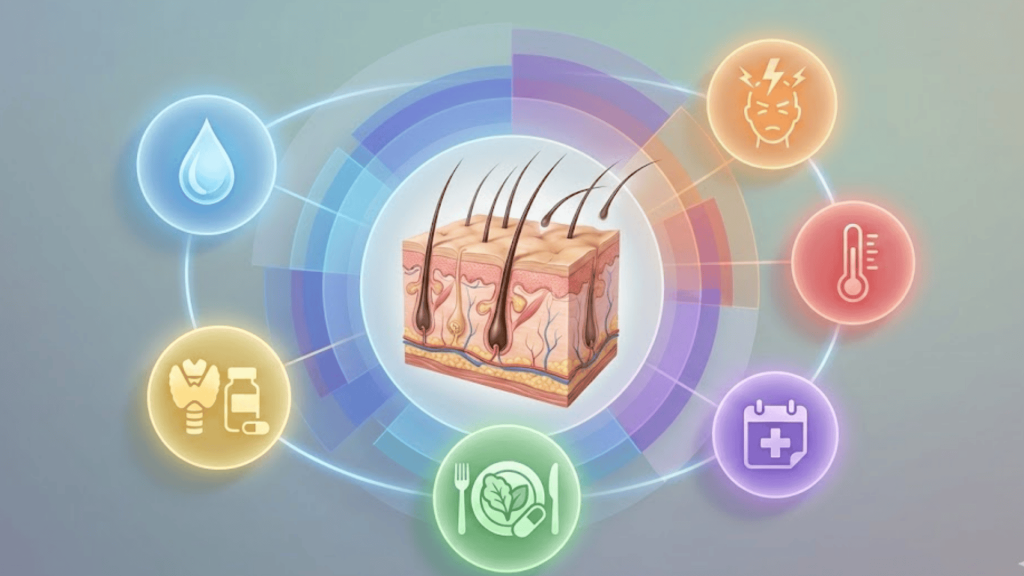
Hair issues rarely have one cause. Dehydration may contribute, but it often overlaps with other common triggers.
- Stress, illness, surgery: High fever, procedures, or severe stress can trigger delayed shedding; low water intake can intensify effects.
- Nutritional gaps: Low protein, iron, vitamin D, or zinc weakens follicles; poor eating habits often pair with inadequate hydration.
- Thyroid and hormones: Overactive or underactive thyroid can change hair texture and growth and may affect fluid balance.
- Medications and dehydration risk: Some drugs list hair changes as side effects, and certain medicines can increase fluid loss.
- Scalp inflammation and postpartum shifts: Dermatitis/psoriasis and postpartum hormone drops disrupt growth.
Triggers often stack; dehydration, stress, low nutrients, and inflammation can push follicles past their limit quickly.
The Science of Hair Growth and Hair Loss
Understanding your hair’s natural rhythm helps set realistic expectations for recovery, especially when shedding appears weeks after a stressful event.
Every hair on your head cycles through three phases:
- Anagen (growth phase): Hair actively grows for 2–7 years. About 85–90% of your hair is in this phase right now.
- Catagen (transition phase): A brief 2–3 week phase that signals the end of active growth as the follicle shrinks.
- Telogen (resting phase): Hair rests for 2–4 months before shedding and being replaced by a new strand.
Stressors like illness, fever, surgery, postpartum changes, crash dieting, and dehydration can push more hairs into the resting phase early.
Instead of about 10% resting, a larger percentage pauses, so 2–3 months later, shedding can spike.
Hydration supports circulation, nutrient delivery, and scalp comfort.
When hydration drops, the scalp may feel tight and dry, and hair can become frizzier, tangle more, and break more easily. This “delayed shed” is often temporary.
Can Dehydration-Induced Hair Loss Be Reversed?
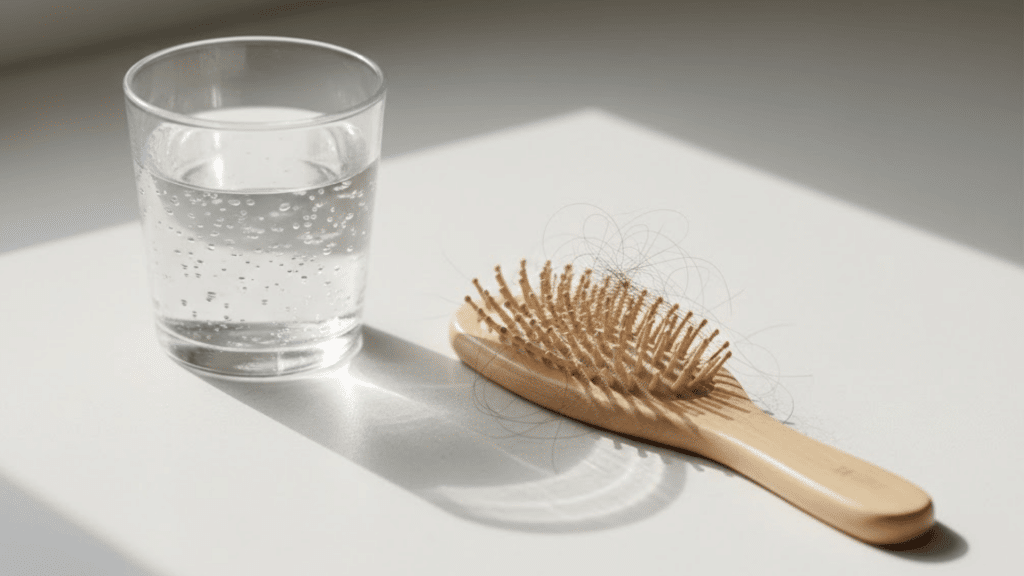
Dehydration-related hair issues are often reversible, but outcomes depend on the cause.
Dryness-driven breakage can improve within weeks once you rehydrate and condition consistently.
If shedding follows illness or significant stress, it typically slows within 3–6 months after recovery, and new growth gradually replaces lost strands.
However, genetic pattern hair loss won’t regrow from hydration alone, and scarring alopecias don’t reverse because follicles are permanently damaged.
Hair lost long ago without treating the root cause also rarely returns just by drinking more water.
| Timeline | What to expect |
|---|---|
| 1–4 weeks | Less itch/tightness, less breakage |
| 2–3 months | Shedding slows (if temporary) |
| 6–12 months | Noticeable regrowth and fullness |
Hydration helps hair look healthier, but lasting results come from consistent habits and treating the real cause behind shedding.
Signs Dehydration May Be Affecting Your Hair
When hydration drops, your hair and scalp can show it quickly. These eight signs help you spot dehydration-related changes.
- Hair feels rough and straw-like: Even after conditioning, strands stay coarse and stiff, signaling low moisture and reduced flexibility.
- Hair breaks easily: Fingers or brushing cause snapping because dehydrated strands lose elasticity and fracture under mild tension.
- Split ends develop fast: Ends fray quickly despite trims when dryness weakens the cuticle and increases everyday friction damage.
- Hair looks dull and lifeless: Less shine and bounce can happen when dry strands can’t reflect light smoothly anymore.
- Frizz and flyaways stay out of control: Moisture imbalance makes strands swell and misbehave, overpowering anti-frizz products and styling efforts.
- Scalp feels tight, itchy, or sensitive: Dry scalp skin often feels uncomfortable, reactive, and irritated, especially after washing.
If these signs persist, hydrate consistently and simplify hair care: ongoing scalp irritation or heavy shedding warrants expert advice.
When to Consider a Hair Transplant
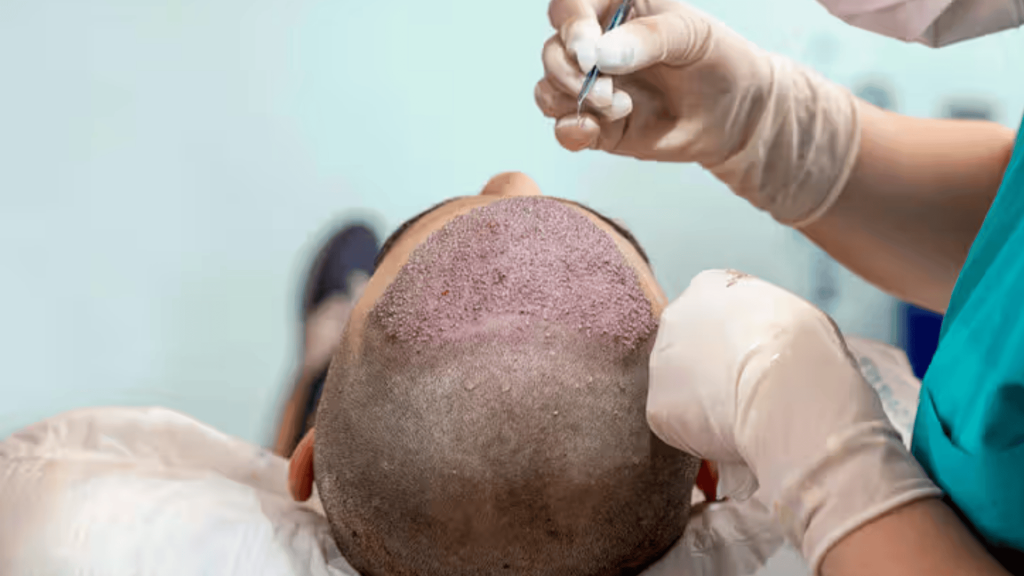
Hair transplants move healthy follicles from the back/sides of your scalp to thinning areas, so they keep growing with the same genetics.
They work best for stable pattern hair loss, good donor density, and realistic expectations, usually after age 25, when your pattern is more precise.
If you’re in an active shedding phase (like telogen effluvium), have untreated scalp inflammation, or your loss is rapidly progressing, it’s smarter to wait.
Results build gradually over 12 months and may require more than one session for density.
Other Hair Loss Treatments
If surgery isn’t right, dermatologist-led treatments can help—especially for pattern loss, inflammation, and hormone-related thinning.
- Diagnosis + targeted labs: Dermatologists identify the cause and may test iron, vitamin D, and thyroid markers to guide treatment.
- Prescription medications: Options like finasteride (men) or spironolactone (women) can slow hormonal thinning and support regrowth.
- Platelet-rich plasma (PRP): Your plasma is injected into the scalp to stimulate follicles, often used alongside other therapies.
- Low-level laser therapy: FDA-cleared laser devices may improve follicle activity and thickness with consistent, long-term use.
Pair medical care with home and OTC basics: gentle washing, less heat and tension, scalp care, and consistent minoxidil, to protect gains and reduce breakage.
Alongside medical treatments, peptides are becoming more common in hair and scalp care for their supportive role in promoting repair and healthy growth. Some peptides are formulated to help strengthen the hair shaft, support follicle function, and improve overall scalp health, which can be especially helpful during recovery from shedding or breakage. When using peptide-based hair or scalp products, an online peptide dosage calculator can make it easier to include these products consistently within a well-rounded hair-care routine.
Hydration and Hair Health Tips That Actually Work
Prevention beats treatment every time: these simple hydration and hair-care habits reduce breakage and support stronger, healthier hair overall.
- Drink enough water daily: Aim for 8–12 cups; increase in heat or activity to support circulation, scalp comfort, and overall hydration balance.
- Hydrate before caffeine: Start mornings with a full glass before coffee to prevent early dehydration and maintain steadier energy and moisture.
- Make water visible and track it: Keep a reusable bottle nearby, set reminders, or use an app; consistent sips beat occasional chugging.
- Add electrolytes when needed: During intense exercise, vomiting/diarrhea, or extreme heat, replace minerals with electrolytes or coconut water.
- Protect hair to prevent breakage: Deep condition weekly, detangle gently, use a wide-tooth comb wet, and limit chemical processing.
- Support growth with lifestyle habits: Sleep 7–9 hours, manage stress, and avoid crash diets. Body stress can trigger temporary shedding.
Stay consistent: hydration plus gentle hair care and stress-smart routines can improve hair quality and reduce shedding triggers.
How Dehydration Impacts Your Skin and Nails
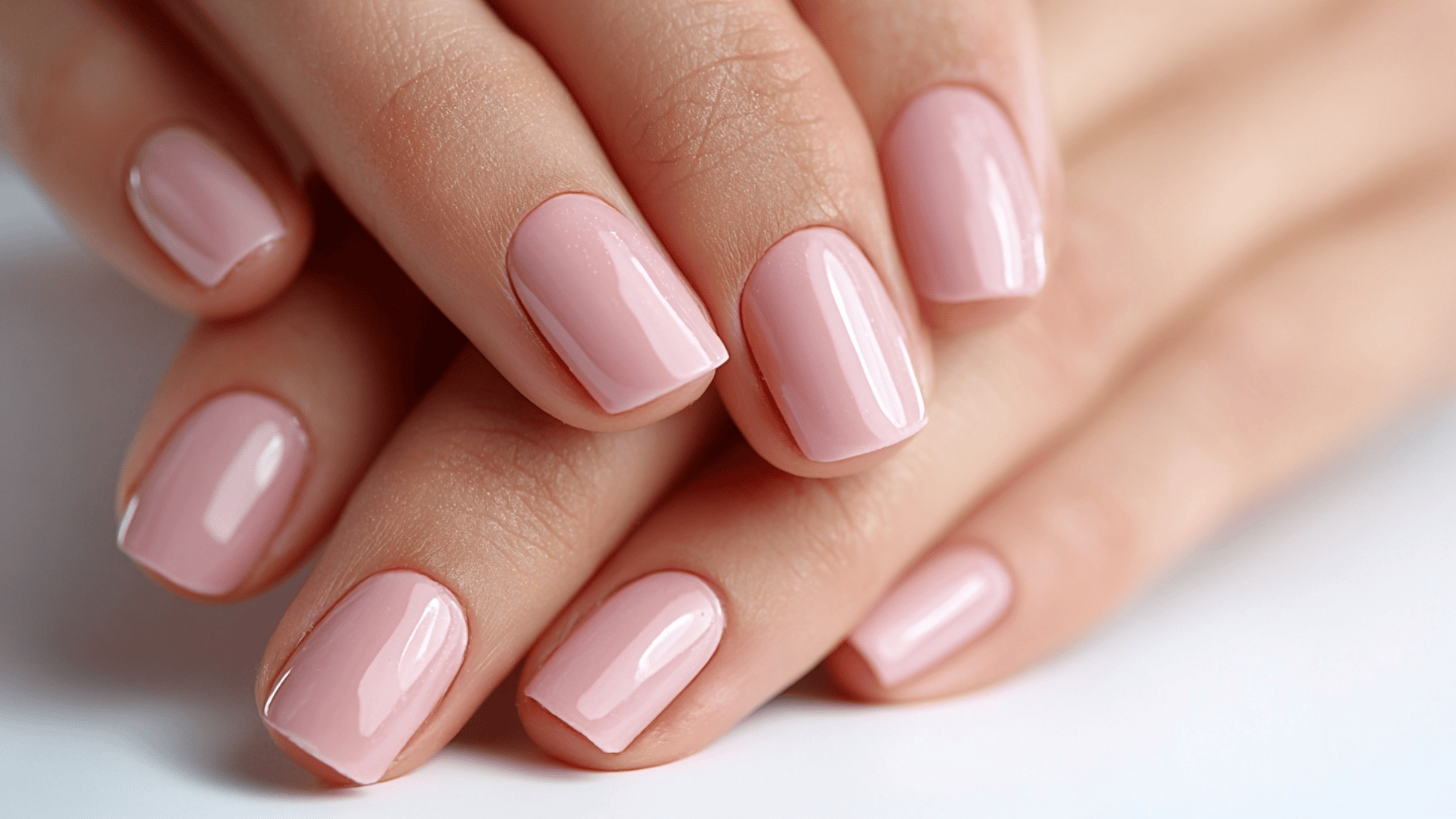
Dehydration doesn’t just affect hair; it also shows up in your skin and nails. Skin may feel tight and less elastic, look dull or rough, and make fine lines seem more noticeable.
You might also notice extra sensitivity, irritation, and slower healing of minor cuts or blemishes.
Nails can become brittle, peel at the tips, develop vertical ridges, and grow more slowly.
Supporting recovery is simple: hydrate consistently and use moisturizers to protect the skin barrier.
Final Thoughts
Can dehydration cause hair loss? Yes, usually as breakage and delayed shedding, especially when stress, illness, or poor nutrition are also in play.
The fastest way to turn things around is consistency: drink enough water daily, support your body with protein-rich meals, and handle hair gently to reduce snapping.
If shedding continues beyond six months, becomes patchy, or thinning keeps progressing, don’t keep guessing; get a dermatologist to identify the real cause and the proper treatment.
Want a simple start today? Fill a water bottle now, set two reminders, and book a hair/scalp check if you’re still worried.
Frequently Asked Questions
Can Dehydration Cause Hair Loss Overnight?
No, dehydration-related changes take time, usually showing as dryness or delayed shedding weeks later.
Does Coffee Or Tea Dehydrate Enough To Affect Hair?
In moderation, they’re fine; overall fluid intake matters more than caffeine for hydration.
Can Electrolytes Help Hair If Water Isn’t Enough?
Electrolytes help during heavy sweating, illness, or heat when mineral losses worsen dehydration symptoms.
What’s The Best Way To Track Hydration For Hair Health?
Use a marked bottle or app; aim for steady intake, pale urine, and fewer thirst cues.