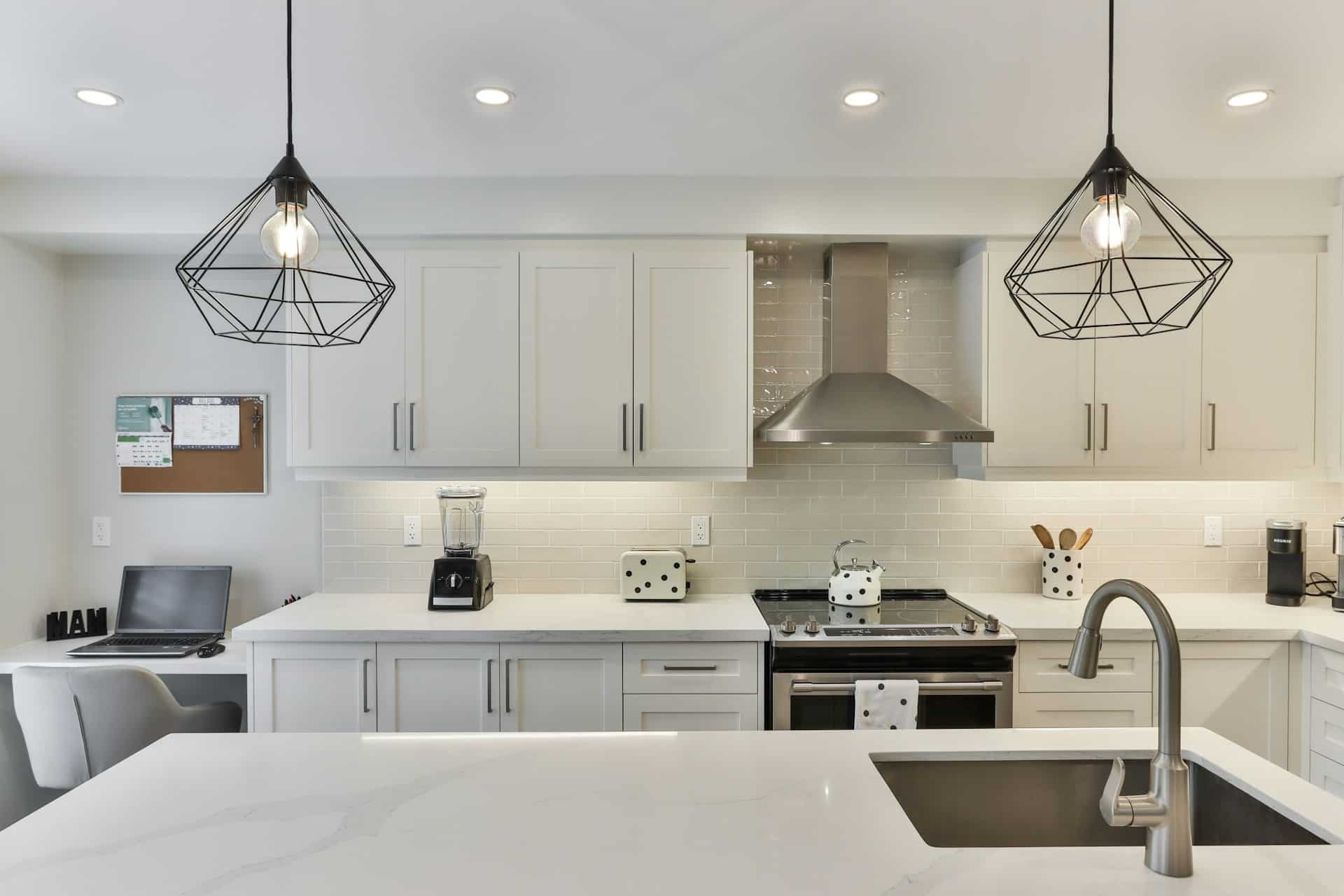
The pace of everyday life hardly asks for permission before sweeping people along. Yet a kitchen has the power to soften that feeling. When the room is arranged in a way that encourages steady movements and simple rituals, cooking stops being a task to “get through” and becomes something more grounding altogether. But a slower rhythm isn’t about performing domestic bliss; it’s about giving ordinary moments a bit more breathing space.
What Slow Living Means in the Kitchen
Slow living, in design terms, isn’t defined by rustic jars and handmade pottery, though those pieces can be part of the charm. It’s more about reducing friction. Surfaces that aren’t overloaded, tools that earn their keep, and a layout that moves naturally with daily habits all contribute to a gentler flow.
The trend has gained traction partly because people are craving moments that feel tangible and restorative, especially during the hours spent preparing food.
It also reflects a shift towards valuing the process itself. Chopping herbs, stirring a pot, or making tea becomes easier to appreciate when the surroundings feel calm. Warm timber cabinets, sturdy stone worktops, and soft neutral walls all help, and some prefer a lightly textured LVT floor to keep the room from feeling too polished or hurried.
The Power of Zoning
Zoning is one of the most practical ways to encourage a slower pace. When each area of the kitchen has a clear purpose, it’s simpler to stay present instead of darting back and forth.
Prep Zone: A generous prep space near natural light instantly makes chopping and assembling ingredients feel less frantic. A simple bowl of seasonal produce can live here, adding a quiet sense of abundance without cluttering the worktop. Underfoot, a warm parquet flooring can subtly mark the area, almost like a cue to settle into the rhythm of preparing food.
Cooking Zone: Keeping the hob, pans, oils, and spices within arm’s reach helps meals unfold without unnecessary fuss. Some prefer a rail system, while others prefer to tuck supplies away in drawers. Either way, the idea is to avoid the mid-recipe scramble. A slightly darker tone on the wall or splashback behind the cooker can create a visual pocket that feels focused and cocooning.
Eating Zone: This doesn’t need to be a dining table. A compact breakfast bar or a small bistro-style table can shift the energy from “standing and snacking” to actually sitting for a moment. Natural materials, like linen placemats, woven stools, and warm woods, help meals feel intentional. A rug layered over a durable kitchen floor can add softness without compromising practicality.
Pause Zone: Perhaps the most overlooked area. A chair by the window, a bench with a view of the garden, or even a slim shelf arranged with a teapot and favourite mug can create a designated moment of stillness. It’s the place to stand quietly while waiting for bread in the oven or to sip something hot between tasks. Soft-toned paint, low lighting, and tactile textures work particularly well here.
Materials That Encourage a Slower Mood
Slow kitchens often lean towards materials that age well. Wood with visible grain, stone with depth, and ceramic pieces that feel good in the hand. These elements develop character over time, which suits the philosophy perfectly.
Flooring plays a quiet but important role too. Pale oak planks, lime-washed boards, and herringbone parquet ground the room without dominating it. Their gentle tones make it easier to layer in textiles, plants, and small decorative details without the space feeling busy. Even the sound underfoot contributes to the atmosphere.
Light and Sound
A slower kitchen isn’t only about what can be seen. Lighting that shifts throughout the day makes a remarkable difference. Soft ambient lighting early in the morning, brighter task lighting for chopping, and a warmer glow for evening cooking all encourage a rhythm rather than a constant glare.
Sound is another subtle influence. The hum of a kettle, the soft scrape of a spoon in a bowl, the rustle of herbs being chopped, all feel different when the room isn’t echoing with hard surfaces alone. Curtains, rugs, and upholstered stools help soften acoustics.
Is a Slow Living Kitchen Worth Creating?
Making a kitchen slower is a matter of intention. Clearing a worktop, adjusting lighting, or rearranging utensils can create an immediate sense of calm. For those who enjoy cooking, reshaping the room to support a gentler pace can change the experience.
A kitchen that encourages mindful cooking becomes less of a backdrop and more of a companion to everyday life. When the space invites people to pause, the simplest meals often feel the most satisfying.