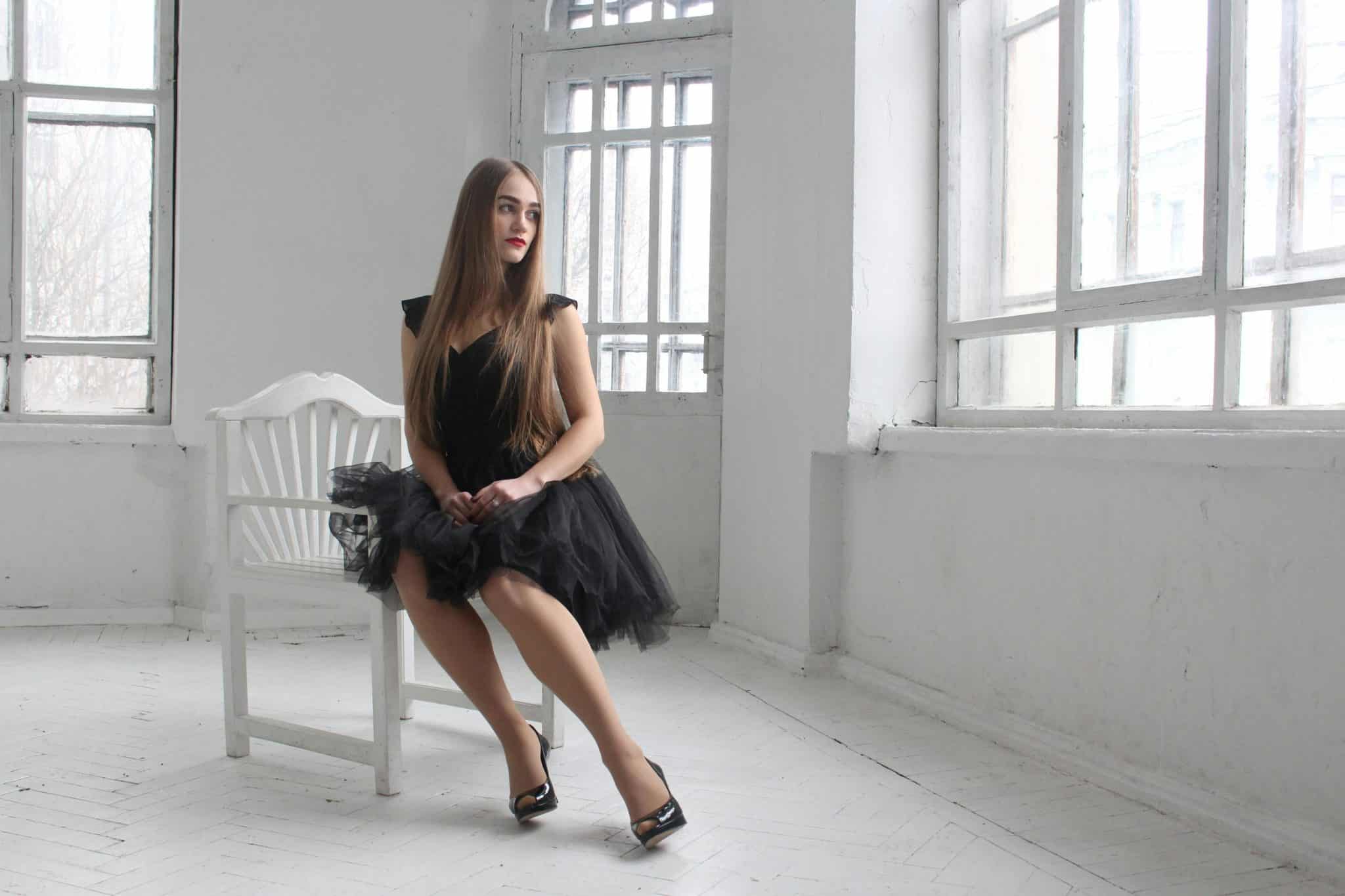
Dirndl is a cultural representation of Bavarian women, especially the working class. Historical evidence traces the presence of dirndl even during the 16th century with design elements and material details that no longer exist today.
Getting a dirndl now holds cultural value but inheriting an authentic dress from your family holds an unmatched sentimental value as well. Vintage dirndls are repurposed for their emotional linkage, with older hand-sewn pieces holding the highest price tag.
Vintage Dirndl Connecting Generations Through Culture
The Georgetown Voice published a notable personal essay where the author describes wearing a dirndl inherited from her grandmother, while wrestling with the dress’s complicated Nazi-era history and its conflation with German identity broadly in American culture.
American-facing brands like Dirndl Online Shop, Dirndl Delights, and Rare Dirndl explicitly market around heritage connection — one founder wore a dirndl gifted by her grandparents at her grandfather’s funeral, noting that her grandparents saw it as representative of their heritage regardless of whether they grew up in Bavaria
At Oktoberfest, countless women wear inherited dirndl dresses that are easily identified due to their classic appeal which doesn’t really exist now, no matter how “authentic” the brands claim. Vintage dirndl is an emotional bridge connecting generations of women who understood the power of traditional dress. Each inherited dirndl carries stories, memories, and cultural knowledge that transform a simple garment into a family treasure.
The practice of passing down dirndls represents something far deeper than sharing clothing. It’s about preserving cultural identity and strengthening family bonds that have endured for centuries.
Rare Known Fact:
Silver jewelry like brooches and chains known as schäppel in the Black Forest tradition, indicated family wealth. They were often passed down through generations as treasured heirlooms alongside the dirndl outfits themselves.
Inherited Dirndls Carry the Personal Stories of Women Who Wore Them
Inherited dirndls carry the essence of the women who wore them centuries ago. Every detail on a heirloom dirndl tells a story. The hand-embroidered flowers speak of patient evenings spent perfecting each stitch.
Carefully mended rips reveal the love invested in preserving the women’s dirndl from storms and calamities over the centuries. Slight alterations show how the dress adapted to different bodies across generations.
Regional significance adds another layer of meaning. A Chiemgauer dirndl tells a different story than an Ausseer design. The specific patterns, embroidery styles, and construction methods identify exactly where the family’s roots began.
Regional Dirndl Patterns Reveal a Family’s Alpine Origins
Different areas of the Alpine regions developed distinct dirndl characteristics over centuries. Salzburg dirndls feature different color palettes than Bavarian varieties. South Tyrolean designs incorporate unique embroidery motifs that reflect Italian influences.
These regional markers help families trace their geographical heritage through clothing. Many women discover their family origins by researching the specific style elements of their inherited dirndl.
Different Dirndls for Different Memories
Apart from the innate significance of an inherited dirndl, the occasions they were worn on also hold a sentimental value. Wedding dirndls hold special meaning as symbols of love and commitment passed through generations. Many families alter these dresses for multiple brides while preserving essential elements.
Confirmation dirndls mark religious coming-of-age ceremonies. These often represent a young woman’s first “adult” traditional dress. The emotional connection intensifies because confirmation dirndls witness the transition from childhood to womanhood.
Festival dirndls capture decades of community celebrations. They carry the joy of countless Oktoberfests, harvest festivals, and regional gatherings. These dresses practically hum with music and laughter from years of celebration.
The most solid and rigid built are those of working women. Their patches and reinforcements tell stories of resourcefulness and determination. These practical dresses reveal different aspects of family history. They show the dignity of daily labor and the pride women took in their appearance even during ordinary tasks.
The Craftsmanship Connection
Vintage dirndls showcase construction techniques that modern manufacturing has largely abandoned. Hand-sewn buttonholes reveal the patience of earlier generations. Traditional closures and hidden fastenings demonstrate sophisticated tailoring knowledge.
Many women become fascinated by the technical aspects of their inherited dirndls. They discovered construction methods that created durability lasting decades. They appreciate details like hand-finished seams and custom-fitted bodices.
Inherited dirndls often contain hidden elements that surprise their new owners. Secret pockets sewn into seams. Tiny monograms embroidered inside bodices. Religious medals sewn into linings for protection.
These discoveries create intimate moments of connection with previous owners. They reveal personal touches that make each dirndl unique and meaningful.
Creating New Memories While Honoring Old Ones
Women who inherit family dirndls face decisions about how to honor both past and present. Some preserve the garments exactly as received. Others make careful updates while maintaining essential character.
Many choose to wear their inherited dirndls to significant family events. Weddings, christenings, and milestone birthdays become opportunities to honor ancestral women while creating new memories.
The emotional satisfaction of wearing an inherited dirndl to important occasions creates a sense of generational presence. Family members notice the connection and share their own memories of seeing the dress at previous celebrations.
Teaching Through Traditional Dress
Many families use inherited dirndls as educational tools. Young women learn about proper dirndl etiquette, regional customs, and festival traditions through hands-on experience with family garments.
This practical education creates deeper understanding than theoretical knowledge alone. When someone wears a great-grandmother’s dirndl to their first Oktoberfest, they participate in authentic cultural transmission.
A Chance to Reunite Your Beloved
For families separated by immigration or relocation, inherited dirndls provide tangible connections to distant homelands. These garments carry the scents, textures, and craftsmanship of places left behind.
Second and third-generation immigrants often discover their strongest cultural connections through inherited traditional clothing. The dirndl becomes a bridge across oceans and decades.
These connections gain particular significance during cultural celebrations in new countries. Wearing grandmother’s dirndl to a German-American festival creates authentic participation rather than cultural performance.
The Responsibility of Cultural Stewardship
Inheriting a family dirndl comes with emotional responsibility. Recipients become stewards of cultural knowledge and family memory. This responsibility often feels simultaneously honorable and weighty.
Many women describe feeling accountable to previous generations when wearing inherited dirndls. They want to represent their family’s heritage with dignity and authenticity.
This stewardship extends beyond the individual wearer. Inherited dirndls often influence how families approach cultural education for children and grandchildren.
A Chance to Revive Family Connections
For many women, inheriting a family dirndl provides comfort during difficult times. Wearing grandmother’s traditional dress during grief or major life transitions creates a sense of ancestral support.
The physical act of putting on a beloved family member’s clothing can feel like receiving a hug across time. The familiar weight and drape of the fabric provides tangible comfort when words fail.
Some women report feeling guided or protected when wearing inherited dirndls during challenging occasions. The garment serves as both armor and embrace.
Alpine Artisan Families Pass Down Dirndl-Making Skills Through Generations
Beyond individual family heirlooms, there’s a parallel inheritance of craft. Bavaria and Austria have numerous skilled artisans who keep dirndl-making alive — many are family-run ateliers that have been sewing dirndls for generations, with workshops filled with patterns, ribbons, trims, and fabrics sourced from Alpine weavers.
Embroiderers create intricate designs using centuries-old patterns, leather workers craft authentic lederhosen using traditional methods, and lacemakers produce the delicate work that adorned regional headdresses — many offering workshops and apprenticeships ensuring these skills pass to new generations.
The Modern Revival of Traditional Significance
Contemporary interest in traditional clothing has transformed inherited dirndls from simple keepsakes into emotionally significant pieces.
Young women today actively reclaim their cultural heritage, and this shift makes family dirndls more valuable than ever.
Many add modern touches like updated aprons, contemporary blouses, or fresh accessories that bridge the gap between a grandmother’s era and their own, keeping the garment wearable rather than archival.
Social media has accelerated this movement. Women post photos wearing their grandmother’s dirndl, often styled with modern elements, and the images draw warm responses from family members who remember the original owner. These updates extend the garment’s history rather than dilute it.
Summary
Dirndl dresses have seen multiple generations over the years but remained steadfast as a symbol of Bavarian tracht.
Vintage dirndls come with a higher price tag due to the traditional craftmanship, the authenticity, and the sentimental value but the significance surpasses the monetary value.
Consider yourself lucky enough if you get a chance to inherit a dirndl because no amount of contemporary details, vibrant colors, and claimed authenticity beat the elegance, durability, or cultural connection of the 16th century.