Your hair sits on top of you like a crown, yet treating it right changes everything about its look and texture. Even so, many go along unaware, repeating moves that quietly wear it down. Whether you’re easing into the evening after hours at work or sharing jokes during a round of Tongits—these pauses show how tiny routines matter more than expected. Scrubbing daily feels fresh, though over time it pulls out natural oils bit by bit. Skip protection before hot tools meet strands? This piles on tension every single time. Here’s what happens instead: noticing those slips shifts the whole situation without noise.
Fixing common hair mistakes might be easier than expected—small shifts add up quietly. Strength, shine, life—they return when habits shift just right.
1. Washing Too Frequently (or Not Enough)

Oddly enough, daily shampooing tends to remove essential oils, resulting in strands that feel rough, weak, and more likely to snap. Meanwhile, skipping washes for weeks leads to layers of grease, grime, and leftover styling goo—this gunk drags locks flat, killing shine.
How to fix it:
- Start by checking what kind of hair you have, because that shapes how often to clean it. If your hair is thin or gets greasy fast, try rinsing every couple of days. Curly strands or those feeling rough might do better with less frequent showers—maybe just one or two times per seven days.
- Lather up with something mild and free of sulfates so it washes away dirt but leaves moisture behind.
- Try rinsing with just conditioner if your hair has curls or texture—this helps hold moisture longer between cleansings.
2. Skipping Conditioner
Some folks leave out conditioner, thinking it cuts down on routine time or products. Yet that move often backfires. Moisture gets lost without it. Hair feels rougher between fingers. Tangles show up more easily during combing.
How to fix it:
- Avoid skipping conditioner after shampoo—it should match what your hair needs. Start here if you want better results later.
- Once weekly, try a rich hair treatment if your strands feel parched or brittle—it brings back moisture.
- Middle parts and tips get the conditioner—roots stay light that way.
3. Using the Wrong Hairbrush
A tangle near the roots might snap when yanked by a rigid-toothed tool. Wet threads weaken—aggressive scraping speeds up splitting at the tips.
How to fix it:
- Start gently with a wide-tooth comb when your hair is wet. Or try a detangling brush instead if that feels better. Either tool helps prevent breakage during grooming.
- Begin at the tips, slowly moving toward the roots to avoid snapping strands.
- A single swipe of a boar bristle brush helps spread your scalp’s oils down the strands when hair feels parched. Smoothing happens naturally as the bristles glide through. This kind often works better than plastic on brittle textures.
4. Excessive Heat Styling
Using hot tools every day might slowly damage strands. Over time, hair feels rougher, looks puffier, and loses strength. Coloring fades quicker when exposed to high temperatures often.
How to fix it:
- When you can, skip the hot tools—try tying your hair into braids instead. Waves still show up without the damage.
- Start every styling session by shielding hair—spray on a protective layer first. Hot tools need that barrier, so spread serum evenly prior to heating strands. Protection matters most when temperature rises, making pre-treatment essential. Before turning anything on, coat each section lightly with a defense product.
- Cool it down just enough to get the job done—too much warmth can backfire.
5. Overlooking Scalp Health
A fresh start for your hair often comes from what lies underneath. When the scalp doesn’t get attention, problems like flakes or irritation might show up. Poor care here could mean slower growth over time.
How to fix it:
- Once in a while, try clearing away flakes by brushing softly. A mild scrub now then helps lift what sticks around.
- Fingers moving in circles on wet hair can wake up tiny vessels beneath the skin. That motion brings more life to roots where growth begins. Blood travels easier when nudged this way through hidden pathways.
- A touch of argan oil works well when the scalp feels tight. Jojoba steps in gently, adding moisture while leaving pores clear. Light textures keep things balanced—no heaviness, just relief spreading slowly.
6. Using Too Many Products
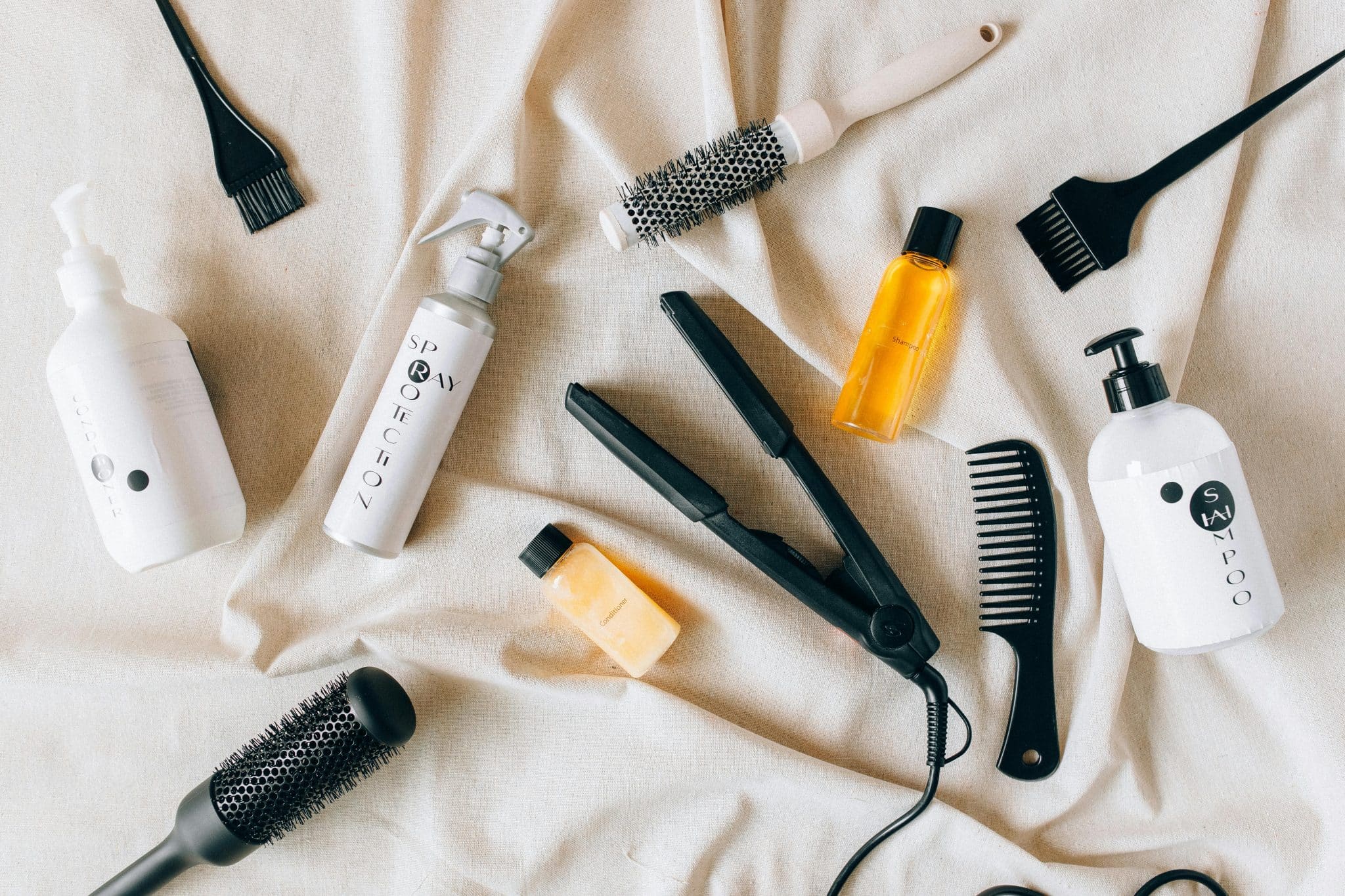
Slathering on too many products might seem helpful—yet it often backfires. Serums, sprays, and then heavy creams weigh strands down instead of lifting them up. Residue builds quietly, leaving hair flat, slick, and lacking spark.
How to fix it:
- Start with just shampoo. Then move to the conditioner. A single extra step—maybe a mask or serum—is often plenty. Simple works fine.
- Once in a while, wash your hair softly to clear away what has gathered. How often? Maybe every week or two.
- A single solid item often beats a pile of mediocre ones. What matters most isn’t how much you have, but how well it works.
7. Neglecting Regular Trims
When split ends stay, they climb the strand, causing snaps and a ragged look. Not cutting your hair gives a short-term gain in length, yet weakens its strength over time.
How to fix it:
- A few months apart works well—timing shifts based on how fast your hair grows or what you’re aiming for.
- Snipping the tips stops splits from moving further up.
- Curls need cutting along their natural swirl to keep the right form.
8. Ignoring Hair Type Needs
Some routines fit certain textures better than others. Take curly strands—products built for smooth locks might drag them flat or spark flyaways instead.
How to fix it:
- What kind of texture do you see when your hair dries? That shape hints at how it wants to be treated.
- Start with items built for how your hair naturally falls. Then pick what brings you closer to the look you want.
- When seasons shift, so should your habits—moisture levels, sunlight intensity, and heat change how hair behaves.