Choosing the perfect hair extension length is one of the most exciting yet nerve-wracking parts of a hair transformation. We have all seen those “hair fail” photos where the extensions look like a separate shelf sitting atop the natural hair.
The secret to avoiding that isn’t just the color or the quality of the hair – it is getting the length and the blending exactly right.
Whether you are looking for a subtle volume boost or a dramatic “Rapunzel” moment, understanding how extension lengths actually translate from a package to your body is essential.
Hair doesn’t fall the same way on everyone; a 20-inch set might hit at the waist for one person and just above the ribs for another. In this guide, we will break down the math and the art of choosing your perfect match.
A Complete Overview of Hair Extensions Length Options
When you start browsing for hair, you will notice that extension sizes are almost always listed in inches. Most brands offer a standard range from 12 to 30 inches. However, the most popular choices usually fall between 16 and 22 inches because they offer the most natural-looking results for daily wear.
- 12 to 14 Inches (Short): These lengths are primarily used to add thickness rather than for dramatic length. They usually fall just below the collarbone and are perfect for filling out a bob or a lob.
- 16 to 18 Inches (Medium): This is the “sweet spot” for many first-time users. These extension sizes generally reach the mid-back or bra-strap level, providing a noticeable change that is still very easy to manage.
- 20 to 22 Inches (Long): If you want that classic “long hair” look, this is where you start. These lengths usually hit the small of the back and offer plenty of hair for braids, curls, and updos.
- 24 Inches and Beyond (Extra Long): These are for the bold. These different hair extension lengths require more maintenance and weight management but provide a high-fashion, high-impact aesthetic.
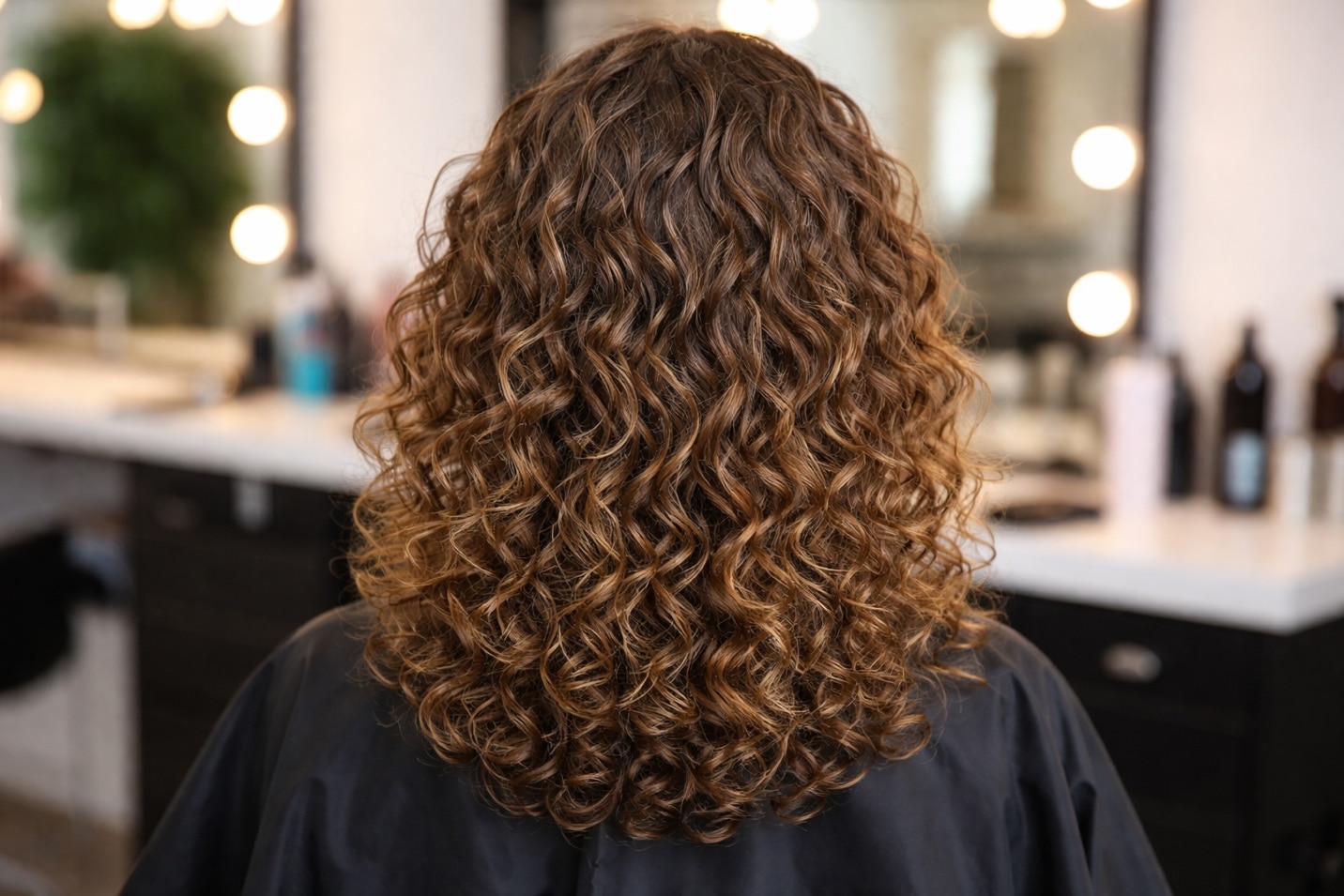
It is important to remember that curly and wavy hair will appear shorter than straight hair of the same length. If you plan to curl your hair daily, always size up by at least 2 inches to account for the “shrinkage” that occurs when hair is coiled.
How to Choose the Right Extension Lengths for Your Face Shape
Not all extension lengths look the same on every face. Just like a haircut, the length of your extensions can highlight your best features or, if too long, elongate a face that is already quite narrow. Finding the right balance is about creating a frame that complements your natural bone structure.
- Round Face Shapes: Longer extension lengths (20 inches or more) are great for round faces because they create vertical lines that elongate the face, making it appear more oval.
- Square Face Shapes: If you have a strong jawline, mid-range different hair extension lengths with soft layers are ideal. Avoid blunt ends that hit the jaw directly, as this can accentuate the “squareness.”
- Heart Face Shapes: Adding volume and length around the collarbone and chest area helps balance out a wider forehead and a narrower chin.
- Long or Oval Faces: You have the most flexibility, but be careful with extremely long, straight hair. If the hair is too long and flat, it can make the face look tired or “pulled down.”
If you are looking for high-quality hair with a variety of textures to suit these shapes, you might check out his and hers extensions for a wide selection of professional-grade options. Matching the texture is just as important as the length when it comes to framing your face correctly.
Matching Extension Sizes to Your Natural Hair Length
One of the biggest mistakes people make is choosing a hair extension length that is too far removed from their starting point. If your natural hair is a chin-length bob and you put in 24-inch extensions, the transition will be very obvious. To achieve a seamless blend, your natural hair lengths need to “marry” with the extensions.
- The 2-4 Inch Rule: For the most natural look, try not to go more than twice the length of your natural hair. If your hair is 10 inches long, an 18-20-inch extension is usually the maximum for a clean blend.
- Layering for Short Hair: If you have short hair lengths, you will need more grams of hair (higher density) to hide the “edge” of your natural hair. You will also likely need a stylist to cut layers into the extensions.
- Blunt vs. Tapered Ends: If your natural hair has very blunt ends, it is harder to hide in long extensions. Thinning out your natural ends slightly or choosing extensions with tapered ends can help the two textures mix.
When comparing extension lengths, always consider where your shortest layer ends. That layer acts as the “bridge” between your scalp and the new length. If that bridge is too short, the extensions will look like a “tail” attached to the back of your head.
Visual Guide: What Different Hair Extension Lengths Look Like
Because everyone’s torso length is different, a visual extension length comparison is often more helpful than just looking at numbers. A 5′ 2″ person will find that 20-inch hair reaches their waist, while a 5′ 10″ person will find it only reaches their mid-back.
- 16-Inch Visual: Typically hits right at the bra strap. This is a very “believable” length that doesn’t feel heavy and is great for people with active lifestyles who still want long hair.
- 20-Inch Visual: Usually reaches the small of the back. This is the classic “Influencer” length. It provides enough hair for those thick, chunky curls that stay looking full from root to tip.
- 24-Inch Visual: Often reaches the hips. This length is a commitment. It requires more brushing, more product, and a bit more patience when washing and drying.
When looking at different hair extension lengths, think about your daily routine. If you spend a lot of time at the gym or in professional environments where long hair might be distracting, the medium lengths (16-18 inches) offer the best of both worlds.
Extension Length Comparison: Short vs. Medium vs. Long
To help you decide, let’s compare final extension lengths based on lifestyle and maintenance levels. Each length category comes with its own set of pros and cons that go beyond how they look in the mirror.
- Short Extensions (12-14″):
- Pros: Very lightweight, uses less product, dries quickly, and is the most affordable.
- Cons: Doesn’t offer a “dramatic” change; mostly for thickness.
- Medium Extensions (16-20″):
- Pros: The most versatile for styling, fits most body types well, and provides a clear transformation.
- Cons: Requires regular brushing to prevent tangles at the nape of the neck.
- Long Extensions (22″+):
- Pros: Incredible for photos, weddings, and special events. High “glamour” factor.
- Cons: Can be heavy on the scalp, takes a long time to style, and costs more due to the hair’s weight.
Ultimately, the best hair extension length is the one that makes you feel most confident. Don’t feel pressured to go for the longest option just because it’s available. Sometimes, adding just 2 or 3 inches of high-quality hair with the right extension sizes can make a bigger impact than 10 inches of hair that doesn’t blend well.
Take your time, measure from your ear down to see where the inches fall on your specific frame, and always consult with a professional if you are unsure.
Whether you choose short, medium, or long hair lengths, the goal is a beautiful, seamless finish that looks like it grew right out of your head.