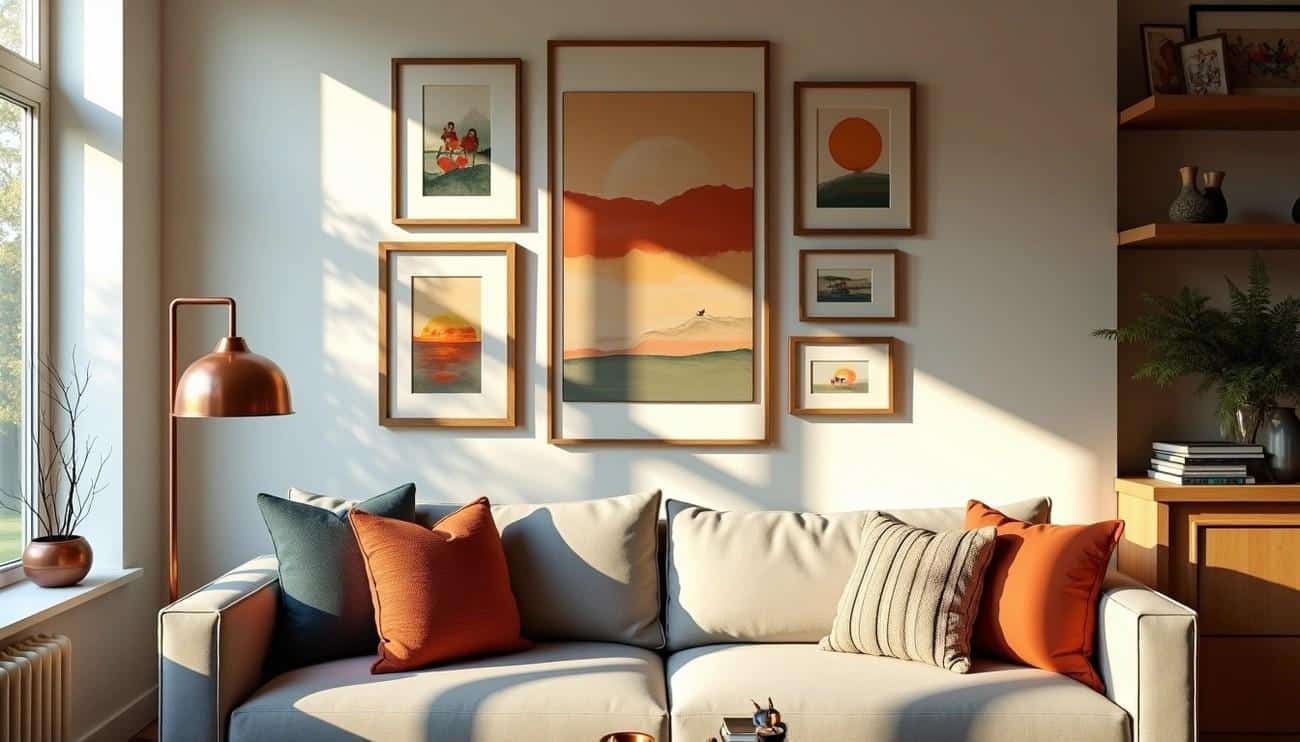
Home art decor shapes more than our spaces’ appearance—it reveals our identity. The pieces we choose to display become part of our daily lives. Art possesses a remarkable ability to revolutionize a room through colors, textures, and emotions.
Art isn’t just decorative—it’s deeply personal in living room wall decor. Each piece tells a story, whether you seek unique decorations that reflect your personal experience or local treasures from nearby sources. A well-curated space feels both intentional and inviting through carefully selected artwork. This piece explores ways to transform your house beyond esthetics into a space that authentically showcases your personality, interests, and unique style.
Letting Your Story Lead the Decor
Your walls tell stories—they speak of your trips, values, and experiences. The art we display does more than fill empty spaces. Studies show it makes us happier and shapes our lives deeply over time.
Why art should reflect your life
Great home art decor goes beyond simple decoration. Personal art mirrors your innermost self and shows who you are before you say a word. These pieces become anchors that ground your space in authenticity.
Many people chase looks that work well on social media instead of picking pieces that connect with their souls. The strongest emotional bonds come from art that triggers personal memories or experiences. A landscape might remind you of childhood vacations or a scene could capture a life-changing moment.
Using memories as inspiration
Your memories deserve creative displays that lift them above regular frames. You can turn travel souvenirs into statement pieces. Try stretching unique fabrics over canvas, hanging postcards in laundry-line style, or building shadow boxes for 3D items.
A gallery wall becomes special when it tells your story. Mix artwork from different family members to create balance. Your child’s painting can hang next to your parent’s sketch in a multi-generational display that feels natural rather than shrine-like.
It also helps to frame unexpected items that add personality to your living room wall decor. Designer Jeanne Barber suggests “getting weird” with gallery walls. Frame old campaign signs, wedding countdowns, or childhood memorabilia that mark life’s big moments.
How to choose pieces that strike a chord
To select unique home art decor, try these approaches:
- Follow your emotional response – Trust your gut; if a piece brings joy or creates an instant connection, it belongs in your home.
- Look for novelty, nuance, and narrative – Think about the work’s originality, its craftsmanship, and the story it tells.
- Reflect on personal context – Ask what memories or experiences a piece brings up, as these emotional triggers lead to lasting satisfaction.
Note that building a meaningful collection takes time—it’s “a marathon, not a sprint”. With patience and careful choices, your space will grow into one that tells your story authentically.
DIY and Handmade Art That Speaks to You
Handmade pieces make ordinary spaces deeply meaningful. DIY projects let you express yourself and create pieces with authentic emotional connections that store-bought art cannot match.
Creating art from travel souvenirs
Most travel mementos stay forgotten in drawers rather than becoming meaningful décor pieces. These treasures can become conversation-starting home decorations through creative projects. Shadow boxes showcase ticket stubs, maps, postcards, seashells, and other three-dimensional items beautifully. You can also create memory scrapbooks or dedicated travel boxes that organize your collections by destination.
These unique travel-inspired projects come to mind:
- Polaroid coasters featuring vacation photos
- Embroidered maps showing road trip routes
- Word garlands spelling favorite destinations
- Postcard walls arranged by color or region
Your home’s customized pieces remind you of cherished adventures daily and add distinctive character to your living room’s wall decor.
Paintings and crafts made by family
Family-created artwork holds special meaning that purchased pieces cannot replicate. Your spouse’s painting or grandmother’s textile piece creates an immediate emotional connection with guests who see this unique decor as something deeply personal.
Making crafting a regular family activity brings everyone together. This approach lets family members work together on practical art pieces that look beautiful and serve a purpose, and even simple projects—such as paint-by-number kits that guide you through a design while still leaving room for personal expression—can become part of these shared moments.
Displaying children’s artwork with pride
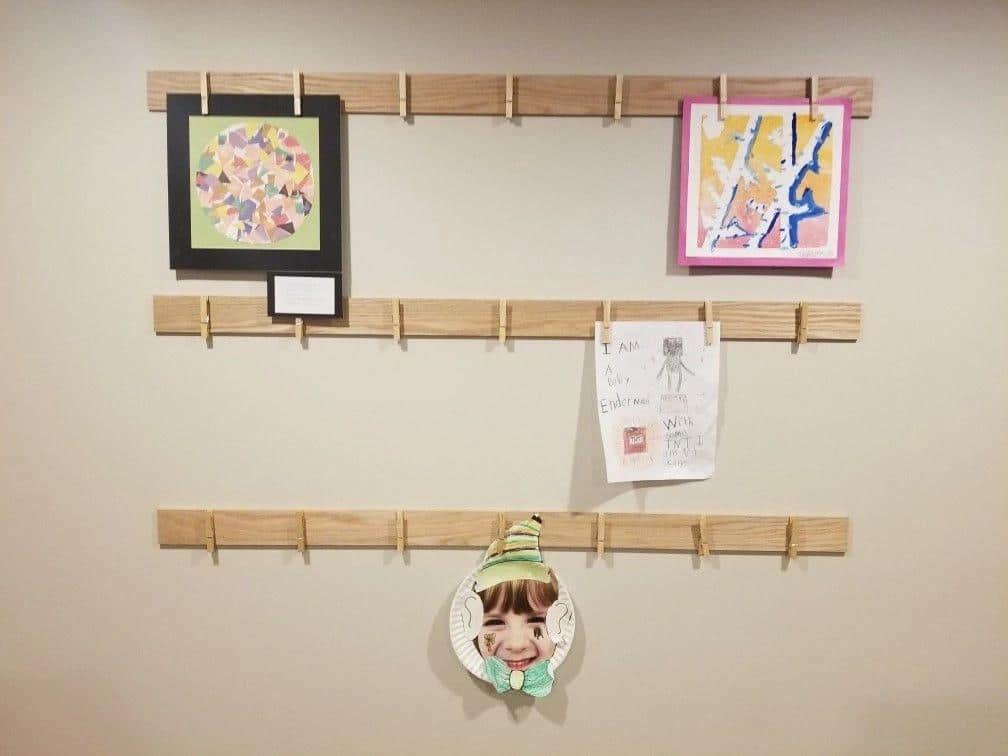
Your children’s masterpieces deserve better than piling up in drawers. A dedicated gallery wall with matching frames unifies varied art styles. A rotating display with clothespins or clips makes updates easy as new pieces arrive.
Floating shelves work perfectly to showcase three-dimensional pieces. You might also preserve favorite pieces by photographing them and creating annual art books. This approach helps manage the volume of physical artwork while keeping precious memories intact.
Children’s art captures pure authenticity and offers glimpses into their developing minds. These pieces become your home’s most meaningful art when displayed thoughtfully.
Curated Art Pieces That Anchor a Room
Art pieces work as visual anchors that define a space’s personality and command attention. The room’s main purpose matters most – each space needs a thoughtful focal point that sets the tone for everything else.
Choosing a focal point for each space
A room needs that one magnetic piece that catches your eye right as you walk in. Yes, it is best to place the focal wall where people see it first when they enter a room. Living rooms shine with a statement canvas above the sofa that creates an instant center. Bedrooms work better with calm, peaceful artwork above the bed.
How to mix modern and traditional styles
Your home gains depth and richness when you blend different art styles. A unifying color palette creates harmony – if your traditional oil painting shows warm earth tones, match it with a modern abstract that uses similar colors. Frames make perfect bridges between different eras. You can put traditional pieces in sleek frames or contemporary works in ornate moldings.
Finding home art decor near me or online
Local art fairs give you unique treasures and personal connections. NYC art lovers can explore events like The Armory Show and The Affordable Art Fair. Online marketplaces make unique home art decor available to everyone, whatever their location.
Using large pieces to unify a room
Large art should take up about two-thirds to three-quarters of the wall space above furniture. This creates the right proportion. Big canvases naturally grab attention and pull a room together through matching color themes or subject matter, and a large canvas oil painting often works especially well because its depth and texture help anchor the entire space.
Layering with Textiles, Sculptures, and Prints
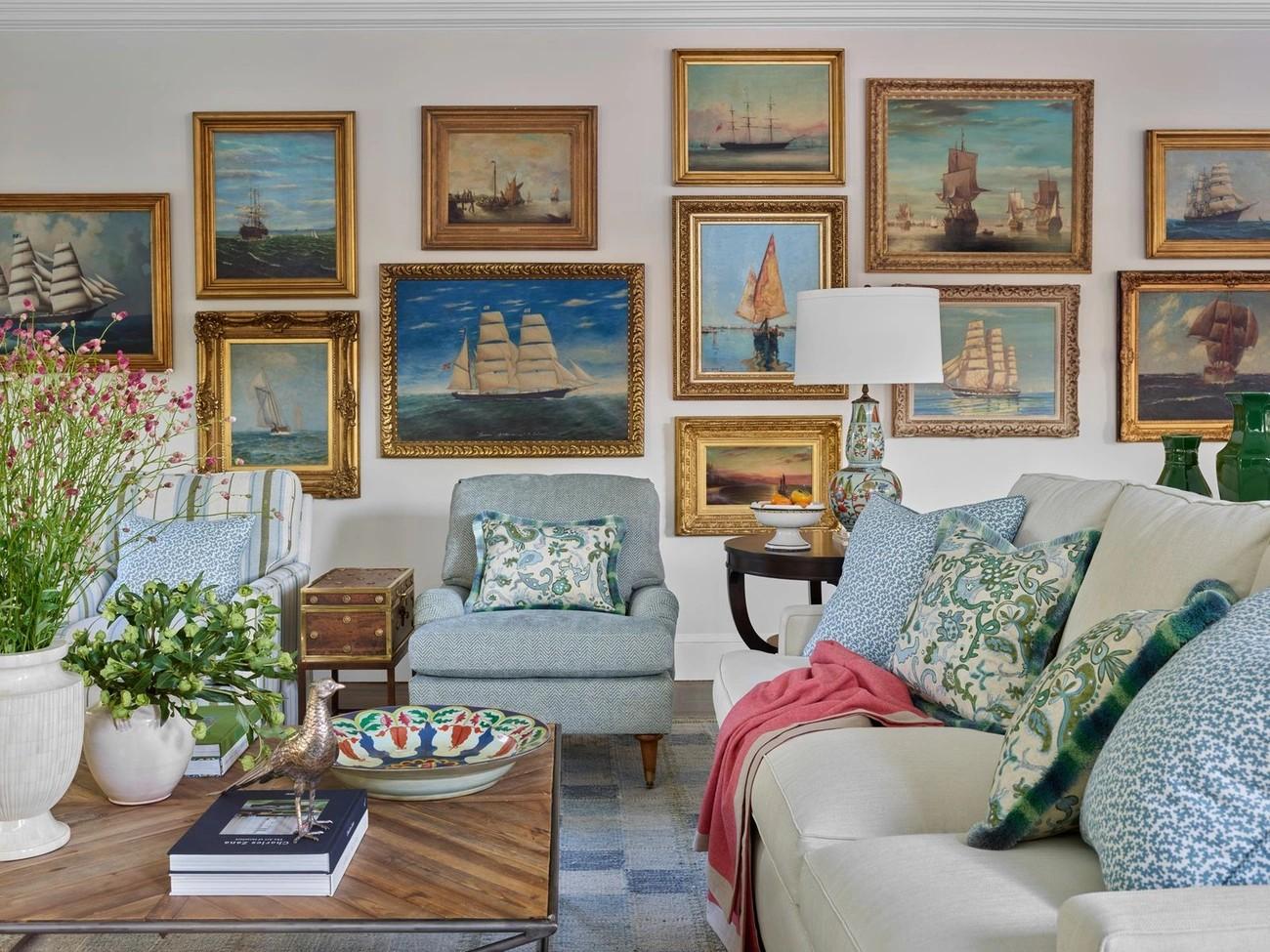
Spaces feel truly lived-in through layered elements that go beyond color and design. A mix of textiles, sculptures, and prints adds dimension that flat decorating cannot match.
Tapestries and fabric art for warmth
Tapestries have made a comeback in home art decor and they provide texture and warmth instantly. These woven masterpieces tell rich stories through their intricate designs while making spaces softer. They create an undeniable focal point that anchors the room when placed behind a sofa or bed. You might want to drape them over furniture instead of mounting them for a subtle touch.
Sculptures as conversation starters
Sculptural pieces start conversations and do more than fill empty tables. Each three-dimensional artwork’s form and material reveals your personality and invites questions. A unique sculpture will lift a room from ordinary to memorable, maybe even something playful like a glittering animal figure.
Photography and prints for availability
Fine art photography prints are a great way to get started with art collecting. High-quality images bring scenes to life and stir emotions. The size should be proportionate to your wall space at the time you select prints. Choose pieces that bring calm or energy based on the room’s purpose.
Combining textures for depth
Texture variation is the key to sophisticated home art decor. Smooth leather works well with chunky knits, and velvet curtains complement airy linens. Balance matters most – contrasting rough with polished surfaces creates visual interest without overwhelming the senses.
Conclusion
Turning your home into a reflection of your identity takes time, but the process is rewarding. Art becomes meaningful when it carries emotional weight—family-made pieces, travel keepsakes, and carefully chosen focal points all contribute to a space that feels genuinely lived-in.
Starting with pieces that resonate immediately and building layers through different textures and mediums helps your home evolve naturally. Trends may shift, yet a story told through personal artwork and thoughtful displays remains timeless. Let each corner of your space capture a moment, a memory, or a feeling that speaks directly to who you are.