Hair extensions can completely change your look, but only if you pick the right ones for your hair. The key to natural-looking extensions is to match them to your specific hair type, texture, and lifestyle needs. However, with so many options available, it can feel overwhelming to know where to start.
The good news is that once you understand the basics, the process becomes much simpler. Different hair types need different extension methods. For example, fine hair does best with lighter options, while thick hair can handle heavier styles.
This guide will walk you through everything you need to know about hair extensions. You’ll learn about the different types available, what factors matter most for your hair, and how to make the best choice for your unique needs.
Understanding Hair Extensions for Different Hair Types
Your natural hair determines which extensions will look seamless and stay healthy over time. The right match depends on your hair’s texture, thickness, and the look you want to achieve.
Identifying Your Natural Hair Type
You need to assess your hair’s texture, density, and condition before you select extensions. Fine hair has thin individual strands that can appear fragile, while thick hair features coarse strands that hold more weight. Medium-density hair falls between these two categories.
Your curl pattern also matters. Straight hair is Type 1, wavy hair falls into Type 2, curly hair is Type 3, and coily hair is Type 4. Each type has subtypes that range from loose to tight patterns.
You should examine your hair’s porosity as well. Low porosity hair resists moisture, normal porosity maintains moisture balance, and high porosity absorbs moisture quickly.
This affects how well extensions blend with your natural hair and how you maintain them. Porosity also plays a role in how quickly extensions dry and how they respond to styling products, which affects the day-to-day experience of wearing them.
Someone with high porosity hair, for instance, may find that hair extensions by Thathair work best when paired with moisture-sealing products that keep both natural hair and extensions looking their most vibrant.
Understanding your porosity before choosing a method helps you build the right care routine from the start. A simple strand test in a glass of water can give you a quick read on where your hair falls on the porosity scale.
Matching Extensions to Texture and Density
Your extension texture must match your natural hair to create a believable look. Fine hair needs lightweight extensions that won’t cause breakage or visible attachment points. Clip-in or tape-in methods work best for this hair type because they distribute weight evenly.
Thick, coarse hair can handle heavier extension methods like sew-ins or fusion bonds. These methods provide secure attachment points that hold against thick hair strands. You should select extensions with similar coarseness to avoid obvious differences in texture.
Medium-density hair offers the most flexibility. You can choose from most extension types as long as the texture matches closely. Test a small section first to see how well the extensions blend with your natural texture before you commit to a full installation.
Selecting Length and Volume for Ideal Blend
You should add no more than 8-10 inches to your current hair length for a natural appearance. Drastic length changes often look artificial and create an obvious line where your hair ends and extensions begin.
The volume you add must complement your natural density. Fine hair looks best with 100-120 grams of hair extensions, while medium hair needs 150-180 grams. Thick hair can handle 200-250 grams without appearing unnatural.
Your lifestyle affects these choices too. Active routines require secure methods that won’t slip during movement. Daily styling habits determine whether you need heat-resistant synthetic or human hair extensions. Budget considerations also play a role, as some methods require professional installation and regular maintenance appointments.
Key Factors for Choosing the Best Hair Extensions
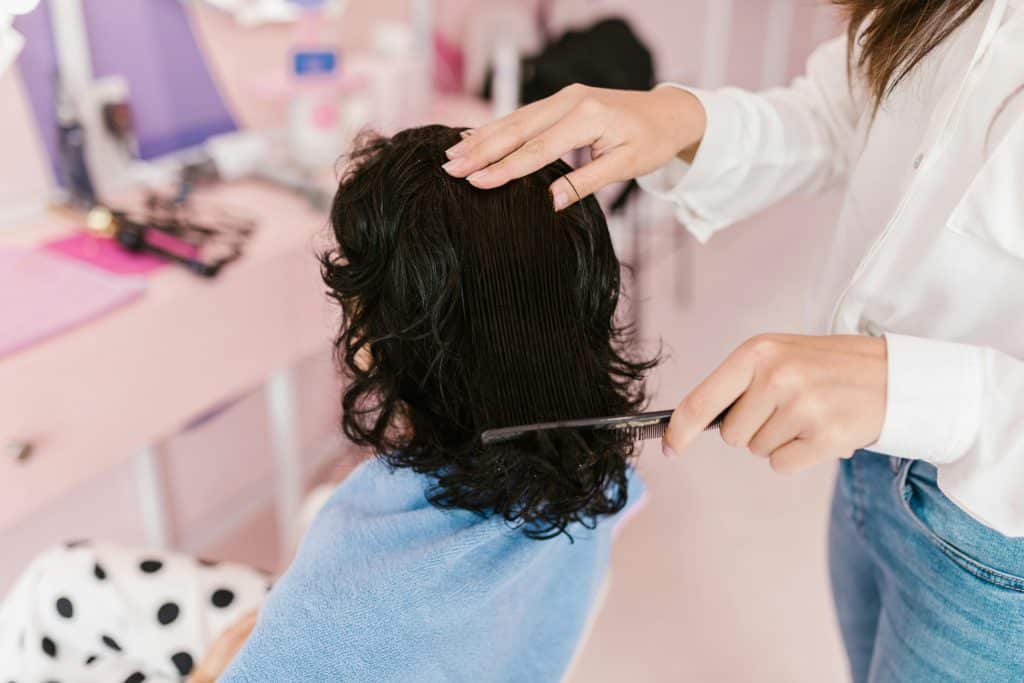
The right extensions depend on your budget, lifestyle, and hair health. You need to match the application method to your daily routine and select quality materials that work with your natural texture.
Comparing Extension Methods: Clip-In, Tape-In, and More
Clip-in extensions work best if you want flexibility. You can attach them in minutes and remove them before bed. They suit people who only need extra volume or length for special occasions.
Tape-in extensions stay in your hair for 6 to 8 weeks. A professional applies thin wefts to small sections of your hair with adhesive tape. This method works well for fine to medium hair types because the tapes lie flat against your scalp.
Sew-in extensions, also called weaves, last 2 to 3 months. A stylist braids your natural hair into cornrows and sews wefts onto the braids. This method suits thick or coarse hair that can support the weight.
Fusion extensions use keratin bonds to attach individual strands to your hair. They last 3 to 4 months and create a natural look. However, the application takes several hours and costs more than other methods.
Quality Considerations: Remy vs. Synthetic Hair
Remy hair keeps all cuticles in the same direction. This prevents tangling and creates a smooth, natural appearance. You can style it with heat tools just like your real hair.
The price reflects the quality. Remy extensions cost more upfront but last 6 to 12 months with proper care. You get better value over time compared to cheaper alternatives.
Synthetic hair costs less but has limitations. You cannot use heat tools on most synthetic fibers. The extensions also tangle more easily and need replacement after 1 to 3 months. Synthetic options make sense if you want to test a style before you commit to a bigger purchase.
Maintenance and Longevity Based on Hair Type
Fine hair needs lightweight extensions to avoid damage. You should wash them gently and avoid heavy oils that weigh down your natural strands. Clip-ins or thin tape-ins last longer on fine hair because they put less stress on your roots.
Thick or coarse hair can handle heavier extension methods. You need stronger bonds or secure sewing to keep extensions in place. Your natural texture also hides the attachment points better.
All extensions need regular care. You must brush them daily with a soft-bristle brush to prevent tangles. Sleep on a silk pillowcase to reduce friction. Schedule maintenance appointments every 6 to 8 weeks for semi-permanent methods to keep them secure and comfortable.
Conclusion
The right hair extensions can transform your look, but success depends on how well they match your natural hair. You need to consider your hair’s texture, thickness, and current condition before you make a choice. Clip-ins work well for fine hair, while sew-ins and tape-ins suit thicker textures better.
Your lifestyle and maintenance preferences also play a big role in which type serves you best. With the right information and careful selection, you can find extensions that blend seamlessly and give you the volume or length you want.