Ever walked past a conference hall the morning after an event? Chairs stacked. Coffee cups abandoned. Banners half-rolled in the corner. And somewhere out there… a video team editing hours of footage that might never do much for the business.
That’s the quiet problem with event video. It often looks great, but doesn’t do much.
Yet events themselves are powerful. According to Bizzabo, 95% of marketers believe in-person events can have a major impact on achieving business goals. The potential is huge — if the content captured actually supports those goals.
So the trick isn’t just filming the event. It’s planning the video like a business asset from the start. And if you do it right, the footage keeps working long after the last stage light fades.
Let’s walk through how to make that happen.
1. Define the ROI Goal Before Filming Anything
It sounds obvious. Still, this step gets skipped all the time.
Someone says, “Let’s film the event.” Cameras are booked. A few speakers get recorded. Later, an editor stitches together a highlight reel.
Looks nice. But what was the point?
Before the first shot is planned, decide what success looks like.
Maybe the goal is lead generation. Maybe it’s brand awareness. Maybe the sales team needs clips to share with prospects.
According to HubSpot, 91% of marketers say video plays an important role in their strategy, largely because it drives engagement and conversions. But those results depend on planning. Ask yourself a couple of blunt questions:
- Should this video generate leads?
- Will it support social media reach?
- Does the sales team need product clips?
Different answers change everything about what gets filmed.
2. Plan the Video Strategy While Designing the Event
Here’s something people don’t always realize.
Video shouldn’t be an afterthought.
It should be part of the event design itself. Too often, production teams are invited late — when the agenda is locked, lighting rigs are installed, and no one wants to make adjustments. At that point, the crew simply records what happens.
But early planning changes things.
Picture organizing a startup conference in Miami. The waterfront views, the skyline glowing at sunset — visually it’s already compelling. A team specializing in Miami multimedia and video production would typically start shaping the story well before the event starts.
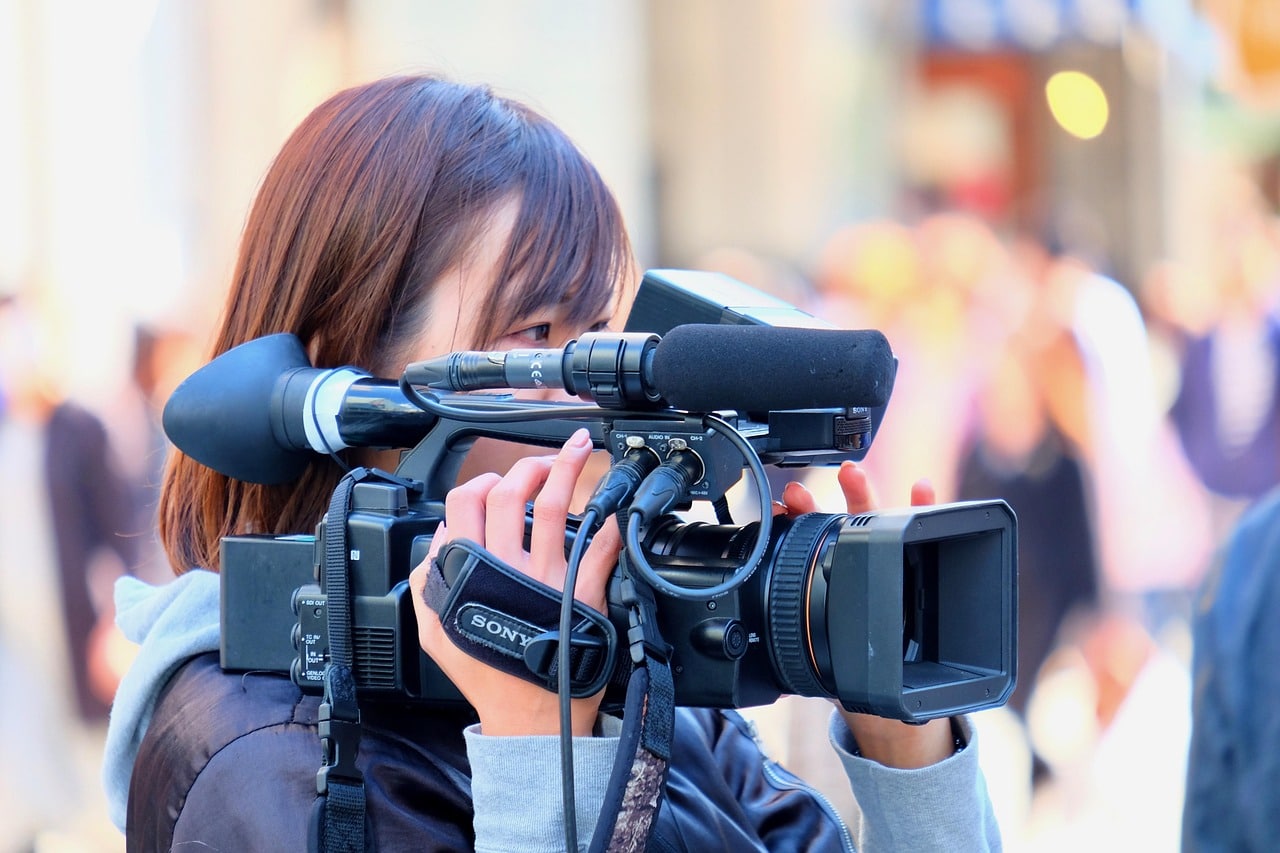
First, they’d look for strong interview opportunities. Then they’d plan where cameras should be placed. They’d also consider how the footage could later be repurposed into marketing videos, brand stories, and promotional clips across platforms.
The goal isn’t just documenting the day. It’s capturing moments that stay useful long after the venue clears out. Subtle shift. Big impact.
3. Capture Interviews That Tell Real Stories
Honestly, the most powerful event footage is rarely the stage.
It’s the conversations happening nearby.
A customer explaining why they use your product. A speaker reflecting on the industry. Someone laughing mid-conversation in a hallway between sessions.
Those small moments carry weight.
Research shows 91% of businesses now use video as a marketing tool, and authentic customer voices are consistently among the most persuasive formats.
So plan interviews. Short ones.
Try questions like:
- “What challenge brought you to this event?”
- “What problem were you hoping to solve?”
- “What surprised you today?”
Simple questions. Real answers.
Sometimes the best clips come from someone thinking for a second before responding. You can almost hear the hum of the event behind them — microphones testing, footsteps in the hallway.
That’s authenticity.
4. Film Footage That Can Be Reused Later
One of the biggest ROI mistakes?
Producing a single event recap video. That’s it. One video.
Meanwhile, hours of valuable footage sit on a hard drive somewhere.
According to Cisco, video accounted for about 82% of global internet traffic by 2022. Which means audiences expect video everywhere — social media, landing pages, even email campaigns. So, instead of planning for one video, plan for several.
You might capture:
- 10 short social clips from speaker insights
- 5 customer testimonial videos
- A product demonstration segment
- A full event highlight video
Same footage. Multiple assets.
5. Focus on Footage That Drives Engagement
Not all video clips carry the same impact. Some footage is visually exciting but strategically… thin. Others drive real business results.
Here’s a quick comparison that many event marketers discover after a few projects:
| Footage Type | Why It Works | Marketing Value |
|---|---|---|
| Customer testimonials | Builds trust with real voices | High |
| Product demonstrations | Shows clear practical value | High |
| Speaker insights | Positions the brand as the industry leader | Medium–High |
| Crowd reaction shots | Adds atmosphere | Medium |
| Generic highlight montages | Visually appealing but vague | Low |
Notice the pattern? The clips that perform best usually involve people explaining something meaningful. Not just cheering crowds.
6. Distribute the Video to the Right Channels
This part determines whether the video produces ROI… or disappears.
Video distribution matters just as much as filming. The editing team might create a beautiful video with cinematic music and smooth transitions.
But if it only lives on a company website, the impact stays small.
Think about where audiences actually watch content:
- LinkedIn feeds during lunch breaks
- Sales emails sent after meetings
- Product pages where buyers compare options
- Internal company channels for culture building
One event can easily produce 20 or more usable clips if the footage is organized correctly. And those clips keep working for months. Sometimes longer.
Let Your Event Video Tell a Story That Lasts
The strange thing about events is how quickly they disappear. The stage lights cool. The banners come down. The venue empties. But if the video planning was thoughtful — if the right moments were captured — the event doesn’t really end.
It just shifts formats. A customer quote becomes a social post. A speaker’s insight turns into a marketing clip. A hallway conversation becomes the testimonial that convinces someone to sign a contract six months later.
Funny how that works.
You start by filming a single event… and somehow end up creating content that keeps echoing long after the room goes quiet.