Anyone who has shared a home with a long haired cat knows the first reaction most visitors have. They stop mid step, crouch down, and say something along the lines of wow, look at that coat.
Long haired cats have a way of stealing the spotlight without even trying. Persian, Maine Coon, Norwegian Forest Cat, and a long list of fluffy mixed breeds all carry that same dramatic look that feels equal parts elegant and slightly ridiculous in the best possible way.
That luxurious coat, however, does not maintain itself. A long haired cat brings beauty and personality into a home, but it also brings responsibility.
Without regular care, those gorgeous locks can turn into tangles, mats, and general chaos. The good news is that once you understand the rhythm of grooming, feeding, and daily habits, keeping a long haired cat comfortable becomes second nature. Most of it simply comes down to consistency and a little patience.
Daily Brushing Is the Real Secret to That Showstopper Coat
If there is one habit that makes the biggest difference for long haired cats, it is brushing. A thick coat can tangle quickly, especially around the belly, behind the ears, and under the legs where fur rubs together while the cat moves. When brushing becomes a daily routine, mats rarely have a chance to form.
Many cats actually grow to enjoy this part of the day. It becomes a calm moment where attention is focused entirely on them.
A soft slicker brush or wide tooth comb usually works best, and slow, gentle strokes keep the experience pleasant instead of stressful. When mats appear, patience matters more than force. Tugging at knots only creates a bad association with grooming.
Brushing also reduces the amount of fur that ends up floating through the house. Long haired cats shed constantly, even if it does not always look dramatic at the moment. A quick brushing session each day removes loose hair before it migrates to couches, blankets, and anywhere else fabric exists.
Bath Time Does Not Have to Be a Dramatic Event
Cats have a reputation for avoiding water at all costs, which is why many people assume bathing them is impossible. In reality, some long haired cats benefit from an occasional wash, especially when their coats become oily or start to collect debris. It does not need to happen frequently, but learning how to give a cat a bath makes life easier when the moment arrives.
The trick is preparation. A shallow sink or tub, lukewarm water, and a calm environment help the entire process go smoothly. A gentle cat shampoo designed for sensitive skin keeps the coat clean without stripping natural oils. Moving slowly and keeping the water level low prevents panic.
Drying is just as important as washing. Thick fur holds moisture, so a soft towel and a warm room help the coat dry thoroughly. Some cats tolerate a low setting on a pet dryer, while others prefer to finish the process naturally with a good brushing afterward.
When bathing becomes an occasional, calm routine instead of a chaotic emergency, both the cat and the person holding the towel feel much better about the experience.
Managing Fur Around the House Without Losing Your Sanity
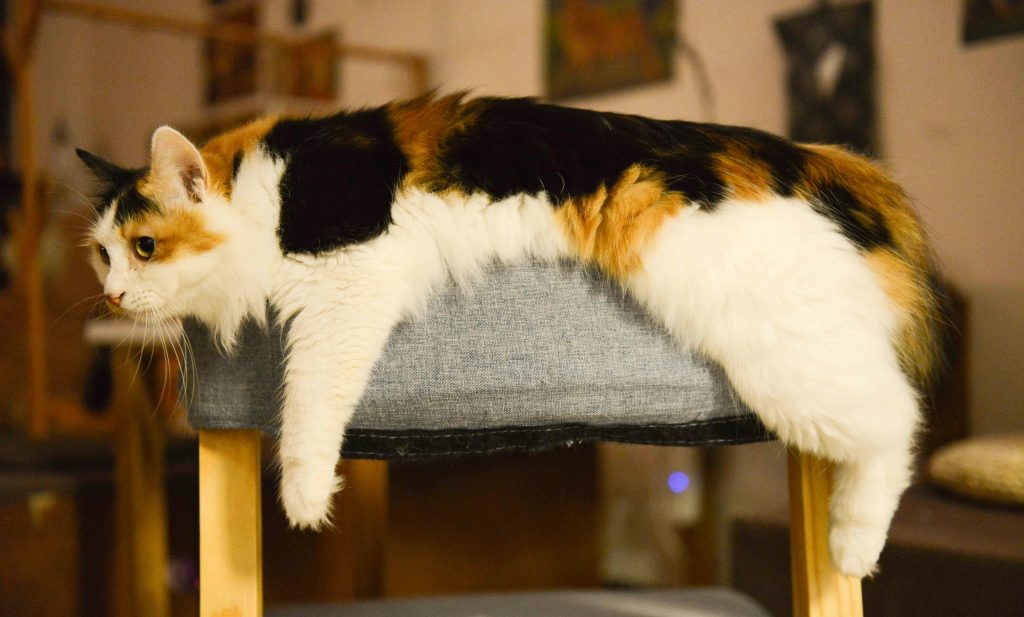
Long haired cats are beautiful, but the fur travels. It lands on dark sweaters, settles on sofa cushions, and somehow appears in places that seem physically impossible. Every owner eventually develops a system for dealing with pet hair on clothing, because pretending it will not happen is unrealistic.
Lint rollers become household staples. A quick pass before heading out the door solves most wardrobe situations.
Blankets placed on favorite sleeping spots can also help, because cats tend to return to the same comfortable areas again and again. Washing those blankets regularly prevents fur from spreading through the rest of the house.
Regular grooming plays a large role here as well. Removing loose hair before it falls naturally cuts down on the amount drifting through the air. Even vacuuming habits can shift slightly. Smaller, more frequent cleaning sessions usually work better than waiting for fur to accumulate into visible tumbleweeds.
In the end, many people accept that a little fur comes with the territory. When you live with a long haired cat, the occasional strand on a sweater simply means someone fluffy shares the house.
Nutrition Plays a Bigger Role Than Many People Expect
A healthy coat starts from the inside out. Long haired cats often benefit from high quality diets that support skin health and coat strength. Proteins, healthy fats, and adequate hydration all contribute to fur that remains soft instead of brittle.
Omega fatty acids are particularly helpful for maintaining shine and reducing dryness. Many premium cat foods include these naturally, while others add them through supplements designed specifically for cats. Hydration matters just as much. Cats who drink enough water tend to maintain better overall coat condition.
Hairballs are another part of the long haired cat experience. Regular grooming reduces the amount of loose fur swallowed during self grooming, but nutrition also plays a role. Fiber balanced diets or occasional hairball formulas can help keep digestion moving comfortably.
Creating a Grooming Routine That Feels Natural
The biggest mistake many people make is treating grooming like a rare event instead of a gentle daily habit. Long haired cats respond well to predictable routines. A quick brushing while watching television in the evening or a short grooming session after breakfast turns maintenance into something normal.
Consistency also builds trust. When a cat knows what to expect, it relaxes into the process rather than resisting it. Over time the grooming tools themselves become familiar objects instead of suspicious ones.
This rhythm also gives owners a chance to notice small changes. Skin irritation, developing mats, or shifts in coat texture are easier to spot when brushing happens regularly. Catching those things early keeps small problems from becoming big ones.
A House Full of Fur and a Lot of Personality
Life with a long haired cat rarely stays boring. There will be moments when a freshly brushed coat looks like something out of a wildlife documentary, and other moments when fur seems to be everywhere at once. Yet that same fluff usually comes paired with charm, warmth, and a personality that fills a room.
Caring for a long haired cat does require effort, but the payoff shows up every time that soft coat catches the light or curls beside you on the couch.
With steady grooming, occasional baths, and a little household strategy for runaway fur, those magnificent coats stay comfortable and healthy. The result is a companion who looks impressive, feels even better to cuddle, and somehow makes every extra strand of fur completely worth it.