If you’ve noticed more hair in your brush, a wider part, or strands that snap too easily, you’re not alone. Hair thinning is very common, and it can happen for many reasons.
That’s why so many are now searching for a peptide for hair growth as a gentle, science-informed option.
You’ll learn how peptides work, what benefits they offer, and what types of products are available. We’ll also cover what the research says and how to pick the right option for your specific needs.
One important note before we dive in: peptides can support healthier hair, but they’re not a magic fix. Real results take time and consistency.
What Are Peptides and Why Do They Matter for Hair?
Peptides are short chains of amino acids, the building blocks of proteins like keratin that make up your hair.
In haircare, some peptides (especially signal peptides) are designed to act like tiny messengers, while protein fragments like hydrolyzed keratin mainly help strengthen and protect the hair strand.
Your hair grows in three phases: anagen (active growth), catagen (transition), and telogen (rest and shedding).
Topical peptide products may help by improving your scalp environment, supporting healthy growth signals, and strengthening the hair shaft.
When your scalp is balanced, and your strands are stronger, hair looks fuller and healthier overall.
How a Peptide for Hair Growth May Work
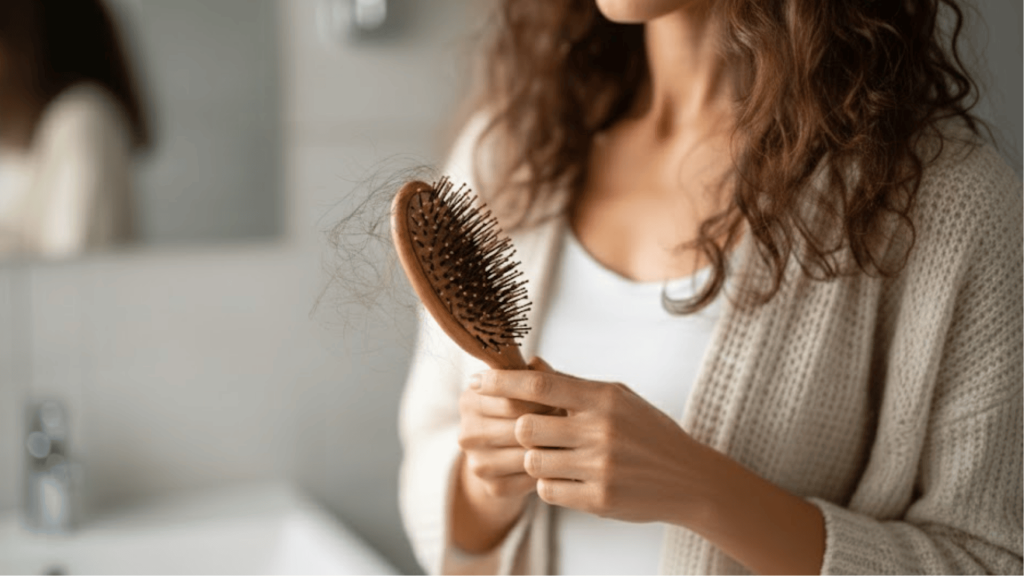
Understanding how peptides work helps you choose the right products. These are the main ways these ingredients may support your hair and scalp.
1. Follicle Signaling Support
Peptides in cosmetic formulas act as communication cues. They may help send messages to your hair follicles that support a healthy growth cycle.
Think of them as little helpers that encourage your scalp to do its job better.
2. Scalp Barrier Support and Inflammation Balance
A healthy scalp is key to healthy hair. When your scalp barrier is weak or inflamed, you may see more shedding and dull-looking strands.
Peptides can help calm the scalp and support its natural protective layer.
3. Microcirculation and Nutrient Delivery Support
Some hair growth peptides are paired with ingredients like caffeine or niacinamide. These combinations may help boost blood flow to the scalp.
These ingredients are often used to support the scalp, but they do not guarantee better circulation or regrowth for everyone.
4. Hair Shaft Strengthening
An important point: some peptides work on the hair strand itself, not just the follicle. They can help reduce breakage by making each strand stronger.
This means your hair looks fuller because less of it snaps off. But this is different from true regrowth at the root level.
Who Can Benefit from Peptide-Based Hair Products?
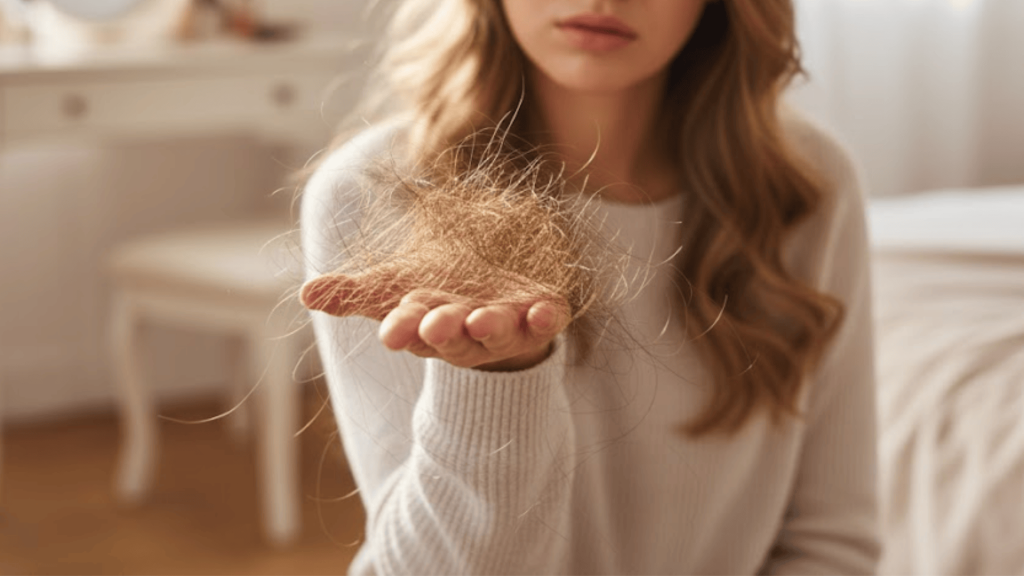
Peptide-based hair products can help with many hair concerns, especially when used consistently.
They’re a good fit if you’re noticing early-stage thinning, a widening part, or more hair shedding than usual, and want gentle, preventive support.
They can also be helpful if your hair breaks easily from heat styling, coloring, or frequent brushing, because some peptides and protein fragments help strengthen strands and improve resilience.
If you deal with a dry, irritated, or sensitive scalp, peptide serums may support a calmer scalp environment when paired with non-irritating formulas.
Peptides work best as part of a routine, not a quick fix. If shedding is sudden or patchy, see a dermatologist.
What Does Research Say About Hair Growth Peptides?
Research on hair growth peptides shows promising but limited results. Most studies have small sample sizes, short time frames, or test combination formulas, making it hard to measure how much peptides alone contribute.
That said, reported outcomes are encouraging. Users and studies often note less visible shedding, improved hair thickness, and better overall density appearance.
People with early-stage thinning who use products consistently tend to see the best results. A supportive routine with good scalp care also makes a difference.
While peptides aren’t proven miracle workers, the evidence suggests they can be a helpful part of your hair health strategy.
Types of Hair Growth Peptides You’ll See in Products
Not all peptides work the same way. Different types target different concerns, from scalp signaling to strand strength. These are the most common ones you’ll find.
1. Signal Peptides
Biomimetic signal peptides are lab-designed “messenger” peptides used in leave-on scalp serums.
They’re typically positioned to support the follicle environment and hair anchoring, based mostly on supplier testing.
A common example is acetyl tetrapeptide-3, often found in the Capixyl™ complex with red clover extract. Results depend on the formula and consistency.
2. Copper Peptides
Copper peptides (such as GHK-Cu) are peptides bound to copper ions and are popular in “repair” style scalp products.
In hair care, they’re marketed to support scalp condition and healthier-looking hair over time.
Because topical delivery can vary, performance depends heavily on formulation, concentration, and how long the product stays on the scalp.
3. Keratin-Support and Strengthening Peptides
Keratin-derived peptides and hydrolyzed proteins focus more on strand strength than true regrowth.
These small protein fragments can coat the cuticle and, in some cases, partially penetrate damaged hair, improving feel and resilience.
If your concern is breakage from heat, color, or brushing, this category often delivers the most noticeable “fuller hair” effect.
4. Biomimetic or Multi-Peptide Complexes
Multi-peptide blends combine several peptide types (often signal + conditioning peptides) with supportive ingredients like humectants or soothing agents.
They can be convenient, but always verify what’s actually inside.
Some “hair growth complexes” are not peptides at all; for example, Redensyl™ is a non-peptide active blend, so treat it as a separate category from hair growth peptides.
Peptide Serum vs Treatment vs Shampoo: What Works Best?
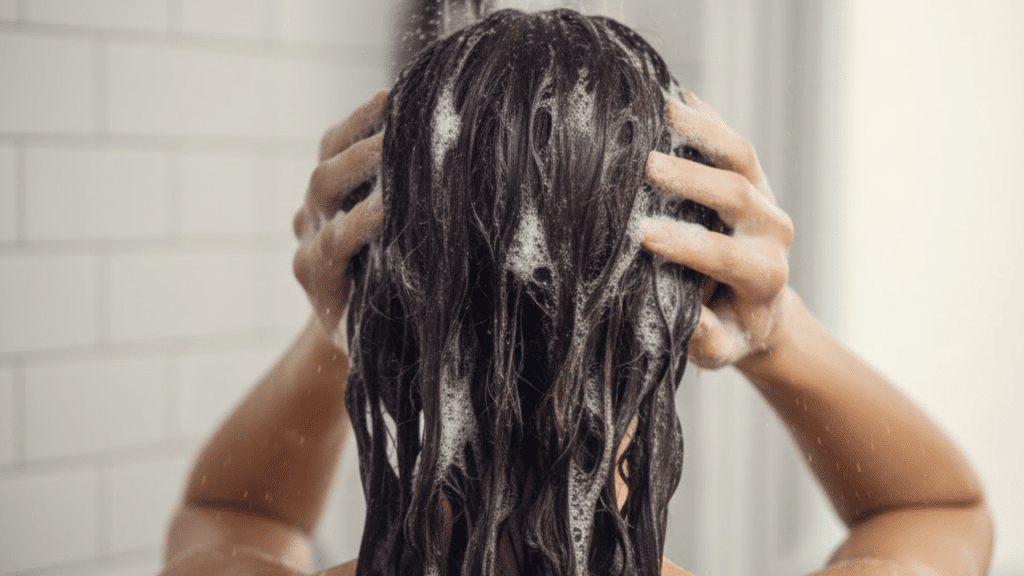
The format you choose matters for peptide effectiveness. Leave-on scalp serums are often the most practical peptide option because they stay on the scalp longer.
Rinse-off products like shampoos and conditioners can help, but their limited contact time reduces effectiveness.
They work best as part of a complete system rather than alone. Treatments like ampoules, tonics, and masks offer concentrated doses for an extra boost.
Use them weekly or as directed to complement your serum. For best results, combine a daily leave-on serum with supportive rinse-off products.
How to Choose the Best Peptide for Hair Growth Product
Choosing the right peptide product starts with reading the ingredient list smartly. Don’t worry if peptides appear mid-list. That’s normal for active ingredients.
Look for helpful co-actives like panthenol, niacinamide, or caffeine that boost results. Next, match the product to your goal.
If breakage and damage are your concerns, choose strengthening peptides. For scalp health and density appearance, look for signal peptides with soothing ingredients.
Finally, consider practical factors: a non-greasy finish, an easy-to-use applicator, fragrance-free options for sensitive scalps, and brands that share testing results. These details make a big difference in daily use.
How to Use Hair Growth Peptides for Best Results
Getting the most from your peptide products requires the right technique and realistic timing. Follow these steps to maximize your results.
Simple Routine
Apply your serum directly to your scalp. Use your fingertips to massage it in gently. Follow the product’s directions for how often to use it, usually daily or every other day.
Timeline Expectations
- 2 to 4 weeks: You may notice your hair feels different, softer, smoother, or easier to manage.
- 8 to 12 weeks: Early visible changes like less shedding or better texture.
- 12 to 16 weeks: A fair point to evaluate if the product is working for you.
Common Mistakes
Switching products too soon is a big one. Give each product enough time to work. Also, don’t overapply. More isn’t always better. And if you notice scalp irritation, stop using the product and reassess.
Safety, Side Effects, and Who Should Be Cautious
Peptide products are generally gentle, but taking a few precautions helps you avoid problems and get the best experience.
- Always do a patch test before using a new product. Apply a small amount behind your ear and wait 24 hours.
- Watch for irritation signs like redness, itching, or flaking, and stop use if they occur.
- If you’re pregnant or breastfeeding, consult your doctor before adding peptides to your routine.
- Avoid layering too many active ingredients at once, which can overwhelm your scalp.
- See a dermatologist immediately if you experience sudden heavy shedding, scalp pain, or patchy hair loss.
When used correctly, peptides are safe for most people. Just stay attentive to how your scalp responds and adjust as needed.
Peptides vs Other Popular Hair Actives
How do peptides compare to other options?
Peptides offer supportive signaling, strand strength, and scalp environment benefits. They’re gentle and work well in daily routines.
Minoxidil is a drug with strong evidence for regrowth. However, it may cause an initial shedding phase and requires long-term commitment.
Caffeine and niacinamide are supportive scalp care ingredients. They work great alongside peptides.
Nutrition matters too, but mainly if you have a deficiency. A balanced diet supports overall hair health.
Conclusion
A peptide for hair growth can be a valuable addition to your hair care routine. These gentle ingredients support scalp health, strengthen strands, and may improve how full and healthy your hair looks over time.
The key is setting realistic expectations. Peptides work best for early-stage thinning and prevention, not overnight transformations.
Remember, consistency matters most. Stick with your routine for at least 12 to 16 weeks before judging results, and take progress photos to track changes.
Choose a quality leave-on serum, keep your scalp care gentle, and be patient. Ready to start your journey to stronger, healthier hair? Try peptide serums today and give your hair the support it deserves!
Frequently Asked Questions
Do Peptides Really Work for Hair Growth?
Peptides support healthier hair by strengthening strands and improving scalp conditions. They help reduce breakage and may make hair appear fuller over time.
How Long Do Hair Growth Peptides Take to Show Results?
Some people notice a smoother texture within 2 to 4 weeks. Density changes, if they happen, often take 8 to 16 weeks of consistent use, and results can vary depending on the product and the cause of thinning.
Can I Use Peptides with Minoxidil?
Yes, many people safely combine peptides with minoxidil. Peptides support scalp health while minoxidil targets regrowth. Consult your dermatologist if unsure.
Are Peptides Safe for Sensitive Scalps?
Generally, yes. Peptides are usually gentle. Always patch test first and choose fragrance-free formulas to minimize irritation risk.