Most families focus on keeping their homes clean, but not many think about how their space actually affects their health. You might vacuum, wipe surfaces, and still deal with dust, stale air, or constant allergies. That’s because a healthy home is not just about how it looks—it’s about what you breathe, touch, and live around every day. Small issues like poor airflow or hidden buildup can make your space feel uncomfortable without you realizing why. The good part is that you don’t need major changes to fix this. A few simple habits can improve your home in a way you can actually feel. This guide walks you through practical steps that are easy to follow and worth your time.
Pay Attention to the Air Around You
The air inside your home plays a big role in how you feel each day. Indoor air often carries dust, pet hair, and tiny particles that build up over time. You may not see them, but they stay in the air and settle on surfaces. One of the easiest ways to improve this is by increasing airflow. Open windows when you can and avoid keeping spaces closed all day. Even a few minutes of fresh air can help clear out trapped air. If certain rooms feel stuffy, check if vents are blocked by furniture or curtains. Keeping air moving makes your home feel lighter and easier to live in.
Give Your Air System Some Care
Your heating and cooling system does more than control temperature. It also moves air through your home, which means it can spread dust if not maintained. Over time, filters collect dirt and particles, and if you ignore them, they stop working properly. This is where HVAC filters play an important role. They help trap unwanted particles before they circulate through your space. If they are clogged, the system works harder and the air quality drops. Make it a habit to check your filters regularly and replace them when needed. It does not take much time, but it can make a clear difference in how fresh your home feels every day.
Let Fresh Air Circulate More Often
Keeping windows closed all the time can make your home feel sealed and stale. Fresh air helps remove odors and brings in cleaner air from outside. You do not need to leave windows open all day to see a difference. Even opening them for a short time in the morning or evening can improve airflow. This is especially helpful after cooking or cleaning, when smells and particles tend to stay inside. If outdoor conditions allow, try to create a cross-breeze by opening windows on opposite sides of your home. This helps move air through more effectively. A simple habit like this can make your space feel more comfortable without much effort.
Choose Safer Products for Everyday Cleaning
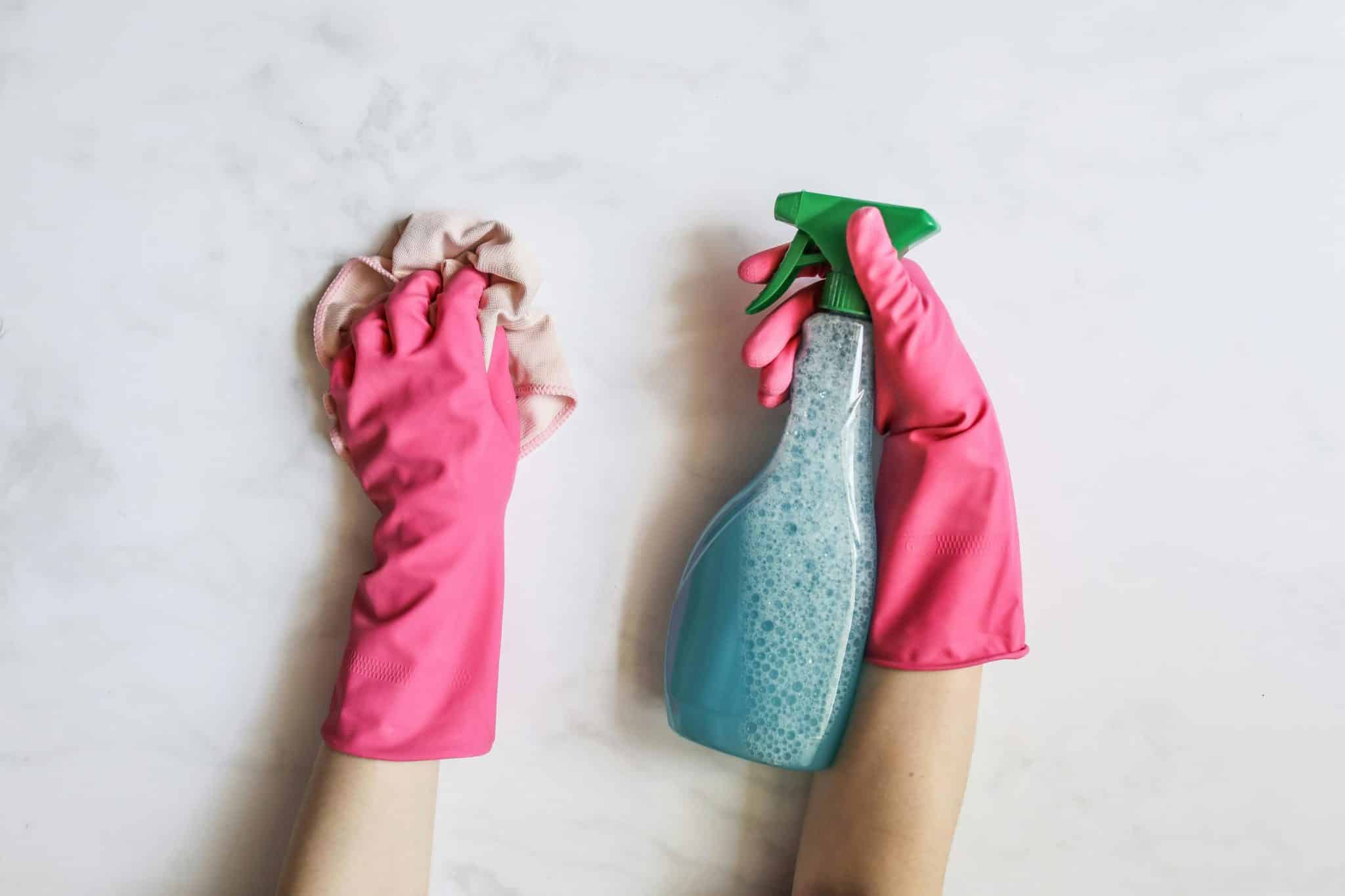
Many cleaning products leave behind strong smells and residues that stay in your home longer than you think. While they may seem effective, constant exposure to harsh products can affect indoor air and irritate sensitive skin. You do not need to replace everything at once, but it helps to be more mindful of what you use daily. Look for simple, low-scent, or fragrance-free options that clean without leaving a heavy residue. Even using smaller amounts can reduce buildup over time. Pay extra attention to areas where kids and pets spend time, like floors and furniture. Safer choices still keep your home clean while creating a more comfortable space for everyone.
Manage Moisture Before It Becomes a Problem
Moisture inside your home can lead to issues if you do not manage it early. Damp areas create the right conditions for mold and mildew, which can affect both air quality and surfaces. Bathrooms, kitchens, and basements are the most common problem areas. Use exhaust fans when cooking or showering to reduce moisture in the air. Fix leaks as soon as you notice them, even small ones under sinks or around pipes. Dry wet surfaces instead of letting water sit for long periods. If a room feels damp, improve airflow or use a dehumidifier. Keeping moisture levels under control helps prevent long-term damage and keeps your living space more comfortable.
Keep Outdoor Dirt from Coming Inside
Shoes carry dirt, dust, and other unwanted particles from outside into your home. Once inside, these particles spread across floors and carpets. This makes cleaning harder and can affect indoor air over time. A simple way to reduce this is by creating a no-shoes habit indoors. Place a shoe rack or mat near the entrance so it feels easy to follow. You can also keep indoor slippers for comfort. This small change limits how much dirt enters your space each day. It also helps keep floors cleaner for longer. When less dirt comes in, you spend less time cleaning and your home stays more comfortable.
Focus on Frequently Touched Surfaces
Some areas in your home get touched many times a day but are easy to forget during cleaning. Items like doorknobs, light switches, remote controls, and handles collect oils, dirt, and germs from regular use. If you skip these spots, buildup happens quickly. Make it a habit to wipe them down often using a mild cleaner. You do not need a deep clean every day, but regular attention helps keep these areas fresh. Pay extra attention during times when someone in the home feels unwell. Keeping these surfaces clean supports a healthier space without adding much extra work to your routine.
Bring in Light and Simple Natural Touches
Your home environment improves when you allow more natural light and include a few simple natural elements. Sunlight helps reduce dampness and makes spaces feel more open and comfortable. Open curtains during the day to let in as much light as possible. If privacy is a concern, use light fabrics that still allow brightness. Adding a few indoor plants can also support a fresher feel. Plants can help improve air quality in small ways and make the space feel more balanced. Choose low-maintenance options that fit your routine. These small changes do not require much effort but can make your home feel more pleasant every day.
Creating a healthier living space does not require major changes or expensive upgrades. The key is to stay consistent with simple habits that improve your environment over time. When you focus on clean air, reduce dust, manage moisture, and keep your space organized, you create a home that feels better to live in. Small steps like letting in fresh air, choosing safer products, and keeping high-use areas clean all add up. You do not need to do everything at once. Start with a few changes that fit your routine and build from there. A healthier home supports your daily comfort and helps your family feel at ease in their space.